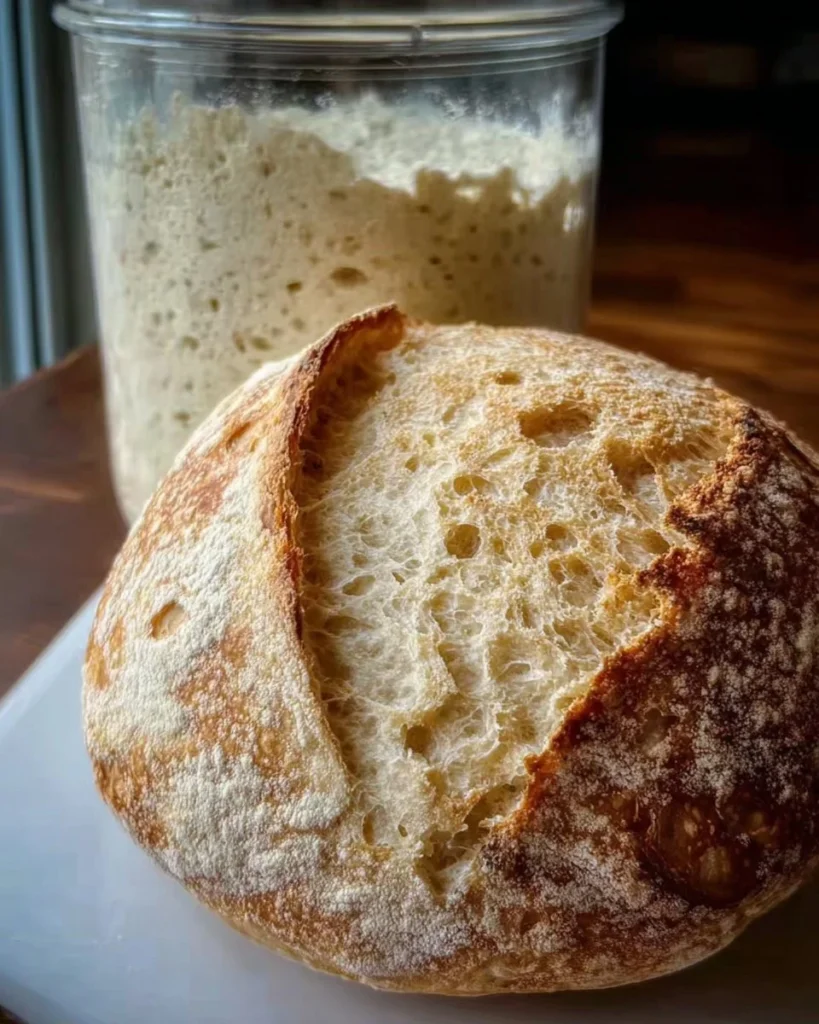
Creating a bubbling, frothy sourdough starter sends a thrill of culinary excitement rippling through the kitchen. The transformation that happens in that simple jar, tucked away in a cozy corner, evokes the spirit of baking that has withstood the test of time. Picture this: a cloudy mélange of flour and water slowly awakens, the surface dancing with tiny bubbles, exuding a fragrance that wafts through the home—earthy, tangy, and utterly captivating. It’s a ritual, a journey that embraces patience while promising the richest flavor in every loaf you’ll bake.
The moment you crack open a loaf of sourdough, that irresistible aroma envelopes you. The crust snaps with a satisfying crunch, yielding to a soft, chewy interior that is just waiting to be savored. Each mere bite unravels tangy notes, complex yet familiar. Whether slathered with creamy butter, topped with savory charcuterie, or transformed into a decadent sandwich, the satisfaction of using your own homemade sourdough starter is unparalleled. This little jar doesn’t just cultivate flavors; it nurtures a passion, a connection to the ancient art of breadmaking.
Why You’ll Love This Active Sourdough Starter
Imagine waking up to the aromatic allure of freshly baked sourdough bread, warm and inviting, enhanced solely by the beauty of your active sourdough starter. The benefits of this thriving concoction are vast and rewarding. First, you indulge in the health benefits often associated with sourdough due to its natural fermentation, which can aid digestion and elevate nutrient absorption. The tangy complexity it introduces to your loaves is beyond compare, and no store-bought bread can replicate that depth of flavor and texture.
Sourdough baking feels like a celebration every time, whether you’re planning an intimate gathering or simply braiding warmth into your morning routine. Moreover, the simple act of feeding your starter becomes a mindfulness ritual, allowing you to connect with your food on a deeper level. This makes your kitchen feel alive, bursting with possibilities and the comforting aroma of freshly baked goods waiting to happen.
Preparation Phase & Tools to Use
Creating your active sourdough starter requires just a few tools, but each one plays a vital role in ensuring your starter flourishes beautifully.
-
Glass Jar: A large, clean glass jar allows you to see your starter’s progress and provides ample room for bubbling and rising.
-
Wooden Spoon or Spatula: The perfect tool for combining your flour and water. Avoid metal, as it can interfere with the natural fermentation process.
-
Kitchen Scale: Opting for a scale over measuring cups ensures accuracy while weighing your ingredients, essential for creating a strong starter.
-
Clean Cloth or Paper Towel: Cover your jar loosely with a cloth to allow airflow for fermentation while keeping dust and critters out.
To prepare, ensure your workspace is clean and that you’ve selected a spot that maintains a warm room temperature—this is crucial for activating those wild yeast spores.
Ingredients for Active Sourdough Starter
Sourcing quality ingredients can make all the difference in your starter’s success.
-
Flour: Use either all-purpose flour or whole wheat flour. Whole wheat flour packs a punch of flavor and nutrition, while all-purpose flour creates a milder starter. If you’re adventurous, a blend of both can yield intriguing results.
-
Water: Filtered or bottled water works best to eliminate chlorine and other chemicals that can hinder the thriving yeast.
How to Make Active Sourdough Starter
-
Combine Ingredients: In your clean glass jar, mix equal parts flour and water—start with 50 grams of each. Use a wooden spoon to stir until you achieve a smooth and creamy consistency.
-
Cover and Set Aside: Loosely cover the jar with your cloth or paper towel. This provides a cozy home for your starter while allowing air to flow in, encouraging the yeast to flourish.
-
Let It Rest: Place your jar in a warm, undisturbed spot for 24 hours. Resist the urge to peek—this is a crucial time for fermentation to begin.
-
Daily Feedings: Each day, discard half of your starter (about 100 grams), and replenish it with 50 grams of flour and 50 grams of water. Stir well to maintain the creamy texture.
-
Watch It Bubble: Continue this feeding schedule. In roughly 5-7 days, your starter should become bubbly and double in size after feedings. That’s your cue—it’s ready to nurture incredible loaves!
Chef’s Notes & Helpful Tips
-
Make-Ahead Tips: If you anticipate a busy schedule, feed your starter regularly and stir extra to keep it active; it can be stored in the refrigerator if not used daily. Just remember to bring it back to room temperature and feed it before you bake.
-
Cooking Alternatives: While this guide focuses on traditional methods, an air fryer can work wonders with baked sourdough recipes; just adjust baking times accordingly.
-
Customization Ideas: Experiment with adding various flours like rye or spelt in your feedings for distinct flavors. You can also incorporate ingredients like crushed garlic or herbs when your starter is bubbly for a unique twist!
Common Mistakes to Avoid
Creating a robust sourdough starter can come with its hiccups.
-
Not Feeding Regularly: Inconsistency can lead to a sluggish starter. Stick to a feeding schedule—even during busy periods.
-
Using Cold Water: Cold water can slow yeast activity. Always use lukewarm water to optimize fermentation.
-
Ignoring Signs of Activity: If your starter is thin and not bubbling, it may need more time or warmth.
What to Serve With Active Sourdough Starter
The possibilities reach far beyond mere bread with your newly active sourdough starter. Consider these delightful pairings:
-
Classic Sourdough Bread: The ultimate star! Serve slices with rich butter or homemade jam for breakfast.
-
Sourdough Pizza: Create an incredible crust with that signature aroma and chew.
-
Bruschetta: Top toasted slices with fresh tomatoes, basil, and a drizzle of balsamic for a delicious appetizer.
-
Grilled Cheese Sandwiches: Elevate your lunch with tangy sourdough filled with gooey cheese.
-
French Toast: Sourdough adds a unique twist to this breakfast delight, enriching it in flavor and texture.
-
Croutons: Transform stale sourdough into crunchy croutons to elevate your salads and soups.
-
Bread Bowls: Hollow out a loaf for a stunning presentation filled with your favorite soups.
-
Sourdough Pancakes: Add a zing to breakfast; sourdough pancakes become fluffy and flavorful when made with your active starter!
Storage & Reheating Instructions
For the best longevity, store your sourdough starter in the refrigerator if not regularly used. It lasts for several weeks when kept in this manner, but remember to feed it once a week to maintain that lively culture. If you want to store it for longer, consider freezing portions in airtight containers; just be sure to revive it with some fresh flour and water before use.
Estimated Nutrition Information
Note: Nutrition values vary based on ingredients. Here’s an approximate breakdown for 100 grams of starter:
- Calories: 357
- Carbohydrates: 74g
- Protein: 12g
- Fat: 1.5g
- Fiber: 3g
Disclaimer: Always consult a nutritionist for specific dietary information.
FAQs
1. How can I tell if my sourdough starter is healthy?
A vibrant, active starter bubbles rapidly and doubles in size after feedings, emitting a pleasant sour aroma.
2. What do I do if my starter smells off or develops an unusual color?
Should you notice an off odor or color, discard that batch. Such signs may indicate contamination. Always start anew!
3. Can I use all-purpose flour instead of whole wheat flour?
Absolutely! All-purpose flour will yield good results. Whole wheat flour offers deeper flavors and can enhance the fermentation process.
4. How long will it take for my starter to be ready?
Patience is key; typically, about 5-7 days will yield a bubbly and ready starter, given that it’s consistently fed and kept warm.
5. What if I don’t see bubbles in my starter?
If your starter appears sluggish, ensure it receives warmth, food, and proper care. Be patient—sometimes they need a bit of extra love to awaken.
Conclusion
Embrace the art of making your own active sourdough starter, and unlock a world of culinary adventures that wait just behind that bubbling jar. Each feeding ritual offers you the chance to create something uniquely yours—full of flavor, texture, and memories waiting to be shared at your table. With every loaf you bake, savor the joy of this timeless tradition that connects us all through the simple pleasure of good food. Go ahead—take this leap into sourdough bliss, and enjoy the delicious rewards!
Print
Active Sourdough Starter
- Total Time: 168 hours
- Yield: 1 active starter 1x
- Diet: Vegetarian
Description
Create your own bubbling, frothy sourdough starter for delicious homemade bread.
Ingredients
- 50 grams all-purpose flour or whole wheat flour
- 50 grams filtered or bottled water
Instructions
- Combine ingredients in a clean glass jar, mixing equal parts flour and water.
- Cover the jar loosely with a clean cloth to allow airflow.
- Let it rest in a warm spot for 24 hours to start fermentation.
- Daily feed your starter by discarding half and replenishing with 50 grams of flour and 50 grams of water.
- Watch as it bubbles and doubles in size over 5-7 days; it’s ready for baking!
Notes
Store your starter in the refrigerator if not in daily use, feeding it weekly to keep it active. It can be frozen for longer storage.
- Prep Time: 10 minutes
- Cook Time: N/A
- Category: Baking
- Method: Culturing
- Cuisine: Bread
Nutrition
- Serving Size: 1 starter batch
- Calories: 357
- Sugar: 0g
- Sodium: 0mg
- Fat: 1.5g
- Saturated Fat: 0g
- Unsaturated Fat: 1.5g
- Trans Fat: 0g
- Carbohydrates: 74g
- Fiber: 3g
- Protein: 12g
- Cholesterol: 0mg
Keywords: sourdough starter, bread baking, fermentation, homemade bread