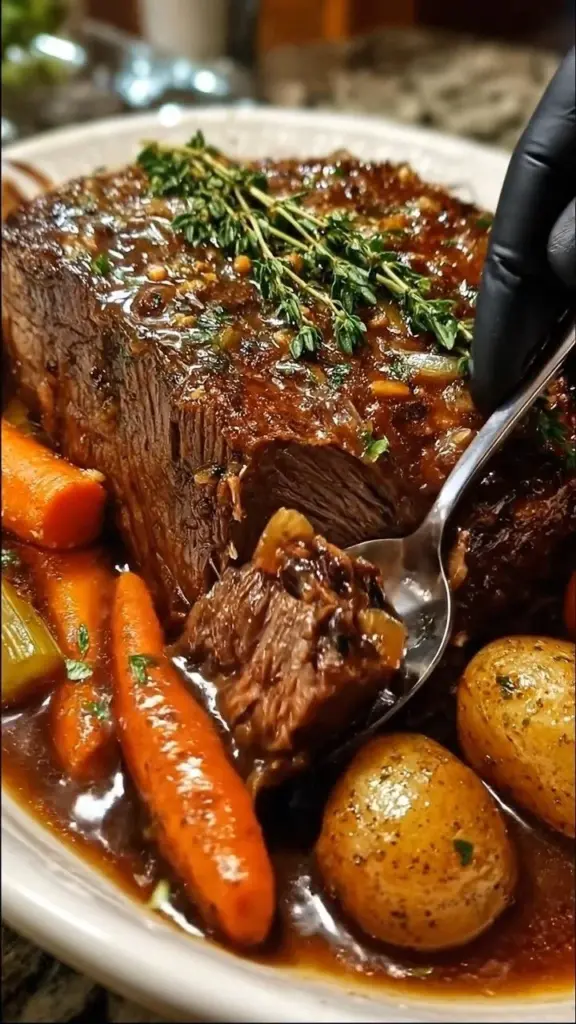
German Sauerbraten, a cherished pillar of Bavarian cuisine, whisks you away on a tantalizing journey through flavors that awaken deep-seated cravings. Imagine entering a cozy kitchen, the aroma of spices wafting through the air, mingling with the gentle simmering of robust beef. This dish offers you a comforting embrace, with tender, slow-cooked beef immersed in a marinated symphony of tangy vinegar, sweet sugar, and aromatic herbs. As you savor each bite, the contrasting flavors dance on your palate, a delightful echo of tradition and care that leaves a lasting impression.
The heart of Sauerbraten lies in its complexity. Each forkful delivers not just meat, but a tender morsel steeped in history. The savory notes meld with the subtle sweetness from gingersnap cookies, creating an irresistible sauce that you will want to drench every bite with. The texture of the slow-roasted beef melts in your mouth, while the crunch of fresh vegetables complements the dish, adding a satisfying depth. If you close your eyes, you might even feel the warmth of a German home, where culinary love transforms simple ingredients into extraordinary experiences.
Why You’ll Love This German Sauerbraten
Sauerbraten stands out as a dish worthy of celebration, perfect for gatherings or cozy family dinners. The tender meat, enveloped in a rich and tangy marinade, strikes the ideal balance between savory and slightly sweet. It appeals to all the senses, fragrant and inviting, creating an atmosphere that draws everyone to the table. Plus, its make-ahead nature means it fits seamlessly into your busy life, allowing you to spend more time enjoying the company of loved ones.
The skillful blend of ingredients not only tantalizes the taste buds but also warms the soul. This dish is rich in culinary history, linking you to the traditions of German households, making it a meaningful centerpiece for your dining occasions. Whether you share it at a festive gathering or enjoy it on a quiet evening, each bite connects you to a cultural tapestry that is as delightful as the food itself.
Preparation Phase & Tools to Use
Creating the perfect Sauerbraten requires thoughtful preparation and a few key tools. Here’s what you’ll need:
- Large resealable bag or dish: For marinating the beef, ensuring it soaks up all those delightful flavors.
- Heavy-bottomed pot: Ideal for searing the meat and slow-cooking it to perfection, allowing a crust to form while maintaining a juicy interior.
- Cutting board and sharp knife: To slice your vegetables and beef precisely, maximizing the appearance and the cooking process.
Before diving into cooking, gather your ingredients and familiarize yourself with the steps. Your kitchen should echo with the sounds of sizzling meat and bubbling sauce, so take time during preparation to embrace this culinary experience.
Ingredients for German Sauerbraten
The magic of Sauerbraten depends on its rich ingredients, each contributing to the final masterpiece. Here’s what you will need:
- 2 cups beef broth: Infuses the dish with depth and moisture.
- 1 cup red wine vinegar (or a mix of red wine vinegar + water): Adds that crucial sour element that defines the dish.
- 1 cup red wine (optional): Enhances complexity; feel free to use a good-quality bottle.
- 2-3 lbs beef roast (such as chuck or brisket): Choose well-marbled cuts for ultimate tenderness.
- 1 onion, sliced: Offers sweetness and aromatic depth.
- 2 carrots, chopped: Introduces a lovely balance to the dish.
- 2-3 cloves garlic, minced: Engulfs the roast with a fragrant glow.
- 1 bay leaf: Enriches the marinade with its earthy notes.
- 1 teaspoon ground black pepper: Brings a warm, piquant brightness.
- 1 teaspoon sugar: Balances acidity and enhances flavors.
- Salt to taste: Essential for elevating the overall profile.
- 1 tablespoon vegetable oil (for browning): Creates a nice crust on the beef for that sought-after flavor.
- Gingersnap cookies (optional): The secret ingredient that thickens the sauce and adds a touch of sweet magic.
You can easily make substitutions based on what you have on hand. For instance, if you don’t have gingersnap cookies, a touch of flour or cornstarch can help thicken the sauce. Each variation brings a new twist to this classic recipe.
How to Make German Sauerbraten
Creating this culinary delight may seem intimidating, but fear not! The steps are straightforward, leading you to delicious results.
-
Prepare the Marinade: In a bowl, combine the beef broth, red wine vinegar, red wine, onion, carrots, garlic, bay leaf, black pepper, sugar, and salt. This harmonious blend forms the enchanting marinade.
-
Marinate the Beef: Place the beef roast in a large resealable bag or dish, pouring the marinade over it. Seal securely and refrigerate for at least 3 days, turning occasionally. This step is crucial for allowing the beef to absorb all the flavors.
-
Sear the Beef: After marinating, take out the beef, pat it dry with a paper towel, and heat vegetable oil in a heavy pot over medium-high heat. Sear the roast on all sides until beautifully browned, locking in those savory juices.
-
Simmer Away: Pour the marinade into the pot with the beef, bringing it to a gentle boil. Lower the heat, cover, and let it simmer for 3-4 hours, or until fork-tender. The longer simmering time works wonders for flavor and tenderness—trust in the process!
-
Thicken the Sauce: If desired, crumble gingersnap cookies into the sauce towards the end of cooking. This will enrich the sauce with a uniquely sweet depth.
-
Serve: Slice the beef and plate it delicately, drenching it in the luscious sauce. Ensure each serving captures the essence of your slow-cooked labor of love.
Chef’s Notes & Helpful Tips
-
Make-ahead Tips: The beauty of Sauerbraten lies in its ability to improve with time. Cook it a day ahead, allow the flavors to meld, and serve it the next day for an even more spectacular result.
-
Cooking Alternatives: If short on time, consider using a pressure cooker to speed up the process while still retaining flavor. Just adjust the cooking time accordingly.
-
Customization Ideas: Feel free to play with vegetables in the marinade. Adding parsnips or even celery can lend a twist to this traditional dish.
Common Mistakes to Avoid
To ensure your Sauerbraten is nothing short of perfection, bear in mind these common pitfalls:
-
Skipping the Marinade Time: Rushing the marinating process can lead to a lack of flavor in the beef. Commit to the full 3 days for optimal taste!
-
Not Patting the Beef Dry: Neglecting to dry the roast may result in steaming rather than searing it, affecting the overall flavor.
-
Not Adjusting Seasoning: Always taste and adjust seasoning at the end to align with your preferences.
What to Serve With German Sauerbraten
Pairing delicious accompaniments elevates this dish even further. Consider these delightful sides:
-
Spaetzle: This traditional German egg noodle, with its soft, pillowy texture, makes the perfect canvas for soaking up the savory sauce.
-
Roasted Potatoes: Crispy on the outside yet fluffy within, these potatoes harmonize beautifully with Sauerbraten.
-
Red Cabbage: The sweet and tangy flavors of braised red cabbage add a vibrant contrast and beautiful color to your plate.
-
Mashed Potatoes: Creamy mashed potatoes serve as a classic base, making sure every drop of sauce ends up in your mouth.
-
Grilled Asparagus: This simple, fresh vegetable adds a touch of elegance and a pop of color alongside your main.
-
Knödel (German Dumplings): These soft dumplings complement the dish wonderfully, acting as a vehicle for both sauce and meat.
-
Bread Rolls: Airy and crusty rolls allow you to indulge in every last bit of the sauce.
-
A Simple Green Salad: Light and crisp, a salad provides balance and freshness.
Storage & Reheating Instructions
Leftovers are a joy! Store your Sauerbraten in an airtight container in the refrigerator for up to 3 days. To freeze, wrap tightly in plastic wrap and place in a freezer-safe container for up to 3 months. When you’re ready to enjoy again, thaw overnight in the fridge, then reheat gently on the stovetop or in the oven, ensuring it returns to its tender, savory glory.
Estimated Nutrition Information
Approximate values per serving (based on a 4-ounce serving of beef with sauce):
- Calories: 300
- Protein: 28g
- Fat: 18g
- Carbohydrates: 10g
- Fiber: 1g
- Sugar: 1g
Disclaimer: Nutritional values will vary based on specific ingredients and portion sizes.
FAQs
Can I use a different cut of beef for Sauerbraten?
Absolutely! While chuck and brisket are traditional favorites, cuts like round or even beef shoulder can work fine. Just ensure it’s well-marbled for tenderness.
What if I can’t find gingersnap cookies?
If gingersnap cookies aren’t available, you can thicken the sauce with a cornstarch slurry. Simply mix a tablespoon of corn starch with cold water, and stir it into the sauce until it thickens.
Can I make Sauerbraten in advance?
Definitely! Sauerbraten tastes even better the day after cooking. Prepare the dish, let it cool, then store in the refrigerator overnight.
Can I use white wine vinegar instead of red wine vinegar?
While red wine vinegar provides that characteristic tang, white wine vinegar could work in a pinch. Note the flavor will change slightly, becoming milder.
What’s the best way to serve Sauerbraten?
Serve your Sauerbraten with a generous ladle of the sauce, accompanied by your choice of sides. Enhance the plate with fresh herbs for garnish, adding a beautiful touch.
Conclusion
German Sauerbraten invites you into a world of warmth and flavor, a culinary tradition worth exploring. The rich, tangy sauce and tender beef create a symphony of taste that makes each meal unforgettable. As you gather around the table, allow the soulful aromas and textures to draw you in, creating new memories with family and friends. Don’t wait; venture into the delightful kitchen adventure of making Sauerbraten, and let its charm transport you to cozy corners of Germany, one delicious bite at a time.
Print
German Sauerbraten
- Total Time: 3 days 10 minutes
- Yield: 6 servings 1x
- Diet: None
Description
A traditional German dish featuring tender, marinated beef in a rich and tangy sauce, perfect for family dinners or festive gatherings.
Ingredients
- 2 cups beef broth
- 1 cup red wine vinegar (or a mix of red wine vinegar + water)
- 1 cup red wine (optional)
- 2–3 lbs beef roast (such as chuck or brisket)
- 1 onion, sliced
- 2 carrots, chopped
- 2–3 cloves garlic, minced
- 1 bay leaf
- 1 teaspoon ground black pepper
- 1 teaspoon sugar
- Salt to taste
- 1 tablespoon vegetable oil (for browning)
- Gingersnap cookies (optional)
Instructions
- Prepare the Marinade: In a bowl, combine the beef broth, red wine vinegar, red wine, onion, carrots, garlic, bay leaf, black pepper, sugar, and salt.
- Marinate the Beef: Place the beef roast in a resealable bag or dish, pouring the marinade over it. Seal securely and refrigerate for at least 3 days, turning occasionally.
- Sear the Beef: After marinating, pat the beef dry and heat vegetable oil in a heavy pot over medium-high heat. Sear the roast on all sides until browned.
- Simmer Away: Pour the marinade into the pot with the beef, bring to a gentle boil, cover, and simmer for 3-4 hours until fork-tender.
- Thicken the Sauce: If desired, crumble gingersnap cookies into the sauce towards the end of cooking.
- Serve: Slice the beef and plate it, drenching in the sauce.
Notes
This dish tastes even better when made a day ahead. Use a pressure cooker for quicker results if desired.
- Prep Time: 10 minutes
- Cook Time: 240 minutes
- Category: Main Course
- Method: Slow Cooking
- Cuisine: German
Nutrition
- Serving Size: 1 serving
- Calories: 300
- Sugar: 1g
- Sodium: 600mg
- Fat: 18g
- Saturated Fat: 6g
- Unsaturated Fat: 8g
- Trans Fat: 0g
- Carbohydrates: 10g
- Fiber: 1g
- Protein: 28g
- Cholesterol: 70mg
Keywords: Sauerbraten, German cuisine, marinated beef, traditional recipes, comfort food