Introduction: The Cheesy Loaf You Will Want to Bake Every Week
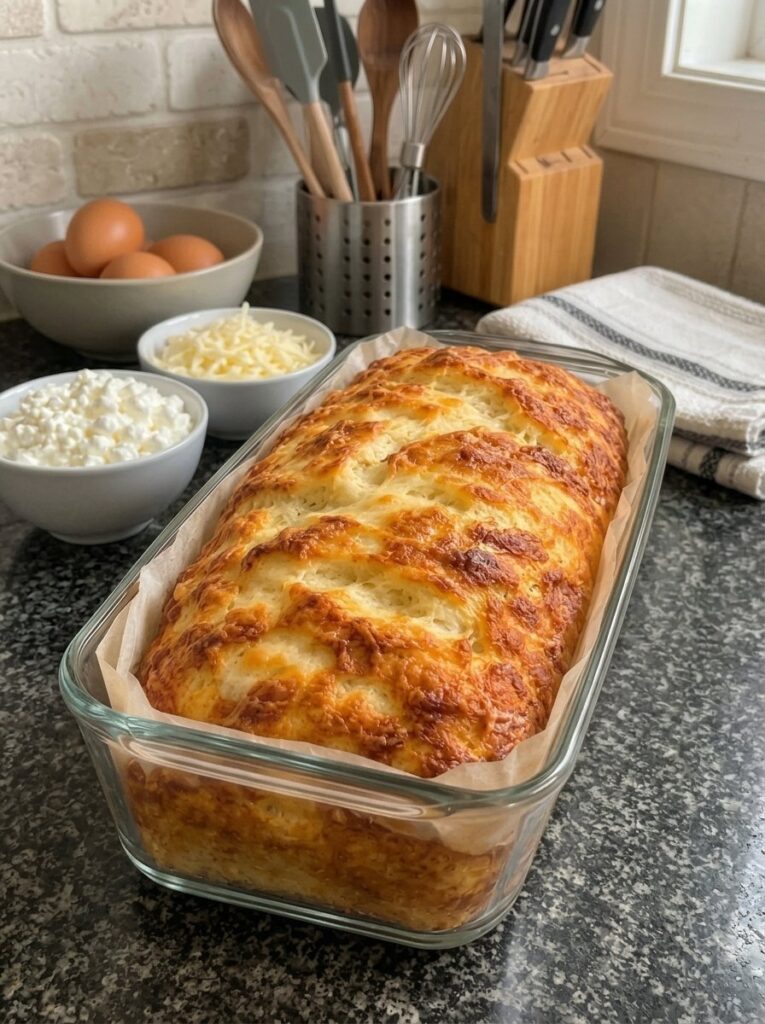
If you have ever pulled a loaf of homemade bread out of the oven and wished it were a little more savory, a little more filling, and a lot less work, this high-protein cottage cheese mozzarella bread is the answer. It is a soft, tender, deeply cheesy loaf with little pockets of melted mozzarella inside and a bubbly, golden cheese crust on top. There is no yeast, no kneading, no proofing, and no waiting around for dough to rise. You stir a thick batter together, spoon it into a loaf pan, and let the oven do the rest.
The secret is cottage cheese. Blended into the batter or simply stirred in, it brings moisture, richness, and a gentle tang that makes the crumb wonderfully tender. Combined with eggs and shredded mozzarella, it also gives the bread a satisfying, protein-rich character that makes it far more filling than an ordinary slice of sandwich bread.
Whether you want a warm slice with butter for breakfast, a sturdy base for a sandwich at lunch, or something comforting to dunk into a bowl of tomato soup, this cheesy quick bread fits right in. In this guide you will find the full recipe, ingredient notes, step-by-step instructions, troubleshooting help, creative variations, serving ideas, storage advice, and answers to the questions bakers ask most often.
Why You Will Love This Cottage Cheese Bread
There are plenty of cheese bread recipes out there, but this one earns a permanent spot in the rotation for several reasons:
- No yeast and no kneading. This is a quick bread, so the leavening comes from baking powder. You can go from empty counter to loaf in the oven in about 15 minutes.
- Packed with protein-rich ingredients. Cottage cheese, eggs, and mozzarella are the stars, so every slice feels hearty and satisfying.
- Soft, moist, tender crumb. Cottage cheese keeps the interior moist for days, which is something many quick breads struggle with.
- Golden, bubbly cheese crust. Saving some mozzarella (and a little Parmesan) for the top creates a gorgeous, crisp-edged crust that looks as good as it tastes.
- Made with pantry staples. Flour, baking powder, salt, eggs, milk, oil, and cheese. Nothing here requires a special trip to a specialty store.
- Endlessly versatile. Serve it for breakfast, lunch, snacks, or as a side with dinner. Toast it, grill it, or turn it into sandwiches.
- Freezer friendly. Slice and freeze it, and you will have homemade cheesy toast ready whenever you want it.
Ingredients You Will Need
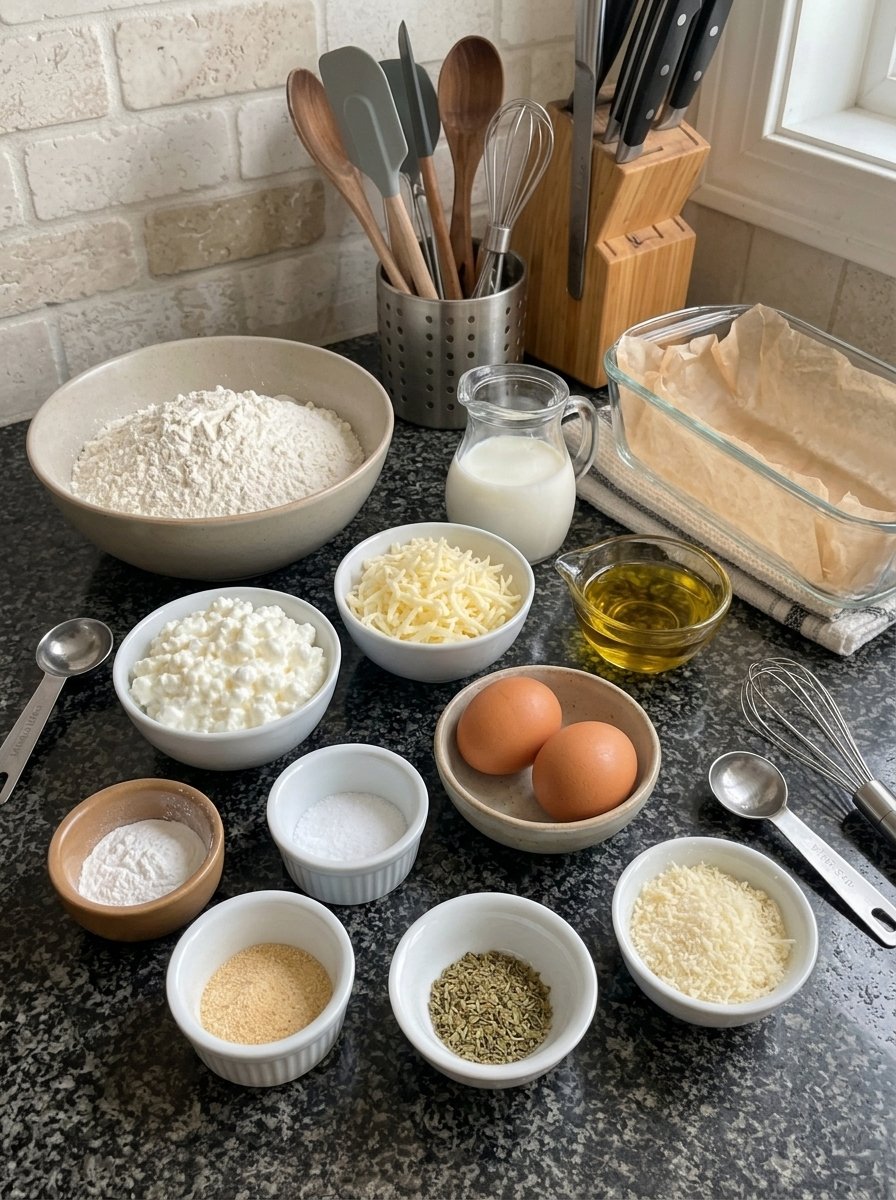
The ingredient list is short and simple. Here is what goes into the loaf and why each item matters.
For the Bread
- 315 g (2½ cups) all-purpose flour, spooned and leveled
- 1 tablespoon baking powder
- ½ teaspoon fine sea salt
- 1 cup (225 g) cottage cheese, preferably small-curd
- 2 large eggs, at room temperature
- ¼ cup (60 ml) milk
- ¼ cup (60 ml) olive oil or melted unsalted butter, slightly cooled
- 1½ cups (170 g) shredded mozzarella cheese, divided
- ½ teaspoon garlic powder (optional)
- ½ teaspoon dried oregano or Italian seasoning (optional)
- 2 tablespoons grated Parmesan cheese, for topping (optional)
Ingredient Notes and Smart Substitutions
All-purpose flour. The recipe is developed with all-purpose flour, which gives a soft but sturdy crumb. For the most accurate result, weigh your flour (315 g). If you use measuring cups, spoon the flour into the cup and level it off rather than scooping directly from the bag, which packs in too much flour and leads to a dry, dense loaf.
Baking powder. One tablespoon is what lifts this loaf. Check that your baking powder is fresh. Old baking powder is one of the most common reasons quick breads turn out flat.
Cottage cheese. Small-curd cottage cheese blends into the batter most evenly, and full-fat versions produce the richest, moistest loaf. If your cottage cheese looks watery, drain it briefly before measuring so the batter does not become too loose. If you want a completely smooth, uniform crumb with no visible curds, blend the cottage cheese until creamy before mixing it with the eggs.
Eggs. Room-temperature eggs blend more easily into the cottage cheese mixture and help the batter come together smoothly. If you forgot to take them out ahead of time, place them in a bowl of warm water for five minutes.
Milk. Any milk you have on hand works. Whole milk adds a little extra richness, but lower-fat milk is fine too.
Olive oil or melted butter. Olive oil gives a subtle savory, slightly fruity note that pairs beautifully with mozzarella and oregano. Melted butter gives a more classic, rich bakery flavor. Let the butter cool slightly so it does not scramble the eggs.
Mozzarella. Freshly shredded mozzarella melts better than pre-shredded cheese coated with anti-caking agents. Low-moisture mozzarella is the best choice here. Fresh mozzarella balls contain too much water for this batter.
Garlic powder and oregano. These are optional, but they add a pizza-night, Italian-bakery flavor that complements the cheese. Dried parsley, basil, or an Italian seasoning blend all work well.
Parmesan. A light sprinkle on top deepens the savory flavor and helps the crust turn a beautiful deep golden color.
How to Make High-Protein Cottage Cheese Mozzarella Bread
Step 1: Prepare the Oven and Loaf Pan
Preheat your oven to 375°F (190°C). Line a 9 × 5-inch loaf pan with parchment paper, leaving a little overhang on the long sides so you can lift the loaf out later. Lightly grease the parchment with cooking spray or a little olive oil. The parchment is especially helpful here because melted cheese loves to stick to the sides of the pan.
Step 2: Mix the Dry Ingredients
In a large bowl, whisk together the flour, baking powder, and salt. Add the garlic powder and oregano or Italian seasoning if you are using them. Whisk until everything is evenly combined, then set the bowl aside. Thorough whisking distributes the baking powder evenly, which helps the loaf rise uniformly.
Step 3: Make the Cottage Cheese Mixture
In a second large bowl, combine the cottage cheese and eggs. Whisk until the eggs are fully incorporated. Add the milk and the olive oil or slightly cooled melted butter, then mix until the mixture is smooth and creamy. If you prefer a bread with a completely smooth texture, blend the cottage cheese separately first and then combine it with the eggs and other wet ingredients.
Step 4: Combine Wet and Dry Ingredients
Gradually add the dry mixture to the cottage cheese mixture. Use a spatula or wooden spoon to fold everything together gently, mixing just until a thick, sticky batter forms and no dry flour remains. This is where many bakers go wrong: overmixing develops gluten and makes the finished loaf heavy and dense. Stop as soon as the flour disappears. The batter should be thick and spreadable, not pourable and not a kneadable dough.
Step 5: Fold in the Mozzarella
Add about 1¼ cups of the shredded mozzarella to the batter and fold it in gently until it is evenly distributed. Reserve the remaining ¼ cup for the top. Spreading the cheese throughout the batter ensures that every slice has those delicious melted mozzarella pockets.
Step 6: Transfer the Batter to the Pan
Spoon the batter into the prepared loaf pan. Use a spatula to push it into the corners and smooth the surface. Sprinkle the reserved mozzarella over the top, and add the Parmesan if desired. This topping is what creates the golden, bubbly, crackly crust you can see in the photos.
Step 7: Bake Until Golden and Set
Place the pan on the middle rack of the oven and bake for 45 to 55 minutes, until the loaf has risen, the cheese topping is deeply golden, and the center is fully set. Insert a toothpick into the center, avoiding any large pockets of melted cheese. It should come out without wet batter clinging to it.
For the most reliable doneness test, check the internal temperature. The center should reach roughly 200 to 205°F (93 to 96°C). If the mozzarella on top starts to brown too quickly, loosely cover the loaf with aluminum foil for the last 15 minutes of baking.
Step 8: Cool Before Slicing
Let the loaf rest in the pan for about 15 minutes. Then lift it out using the parchment overhang and move it to a wire rack to cool for another 20 to 30 minutes. This resting time lets the melted cheese settle and the crumb firm up, which means cleaner slices and a better texture.
Step 9: Slice and Serve
Use a sharp serrated bread knife to cut the loaf into 10 to 12 slices. Serve it slightly warm for the softest interior and the best melty cheese experience.
Expert Tips for the Best Cottage Cheese Mozzarella Bread
A few small details make the difference between a good loaf and a spectacular one.
- Choose good-quality cottage cheese. Full-fat cottage cheese creates a richer, moister bread. If the container has a lot of liquid, drain it briefly before measuring.
- Blend the cottage cheese for a smoother crumb. If you or your family are not fans of visible curds, a quick blend makes them disappear into the batter while keeping all the moisture and flavor.
- Shred your own mozzarella. Freshly shredded cheese melts into creamy pockets, while pre-shredded bags can melt less smoothly.
- Keep the batter thick. This is a savory quick-bread batter, not yeast dough. It should be thick, sticky, and easy to spread into the pan.
- Do not overmix. Combine until no dry flour remains and then stop.
- Save cheese for the top. Folding most of the mozzarella into the batter and reserving some for the surface gives you the best of both worlds: cheesy interior and crisp golden crust.
- Use parchment paper. It makes removal effortless, especially when melted cheese has glued itself to the pan.
- Watch the browning. Ovens vary. Tent with foil if the top is darkening before the center is cooked.
- Be patient with cooling. Slicing too early can result in a gummy-looking center. The wait is worth it.
- Add herbs you love. Garlic powder, oregano, parsley, and Italian seasoning all pair beautifully with cottage cheese and mozzarella.
Troubleshooting: Common Problems and How to Fix Them
My bread is dense or heavy. The most likely causes are overmixing, too much flour from scooping instead of spooning and leveling, or expired baking powder. Next time, weigh the flour, mix only until combined, and test your baking powder in hot water to confirm that it bubbles.
The center is gummy or undercooked. The loaf may need more time, or your oven may run cool. Bake until the internal temperature reaches about 200 to 205°F (93 to 96°C), and use foil to protect the top if it browns too fast. Also make sure you let the loaf cool before slicing.
The batter seems too wet. Cottage cheese varies in moisture. Drain any excess liquid before measuring, and do not add extra milk beyond what the recipe calls for.
The top browned too quickly. Loosely cover the loaf with aluminum foil during the final 15 minutes, or move the rack down one position next time.
The loaf stuck to the pan. Always line the pan with parchment paper and lightly grease it. Melted cheese is sticky, and parchment makes cleanup much easier.
The bread did not rise much. Check the date on your baking powder, avoid overmixing, and bake right after the batter is combined, since baking powder begins working as soon as it meets moisture.
Delicious Variations to Try
Once you have the base recipe down, it is easy to customize. Here are some ideas, keeping in mind that you should keep added ingredients modest so the batter stays thick and bakes through properly.
- Garlic herb cheese bread: Increase the garlic powder slightly and add chopped fresh parsley or chives.
- Pizza-style loaf: Use Italian seasoning and a little extra oregano, and serve slices with warm marinara for dipping.
- Jalapeño cheese bread: Fold in finely diced, well-drained jalapeños for gentle heat.
- Sun-dried tomato and basil: Add chopped, drained sun-dried tomatoes and dried basil for a Mediterranean twist.
- Everything-seasoning top: Sprinkle everything bagel seasoning over the cheese before baking for a savory crunch.
- Cheddar-mozzarella blend: Swap a portion of the mozzarella for sharp cheddar for a bolder flavor.
- Spinach and feta: Stir in well-squeezed, chopped spinach for a green-flecked loaf.
Serving Ideas: How to Enjoy Cottage Cheese Mozzarella Bread
This loaf is delicious on its own, but it also works as a base for many meals.
- Classic cheesy toast: Toast a slice and spread it with a little butter for an easy savory breakfast.
- Avocado toast: Top toasted slices with mashed avocado, black pepper, and chili flakes.
- Breakfast sandwiches: Layer scrambled eggs, sliced tomatoes, and fresh spinach between two slices.
- Tomato soup companion: Serve warm slices alongside creamy tomato soup for a comforting meal.
- Garlic butter bread: Brush slices with garlic butter and toast until the edges turn lightly crisp.
- Deli-style sandwiches: Use thick slices with turkey, lettuce, tomato, and your favorite fillings.
- Fresh salad side: Serve with a green salad with cucumber, cherry tomatoes, and a light vinaigrette.
- Cheese lover’s snack: Enjoy a warm slice topped with extra melted mozzarella or a little cream cheese.
How to Store, Freeze, and Reheat
Because this bread contains cottage cheese, eggs, and mozzarella, proper storage matters.
Refrigerator. Let the loaf cool completely, then store it in an airtight container in the refrigerator for up to 4 to 5 days. Refrigeration is recommended for this moist, cheese-based bread.
Room temperature. Avoid leaving the bread out for more than 2 hours. Refrigerate leftovers promptly.
Freezer. Slice the completely cooled loaf and arrange the slices in a freezer-safe bag or container, placing parchment paper between slices so they do not stick together. Freeze for up to 2 months.
Reheating from the refrigerator. Warm slices in a preheated 325°F (165°C) oven for about 5 to 8 minutes, or until heated through.
Reheating from frozen. Thaw slices in the refrigerator, or reheat them directly in a toaster oven until warm.
Skillet method. Warm slices in a lightly buttered skillet over medium-low heat until the cheese softens and the edges turn lightly crisp. This is the best way to bring back that just-baked, golden-edged texture.
Is This Bread Really High in Protein?
The recipe is built around three protein-rich ingredients: cottage cheese, eggs, and mozzarella. Compared with a typical loaf of flour-and-water bread, a slice of this cheese bread is more substantial and tends to keep you satisfied longer. The exact protein content per slice depends on the brands you use, the type of cottage cheese (full-fat or low-fat), and how many slices you cut from the loaf, so check your product labels or use a nutrition calculator if you are tracking numbers precisely. This recipe contains gluten, dairy, and eggs, and it is vegetarian.
Frequently Asked Questions
Can I make cottage cheese mozzarella bread without yeast?
Yes. This recipe is a no-yeast quick bread that relies on baking powder for lift. There is no kneading, proofing, or rising time.
Do I need to blend the cottage cheese?
No, but you can. Small-curd cottage cheese works well stirred straight into the batter. Blending it first creates a smoother, more uniform crumb with no visible curds.
Can I use low-fat or fat-free cottage cheese?
You can, but full-fat cottage cheese produces a richer, moister loaf. If you use a lower-fat version, make sure it is not overly watery and drain it briefly if needed.
What kind of mozzarella is best?
Low-moisture mozzarella, freshly shredded, is the best choice. It melts beautifully without adding excess water to the batter. Avoid fresh mozzarella packed in liquid.
Can I use melted butter instead of olive oil?
Yes. Use melted unsalted butter that has cooled slightly. Butter gives a richer, more traditional flavor, while olive oil adds a subtle savory note.
What size pan should I use?
A 9 × 5-inch loaf pan is recommended. A glass pan, like the one in the photos, works well, and lining it with parchment makes removal easy.
How do I know when the bread is done?
Look for a deeply golden cheese topping, a risen loaf, and a toothpick that comes out without wet batter when inserted in the center (avoiding cheese pockets). For the most reliable check, the center should read about 200 to 205°F (93 to 96°C).
Why should I let it cool before slicing?
Cooling allows the melted cheese to settle and the crumb to firm up, so the slices stay tender and moist without being gummy or falling apart.
Can I freeze this bread?
Yes. Slice the completely cooled loaf, separate the slices with parchment paper, and freeze in a freezer-safe bag or container for up to 2 months.
Can I make this gluten-free?
The tested recipe uses all-purpose flour and contains gluten. If you want to experiment with a gluten-free flour blend, expect differences in texture and results, and treat it as a trial rather than a guaranteed swap.
Is this bread good for sandwiches?
Absolutely. Slices are sturdy enough for sandwiches, especially once the loaf has fully cooled. Toasting the slices lightly makes them even better.
Final Thoughts
This high-protein cottage cheese mozzarella bread proves that homemade bread does not need to be complicated. With a handful of pantry ingredients and about 15 minutes of hands-on time, you get a soft, tender, cheese-packed loaf with a golden, bubbly crust that looks bakery-worthy and tastes even better. It is hearty enough for breakfast, simple enough for a weeknight side, and flexible enough to flavor however you like.
Bake a loaf this weekend, slice it once it has cooled, and keep a few slices in the freezer for busy mornings. Once you taste that melted mozzarella and tender crumb, it may become a staple in your kitchen.
Print
High-Protein Cottage Cheese Mozzarella Bread
- Total Time: 1 hour 35 minutes to 1 hour 55 minutes
- Yield: 1 loaf (about 10 to 12 slices) 1x
Ingredients
The ingredient list is short and simple. Here is what goes into the loaf and why each item matters.
For the Bread
- 315 g (2½ cups) all-purpose flour, spooned and leveled
- 1 tablespoon baking powder
- ½ teaspoon fine sea salt
- 1 cup (225 g) cottage cheese, preferably small-curd
- 2 large eggs, at room temperature
- ¼ cup (60 ml) milk
- ¼ cup (60 ml) olive oil or melted unsalted butter, slightly cooled
- 1½ cups (170 g) shredded mozzarella cheese, divided
- ½ teaspoon garlic powder (optional)
- ½ teaspoon dried oregano or Italian seasoning (optional)
- 2 tablespoons grated Parmesan cheese, for topping (optional)
Instructions
Preheat your oven to 375°F (190°C). Line a 9 × 5-inch loaf pan with parchment paper, leaving a little overhang on the long sides so you can lift the loaf out later. Lightly grease the parchment with cooking spray or a little olive oil. The parchment is especially helpful here because melted cheese loves to stick to the sides of the pan.
Step 2: Mix the Dry Ingredients
In a large bowl, whisk together the flour, baking powder, and salt. Add the garlic powder and oregano or Italian seasoning if you are using them. Whisk until everything is evenly combined, then set the bowl aside. Thorough whisking distributes the baking powder evenly, which helps the loaf rise uniformly.
Step 3: Make the Cottage Cheese Mixture
In a second large bowl, combine the cottage cheese and eggs. Whisk until the eggs are fully incorporated. Add the milk and the olive oil or slightly cooled melted butter, then mix until the mixture is smooth and creamy. If you prefer a bread with a completely smooth texture, blend the cottage cheese separately first and then combine it with the eggs and other wet ingredients.
Step 4: Combine Wet and Dry Ingredients
Gradually add the dry mixture to the cottage cheese mixture. Use a spatula or wooden spoon to fold everything together gently, mixing just until a thick, sticky batter forms and no dry flour remains. This is where many bakers go wrong: overmixing develops gluten and makes the finished loaf heavy and dense. Stop as soon as the flour disappears. The batter should be thick and spreadable, not pourable and not a kneadable dough.
Step 5: Fold in the Mozzarella
Add about 1¼ cups of the shredded mozzarella to the batter and fold it in gently until it is evenly distributed. Reserve the remaining ¼ cup for the top. Spreading the cheese throughout the batter ensures that every slice has those delicious melted mozzarella pockets.
Step 6: Transfer the Batter to the Pan
Spoon the batter into the prepared loaf pan. Use a spatula to push it into the corners and smooth the surface. Sprinkle the reserved mozzarella over the top, and add the Parmesan if desired. This topping is what creates the golden, bubbly, crackly crust you can see in the photos.
Step 7: Bake Until Golden and Set
Place the pan on the middle rack of the oven and bake for 45 to 55 minutes, until the loaf has risen, the cheese topping is deeply golden, and the center is fully set. Insert a toothpick into the center, avoiding any large pockets of melted cheese. It should come out without wet batter clinging to it.
For the most reliable doneness test, check the internal temperature. The center should reach roughly 200 to 205°F (93 to 96°C). If the mozzarella on top starts to brown too quickly, loosely cover the loaf with aluminum foil for the last 15 minutes of baking.
Step 8: Cool Before Slicing
Let the loaf rest in the pan for about 15 minutes. Then lift it out using the parchment overhang and move it to a wire rack to cool for another 20 to 30 minutes. This resting time lets the melted cheese settle and the crumb firm up, which means cleaner slices and a better texture.
Step 9: Slice and Serve
Use a sharp serrated bread knife to cut the loaf into 10 to 12 slices. Serve it slightly warm for the softest interior and the best melty cheese experience.
- Prep Time: 15 minutes
- Cook Time: 45 to 55 minutes