Cranberry Orange Vanilla Scones – Buttery, Tender, and Bakery-Style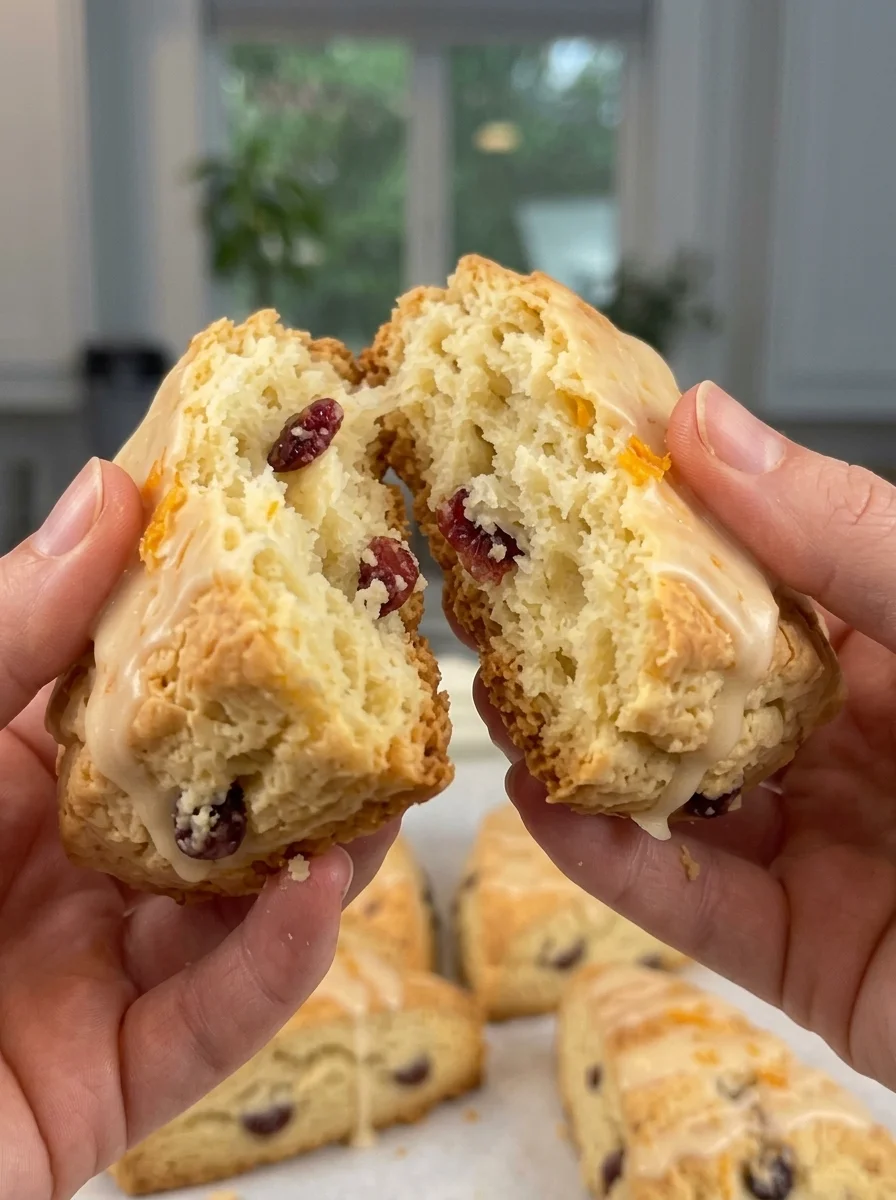
These Cranberry Orange Vanilla Scones are soft, buttery, and bursting with the delicious combination of tart cranberries, fresh orange zest, and sweet vanilla. Finished with a delicate vanilla-orange glaze, these homemade scones have beautifully golden edges, tender centers, and a delightful balance of fruity sweetness and refreshing citrus flavor.
Whether you are preparing a cozy weekend breakfast, hosting an elegant afternoon tea, or looking for a homemade treat to serve with coffee, these cranberry orange scones are a wonderful choice. They look beautiful on a brunch table, taste like something fresh from a bakery, and are surprisingly easy to make at home with simple ingredients.
The secret to making the best cranberry orange vanilla scones is using cold butter, handling the dough gently, and allowing the shaped scones to chill before baking. These small but important steps help create a tender texture with lightly crisp edges and a satisfying, buttery crumb.
Fresh orange zest adds a fragrant citrus aroma, dried cranberries provide chewy bursts of tart sweetness, and pure vanilla extract brings everything together with a warm, comforting flavor. The finishing glaze adds just enough sweetness without overpowering the natural brightness of the orange.
If you love homemade pastries that feel both comforting and elegant, this easy cranberry orange vanilla scones recipe deserves a place in your baking collection.
Why You Will Love These Cranberry Orange Vanilla Scones
There are plenty of reasons to make these homemade cranberry orange scones. They are simple enough for beginner bakers yet impressive enough to serve to guests.
1. A delicious balance of flavors
Tart cranberries, sweet vanilla, and fragrant orange zest complement one another beautifully. The cranberries provide little bursts of fruity flavor, while the orange brightens the buttery dough. Vanilla rounds out the flavor, creating a pastry that tastes sweet, fresh, and comforting.
2. A tender, buttery texture
Cold butter is the key to achieving classic bakery-style scones. Small pieces of butter distributed throughout the dough create a tender crumb and help develop a delicate texture as the scones bake.
3. Easy ingredients 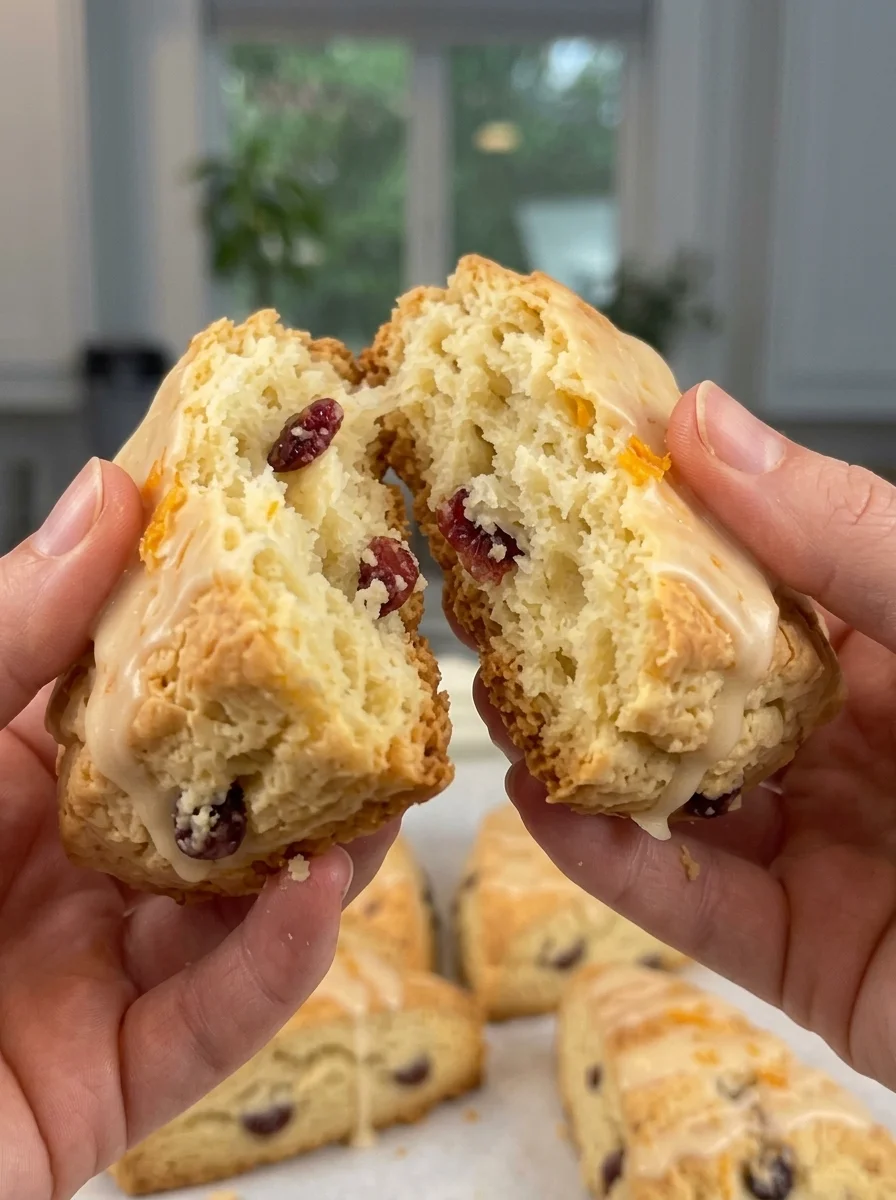
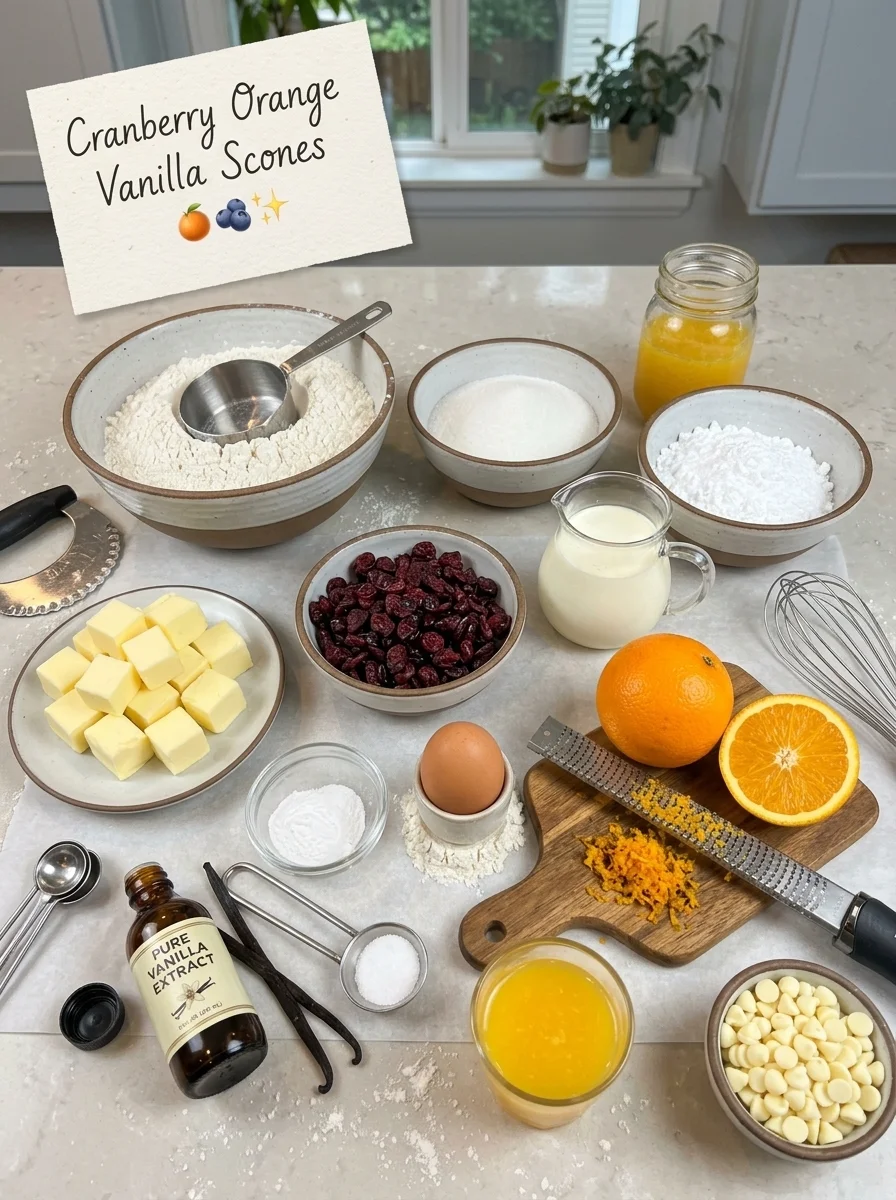
You do not need special equipment or complicated baking ingredients. All-purpose flour, butter, sugar, cream, an egg, dried cranberries, orange, and vanilla are enough to create a delicious homemade pastry.
4. A beautiful bakery-style finish
The vanilla-orange glaze adds a smooth, sweet finish that makes these scones look extra special. A little additional orange zest or a sprinkling of chopped cranberries creates an attractive finishing touch.
5. Perfect for breakfast and brunch
These scones pair wonderfully with coffee, tea, hot chocolate, or a glass of milk. They are ideal for weekend breakfasts, holiday brunches, bridal showers, baby showers, and afternoon tea gatherings.
6. Easy to customize
You can add white chocolate chips, sprinkle coarse sugar over the tops, or adjust the glaze to suit your preferences. The basic recipe is versatile enough to accommodate several delicious variations.
What Are Cranberry Orange Vanilla Scones?
Scones are traditional baked pastries that are commonly served for breakfast, brunch, or afternoon tea. They are typically made with flour, a leavening agent, butter, and a liquid such as milk or cream. Depending on the recipe, they may also contain eggs, sugar, fruit, spices, or other flavorings.
These cranberry orange vanilla scones are inspired by bakery-style sweet scones. They have a lightly crisp exterior, a soft interior, and enough sweetness to feel like a treat without becoming overly rich.
Dried cranberries are particularly convenient because they add concentrated fruit flavor without introducing excess moisture into the dough. Fresh orange zest delivers a vibrant citrus aroma, while a small amount of orange juice adds another layer of flavor.
Vanilla extract enhances the sweetness and gives the scones a rounded, almost dessert-like fragrance. The finishing glaze combines powdered sugar, cream or milk, orange juice, vanilla, and orange zest to create a smooth coating that complements the pastry.
Unlike traditional round scones, this recipe uses a simple disc of dough cut into eight wedges. This method is quick, requires little handling, and produces attractive triangular scones with plenty of surface area for glazing.
Recipe Overview
- Recipe name: Cranberry Orange Vanilla Scones
- Preparation time: 15 minutes
- Chilling time: 15 minutes
- Baking time: 18–22 minutes
- Total time: Approximately 48–52 minutes, including a short cooling and glazing period
- Yield: 8 scones
- Category: Breakfast, brunch, pastry, afternoon tea
- Cuisine: American-inspired bakery-style baking
- Cooking method: Oven-baked
- Difficulty: Easy to moderate
- Main flavors: Cranberry, orange, vanilla, and butter
Ingredients for Cranberry Orange Vanilla Scones
The following ingredients create eight tender, flavorful scones with a sweet citrus glaze.
Ingredients for the Scones
- 2 cups (250 g) all-purpose flour
- ⅓ cup (65 g) granulated sugar
- 2½ teaspoons baking powder
- ½ teaspoon salt
- 1 tablespoon fresh orange zest
- ½ cup (115 g) cold unsalted butter, cubed
- ¾ cup (90 g) dried cranberries
- ½ cup (120 ml) cold heavy cream
- 1 large egg
- 2 teaspoons vanilla extract
- 1 tablespoon fresh orange juice
Ingredients for the Vanilla Orange Glaze
- 1 cup (120 g) powdered sugar
- 2 tablespoons heavy cream or milk
- 1 tablespoon fresh orange juice
- ½ teaspoon vanilla extract
- ½ teaspoon orange zest
Optional Toppings
- Extra dried cranberries, finely chopped
- White chocolate chips
- Additional fresh orange zest
- Coarse sugar for sprinkling
These ingredients are easy to find at most grocery stores. For the best flavor, choose a fresh, fragrant orange and good-quality vanilla extract.
Ingredient Notes and Substitutions
All-purpose flour
All-purpose flour provides enough structure for the scones while keeping them tender. For the most consistent results, weigh the flour using a kitchen scale when possible. If measuring by cups, spoon the flour into the measuring cup and level it without packing it down.
Adding too much flour can make scones dry, crumbly, and dense.
Granulated sugar
Granulated sugar adds sweetness and helps the scones develop a lightly golden exterior. The quantity is moderate because the dried cranberries and glaze also contribute sweetness.
You can reduce the sugar slightly if you prefer a less-sweet pastry, although this may subtly affect browning and flavor.
Baking powder
Baking powder helps the scones rise in the oven, creating a lighter texture. Make sure yours is fresh and active. Old baking powder can produce flat, heavy scones.
Unsalted butter
Cold unsalted butter is essential for a flaky, tender texture. Cut it into small cubes before adding it to the flour mixture.
Avoid softening or melting the butter beforehand. If the kitchen is warm or the butter begins to soften while preparing the dough, refrigerate the mixture briefly before continuing.
Dried cranberries
Dried cranberries provide chewy texture and a tart, fruity flavor. Their concentrated sweetness works particularly well with orange and vanilla.
If your cranberries are especially large, chop them into smaller pieces so that they distribute more evenly throughout the dough. If they seem unusually dry or hard, you can briefly soak them in warm water, then drain and pat them thoroughly dry before using. Keep in mind that adding extra moisture to the fruit can make the dough slightly softer.
Heavy cream
Heavy cream contributes richness and tenderness. Cold cream also helps keep the butter firm while the dough comes together.
If necessary, whole milk can be used, although the resulting scones may be slightly less rich. Because milk contains less fat than heavy cream, add it gradually and stop as soon as the dough holds together.
Egg
The egg contributes structure, moisture, and richness. Use a large egg for the intended proportions.
Fresh orange zest and juice
Fresh orange zest is one of the most important ingredients in this recipe. Much of the orange’s fragrant flavor is concentrated in its outer peel.
Wash and dry the orange before zesting. Remove only the bright orange outer layer, avoiding the white pith underneath, which can taste bitter.
Fresh orange juice adds a subtle citrus flavor to the dough and glaze. Freshly squeezed juice is recommended for the brightest taste.
Vanilla extract
Pure vanilla extract adds warmth and sweetness without overpowering the fruit. It pairs particularly well with orange, cranberry, butter, and cream.
Powdered sugar
Powdered sugar dissolves easily into the glaze, producing a smooth finish. If it contains visible lumps, sift it before mixing.
How to Make Cranberry Orange Vanilla Scones
Follow these simple steps to make tender, golden cranberry orange vanilla scones at home.
Step 1: Preheat the Oven
Preheat your oven to 400°F (200°C).
Line a baking sheet with parchment paper to prevent sticking and make cleanup easier.
Gather your ingredients before beginning. Cut the butter into small cubes and return it to the refrigerator until needed. Zest the orange and measure the juice.
Preparing everything in advance makes the process easier and helps prevent the butter from becoming too warm.
Step 2: Combine the Dry Ingredients
In a large mixing bowl, whisk together the all-purpose flour, granulated sugar, baking powder, salt, and fresh orange zest.
Whisking distributes the baking powder evenly, helping the scones rise consistently.
Rub the orange zest gently into the flour mixture with your fingertips if you want to release more of its fragrant oils. This simple technique helps spread the citrus aroma throughout the dough.
Step 3: Cut in the Cold Butter
Add the cold, cubed butter to the dry ingredients.
Use a pastry cutter, two forks, or your fingertips to work the butter into the flour until the mixture resembles coarse crumbs.
You should still see a few pea-sized pieces of butter. These small pieces help create a tender texture as the scones bake.
Avoid working the butter completely into the flour until the mixture looks like fine sand. The goal is to retain small pieces rather than create a uniform paste.
Once the butter is incorporated, gently fold in the dried cranberries.
Step 4: Mix the Wet Ingredients
In a separate bowl, whisk together the cold heavy cream, egg, vanilla extract, and fresh orange juice until combined.
Pour the wet mixture into the bowl of dry ingredients.
Using a wooden spoon, spatula, or fork, stir gently until a soft dough begins to form.
The mixture may look slightly shaggy at first. This is normal. Bring it together with gentle mixing rather than trying to make it perfectly smooth.
If the dough appears too dry and refuses to hold together when pressed, add one tablespoon of cold cream at a time.
Avoid adding too much liquid. A dough that is excessively wet can spread during baking and lose its classic scone shape.
Step 5: Shape the Dough
Transfer the dough to a lightly floured work surface.
Gently bring the dough together and press it into a round disc approximately 1 inch thick.
Do not knead the dough like bread. Excessive handling develops gluten and can make the finished scones tougher.
Using a sharp knife or bench scraper, cut the disc into eight equal wedges, similar to slicing a pizza.
Carefully transfer the wedges to the prepared baking sheet, leaving space between each piece.
For an extra-golden finish, brush the tops lightly with a little heavy cream. Sprinkle with coarse sugar if desired.
Step 6: Chill the Scones
Place the shaped scones in the refrigerator for 15 minutes before baking.
This short chilling period helps firm the butter, making it less likely to melt too quickly in the oven. Keeping the dough cold can improve the scones’ shape and encourage a tender, layered texture.
Do not skip this step if your kitchen is warm or the butter has softened during preparation.
While the scones chill, make sure your oven has reached the correct temperature.
Step 7: Bake Until Golden
Transfer the chilled scones to the preheated oven.
Bake for 18–22 minutes, or until the tops are lightly golden and the centers are cooked through.
Baking time can vary depending on your oven, the thickness of the wedges, and the temperature of the dough when it enters the oven.
Begin checking around the 18-minute mark. The scones should look set rather than wet in the middle, with lightly browned edges.
Remove the baking sheet from the oven and allow the scones to rest for approximately 5 minutes.
Carefully transfer them to a wire rack and allow them to cool before adding the glaze.
Step 8: Prepare the Vanilla Orange Glaze
While the scones cool, prepare the glaze.
In a small bowl, whisk together the powdered sugar, heavy cream or milk, fresh orange juice, vanilla extract, and orange zest.
Continue whisking until the mixture is smooth and free of lumps.
The glaze should be thick enough to cling to the scones but thin enough to drizzle easily from a spoon.
If the glaze is too thick, add a few drops of milk or cream at a time. If it is too thin, gradually whisk in more powdered sugar.
For a richer glaze, use heavy cream. For a slightly lighter finish, use milk.
Step 9: Glaze and Decorate
Once the scones have cooled, drizzle the vanilla-orange glaze generously over the tops.
Finish with finely chopped dried cranberries, additional orange zest, or a light drizzle of melted white chocolate.
For a simple bakery-style presentation, keep the decoration minimal. A delicate glaze and a little fresh orange zest are often all you need.
Allow the glaze to set for 10–15 minutes before serving.
Your cranberry orange vanilla scones are now ready to enjoy with your favorite hot drink.
Expert Tips for Perfect Bakery-Style Scones
Making excellent scones is easier when you understand a few basic baking principles.
Keep the butter cold
Cold butter creates a better texture because it remains in small pieces while the dough is mixed. During baking, the butter melts and contributes to a tender crumb.
If the butter becomes soft, place the flour-and-butter mixture in the refrigerator for several minutes before adding the wet ingredients.
Avoid overmixing the dough
Mix only until the ingredients come together. The dough does not need to look completely smooth.
Overmixing can develop too much gluten, resulting in tough or chewy scones rather than soft, delicate ones.
Measure flour accurately
Too much flour is a common reason homemade scones turn out dry.
A kitchen scale is the most reliable way to measure the 250 grams of flour required for this recipe. If using measuring cups, avoid scooping directly from the flour container because this can compact the flour.
Use fresh orange zest
Orange zest provides a stronger citrus aroma than juice alone. The zest also contributes flavor without adding much moisture to the dough.
Use a fine grater or microplane for delicate pieces that blend evenly into the flour.
Do not skip chilling
Chilling the shaped scones for 15 minutes helps firm the butter before baking.
This is especially helpful when working in a warm kitchen or when the dough has been handled for several minutes.
Avoid adding too much extra flour
A slightly soft, shaggy dough is preferable to a stiff dough. Use only enough flour on the work surface to prevent sticking.
Excess flour can make the final scones dense and dry.
Let the scones cool before glazing
If the scones are still hot, the glaze may melt and run off the surface.
Cooling them on a wire rack allows excess heat to escape and helps the glaze maintain its shape.
Delicious Variations to Try
One of the best things about this cranberry orange vanilla scones recipe is how easy it is to customize.
White Chocolate Cranberry Orange Scones
For a sweeter, more indulgent variation, fold ½ cup of white chocolate chips into the dough along with the dried cranberries.
White chocolate adds creamy sweetness that contrasts beautifully with the tart fruit and fresh citrus.
You can also drizzle melted white chocolate over the glazed scones for an elegant bakery-style finish.
Cranberry Orange Almond Scones
Add ¼ teaspoon of almond extract to the wet ingredients and sprinkle sliced almonds over the tops before baking.
Almond and orange create a fragrant combination, while the nuts provide a pleasant crunch.
Use almond extract sparingly because its flavor can quickly overpower the vanilla and citrus.
Extra-Orange Scones
If you love bright citrus flavor, increase the orange zest in the dough slightly, taking care not to add too much of the bitter white pith.
You can also make the glaze more orange-forward by adding a little extra zest.
Keep additional orange juice to a minimum so that the dough does not become too wet.
Lemon Cranberry Vanilla Scones
Replace the orange zest and juice with lemon zest and lemon juice for a brighter, tangier variation.
The lemon provides a refreshing contrast to the sweet cranberries and vanilla glaze.
Mini Cranberry Orange Scones
Instead of shaping one disc and cutting it into eight wedges, divide the dough into two smaller discs and cut each into eight smaller wedges.
This produces 16 mini scones. They may bake more quickly than the standard-size version, so begin checking them early and remove them once the centers are cooked through and the edges are lightly golden.
Coarse Sugar-Topped Scones
For a lightly crunchy exterior, brush the tops with cream and sprinkle them with coarse sugar before baking.
The sugar adds a subtle crunch and gives the scones a professional-looking finish, even without glaze.
Fresh Cranberry Scones
Fresh cranberries can be used instead of dried cranberries, but they introduce more moisture and a sharper flavor.
Chop them into smaller pieces and use them cautiously, as the dough may need slight adjustments. Avoid adding extra liquid until you have assessed the consistency of the dough.
Dried cranberries remain the easiest option for achieving the intended texture and flavor.
What to Serve with Cranberry Orange Vanilla Scones
These scones are delicious on their own, but pairing them with a warm beverage or a few simple accompaniments can make breakfast or afternoon tea feel extra special.
Coffee: A freshly brewed cup of coffee balances the buttery texture and sweet orange glaze.
Black tea: English breakfast tea or Earl Grey complements the citrus notes and makes an excellent afternoon tea pairing.
Green tea: A delicate green tea offers a lighter option that allows the cranberry and orange flavors to stand out.
Hot chocolate: Creamy hot chocolate makes the scones feel like a cozy dessert, especially during colder months.
Fresh fruit: Orange segments, strawberries, blueberries, or sliced pears add freshness and color to a brunch plate.
Yogurt: Plain or lightly sweetened yogurt offers a creamy accompaniment that balances the sweetness of the pastry.
Softened butter: If you prefer less glaze, serve the scones warm with a small amount of butter.
These cranberry orange vanilla scones also pair well with a breakfast spread featuring scrambled eggs, fresh fruit, and your favorite hot drinks.
How to Store Cranberry Orange Vanilla Scones
Proper storage helps preserve the texture and flavor of homemade scones.
At room temperature
Store completely cooled scones in an airtight container at room temperature for up to 2 days.
If you have already added the glaze, allow it to set before stacking or storing the scones. Place parchment paper between layers if necessary to prevent sticking.
Keep the container away from direct sunlight and sources of heat.
In the refrigerator
Refrigeration is generally unnecessary for these scones if they will be eaten within the recommended room-temperature storage period and are kept in a cool environment.
If your kitchen is unusually hot or you need to store them longer, refrigeration can help, although it may cause the scones to become firmer.
Allow refrigerated scones to come closer to room temperature before serving, or warm them briefly to improve their texture.
In the freezer
For longer storage, freeze the baked scones without glaze whenever possible.
Allow them to cool completely, then wrap them individually or place them in a freezer-safe container with parchment paper between layers.
Freeze for up to approximately 2–3 months for the best quality.
Thaw at room temperature and warm gently in a low oven if desired. Once the scones have cooled slightly, add freshly prepared glaze.
Can you freeze the unbaked scones?
Yes. Shape the dough, cut it into wedges, and arrange the pieces on a lined tray. Freeze until firm, then transfer the frozen wedges to a freezer-safe container.
Bake from frozen, adding a few extra minutes as needed. Check that the centers are fully baked before removing them from the oven.
This method is particularly convenient when you want freshly baked scones without preparing the dough from scratch on the day you plan to serve them.
How to Reheat Scones
For the best texture, reheat scones gently rather than microwaving them for too long.
Oven method: Place the scones in a preheated oven at approximately 300°F (150°C) for 5–8 minutes, checking that they warm through without becoming too dry.
Microwave method: Warm an individual scone for about 10–15 seconds, then check its temperature. Add a few seconds if needed.
The microwave is faster, but it may soften the exterior and can make the scone feel firmer as it cools.
If the scones are already glazed, use gentle heat to avoid melting the glaze excessively.
Common Mistakes to Avoid
Using warm butter
Warm butter blends too thoroughly into the flour, which can reduce the light, tender texture associated with good scones.
Always begin with cold butter and chill the dough if necessary.
Adding too much liquid
A dough that is overly wet may spread during baking, creating flatter scones.
Add any extra cream gradually, using only enough to bring the dough together.
Kneading the dough
Scone dough should be handled gently. Kneading develops gluten and may create a tougher texture.
Press the dough into shape instead of repeatedly working it with your hands.
Baking at the wrong temperature
An oven that is too cool may allow the butter to melt before the scones rise properly. An oven that is too hot can brown the exterior before the centers are fully baked.
Use the recommended temperature of 400°F (200°C) and check the scones toward the beginning of the suggested baking window.
Glazing the scones while hot
Hot scones cause the glaze to thin and slide off.
Let them cool on a wire rack before decorating.
Using too much glaze liquid
A glaze that contains too much milk or orange juice can become watery and soak into the scones.
Add liquid gradually until you reach a thick but pourable consistency.
Frequently Asked Questions
Can I make cranberry orange vanilla scones ahead of time?
Yes. You can prepare and shape the scones a day in advance, cover them, and refrigerate them before baking. Bake them the following day, checking for doneness and allowing for any slight differences in baking time.
You can also freeze the unbaked wedges for convenient future baking.
Why are my cranberry orange scones dry?
Dry scones are often caused by too much flour, insufficient liquid, overmixing, or overbaking.
Measure the flour carefully, add cream gradually until the dough holds together, and remove the scones once their centers are cooked through.
Why didn’t my scones rise?
Possible reasons include old baking powder, warm butter, excessive handling, or an oven that has not reached the correct temperature.
Check that your baking powder is fresh, keep the dough cold, and avoid kneading it.
Can I use milk instead of heavy cream?
Yes. Whole milk can replace the heavy cream, although the scones may have a slightly less rich texture.
Add milk gradually because its lower fat content and different consistency can affect the dough.
Can I make these scones without eggs?
The egg contributes moisture, richness, and structure, so omitting it may change the texture.
You can experiment with a suitable egg substitute intended for baking, but the final result may be somewhat different from the original recipe. Adjust the liquid carefully and avoid making the dough too wet.
Can I make the glaze without cream?
Yes. Milk can replace heavy cream in the glaze. You can also experiment with a small amount of orange juice and powdered sugar, adding liquid gradually until the glaze reaches the desired consistency.
How do I know when the scones are fully baked?
The tops should be lightly golden, the edges should look set, and the centers should no longer appear wet or doughy.
Because oven temperatures vary, begin checking at 18 minutes and continue baking as needed, up to approximately 22 minutes.
Can I use bottled orange juice?
Yes, bottled orange juice can be used if fresh juice is unavailable. However, fresh orange juice and freshly grated zest generally provide a brighter, more fragrant citrus flavor.
Fresh zest is particularly valuable because it contains the aromatic oils that give these scones their characteristic orange fragrance.
Can I add white chocolate chips?
Absolutely. Fold ½ cup of white chocolate chips into the dough along with the cranberries.
The creamy sweetness of white chocolate pairs especially well with tart cranberries, vanilla, and orange.
Are these scones very sweet?
The dough has a moderate amount of sugar, while the glaze adds extra sweetness. The tart cranberries and fresh orange help balance the overall flavor.
For a less-sweet result, reduce the glaze or serve the scones without it.
What is the best way to serve these scones?
Serve them at room temperature or slightly warm, accompanied by coffee, tea, or another favorite beverage.
They are excellent for breakfast, brunch, afternoon tea, holiday gatherings, or a homemade pastry platter.
Can I make smaller scones?
Yes. Divide the dough into smaller portions and cut additional wedges. Reduce the baking time as needed, checking the centers frequently to prevent overbaking.
Do I need to glaze the scones?
No. The glaze is optional, although it adds sweetness and a beautiful finish. If you prefer a simpler pastry, brush the tops with cream, sprinkle with coarse sugar, and bake as directed.
Nutrition Information
The exact nutritional values depend on the ingredients used, the amount of glaze applied, and the size of each serving.
For a more accurate estimate, calculate the nutrition using the specific brands and quantities in your kitchen.
As a general guide, each scone contains carbohydrates from flour and sugar, fat from butter and cream, and smaller amounts of protein from the flour, egg, and dairy ingredients. Dried cranberries contribute additional carbohydrates and fruit flavor.
For a lighter serving, consider using less glaze or making mini scones.
Final Thoughts: The Best Cranberry Orange Vanilla Scones
These Cranberry Orange Vanilla Scones combine everything that makes homemade baking so enjoyable: simple ingredients, an inviting aroma, a tender buttery texture, and a beautiful balance of sweet and tart flavors.
The dried cranberries add chewy bursts of fruit, fresh orange zest brings a bright citrus fragrance, and vanilla creates a warm, comforting sweetness. A delicate vanilla-orange glaze ties all the flavors together, giving each scone a lovely bakery-style finish.
With cold butter, gentle mixing, and a short chilling period, you can create golden scones that are tender in the middle and lightly crisp around the edges.
Serve them with coffee on a quiet morning, arrange them on a brunch table, or share them with friends over afternoon tea. You can even prepare a batch ahead of time and freeze individual scones for a convenient homemade treat whenever the craving strikes.
Whether you enjoy the classic version or experiment with white chocolate, almonds, or extra citrus zest, this cranberry orange vanilla scones recipe is a delicious addition to your baking collection.
Bake a batch, drizzle on the fragrant glaze, and enjoy every buttery, fruity bite! 🍊🫐🤍✨
SEO Details
SEO title: Cranberry Orange Vanilla Scones Recipe – Easy & Buttery
Meta description: Make these cranberry orange vanilla scones with dried cranberries, fresh orange zest, and sweet vanilla glaze. An easy bakery-style breakfast treat!
Suggested URL slug: cranberry-orange-vanilla-scones
Primary keyword: Cranberry Orange Vanilla Scones
Secondary keywords:
- Cranberry orange scones recipe
- Vanilla orange scones
- Easy homemade scones
- Bakery-style cranberry scones
- Orange cranberry breakfast pastries
- Cranberry scones with glaze
- Buttery orange scones
- Cranberry orange brunch recipe
- Homemade vanilla scones
- Sweet cranberry orange pastries
Suggested image alt text: Golden cranberry orange vanilla scones topped with a sweet vanilla-orange glaze and fresh orange zest.
Suggested image filename: cranberry-orange-vanilla-scones.jpg
Suggested internal links:
- Easy homemade blueberry scones
- Classic vanilla scones
- Lemon cranberry muffins
- Orange breakfast muffins
- Homemade white chocolate cranberry cookies
- Easy brunch recipes
- Homemade pastries for afternoon tea
Recipe card summary: These cranberry orange vanilla scones are tender, buttery, and filled with tart dried cranberries and fresh orange zest. Finished with a smooth vanilla-orange glaze, they make a delicious breakfast, brunch, or afternoon tea treat.
Recipe card keywords: cranberry orange vanilla scones, cranberry orange scones, vanilla orange glaze, easy scone recipe, homemade breakfast pastries
Recommended category: Breakfast and Brunch
Recommended tags: Scones, Cranberry Recipes, Orange Recipes, Vanilla Recipes, Breakfast Pastries, Brunch Recipes, Easy Baking, Afternoon Tea