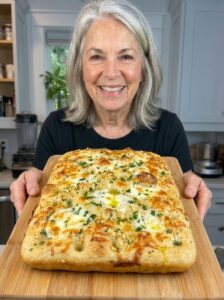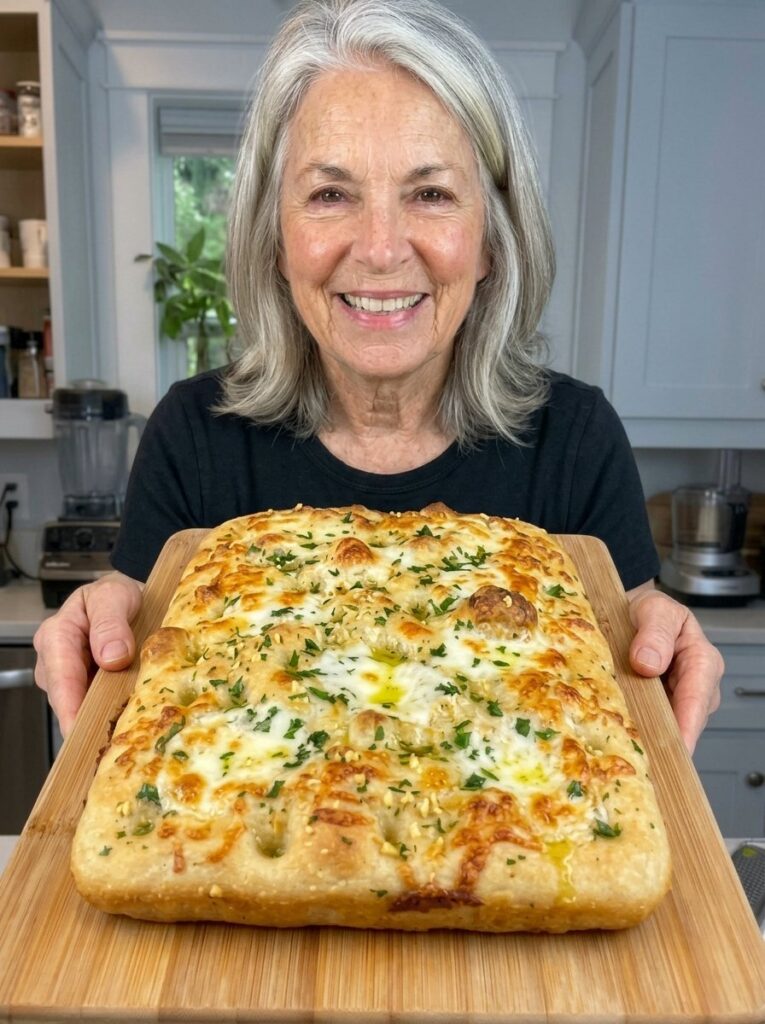
There are few things in the kitchen as satisfying as pulling a pan of golden, bubbling garlic cheese focaccia bread out of the oven. The aroma of garlic butter fills the house, the cheese stretches with every bite, and the crust crackles softly under your knife. If you have ever wanted to bake bread at home but felt intimidated, this recipe is the perfect place to start.
This garlic cheese focaccia combines fluffy homemade bread, savory garlic butter, and gooey melted cheese in one irresistible pan. It has a beautifully golden, olive-oil-infused crust and a soft, airy center. Fresh herbs add a fragrant finishing touch, which makes it a delicious addition to almost any meal.
In this guide, you will find the full ingredient list, a detailed step-by-step method, expert tips for the best texture, serving ideas, storage and reheating instructions, and answers to the most common questions about focaccia.
What Is Focaccia, and Why Is It So Popular?
Focaccia is a flat, oven-baked Italian bread known for its dimpled surface, generous olive oil, and tender crumb. Unlike a sandwich loaf or a crusty baguette, focaccia is made from a very soft, wet dough that bakes into a bread that is both airy and slightly crisp on the bottom and edges.
Part of its appeal is its versatility. Focaccia can be topped with rosemary and sea salt, cherry tomatoes and olives, caramelized onions, or, as in this recipe, garlic butter and a trio of cheeses. It works as a side, a snack, an appetizer, or even the base of a sandwich.
It is also beginner-friendly. Focaccia does not require shaping, scoring, or any special equipment. You mix the dough, let it rise, stretch it into a pan, and bake. The wet dough does most of the work for you.
Why You Will Love This Garlic Cheese Focaccia Bread
- Incredible flavor: Garlic butter soaks into deep dimples while three cheeses melt and brown on top.
- Perfect texture: A soft, airy interior meets a golden, lightly crisp crust.
- Beginner-friendly: No complicated shaping or special tools. A bowl, a spoon, and a 9 × 13-inch pan are enough.
- Make-ahead option: The dough can rest in the refrigerator overnight for even more flavor.
- Crowd-pleasing: It disappears quickly at family dinners, potlucks, and parties.
- Freezer-friendly: Leftover squares freeze and reheat beautifully.
Ingredients for Garlic Cheese Focaccia
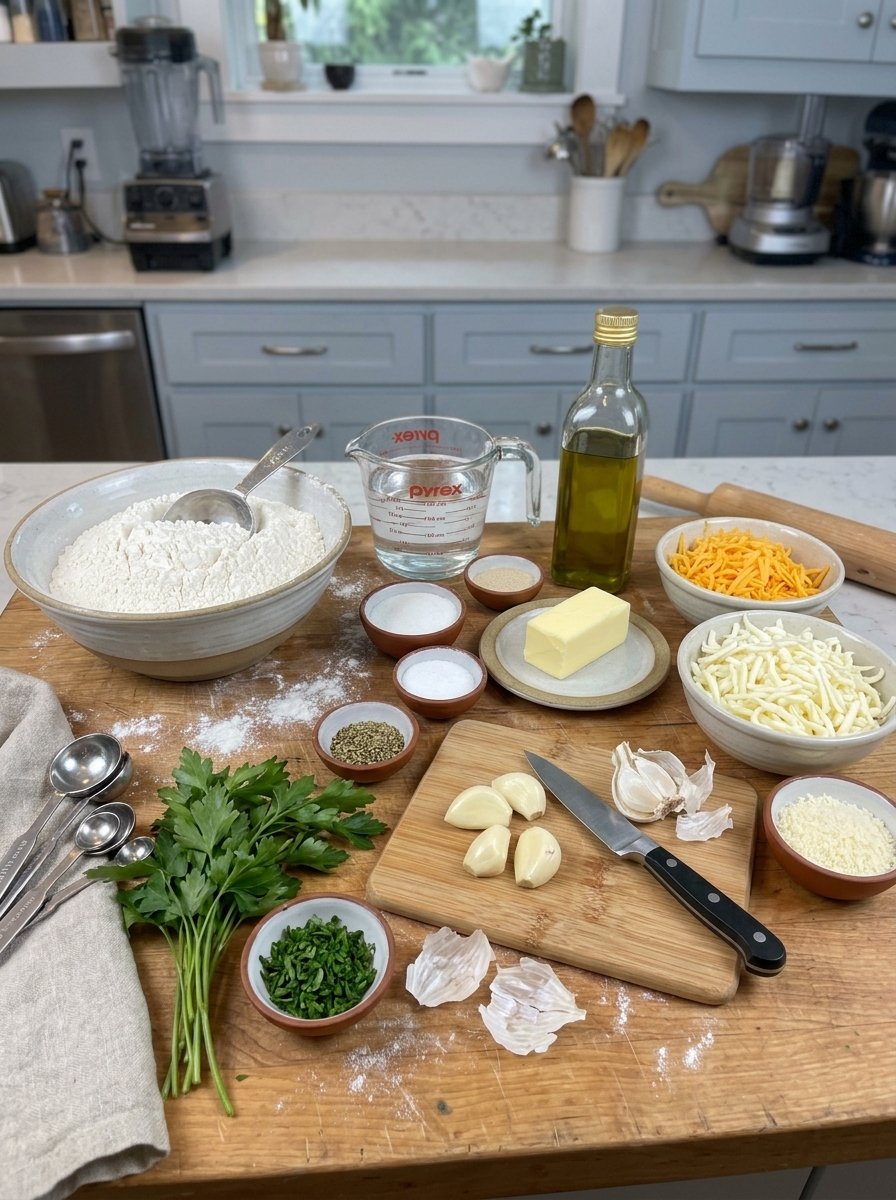
The ingredient list is short and made up of pantry staples. Here is everything you need, divided by component.
For the Focaccia Dough
- 4 cups (500 g) bread flour or all-purpose flour
- 1¾ cups (420 ml) lukewarm water
- 2¼ teaspoons (7 g) instant yeast
- 2 teaspoons salt
- 1 tablespoon olive oil, plus extra for the pan and topping
- 1 teaspoon sugar or honey
For the Garlic Butter
- 4 tablespoons (56 g) unsalted butter, melted
- 4 garlic cloves, finely minced
- 1 tablespoon chopped fresh parsley
- ½ teaspoon dried oregano
- Pinch of salt, to taste
For the Cheese Topping
- 1½ cups (150 g) shredded mozzarella cheese
- ½ cup (50 g) shredded cheddar cheese
- 2 tablespoons grated Parmesan cheese
- 1 teaspoon Italian seasoning (optional)
A Quick Note on Ingredients
Flour: Bread flour has a higher protein content, which gives focaccia a chewier, more structured crumb. All-purpose flour works well too and produces a slightly softer bread. Either option is a good choice.
Yeast: This recipe uses instant yeast, which can be mixed directly into the water. If you only have active dry yeast, let it sit in the lukewarm water for about five minutes until foamy before continuing.
Water temperature: Aim for lukewarm, not hot. Water that is too hot can damage the yeast and prevent the dough from rising properly.
Cheese: Mozzarella provides the stretch, cheddar adds sharpness and color, and Parmesan brings a salty, nutty finish. Shredding your own cheese from a block usually melts more smoothly than pre-shredded cheese.
How to Make Garlic Cheese Focaccia Bread (Step by Step)
Step 1: Mix the Dough
In a large mixing bowl, combine the lukewarm water, instant yeast, and sugar or honey. Stir briefly to distribute the yeast. Add the flour, salt, and 1 tablespoon of olive oil. Mix with a wooden spoon or spatula until a soft, sticky dough forms and no large patches of dry flour remain.
The dough should feel moist and slightly elastic. Resist the urge to add lots of extra flour. A wetter dough is the secret to the light, airy texture that makes focaccia so delicious.
Step 2: Knead and Develop the Dough
Knead the dough for about 5 to 7 minutes using a stand mixer fitted with a dough hook on low speed, or use a stretch-and-fold technique by hand. Because focaccia dough is naturally sticky, you do not need to make it completely dry or firm. If you are working by hand, lightly wet your fingers to make handling easier.
Over time the dough will become smoother and more elastic while still remaining soft.
Step 3: Let the Dough Rise
Lightly oil a large bowl and transfer the dough into it. Turn the dough once to coat it with oil, then cover the bowl with plastic wrap or a clean kitchen towel. Let it rise in a warm, draft-free place for approximately 1 to 1½ hours, or until it has roughly doubled in size.
For extra flavor, you can refrigerate the covered dough overnight after mixing it. The following day, allow it to warm slightly before moving it to the pan and continuing with the recipe. This slow, cold fermentation develops a deeper, more complex flavor.
Step 4: Prepare the Baking Pan
Generously drizzle olive oil into a 9 × 13-inch baking pan, making sure the bottom and corners are well coated. Gently transfer the risen dough into the pan. Use oiled fingertips to stretch it toward the edges without forcing it.
If the dough springs back, cover it and let it rest for 10 to 15 minutes before gently stretching it again. Resting allows the gluten to relax, which makes shaping much easier.
Step 5: Allow the Second Rise
Cover the pan loosely and let the dough rise for another 30 to 45 minutes, or until it looks puffy and fills most of the pan. During this time, preheat your oven to 425°F (220°C) so it is fully heated when the focaccia is ready to bake.
The dough should look airy, with small bubbles visible beneath the surface.
Step 6: Make the Garlic Butter
In a small bowl, combine the melted butter, minced garlic, chopped parsley, dried oregano, and a pinch of salt. Stir until everything is evenly distributed.
For a milder garlic flavor, gently warm the garlic in the melted butter for about 30 seconds, taking care not to brown it. Set aside a small amount of the garlic butter for brushing over the bread after baking if you want an extra flavorful finish.
Step 7: Dimple the Dough and Add the Garlic Butter
Drizzle a little olive oil over the risen dough. Using oiled fingertips, gently press deep dimples across the entire surface, pushing your fingers into the dough without tearing it. Spoon or brush most of the garlic butter evenly over the top, allowing some to settle into the dimples.
These little pockets distribute the garlic flavor throughout the focaccia and give the bread its classic appearance.
Step 8: Add the Cheese Topping
Sprinkle the shredded mozzarella and cheddar evenly over the garlic-buttered dough. Finish with grated Parmesan and the optional Italian seasoning. Spread the cheese across the surface while leaving a few small areas exposed so the golden focaccia crust can peek through.
For a stronger garlic flavor, you can add a little extra minced garlic to the topping, but distribute it evenly so it does not burn.
Step 9: Bake Until Golden and Bubbly
Place the pan on the center rack of the preheated oven. Bake for approximately 22 to 28 minutes, or until the focaccia has risen, the cheese is melted and bubbling, and the edges are golden brown.
Check the bread toward the end of baking. If the cheese becomes deeply browned before the center is cooked, loosely cover the pan with foil and continue baking until done. The bottom should be golden and set, while the interior remains soft and airy.
Step 10: Finish With Garlic Butter and Fresh Herbs
Remove the focaccia from the oven and let it rest in the pan for about 5 to 10 minutes. Brush the surface lightly with the reserved garlic butter, if desired, and sprinkle with additional fresh parsley. Carefully transfer the focaccia to a cutting board, slice it into squares, and serve while warm.
Recipe Details at a Glance
- Prep time: 25 minutes
- First rise: 1 to 1½ hours
- Second rise: 30 to 45 minutes
- Bake time: 22 to 28 minutes
- Cooling time: 5 to 10 minutes
- Total time: Approximately 2 hours 25 minutes to 3 hours
- Yield: 1 large 9 × 13-inch focaccia, approximately 12 squares
- Difficulty: Easy to intermediate
- Cooking method: Oven-baked
Tips for the Best Garlic Cheese Focaccia Bread
A few simple habits make the difference between good focaccia and unforgettable focaccia.
1. Use a high-hydration dough. Focaccia dough should be soft, sticky, and wetter than traditional bread dough. That moisture creates the signature airy texture and open crumb.
2. Grease the pan generously. Olive oil prevents sticking and creates a golden, slightly crisp bottom crust. This is not the place to be shy with oil.
3. Allow enough rising time. Let the dough become puffy before baking so the interior turns out light and tender. Rushing the rise is the most common cause of dense focaccia.
4. Use freshly minced garlic. Fresh garlic gives the butter topping a stronger, more aromatic flavor than jarred garlic or garlic powder.
5. Add the cheese at the right time. Sprinkle the cheese over the focaccia before baking so it melts into the surface and develops golden spots.
6. Avoid pressing out all the air. Handle the dough gently when transferring it to the pan so the bubbles that formed during rising are preserved.
7. Create deep dimples. Pressing your fingertips firmly into the dough creates the classic focaccia texture and gives the olive oil, garlic butter, and melted cheese places to pool.
8. Watch the cheese closely. If the top browns too quickly before the bread is cooked through, loosely cover it with foil during the final minutes.
Common Focaccia Problems and How to Fix Them
My focaccia is dense. The dough probably did not rise long enough, or the yeast was old or exposed to water that was too hot. Make sure the dough doubles during the first rise and looks puffy before baking.
The dough is too sticky to handle. Sticky is normal for focaccia. Wet your hands or oil your fingertips rather than adding a lot of flour. Too much flour will make the bread dry and heavy.
The dough keeps shrinking back when I stretch it. The gluten is tense. Cover the dough, let it rest for 10 to 15 minutes, and try again.
The cheese is burning before the bread is done. Loosely tent the pan with foil for the last several minutes of baking, and make sure the pan sits on the center rack rather than the top.
The garlic tastes bitter. Garlic that browns too much turns bitter. Spread minced garlic evenly and avoid piling it in thick clumps on the surface.
The bottom is pale. Use more olive oil in the pan and make sure your oven is fully preheated. A metal pan generally browns the bottom better than glass.
Delicious Variations to Try
Once you master the base recipe, it is easy to make it your own:
- Rosemary and sea salt: Skip the cheese and top with fresh rosemary and flaky salt for a classic version.
- Tomato and basil: Add halved cherry tomatoes and fresh basil before baking for a margherita-style focaccia.
- Spicy kick: Sprinkle red pepper flakes over the garlic butter or swap the cheddar for pepper jack.
- Roasted garlic: Replace some of the fresh garlic with soft roasted garlic cloves for a sweeter, mellow flavor.
- Everything topping: Add everything bagel seasoning along with the Parmesan for a crunchy finish.
- Olive and feta: Press olives into the dimples and top with feta instead of cheddar.
What to Serve With Garlic Cheese Focaccia
This bread is flexible enough to complement nearly any meal.
- Pasta night: Serve warm squares alongside spaghetti, lasagna, baked ziti, or creamy Alfredo pasta.
- Soup companion: Pair with tomato soup, minestrone, creamy mushroom soup, or a hearty vegetable stew.
- Fresh salad: Serve alongside a crisp Mediterranean salad with tomatoes, cucumber, olives, and feta.
- Appetizer platter: Cut into small squares and arrange with olives, cheese, roasted peppers, and dips.
- Marinara dip: Serve with warm marinara sauce for an easy, cheesy appetizer.
- Sandwich base: Slice a square horizontally and fill with grilled vegetables, chicken, or deli meats.
- Extra cheesy snack: Sprinkle with a little Parmesan and warm briefly in the oven before serving.
- Family dinner side: Add it to a table of roasted vegetables, grilled chicken, or your favorite comfort-food dishes.
How to Store Garlic Cheese Focaccia
Refrigerator: Let the focaccia cool completely, then store it in an airtight container in the refrigerator for up to 3 to 4 days.
Freezer: Cut the cooled focaccia into individual squares and freeze in a freezer-safe container or bag for up to 2 months. Freezing in single portions makes it easy to grab just what you need.
How to Reheat Focaccia
- Oven (best method): Warm refrigerated pieces in a 350°F (175°C) oven for about 5 to 8 minutes, until the bread is soft and the cheese is melted.
- From frozen: Thaw in the refrigerator or reheat directly from frozen in the oven, allowing additional time.
- Air fryer: Reheat individual pieces at approximately 320°F (160°C) for 3 to 5 minutes, checking frequently so the cheese does not overbrown.
- Best texture: Reheat in the oven rather than the microwave whenever possible. The oven helps restore the lightly crisp edges that the microwave tends to soften.
Make-Ahead Strategy for Busy Days
If you want fresh focaccia without the time pressure, plan ahead. Mix the dough the day before, cover it, and refrigerate it overnight. The next day, let it come up to a cooler room temperature, stretch it into the oiled pan, give it a short second rise, and finish with the toppings. You get deeper flavor and a much shorter active time on the day you serve it.
You can also bake the focaccia completely, cool it, and freeze it in squares. Reheat a few pieces whenever you need a quick side dish or snack.
Frequently Asked Questions
Can I use all-purpose flour instead of bread flour?
Yes. All-purpose flour works well and produces a slightly softer crumb. Bread flour gives a chewier, more structured texture. Both make delicious focaccia.
Do I need a stand mixer to make focaccia?
No. A wooden spoon and a stretch-and-fold technique are enough. A stand mixer with a dough hook simply speeds up the process.
Can I make garlic cheese focaccia without yeast?
Traditional focaccia relies on yeast for its airy texture and flavor. A yeast-free dough will have a different, denser result, so this recipe is best made with yeast.
Why is my dough so sticky?
Focaccia dough is meant to be sticky because of its high hydration. That stickiness is what produces the light, open crumb. Use wet or oiled hands instead of adding extra flour.
How do I know when the dough has risen enough?
The dough should look puffy and roughly doubled in size after the first rise, with small bubbles visible after the second rise. Lightly poking it should leave a slow-recovering indentation.
Can I use a different pan size?
A 9 × 13-inch pan is ideal for this recipe. A smaller pan will give you a thicker focaccia that needs a few extra minutes of baking, while a larger pan will make a thinner, crispier bread.
Can I prepare the dough ahead of time?
Yes. Refrigerate the covered dough overnight after mixing, then let it warm slightly before transferring it to the pan. The result is a more flavorful focaccia.
Can I use dried garlic instead of fresh?
Fresh garlic is strongly recommended for the best aroma and flavor. Dried garlic will not give the same punch.
How many servings does this recipe make?
The recipe makes one large focaccia in a 9 × 13-inch pan, which cuts into about 12 squares.
What is the best cheese for focaccia?
A mix of mozzarella, cheddar, and Parmesan gives the best balance of stretch, sharpness, and savory depth. You can experiment with provolone, fontina, or Gruyère as well.
Final Thoughts
Garlic cheese focaccia bread proves that homemade bread does not have to be complicated to be spectacular. With simple ingredients, a sticky dough, and a little patience during the rise, you end up with a pan of soft, airy bread topped with fragrant garlic butter and golden, bubbling cheese.
Serve it warm with pasta, soup, or a fresh salad, cut it into squares for an easy appetizer, or enjoy it on its own as a cheesy snack straight from the oven. Make an extra pan, because it will not last long.
Print
Garlic Cheese Focaccia Bread
Ingredients
The ingredient list is short and made up of pantry staples. Here is everything you need, divided by component.
For the Focaccia Dough
- 4 cups (500 g) bread flour or all-purpose flour
- 1¾ cups (420 ml) lukewarm water
- 2¼ teaspoons (7 g) instant yeast
- 2 teaspoons salt
- 1 tablespoon olive oil, plus extra for the pan and topping
- 1 teaspoon sugar or honey
For the Garlic Butter
- 4 tablespoons (56 g) unsalted butter, melted
- 4 garlic cloves, finely minced
- 1 tablespoon chopped fresh parsley
- ½ teaspoon dried oregano
- Pinch of salt, to taste
For the Cheese Topping
- 1½ cups (150 g) shredded mozzarella cheese
- ½ cup (50 g) shredded cheddar cheese
- 2 tablespoons grated Parmesan cheese
- 1 teaspoon Italian seasoning (optional)
Instructions
In a large mixing bowl, combine the lukewarm water, instant yeast, and sugar or honey. Stir briefly to distribute the yeast. Add the flour, salt, and 1 tablespoon of olive oil. Mix with a wooden spoon or spatula until a soft, sticky dough forms and no large patches of dry flour remain.
The dough should feel moist and slightly elastic. Resist the urge to add lots of extra flour. A wetter dough is the secret to the light, airy texture that makes focaccia so delicious.
Knead the dough for about 5 to 7 minutes using a stand mixer fitted with a dough hook on low speed, or use a stretch-and-fold technique by hand. Because focaccia dough is naturally sticky, you do not need to make it completely dry or firm. If you are working by hand, lightly wet your fingers to make handling easier.
Over time the dough will become smoother and more elastic while still remaining soft.
Lightly oil a large bowl and transfer the dough into it. Turn the dough once to coat it with oil, then cover the bowl with plastic wrap or a clean kitchen towel. Let it rise in a warm, draft-free place for approximately 1 to 1½ hours, or until it has roughly doubled in size.
For extra flavor, you can refrigerate the covered dough overnight after mixing it. The following day, allow it to warm slightly before moving it to the pan and continuing with the recipe. This slow, cold fermentation develops a deeper, more complex flavor.
Generously drizzle olive oil into a 9 × 13-inch baking pan, making sure the bottom and corners are well coated. Gently transfer the risen dough into the pan. Use oiled fingertips to stretch it toward the edges without forcing it.
If the dough springs back, cover it and let it rest for 10 to 15 minutes before gently stretching it again. Resting allows the gluten to relax, which makes shaping much easier.
Cover the pan loosely and let the dough rise for another 30 to 45 minutes, or until it looks puffy and fills most of the pan. During this time, preheat your oven to 425°F (220°C) so it is fully heated when the focaccia is ready to bake.
The dough should look airy, with small bubbles visible beneath the surface.
In a small bowl, combine the melted butter, minced garlic, chopped parsley, dried oregano, and a pinch of salt. Stir until everything is evenly distributed.
For a milder garlic flavor, gently warm the garlic in the melted butter for about 30 seconds, taking care not to brown it. Set aside a small amount of the garlic butter for brushing over the bread after baking if you want an extra flavorful finish.
Drizzle a little olive oil over the risen dough. Using oiled fingertips, gently press deep dimples across the entire surface, pushing your fingers into the dough without tearing it. Spoon or brush most of the garlic butter evenly over the top, allowing some to settle into the dimples.
These little pockets distribute the garlic flavor throughout the focaccia and give the bread its classic appearance.
Sprinkle the shredded mozzarella and cheddar evenly over the garlic-buttered dough. Finish with grated Parmesan and the optional Italian seasoning. Spread the cheese across the surface while leaving a few small areas exposed so the golden focaccia crust can peek through.
For a stronger garlic flavor, you can add a little extra minced garlic to the topping, but distribute it evenly so it does not burn.
Place the pan on the center rack of the preheated oven. Bake for approximately 22 to 28 minutes, or until the focaccia has risen, the cheese is melted and bubbling, and the edges are golden brown.
Check the bread toward the end of baking. If the cheese becomes deeply browned before the center is cooked, loosely cover the pan with foil and continue baking until done. The bottom should be golden and set, while the interior remains soft and airy.
Remove the focaccia from the oven and let it rest in the pan for about 5 to 10 minutes. Brush the surface lightly with the reserved garlic butter, if desired, and sprinkle with additional fresh parsley. Carefully transfer the focaccia to a cutting board, slice it into squares, and serve while warm.