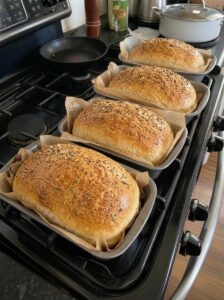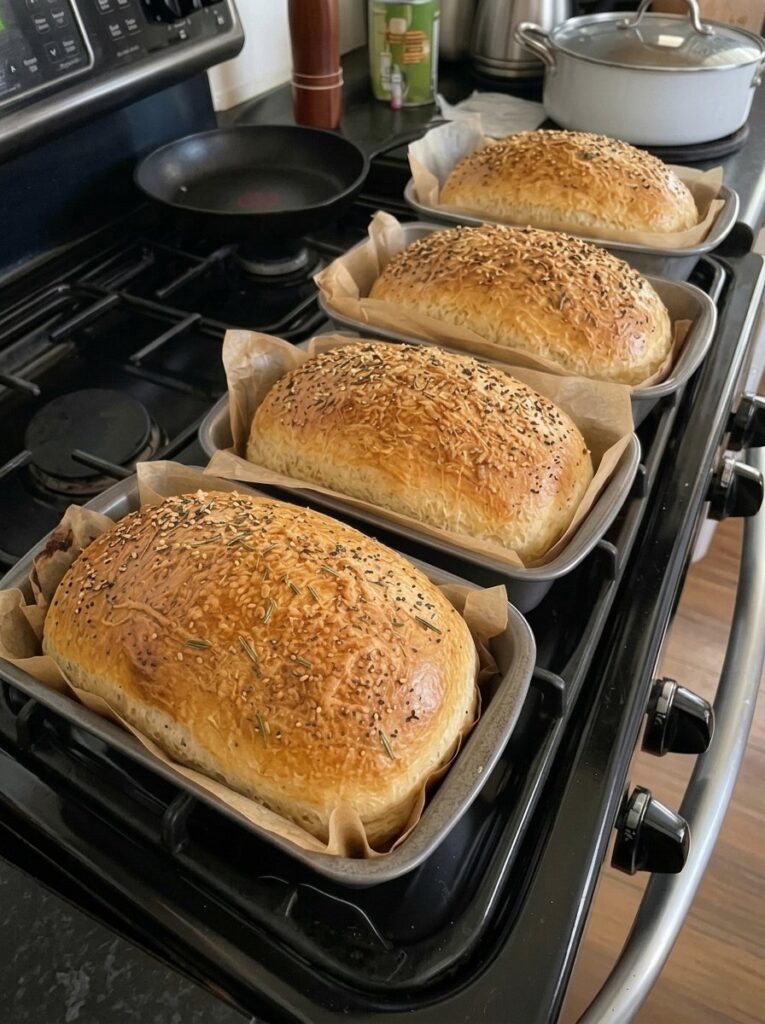
There are few kitchen smells as inviting as fresh rosemary and garlic meeting a hot oven. Within minutes, the whole house smells like a bakery, and everyone starts wandering into the kitchen to ask how long until it is ready. This high-protein cottage cheese rosemary garlic bagel bread delivers exactly that experience, without the hours of proofing, the kneading, or the boiling water bath that traditional bagels require.
It is a simple, batter-style loaf built on creamy cottage cheese, eggs, and a handful of pantry staples. The result is a golden crust, a soft and tender crumb, and the bold savory flavor of an everything-style bagel, in a form you can slice, toast, and stack with your favorite toppings. If you have been searching for an easy homemade bread that feels a little more satisfying than the usual, this recipe deserves a spot in your rotation.
In this guide you will find the full ingredient list, clear step-by-step instructions, ingredient notes, troubleshooting help, flavor variations, serving ideas, storage tips, and answers to the most common questions about baking with cottage cheese.
Table of Contents
- What Is Cottage Cheese Rosemary Garlic Bagel Bread?
- Why You Will Love This Recipe
- Ingredients You Will Need
- Ingredient Notes and Substitutions
- Equipment
- How to Make Cottage Cheese Rosemary Garlic Bagel Bread
- Tips for the Best Loaf
- Common Mistakes and How to Fix Them
- Flavor Variations
- What to Serve with It
- How to Store, Freeze, and Reheat
- Recipe Details at a Glance
- Frequently Asked Questions
- Final Thoughts
What Is Cottage Cheese Rosemary Garlic Bagel Bread?
This recipe is a savory quick bread inspired by the flavors of your favorite bagel shop. Instead of a yeasted dough that needs kneading, rising, shaping, and boiling, you whisk together a thick batter, pour it into a loaf pan, and bake. Baking powder does the lifting, and the eggs and cottage cheese provide structure, moisture, and richness.
The cottage cheese is the star ingredient. It melts into the batter and keeps the crumb moist and tender, while also adding protein and a subtle tang. Fresh rosemary brings an earthy, piney aroma, and the combination of fresh garlic and garlic powder gives the loaf a deep, rounded garlic flavor that tastes far more complex than either form on its own.
The name “bagel bread” refers to the flavor profile and the way the bread is used rather than the method. Slice it thick, toast it, spread it with cream cheese, and you get that familiar bagel-style experience in a fraction of the time.
Why You Will Love This Recipe
No kneading, no boiling, no shaping. Traditional bagels are a project. This loaf is a one-bowl-plus-one-bowl affair: whisk the wet ingredients, whisk the dry ingredients, combine, and bake.
A more filling loaf. Because the batter is made with cottage cheese and eggs, each slice feels more substantial than a basic white sandwich bread. That makes it a great base for breakfast sandwiches, toast, and light lunches.
Big savory flavor. Fresh rosemary, fresh garlic, garlic powder, black pepper, and optional Parmesan layer together for a loaf that tastes bakery-made.
Ready in about an hour. With around 15 minutes of prep and 40 to 50 minutes in the oven, you can go from empty counter to warm bread in roughly an hour, plus a short cooling time.
Flexible and forgiving. You can blend the cottage cheese for a smooth crumb or leave it as is for a more rustic texture. You can add cheese, swap herbs, or finish the top with seeds. It is hard to go wrong.
Great for meal prep. The loaf slices cleanly, freezes well, and toasts beautifully straight from the freezer, so one bake can cover your breakfasts and side dishes for the week.
Ingredients You Will Need
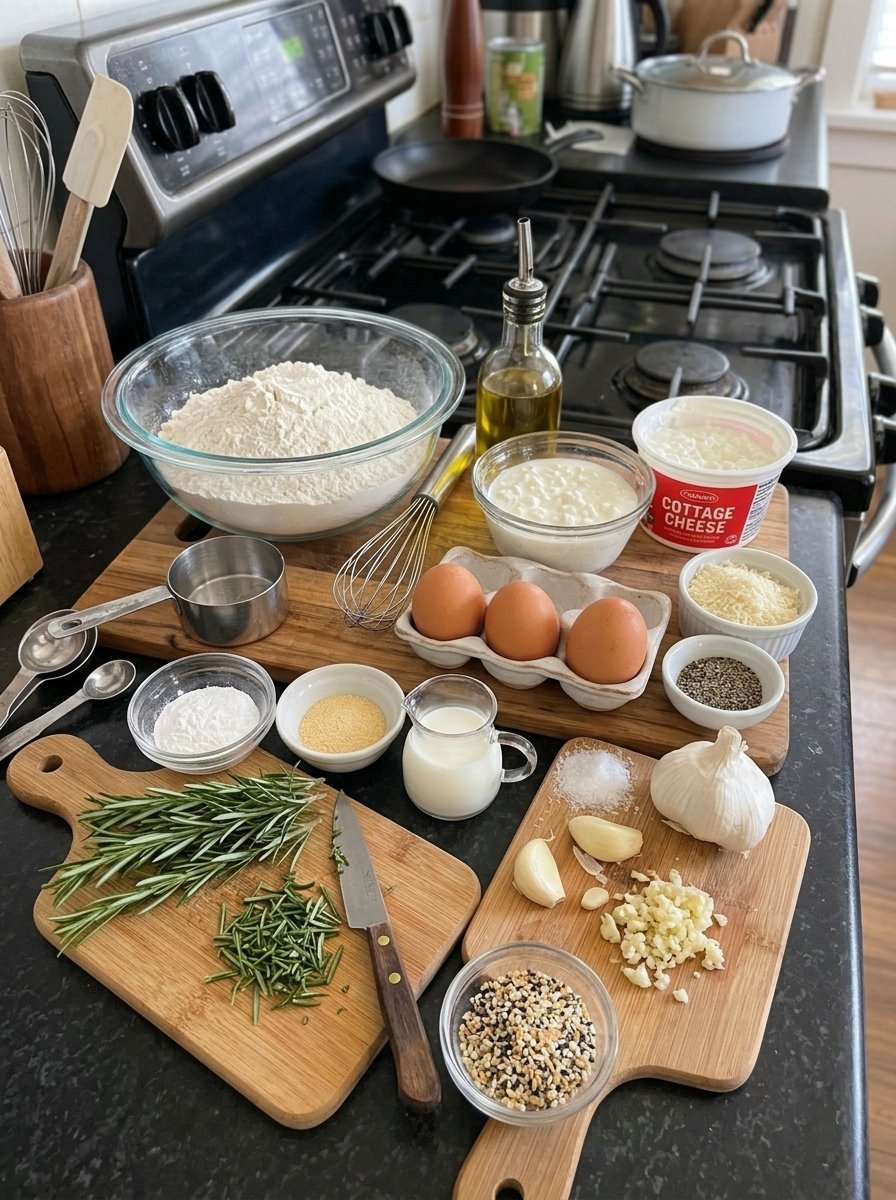
Here is everything you need for one 9 × 5-inch loaf, which yields about 10 slices.
For the bread
- 1 cup (225 g) cottage cheese
- 3 large eggs
- 2 cups (240 g) all-purpose flour
- 2 teaspoons baking powder
- 2 tablespoons olive oil
- 2 tablespoons fresh rosemary, finely chopped
- 3 cloves garlic, minced
- 1 teaspoon garlic powder
- ¾ teaspoon salt
- ½ teaspoon black pepper
- 2 tablespoons grated Parmesan cheese (optional)
- 1 tablespoon milk, only if needed to adjust the batter
For the topping
- 1 tablespoon extra chopped rosemary
- 1 tablespoon melted butter or olive oil for brushing (optional)
Ingredient Notes and Substitutions
Cottage cheese
Cottage cheese gives this loaf its moisture, tenderness, and protein boost. Full-fat or low-fat both work, though full-fat usually gives a slightly richer, softer crumb. Small-curd cottage cheese blends smoothly and distributes evenly. Large-curd works too, but blending it first is a good idea if you want a uniform texture.
Because brands vary in how wet they are, drain off any visible liquid on top of the container before measuring. The batter should end up thick and spoonable, not runny.
Eggs
The three large eggs provide structure and help the loaf rise and set. Let them come to room temperature if you can; they will blend more evenly with the cottage cheese and oil.
Flour
All-purpose flour is the tested choice. For best accuracy, spoon the flour into your measuring cup and level it, or weigh it at 240 grams. Scooping straight from the bag can pack in extra flour and lead to a dry, dense loaf.
Baking powder
Baking powder is the only leavening here, so make sure it is fresh. If your container has been open for many months, test a small amount in hot water; it should fizz right away. Old baking powder is one of the most common reasons a quick bread turns out flat.
Fresh rosemary
Fresh rosemary is strongly recommended because it has a fragrant, earthy flavor that dried rosemary cannot fully match. Chop it very finely so you do not get woody bites. If you only have dried rosemary, use about one third of the amount and crush it between your fingers first.
Garlic: fresh and powdered
Using both forms is intentional. Fresh garlic provides a sharp, aromatic bite, while garlic powder spreads a mellow, toasty flavor evenly through every slice. Together they taste fuller than either alone.
Parmesan cheese
Optional but highly recommended. A couple of tablespoons add a salty, nutty depth and help the top brown. Pecorino Romano or aged Asiago are good substitutes.
Milk
You will likely not need it. Add it one tablespoon at a time only if the batter is too stiff to combine, which can happen with a very thick, dry cottage cheese.
Olive oil and butter
Olive oil in the batter keeps the crumb tender and fits the herb-forward flavor. Brushing the warm loaf with melted butter gives a softer crust and a rich, bakery-style finish, while olive oil keeps things dairy-light.
Equipment
- 9 × 5-inch loaf pan
- Parchment paper (optional, but helpful for easy removal)
- Blender or food processor (optional, for smoother cottage cheese)
- Two mixing bowls
- Whisk and rubber spatula
- Wire cooling rack
- Toothpick or skewer for testing doneness
- Pastry brush for the butter or oil finish
How to Make Cottage Cheese Rosemary Garlic Bagel Bread
Step 1: Prepare the oven and pan
Preheat your oven to 350°F (175°C). Lightly grease a 9 × 5-inch loaf pan with olive oil or butter, or line it with parchment paper, leaving a little overhang on the long sides. The overhang works like handles, making it easy to lift the loaf out once it has cooled slightly.
Step 2: Blend the cottage cheese
Add the cottage cheese to a blender or food processor and blend until smooth and creamy. This step creates a more even, uniform crumb with no visible curds. If you enjoy a slightly rustic texture, you can skip it and use the cottage cheese as it is.
Step 3: Mix the wet ingredients
In a large mixing bowl, whisk together the eggs, blended cottage cheese, and olive oil until well combined. Stir in the minced garlic, chopped rosemary, and Parmesan if you are using it. The mixture should look creamy and flecked with green.
Step 4: Combine the dry ingredients
In a separate bowl, whisk together the flour, baking powder, garlic powder, salt, and black pepper. Mixing these separately ensures the baking powder and seasonings are evenly distributed, so you do not get a pocket of salt or a flat, under-risen section.
Step 5: Make the batter
Gradually add the dry ingredients to the wet mixture. Stir gently with a spatula until a thick, uniform batter forms. Stop as soon as no dry streaks remain. Overmixing develops the gluten and can make the bread dense and chewy rather than soft and tender.
The batter should be thick and spoonable. If it is too dry to come together, stir in the optional milk, one tablespoon at a time.
Step 6: Fill the loaf pan
Transfer the batter to the prepared pan and spread it evenly with a spatula, pushing it into the corners. Sprinkle the extra chopped rosemary over the top. For an extra savory finish, add a light dusting of garlic powder or a sprinkle of Parmesan. If you love the look of a bagel shop loaf, a topping of sesame, poppy, or other seeds adds crunch and color.
Step 7: Bake until golden
Bake for 40 to 50 minutes, until the top is deeply golden and a toothpick inserted in the center comes out clean or with a few moist crumbs. If the top is browning too fast, loosely tent the loaf with foil for the last part of baking.
Step 8: Cool and slice
Let the loaf rest in the pan for 10 to 15 minutes, then carefully transfer it to a wire rack. Brush the warm crust lightly with melted butter or olive oil for extra flavor and shine. Allow it to cool before slicing; cutting too early can squash the soft interior and make the slices gummy.
Step 9: Serve and enjoy
Slice and serve warm or lightly toasted. Spread with butter, cream cheese, or your favorite savory topping, and enjoy.
Tips for the Best Loaf
Blend the cottage cheese for a refined crumb. A smooth blend gives a uniform, bread-like texture. Leaving it chunky gives a more rustic, moist result with little pockets of creaminess.
Chop the rosemary finely. Large pieces of rosemary can feel sharp and woody. A fine chop spreads the flavor evenly through the loaf.
Do not skip the garlic powder. It rounds out the sharper fresh garlic and ensures every slice has consistent flavor.
Measure flour carefully. A kitchen scale is the most reliable way to hit 240 grams. Too much flour makes the loaf dry; too little can leave it gummy.
Check the batter texture, not just the recipe. Cottage cheese varies by brand and fat level. If the batter feels unusually stiff, a tablespoon of milk fixes it. If it feels thin, a little extra flour will help, though the recipe as written should be thick and spoonable.
Mind your oven. Home ovens often run hotter or cooler than the dial suggests. An inexpensive oven thermometer helps you bake with confidence.
Add a finishing brush. Brushing the warm loaf with butter or olive oil and a pinch of extra rosemary adds shine, flavor, and that bakery look.
Common Mistakes and How to Fix Them
The loaf is dense or heavy. This is usually caused by overmixing or too much flour. Stir only until combined, and measure the flour by weight or with the spoon-and-level method.
The loaf did not rise much. Check that your baking powder is fresh. Also make sure you baked in a 9 × 5-inch pan rather than a much larger one, which spreads the batter thin.
The center is gummy. The loaf may need more time, or it may have been sliced too soon. Test with a toothpick and let the bread cool properly before cutting. If the top is already dark, tent with foil and keep baking.
The top browned too quickly. Loosely cover the loaf with foil for the last portion of baking. Ovens with strong top heat or dark metal pans can brown the surface faster.
The bread tastes bland. Make sure you used the full amount of salt, and consider adding the optional Parmesan. Fresh herbs and garlic make a big difference compared with older dried versions.
The loaf stuck to the pan. Grease the pan thoroughly or use parchment with an overhang next time. Run a thin knife around the edges before lifting.
Flavor Variations
Once you have mastered the base recipe, it is easy to customize.
- Everything-bagel style: Top the batter with sesame seeds, poppy seeds, dried minced onion, and a little extra garlic powder for a loaf that looks and tastes like an everything bagel.
- Cheesy herb loaf: Fold in half a cup of shredded cheddar, mozzarella, or Gruyère for a gooey, savory twist.
- Italian herb version: Swap part of the rosemary for fresh thyme or oregano, and add a spoonful of finely chopped sun-dried tomatoes.
- Spicy kick: Add a pinch of red pepper flakes or finely diced jalapeño to the batter.
- Green onion and chive: Fold in sliced green onions or chives for a milder, fresh onion flavor.
- Whole-grain boost: Replace a portion of the all-purpose flour with white whole wheat flour for a slightly nuttier loaf. Start with a small swap, since whole grain flours absorb more moisture.
- Mini loaves or muffins: Divide the batter among mini loaf pans or a muffin tin and reduce the bake time, checking for doneness early.
What to Serve with It
This bread is versatile enough for any meal of the day.
Garlic butter toast. Toast a slice and spread it with garlic butter for an easy savory breakfast or snack.
Breakfast sandwiches. Layer scrambled eggs, cheese, and avocado between two slices for a satisfying morning meal you can eat on the go.
Soup companion. Serve alongside tomato soup, creamy broccoli soup, or a hearty vegetable soup. The rosemary and garlic flavors pair wonderfully with warm, comforting bowls.
Cheese and herb toast. Top a toasted slice with cream cheese and a sprinkle of fresh rosemary for a simple bagel-style bite.
Savory sandwiches. Use two slices to build a sandwich with turkey, grilled chicken, cheese, or roasted vegetables.
Alongside dinner. Offer it with salads, roasted chicken, pasta, or grilled meats as a flavorful bread basket alternative.
Brunch board. Slice and arrange with smoked salmon, cream cheese, cucumber, and fresh herbs for a casual weekend spread.
How to Store, Freeze, and Reheat
Refrigerator. Because this loaf contains cottage cheese and eggs, store it in an airtight container in the refrigerator for up to 4 days.
Freezer. Slice the completely cooled bread, place parchment paper between the slices, and freeze in a freezer-safe bag for up to 2 months. The parchment makes it easy to pull out just the number of slices you need.
Reheating. Warm slices in a toaster or toaster oven until lightly crisp on the outside and soft in the middle. Frozen slices can go straight into the toaster; you may need an extra minute or two.
Make-ahead tip. Bake the loaf on the weekend, slice it, and freeze it in portions. Toasting a slice each morning gives you a fresh-tasting, high-protein breakfast base all week.
Recipe Details at a Glance
- Prep time: 15 minutes
- Bake time: 40 to 50 minutes
- Cooling time: 15 to 20 minutes
- Total time: approximately 1 hour 10 minutes to 1 hour 25 minutes
- Yield: 1 loaf, about 10 slices
- Oven temperature: 350°F (175°C)
- Pan size: 9 × 5-inch loaf pan
Frequently Asked Questions
Is this bread really high in protein?
The combination of cottage cheese, eggs, and optional Parmesan gives this loaf more protein than many standard quick breads. The exact amount per slice depends on the brands you use and how thickly you slice, so run your specific ingredients through a nutrition calculator if you track macros.
Do I need to knead or let the dough rise?
No. This is a batter bread leavened with baking powder. You simply mix, pour, and bake. There is no yeast, no kneading, and no proofing time.
Does it taste like a real bagel?
It is bagel-inspired rather than a true bagel. It will not have the dense chew of a boiled bagel, but the toasted slices, savory garlic, herbs, and optional seed topping deliver the same comforting flavor profile.
Can I use fat-free or low-fat cottage cheese?
Yes. Low-fat and fat-free versions work, though full-fat usually yields a richer, more tender slice. Whichever you choose, check the batter consistency and add a tablespoon of milk only if needed.
Do I have to blend the cottage cheese?
No. Blending creates a smoother, more uniform loaf, but using the cottage cheese as it comes gives a more rustic texture. Both versions taste great.
Can I use dried rosemary instead of fresh?
You can, but fresh rosemary gives the best flavor and aroma. If you use dried, reduce the amount to roughly a third and crush it well before adding it.
Can I make this gluten-free?
The recipe is written with all-purpose flour. A gluten-free all-purpose blend designed for baking may work, but results can vary, so expect some experimentation with texture and moisture.
Why did my loaf turn out dense?
The most common causes are overmixing the batter, measuring too much flour, or using old baking powder. Mix gently, weigh the flour if possible, and check your leavening for freshness.
Can I double the recipe?
Yes. Bake two loaves in separate pans rather than one larger loaf so the centers cook through evenly. This is a handy approach when you want to freeze extras or share a loaf with a neighbor.
How do I know when it is done?
Look for a deep golden top and test the center with a toothpick. It should come out clean or with just a few moist crumbs. The loaf should also feel set when gently pressed.
How long does it keep?
Stored in an airtight container in the refrigerator, it keeps for up to 4 days. For longer storage, slice and freeze it for up to 2 months.
Can I make muffins instead?
Yes. Spoon the batter into a lined muffin tin and bake for a shorter time, checking early with a toothpick. Savory muffins are great for lunchboxes and snack plates.
Final Thoughts
This high-protein cottage cheese rosemary garlic bagel bread proves that homemade bread does not have to be complicated. With a handful of simple ingredients, one loaf pan, and about an hour, you get a golden, aromatic loaf that works for breakfast, lunch, and dinner alike.
It is easy enough for a beginner, flexible enough for endless variations, and flavorful enough that you will find yourself making it again and again. Brush it with butter, toast a thick slice, and enjoy the cozy aroma of rosemary and garlic that fills the kitchen.
Print
High-Protein Cottage Cheese Rosemary Garlic Bagel Bread
Ingredients
Here is everything you need for one 9 × 5-inch loaf, which yields about 10 slices.
For the bread
- 1 cup (225 g) cottage cheese
- 3 large eggs
- 2 cups (240 g) all-purpose flour
- 2 teaspoons baking powder
- 2 tablespoons olive oil
- 2 tablespoons fresh rosemary, finely chopped
- 3 cloves garlic, minced
- 1 teaspoon garlic powder
- ¾ teaspoon salt
- ½ teaspoon black pepper
- 2 tablespoons grated Parmesan cheese (optional)
- 1 tablespoon milk, only if needed to adjust the batter
For the topping
- 1 tablespoon extra chopped rosemary
- 1 tablespoon melted butter or olive oil for brushing (optional)
Instructions
Preheat your oven to 350°F (175°C). Lightly grease a 9 × 5-inch loaf pan with olive oil or butter, or line it with parchment paper, leaving a little overhang on the long sides. The overhang works like handles, making it easy to lift the loaf out once it has cooled slightly.
Add the cottage cheese to a blender or food processor and blend until smooth and creamy. This step creates a more even, uniform crumb with no visible curds. If you enjoy a slightly rustic texture, you can skip it and use the cottage cheese as it is.
In a large mixing bowl, whisk together the eggs, blended cottage cheese, and olive oil until well combined. Stir in the minced garlic, chopped rosemary, and Parmesan if you are using it. The mixture should look creamy and flecked with green.
In a separate bowl, whisk together the flour, baking powder, garlic powder, salt, and black pepper. Mixing these separately ensures the baking powder and seasonings are evenly distributed, so you do not get a pocket of salt or a flat, under-risen section.
Gradually add the dry ingredients to the wet mixture. Stir gently with a spatula until a thick, uniform batter forms. Stop as soon as no dry streaks remain. Overmixing develops the gluten and can make the bread dense and chewy rather than soft and tender.
The batter should be thick and spoonable. If it is too dry to come together, stir in the optional milk, one tablespoon at a time.
Transfer the batter to the prepared pan and spread it evenly with a spatula, pushing it into the corners. Sprinkle the extra chopped rosemary over the top. For an extra savory finish, add a light dusting of garlic powder or a sprinkle of Parmesan. If you love the look of a bagel shop loaf, a topping of sesame, poppy, or other seeds adds crunch and color.
Bake for 40 to 50 minutes, until the top is deeply golden and a toothpick inserted in the center comes out clean or with a few moist crumbs. If the top is browning too fast, loosely tent the loaf with foil for the last part of baking.
Let the loaf rest in the pan for 10 to 15 minutes, then carefully transfer it to a wire rack. Brush the warm crust lightly with melted butter or olive oil for extra flavor and shine. Allow it to cool before slicing; cutting too early can squash the soft interior and make the slices gummy.
Slice and serve warm or lightly toasted. Spread with butter, cream cheese, or your favorite savory topping, and enjoy.