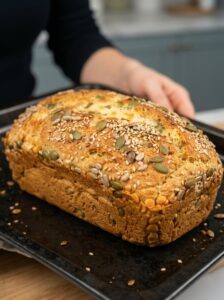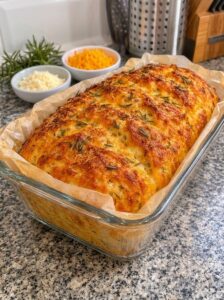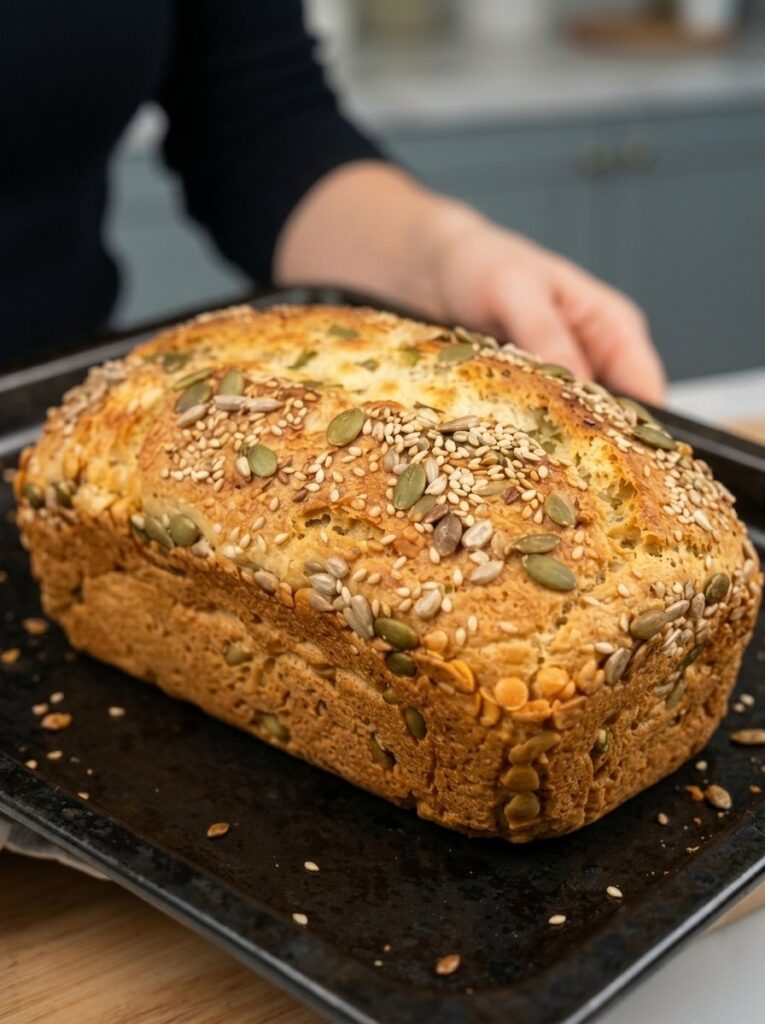
If you have ever wished you could bake a wholesome, sliceable loaf of bread without buying flour, proofing yeast or kneading dough, this simple blender lentil bread is exactly what you have been looking for. Made from soaked red lentils blended into a smooth batter, it bakes into a soft, hearty loaf with a beautifully golden crust and a crunchy blanket of mixed seeds on top. It is naturally protein-rich, wonderfully satisfying and so easy that even complete beginners can get it right on the first try.
There is no complicated technique here. You soak the lentils, blend everything into a batter, pour it into a loaf pan, sprinkle on the seeds and bake. That is the entire process. In this complete guide, you will find the full recipe, a detailed explanation of every ingredient, step-by-step instructions, troubleshooting advice, creative variations, serving ideas and storage tips, so you can bake the perfect lentil loaf every single time.
What Is Blender Lentil Bread?
Blender lentil bread is a flourless, yeast-free bread in which the lentils themselves replace the flour. Red lentils are soaked in water until they soften, then blended with eggs, olive oil, apple cider vinegar and a little water until they form a smooth, creamy batter. Baking powder and baking soda lift the loaf in the oven, while the eggs bind everything together and give the crumb its structure.
Because the batter is poured rather than kneaded, you do not need any bread-making experience. There is no dough to shape, no rising time to watch and no gluten to develop. The result is a tender, moist-but-sliceable bread with a mild, slightly earthy flavor that pairs well with both sweet and savory toppings.
If you have ever made pancakes from a batter, you already have all the skills you need.
Why You’ll Love This Red Lentil Bread
This recipe has earned its place in many kitchens for good reasons:
- No flour required. The lentils do all the work, so there is no need to stock multiple flours or specialty blends.
- No yeast and no kneading. Skip the proofing, the rising and the sticky hands. The batter goes straight from the blender to the pan.
- Naturally protein-rich. Red lentils and eggs make this a more filling bread than many store-bought loaves.
- Easy to digest and easy to make. The soaking step softens the lentils so they blend into a silky batter.
- Crunchy, nutritious seed topping. Pumpkin, sunflower, sesame, chia and flax seeds add texture, flavor and a bakery-style look.
- Versatile. It works for breakfast, sandwiches, avocado toast, soup dippers and snacks.
- Freezer friendly. Slice it, freeze it and toast slices straight from the freezer whenever you like.
- Simple, pantry-friendly ingredients. Most of what you need is probably already in your kitchen.
Recipe at a Glance
- Prep time: 15 minutes
- Soaking time: 3 to 4 hours
- Bake time: 50 to 60 minutes
- Cooling time: 1 hour 15 minutes
- Total time: about 5 hours 20 minutes to 6 hours 30 minutes, including soaking and cooling
- Yield: 1 loaf (10 to 12 slices)
- Pan size: 9 x 5-inch loaf pan
- Oven temperature: 350°F (175°C)
- Difficulty: Easy
- Method: Blender, baking
- Dietary notes: Vegetarian, and naturally gluten-free when you use certified gluten-free ingredients
Most of the total time is hands-off. The active work is only about 15 minutes.
Ingredients for Blender Lentil Bread
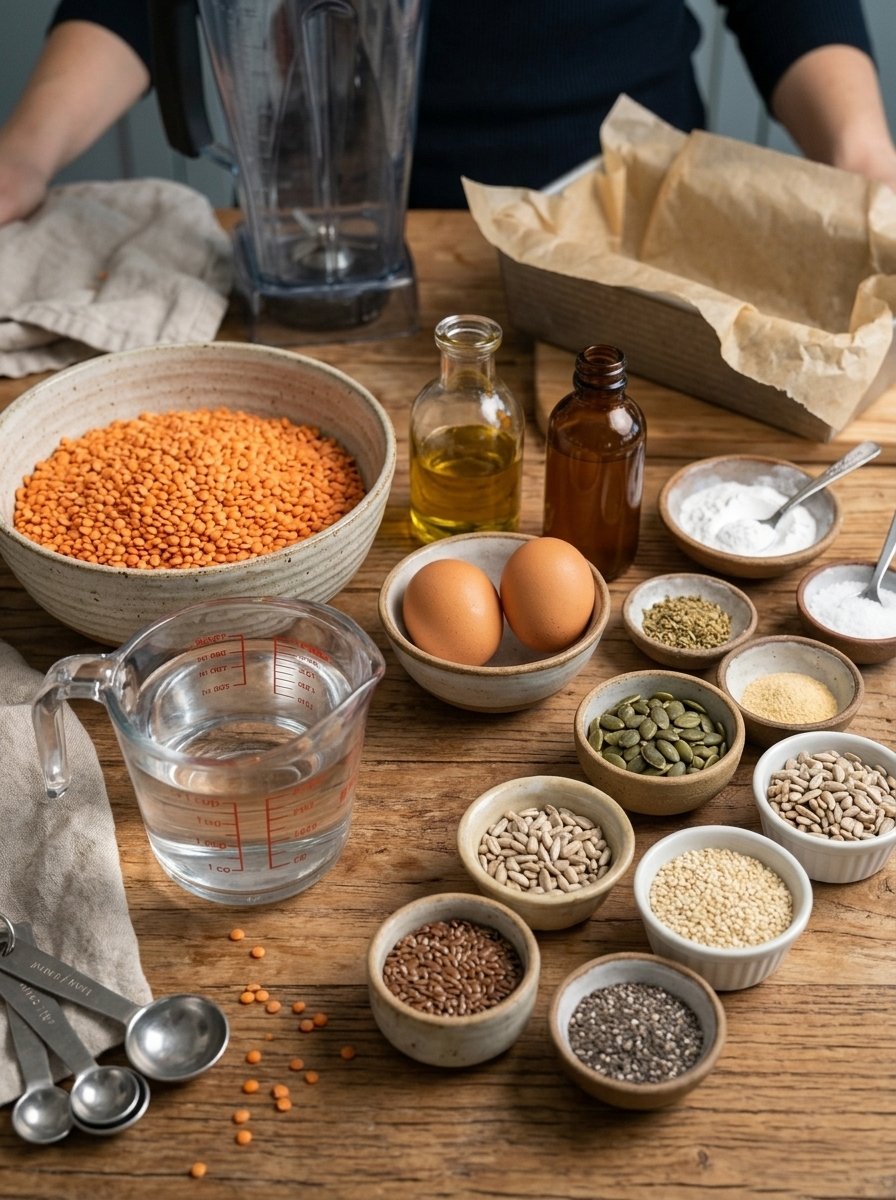
For the loaf:
- 1½ cups (300 g) dry red lentils
- 1 cup (240 ml) fresh water, for blending
- 2 large eggs, at room temperature
- ¼ cup (60 ml) olive oil
- 1 tablespoon apple cider vinegar
- 2 teaspoons baking powder
- ½ teaspoon baking soda
- 1 teaspoon fine sea salt
- ½ teaspoon garlic powder (optional)
- ½ teaspoon dried oregano (optional)
For the seed topping:
- 1 tablespoon pumpkin seeds
- 1 tablespoon sunflower seeds
- 1 tablespoon sesame seeds
- 1 teaspoon chia seeds
- 1 teaspoon flaxseeds
For the pan:
- 1 teaspoon olive oil or cooking spray, for greasing
- Parchment paper
Equipment: high-speed blender, large mixing bowl, 9 x 5-inch loaf pan, parchment paper, spatula and wire cooling rack.
Understanding the Ingredients
Knowing why each ingredient is in the recipe helps you bake with confidence and troubleshoot if something goes wrong.
Red lentils. Red lentils are the star of this bread. They are small, split and cook quickly, which also means they soften beautifully when soaked and blend into a smooth, creamy batter. Other lentil varieties can have thicker skins and a stronger flavor, so red lentils give the most reliable texture and the mildest taste.
Eggs. The eggs bind the batter and give the loaf its structure. Because there is no gluten in this bread, the eggs do much of the work that gluten would normally do. Using them at room temperature helps them blend evenly into the batter.
Olive oil. Olive oil adds moisture and a tender crumb, and it contributes a subtle richness to the flavor. It also helps the crust turn golden.
Apple cider vinegar. The vinegar reacts with the baking soda to create extra lift, which helps keep the loaf from becoming too dense. You will not taste it in the finished bread.
Baking powder and baking soda. With no yeast in the recipe, these two leavening agents give the loaf its rise. Fresh baking powder is important, so check the date on your container if your bread has turned out dense in the past.
Sea salt, garlic powder and oregano. Salt is essential, because lentils taste flat without it. The garlic powder and oregano are optional, but they give the loaf a gentle savory character that works well for sandwiches and toast.
The seed mix. Pumpkin, sunflower, sesame, chia and flax seeds create the crunchy, golden topping that makes this loaf look like it came from an artisan bakery. They also add a pleasant nutty flavor and a satisfying bite.
How to Make Blender Lentil Bread: Step by Step
Step 1: Soak the Lentils
Place the dry red lentils in a large bowl and rinse them thoroughly under cold running water until the water runs mostly clear. Cover the lentils with plenty of fresh water so they are completely submerged, then let them soak for 3 to 4 hours at room temperature.
Once the soaking time is up, drain the lentils thoroughly, rinse them again and let any excess water drip away before blending. This step matters more than it seems: too much leftover water will make the batter too thin and the bread too moist.
Step 2: Prepare the Baking Pan
Preheat your oven to 350°F (175°C). Line a 9 x 5-inch loaf pan with parchment paper, leaving some overhang on the long sides so you can lift the bread out easily after baking. Lightly grease the parchment with olive oil or cooking spray.
Step 3: Blend the Lentil Batter
Transfer the drained lentils to a high-speed blender. Add the fresh water, eggs, olive oil and apple cider vinegar. Blend for 1 to 2 minutes, scraping down the sides if necessary, until the mixture is completely smooth and creamy.
Now add the baking powder, baking soda, salt, and the garlic powder and dried oregano if you are using them. Blend briefly, just until everything is evenly incorporated. The batter should be thick but pourable, similar to a thick pancake batter.
Step 4: Transfer the Batter to the Pan
Pour the lentil batter into the prepared loaf pan. Use a spatula to spread it evenly and smooth the surface. Gently tap the pan against the counter a couple of times to release any large air bubbles.
Step 5: Add the Seed Topping
In a small bowl, combine the pumpkin seeds, sunflower seeds, sesame seeds, chia seeds and flaxseeds. Sprinkle the mixture evenly over the surface of the batter, then gently press the seeds into the batter so they stay put during baking.
Step 6: Bake the Bread
Place the loaf pan on the center rack of the preheated oven and bake for 50 to 60 minutes. The loaf is ready when it is golden brown, firm in the center and a toothpick inserted into the middle comes out mostly clean, without wet batter.
If the top is browning too quickly, loosely cover it with aluminum foil during the final 15 minutes. If the center still feels moist, keep baking in 5-minute increments until it is fully set.
Step 7: Cool the Loaf
Remove the bread from the oven and let it cool in the pan for 15 minutes. Carefully lift it out using the parchment paper and transfer it to a wire cooling rack. Allow it to cool completely, for at least 1 hour, before slicing. This resting time is essential, because the bread continues to firm up as it cools and develops its tender, sliceable texture.
Step 8: Slice and Serve
Once the loaf is completely cool, use a sharp serrated bread knife to cut it into even slices. Enjoy it as it is, toasted for extra crunch, or lightly warmed with your favorite toppings.
Tips for the Best Blender Lentil Bread
Small details make a big difference with a batter-based loaf. Keep these tips in mind:
- Drain the lentils thoroughly. After soaking, drain and rinse the lentils well. Excess water changes the consistency of the batter and can make the finished bread too moist.
- Blend until completely smooth. Blend the lentils with the wet ingredients thoroughly before adding the leavening agents. A smooth batter gives a smooth, uniform crumb.
- Use fresh baking powder. Fresh baking powder helps the loaf rise and prevents it from turning out overly dense.
- Do not overblend after adding the leavening. Blend only long enough to mix in the baking powder, baking soda and seasonings evenly.
- Check the center carefully. Lentil bread needs to be fully baked to set properly. If the middle is still moist, continue baking in 5-minute increments.
- Press the seeds in gently. Lightly pressing the seeds into the batter helps them stick to the loaf after baking.
- Cool completely before slicing. Cutting too early can make the center seem gummy. Patience is rewarded with clean, even slices.
- Toast the slices. Toasting brings out the flavor of the lentils and seeds and gives the bread a deliciously crisp exterior.
Troubleshooting: Common Lentil Bread Problems
My bread is gummy in the middle. The most common causes are cutting the loaf before it has cooled completely, under-baking, or a batter that was too wet. Let the bread cool for at least an hour, bake in extra 5-minute increments until the center is firm, and drain the soaked lentils very well next time.
My loaf is dense and did not rise much. Check the freshness of your baking powder and baking soda. Also avoid blending for too long after adding the leavening, because this can knock out the lift.
The top is browning too fast. Loosely tent the loaf with aluminum foil for the last 15 minutes of baking. Ovens vary, so an oven thermometer can help you confirm that 350°F (175°C) is accurate.
The batter is too thick or too thin. The target is a thick but pourable batter, similar to thick pancake batter. If it is too thick for your blender to move, add a tablespoon of water at a time. If it is too thin, your lentils probably were not drained well enough.
The seeds fall off. Press them gently into the surface of the batter before baking, and let the loaf cool before slicing. Slicing with a sharp serrated knife also helps keep the topping intact.
The bread sticks to the pan. Always line the pan with parchment paper and grease it lightly. The overhang lets you lift the loaf out cleanly.
Variations to Try
Once you have mastered the basic recipe, it is easy to make it your own:
- Herb-garden loaf. Swap the oregano for dried thyme, rosemary or Italian seasoning.
- Extra-seedy loaf. Stir a spoonful of your favorite seeds into the batter as well as sprinkling them on top.
- Cheesy lentil bread. Fold a handful of shredded cheese into the batter or sprinkle some on top in the last 10 minutes of baking.
- Spiced version. Add a pinch of smoked paprika, cumin or turmeric for a warmer flavor.
- Everything-seasoning top. Replace the seed mix with an everything bagel blend for a savory twist.
- Mini loaves or muffins. Divide the batter among small pans or a muffin tin and reduce the baking time, checking for doneness early.
When you make changes, keep the proportion of lentils to liquid the same so the texture stays reliable.
What to Serve With Lentil Bread
This bread is a true all-rounder. Here are some of the best ways to enjoy it:
- Avocado toast. Toast a slice and top it with mashed avocado and a sprinkle of sea salt.
- Butter or cream cheese. A simple spread makes a quick and comforting breakfast.
- With eggs. Serve it alongside scrambled or fried eggs for a protein-rich meal.
- Hearty sandwiches. Use it for vegetable, turkey or chicken sandwiches. The sturdy slices hold up well to fillings.
- Hummus and vegetables. Pair it with hummus, fresh tomatoes and cucumber for a light lunch.
- Soups and salads. Serve it alongside homemade soups, salads or roasted vegetables.
- Cottage cheese and herbs. Toast a slice and top it with cottage cheese and fresh herbs for an easy snack.
Is Lentil Bread Healthy?
Lentils are a well-known pantry staple that are naturally rich in plant protein and fiber, and eggs add more protein. The seeds on top contribute healthy fats, texture and flavor. Compared with many commercial loaves, this recipe has a short, simple ingredient list with nothing you cannot pronounce.
Because it contains no wheat flour, the bread is naturally gluten-free as long as you use certified gluten-free ingredients and check the labels on your baking powder and lentils for cross-contamination. It is also vegetarian. If you are following a specific diet or managing a health condition, check the ingredients against your needs and speak with a qualified professional for personal advice.
How to Store Lentil Bread
Proper storage keeps the loaf fresh and makes meal prep easy.
- Room temperature: Store in an airtight container for up to 2 days in a cool environment.
- Refrigerator: Keep the completely cooled loaf or slices in an airtight container for up to 5 days.
- Freezer: Slice the completely cooled loaf, separate the slices with parchment paper and freeze them in a freezer-safe bag or container for up to 2 months.
- Reheating: Toast frozen slices directly in the toaster, or let them thaw before warming them in a toaster or oven.
For the best texture, always let the loaf cool completely before you store it, so no steam is trapped in the container.
Frequently Asked Questions
Do I really need to soak the lentils?
Yes. Soaking for 3 to 4 hours softens the lentils so they blend into a smooth, creamy batter. Skipping this step can leave you with a gritty texture and a bread that does not bake evenly.
Can I make blender lentil bread without eggs?
The eggs are an important binder in this recipe, and the recipe as written relies on them for structure. If you want an egg-free version, you will need to test a substitute and expect the texture to be different from the original.
Is this lentil bread gluten-free?
It contains no wheat flour, so it is naturally gluten-free when you use certified gluten-free ingredients. Always check your labels if you need to avoid gluten strictly.
Can I use green or brown lentils instead of red lentils?
Red lentils are recommended because they blend smoothly and have the mildest flavor. Other varieties have a firmer texture and a stronger taste and may need different soaking and baking times, so the results can vary.
Why is my lentil bread gummy?
Gumminess usually comes from slicing too soon, under-baking or too much water left in the lentils. Cool the loaf completely, bake until the center is firm and drain the lentils well.
Can I freeze lentil bread?
Absolutely. Slice the cooled loaf, separate the slices with parchment paper and freeze them in a freezer-safe bag or container for up to 2 months. Toast the slices straight from the freezer.
How many slices does one loaf make?
A 9 x 5-inch loaf yields about 10 to 12 slices.
Can I make the batter ahead of time?
It is best to bake the batter right after adding the baking powder and baking soda, because the leavening starts working as soon as the ingredients are combined. You can soak and drain the lentils ahead of time, though, which makes baking day faster.
Final Thoughts
This simple blender lentil bread proves that great homemade bread does not have to be complicated. With no flour, no yeast and no kneading, you can go from a bowl of soaked lentils to a golden, seed-topped loaf using little more than a blender, a loaf pan and an oven. It is hearty, soft, naturally protein-rich and endlessly versatile, which makes it a wonderful addition to your everyday meals.
Soak your lentils, blend your batter, and give this recipe a try. Once you see how easy it is, it may become a weekly staple in your kitchen. If you enjoy it, leave a comment with your favorite toppings, share the recipe with a friend who loves easy healthy baking and save it for your next bake.
Print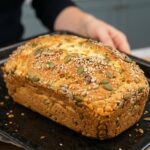
Simple Blender Lentil Bread
- Total Time: 5 hours 20 minutes to 6 hours 30 minutes
Ingredients
For the loaf:
- 1½ cups (300 g) dry red lentils
- 1 cup (240 ml) fresh water, for blending
- 2 large eggs, at room temperature
- ¼ cup (60 ml) olive oil
- 1 tablespoon apple cider vinegar
- 2 teaspoons baking powder
- ½ teaspoon baking soda
- 1 teaspoon fine sea salt
- ½ teaspoon garlic powder (optional)
- ½ teaspoon dried oregano (optional)
For the seed topping:
- 1 tablespoon pumpkin seeds
- 1 tablespoon sunflower seeds
- 1 tablespoon sesame seeds
- 1 teaspoon chia seeds
- 1 teaspoon flaxseeds
For the pan:
- 1 teaspoon olive oil or cooking spray, for greasing
- Parchment paper
Equipment: high-speed blender, large mixing bowl, 9 x 5-inch loaf pan, parchment paper, spatula and wire cooling rack.
Instructions
Place the dry red lentils in a large bowl and rinse them thoroughly under cold running water until the water runs mostly clear. Cover the lentils with plenty of fresh water so they are completely submerged, then let them soak for 3 to 4 hours at room temperature.
Once the soaking time is up, drain the lentils thoroughly, rinse them again and let any excess water drip away before blending. This step matters more than it seems: too much leftover water will make the batter too thin and the bread too moist.
Step 2: Prepare the Baking Pan
Preheat your oven to 350°F (175°C). Line a 9 x 5-inch loaf pan with parchment paper, leaving some overhang on the long sides so you can lift the bread out easily after baking. Lightly grease the parchment with olive oil or cooking spray.
Step 3: Blend the Lentil Batter
Transfer the drained lentils to a high-speed blender. Add the fresh water, eggs, olive oil and apple cider vinegar. Blend for 1 to 2 minutes, scraping down the sides if necessary, until the mixture is completely smooth and creamy.
Now add the baking powder, baking soda, salt, and the garlic powder and dried oregano if you are using them. Blend briefly, just until everything is evenly incorporated. The batter should be thick but pourable, similar to a thick pancake batter.
Step 4: Transfer the Batter to the Pan
Pour the lentil batter into the prepared loaf pan. Use a spatula to spread it evenly and smooth the surface. Gently tap the pan against the counter a couple of times to release any large air bubbles.
Step 5: Add the Seed Topping
In a small bowl, combine the pumpkin seeds, sunflower seeds, sesame seeds, chia seeds and flaxseeds. Sprinkle the mixture evenly over the surface of the batter, then gently press the seeds into the batter so they stay put during baking.
Step 6: Bake the Bread
Place the loaf pan on the center rack of the preheated oven and bake for 50 to 60 minutes. The loaf is ready when it is golden brown, firm in the center and a toothpick inserted into the middle comes out mostly clean, without wet batter.
If the top is browning too quickly, loosely cover it with aluminum foil during the final 15 minutes. If the center still feels moist, keep baking in 5-minute increments until it is fully set.
Step 7: Cool the Loaf
Remove the bread from the oven and let it cool in the pan for 15 minutes. Carefully lift it out using the parchment paper and transfer it to a wire cooling rack. Allow it to cool completely, for at least 1 hour, before slicing. This resting time is essential, because the bread continues to firm up as it cools and develops its tender, sliceable texture.
Step 8: Slice and Serve
Once the loaf is completely cool, use a sharp serrated bread knife to cut it into even slices. Enjoy it as it is, toasted for extra crunch, or lightly warmed with your favorite toppings.
- Prep Time: 3 hours 15 minutes to 4 hours 15 minutes
- Cook Time: 50–60 minutes