Simple Blender Lentil Bread: Healthy, High-Protein & Naturally Gluten-Free (No Flour, No Yeast)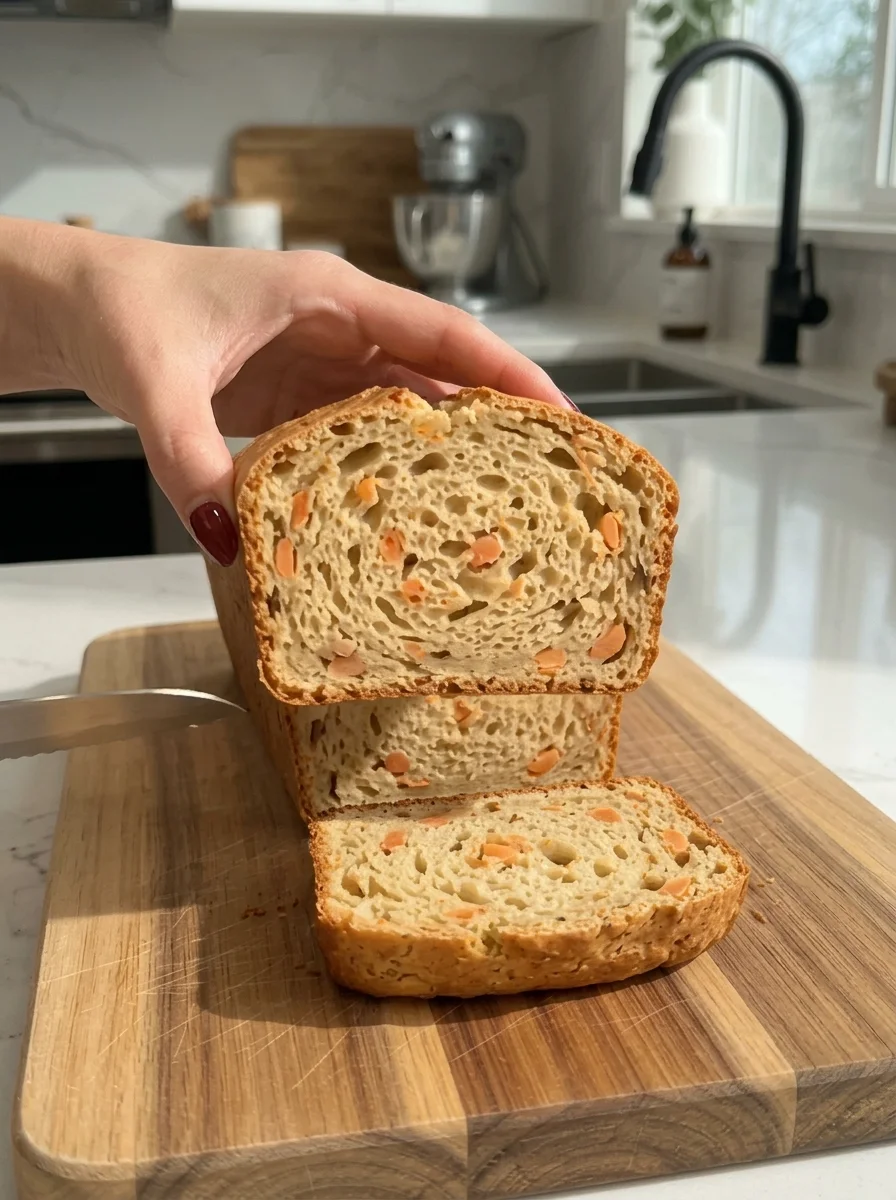
SEO title: Simple Blender Lentil Bread Recipe (High-Protein, No Flour, No Yeast)
Meta description: Make easy blender lentil bread with red lentils, eggs, and olive oil. No flour, no yeast, no kneading. High-protein, gluten-free-friendly recipe with tips, variations, nutrition, and FAQ.
Focus keyword: blender lentil bread
Secondary keywords: lentil bread recipe, red lentil bread, high-protein bread, gluten-free lentil bread, flourless bread, no-yeast bread, healthy homemade bread, lentil loaf, easy blender bread
If you are looking for a homemade bread that is hearty, nutritious, and ridiculously easy to make, this blender lentil bread is worth a try. It uses dried red lentils as the base instead of wheat flour, so there is no flour to measure, no yeast to activate, and no dough to knead. You soak the lentils, blend everything into a smooth batter, pour it into a loaf pan, and bake.
The result is a soft, satisfying loaf with a mild, savory flavor and a firm but tender crumb. It is naturally protein-rich and a good source of fiber, and it is a great alternative to traditional wheat bread for anyone who wants more plants in their meals or who avoids gluten. Slice it, toast it, and top it with your favorite spreads for breakfast, lunch, or a snack.
In this guide you will find the full recipe, step-by-step instructions, an explanation of how each ingredient works, tips for a smooth batter and a loaf that slices cleanly, troubleshooting advice, creative variations, serving ideas, storage and freezing instructions, approximate nutrition, and answers to the questions home bakers ask most often about lentil bread.
Why You’ll Love This Lentil Bread
There are many healthy bread alternatives, so what makes this one stand out? Here are the main reasons it deserves a place in your kitchen.
- No flour, no yeast, no kneading. The lentils are the base, and baking powder gives a little lift, so there is no rising time and no special technique.
- Easy blender method. Everything goes into a blender, which means very little cleanup.
- Protein-rich and filling. Lentils and eggs make each slice satisfying and a good source of plant-based protein and fiber.
- Naturally gluten-free ingredients. The recipe contains no wheat flour. If you need it to be gluten-free, simply use certified gluten-free ingredients and check labels.
- Mild, versatile flavor. The loaf tastes pleasantly savory and works with sweet and savory toppings.
- Simple, wholesome ingredients. Red lentils, eggs, olive oil, water, baking powder, and a few seasonings are all you need.
- Great for meal prep. Slice it, freeze it, and toast a piece whenever you need one.
Recipe Overview
- Prep time: 10 minutes
- Soaking time: 3 to 4 hours
- Bake time: 40 to 50 minutes
- Total time: Approximately 4 hours
- Yield: 1 loaf, approximately 10 slices
- Pan size: 9 × 5-inch (23 × 13 cm) loaf pan
- Difficulty: Easy
Ingredients for Blender Lentil Bread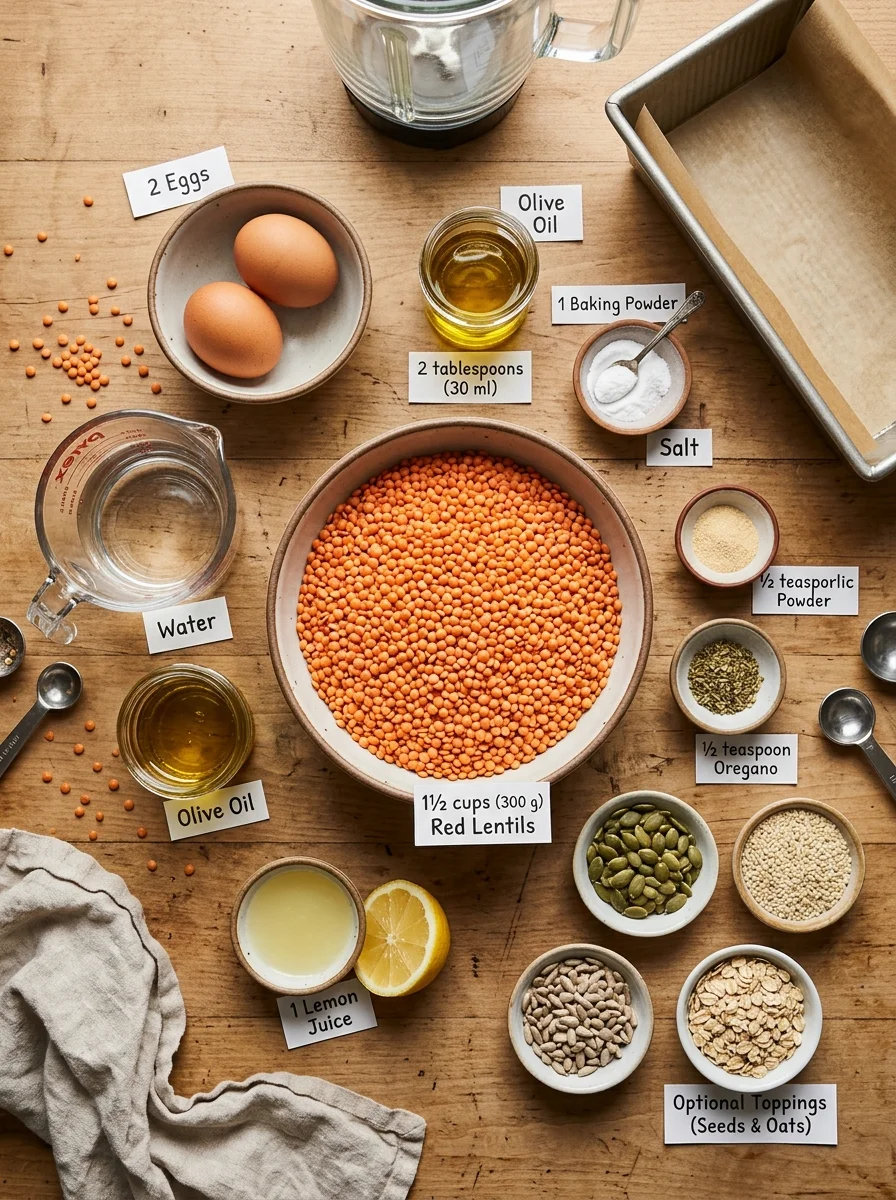
- 1½ cups (300 g) dried red lentils
- 2 large eggs
- ½ cup (120 ml) water
- 2 tablespoons (30 ml) olive oil
- 1 teaspoon baking powder
- ½ teaspoon salt
- ½ teaspoon garlic powder (optional)
- ½ teaspoon dried oregano (optional)
- 1 tablespoon lemon juice (optional)
Optional toppings
- Sesame seeds
- Pumpkin seeds
- Sunflower seeds
- Rolled oats
- Dried herbs
A Closer Look at the Key Ingredients
Dried red lentils. Red lentils are the star of this loaf. They are small, quick to soften, and have a mild flavor, which makes them especially good for blending into a smooth batter. Soaking softens them and makes them easier to blend. Other lentil varieties can behave differently, so red lentils are the best choice here.
Eggs. The eggs bind the batter, add richness, and give the loaf structure. Because there is no wheat flour or gluten, the eggs do much of the work of holding the bread together.
Water. A small amount of water helps the blender turn the soaked lentils into a smooth, pourable batter. If your blender struggles, you can add a little extra water gradually.
Olive oil. Olive oil adds moisture, flavor, and tenderness, and it helps the loaf stay soft rather than dry.
Baking powder. A teaspoon of baking powder lifts the loaf slightly and gives it a lighter texture than a dense, flat lentil bake.
Salt. Salt is essential here, because lentils have a mild flavor that needs seasoning to taste good.
Garlic powder and oregano (optional). These give the bread a savory, herbal flavor that makes it taste more like a traditional savory loaf.
Lemon juice (optional). A little acidity brightens the flavor and balances the earthiness of the lentils.
Toppings. Seeds, oats, and dried herbs add crunch, color, and extra flavor to the top of the loaf.
How to Make Blender Lentil Bread: Step by Step
Step 1: Soak the Lentils
Place the dried red lentils in a large bowl.
Cover with plenty of water and soak for 3 to 4 hours, or overnight in the refrigerator.
The lentils should become noticeably softer and slightly swollen.
Drain them thoroughly and rinse under fresh water.
Draining well is important, because leftover soaking water can thin the batter and make the loaf wet.
Step 2: Prepare the Blender
Add the drained lentils to a blender.
Pour in the water, eggs, olive oil, lemon juice, salt, garlic powder, and oregano.
Blend for approximately 1 to 2 minutes, scraping down the sides if necessary.
The mixture should become smooth and creamy, with no visible lentil pieces.
Step 3: Add the Baking Powder
Add the baking powder and blend briefly, just until incorporated.
Avoid blending excessively after adding the baking powder.
The batter should be thick but pourable, similar to a thick pancake batter.
Step 4: Prepare the Loaf Pan
Preheat the oven to 350°F (175°C).
Grease a 9 × 5-inch (23 × 13 cm) loaf pan or line it with parchment paper.
Pour the lentil batter into the prepared pan.
Smooth the top using a spatula.
Sprinkle sesame seeds, pumpkin seeds, or dried herbs over the surface if desired.
Step 5: Bake the Bread
Place the pan in the preheated oven.
Bake for 40 to 50 minutes, or until the loaf is firm, lightly golden, and cooked through.
The center should no longer look wet, and a toothpick inserted into the middle should come out clean or with a few moist crumbs.
If the top browns too quickly, loosely cover it with aluminum foil during the final 10 to 15 minutes.
Step 6: Cool Completely
Remove the bread from the oven and let it rest in the pan for 10 to 15 minutes.
Carefully transfer it to a wire rack.
Allow it to cool completely before slicing.
This step is especially important because lentil bread becomes firmer as it cools, making it easier to slice neatly without crumbling.
Step 7: Slice and Enjoy
Use a sharp serrated knife to cut the bread into slices.
Enjoy it fresh, lightly toasted, or topped with your favorite savory or sweet spreads.
Why Soaking Lentils Makes Better Bread
Soaking is the one step in this recipe that requires planning, and it is worth it. Dried lentils are hard and dense, so soaking them for 3 to 4 hours (or overnight in the refrigerator) softens them and lets them swell with water. Soft lentils blend much more easily into a smooth batter, even in an average blender, and they produce a more pleasant, even texture in the finished loaf.
Soaked lentils also cook more reliably in the oven. Without soaking, the lentils can stay grainy and the loaf may bake unevenly. The soaking water should always be drained and the lentils rinsed under fresh water before blending, which keeps the batter at the right thickness and gives a cleaner flavor.
If you want to get ahead, soak the lentils in the refrigerator the night before. In the morning, the batter takes just a few minutes to blend, and the loaf is ready in about an hour.
Tips for Perfect Blender Lentil Bread
A few small habits make the difference between a loaf that holds together well and one that crumbles.
- Soak the lentils properly. This helps soften them and makes blending easier.
- Drain thoroughly. Excess soaking water can affect the batter consistency.
- Blend until completely smooth. A smooth batter gives the bread a more pleasant texture.
- Use a powerful blender. If your blender struggles, blend in batches or add a little extra water gradually.
- Do not skip the baking powder. It helps the loaf rise slightly and gives it a lighter texture.
- Avoid overbaking. Too much baking can make the bread dry and crumbly.
- Cool before slicing. Warm lentil bread can be delicate and may fall apart if cut too early.
- Toast for the best texture. Lightly toasted slices become firmer and more delicious.
Troubleshooting Common Problems
The batter is too thin. The lentils may not have been drained well enough, or too much water was added. Drain thoroughly next time. If the batter is very runny, let it sit for a few minutes before baking, since the lentils will continue to absorb moisture.
The batter is too thick for the blender. Add a little extra water, one tablespoon at a time, and scrape down the sides. Blending in batches also helps.
The texture is grainy. The lentils may not have been soaked long enough, or the batter was not blended long enough. Soak for the full 3 to 4 hours and blend until completely smooth.
The loaf is gummy in the center. It may be underbaked or sliced too soon. Make sure the center no longer looks wet, bake until a toothpick comes out clean or with a few moist crumbs, and allow the loaf to cool completely before slicing.
The loaf is dry and crumbly. It may have been overbaked. Check toward the end of the baking time, and cover the top with foil if it browns too quickly.
The bread did not rise much. This is a flat, dense-style loaf, so it will not rise like a yeast bread. The baking powder gives a slight lift. Make sure your baking powder is fresh, and avoid blending too long after adding it.
The bread falls apart when sliced. Warm lentil bread is delicate. Let it cool completely, use a sharp serrated knife, and consider toasting slices for extra firmness.
The flavor tastes bland. Season well with salt, garlic powder, and oregano, and add the lemon juice to brighten the flavor.
Delicious Variations
Garlic Herb Lentil Bread. Add 1 teaspoon of garlic powder, 1 teaspoon of dried oregano, and ½ teaspoon of rosemary.
Mediterranean Lentil Bread. Add chopped olives, dried oregano, and a little lemon zest.
Cheesy Lentil Bread. Fold ½ cup of grated cheddar or Parmesan into the batter before baking.
Spicy Lentil Bread. Add smoked paprika, chili flakes, or cumin for a flavorful savory loaf.
Seeded Protein Bread. Add 2 tablespoons of pumpkin seeds or sunflower seeds to the batter.
Turmeric Lentil Bread. Add ½ teaspoon of turmeric and a pinch of black pepper.
Cottage Cheese Lentil Bread. Replace ¼ cup of the water with cottage cheese for a richer texture and additional protein.
Serving Ideas
This versatile loaf works for breakfast, lunch, and snacks. Try it in these ways:
- Toast a slice and spread with mashed avocado and lemon.
- Top with cottage cheese, cucumber, and fresh herbs.
- Make sandwiches with eggs, tomatoes, cheese, or grilled vegetables.
- Serve alongside lentil soup, vegetable soup, or a fresh salad.
- Spread with hummus or cream cheese.
- Enjoy toasted slices with peanut butter and banana.
- Serve with olive oil, olives, and Mediterranean-style toppings.
Because the bread is mild and slightly savory, it pairs well with creamy or tangy toppings, such as avocado, hummus, cottage cheese, or yogurt-based spreads.
Storage and Freezing
Refrigerator. Once completely cooled, store the bread in an airtight container for up to 4 days.
Freezer. Slice the loaf and place parchment paper between slices. Freeze in a sealed freezer-safe bag for up to 2 months.
Reheating. Toast slices directly from frozen or warm them briefly in a skillet.
Because this bread contains lentils and eggs, refrigerate it promptly after cooling rather than leaving it at room temperature for extended periods.
Approximate Nutrition
Per slice, assuming 10 slices:
- Calories: 125 to 145 kcal
- Protein: 8 to 10 g
- Carbohydrates: 13 to 16 g
- Fat: 4 to 6 g
- Fiber: 3 to 5 g
These estimates vary depending on the lentils, egg size, and amount of olive oil used.
For a gluten-free loaf, use certified gluten-free ingredients and check the labels of all additions.
Frequently Asked Questions
Do I have to soak the lentils?
Yes. Soaking for 3 to 4 hours, or overnight in the refrigerator, softens the lentils and makes blending much easier.
Can I use other lentils instead of red lentils?
Red lentils are recommended because they are small, soften quickly, and blend smoothly. Other varieties may behave differently and could change the texture.
Is this bread gluten-free?
The recipe contains no wheat flour, so the ingredients are naturally gluten-free. If you need a strictly gluten-free loaf, use certified gluten-free ingredients and check the labels of any additions.
Does this bread taste like lentils?
It has a mild, savory flavor with a gentle earthiness. Garlic powder, oregano, and lemon juice help balance it, and toasting brings out a nicer flavor and texture.
Can I make it without eggs?
The eggs provide structure and binding, so removing them would change the recipe significantly. This version is designed with eggs.
Why did my loaf not rise much?
This is a dense, flourless loaf, so it only rises slightly. Baking powder gives it a little lift. Make sure the baking powder is fresh.
How do I know when it is done?
The loaf should be firm, lightly golden, and cooked through. The center should no longer look wet, and a toothpick should come out clean or with a few moist crumbs.
Why does it need to cool completely?
Lentil bread becomes firmer as it cools, which makes it much easier to slice neatly without crumbling.
Can I freeze lentil bread?
Yes. Slice the loaf, place parchment between slices, and freeze in a sealed freezer-safe bag for up to 2 months. Toast slices from frozen.
Can I add cheese or seeds?
Yes. Fold cheese or seeds into the batter, or sprinkle seeds on top before baking.
Final Thoughts
This simple blender lentil bread is wholesome, satisfying, and wonderfully easy to prepare. With its nutritious lentil base, soft interior, and endless savory variations, it is a fantastic homemade option for anyone looking to add more plant-based protein and fiber to their meals.
Soaked, blended, baked, and ready to enjoy. Healthy homemade bread has never been this simple. Soak a batch of lentils tonight, and you will have a fresh loaf ready for tomorrow’s breakfast.
Print
Simple Blender Lentil Bread – Healthy, High-Protein & Naturally Gluten-Free
Ingredients
- 1½ cups (300 g) dried red lentils
- 2 large eggs
- ½ cup (120 ml) water
- 2 tablespoons (30 ml) olive oil
- 1 teaspoon baking powder
- ½ teaspoon salt
- ½ teaspoon garlic powder (optional)
- ½ teaspoon dried oregano (optional)
- 1 tablespoon lemon juice (optional)
Optional toppings
- Sesame seeds
- Pumpkin seeds
- Sunflower seeds
- Rolled oats
- Dried herbs
A Closer Look at the Key Ingredients
Dried red lentils. Red lentils are the star of this loaf. They are small, quick to soften, and have a mild flavor, which makes them especially good for blending into a smooth batter. Soaking softens them and makes them easier to blend. Other lentil varieties can behave differently, so red lentils are the best choice here.
Eggs. The eggs bind the batter, add richness, and give the loaf structure. Because there is no wheat flour or gluten, the eggs do much of the work of holding the bread together.
Water. A small amount of water helps the blender turn the soaked lentils into a smooth, pourable batter. If your blender struggles, you can add a little extra water gradually.
Olive oil. Olive oil adds moisture, flavor, and tenderness, and it helps the loaf stay soft rather than dry.
Baking powder. A teaspoon of baking powder lifts the loaf slightly and gives it a lighter texture than a dense, flat lentil bake.
Salt. Salt is essential here, because lentils have a mild flavor that needs seasoning to taste good.
Garlic powder and oregano (optional). These give the bread a savory, herbal flavor that makes it taste more like a traditional savory loaf.
Lemon juice (optional). A little acidity brightens the flavor and balances the earthiness of the lentils.
Toppings. Seeds, oats, and dried herbs add crunch, color, and extra flavor to the top of the loaf.
Instructions
Place the dried red lentils in a large bowl.
Cover with plenty of water and soak for 3 to 4 hours, or overnight in the refrigerator.
The lentils should become noticeably softer and slightly swollen.
Drain them thoroughly and rinse under fresh water.
Draining well is important, because leftover soaking water can thin the batter and make the loaf wet.
Add the drained lentils to a blender.
Pour in the water, eggs, olive oil, lemon juice, salt, garlic powder, and oregano.
Blend for approximately 1 to 2 minutes, scraping down the sides if necessary.
The mixture should become smooth and creamy, with no visible lentil pieces.
Add the baking powder and blend briefly, just until incorporated.
Avoid blending excessively after adding the baking powder.
The batter should be thick but pourable, similar to a thick pancake batter.
Preheat the oven to 350°F (175°C).
Grease a 9 × 5-inch (23 × 13 cm) loaf pan or line it with parchment paper.
Pour the lentil batter into the prepared pan.
Smooth the top using a spatula.
Sprinkle sesame seeds, pumpkin seeds, or dried herbs over the surface if desired.
Place the pan in the preheated oven.
Bake for 40 to 50 minutes, or until the loaf is firm, lightly golden, and cooked through.
The center should no longer look wet, and a toothpick inserted into the middle should come out clean or with a few moist crumbs.
If the top browns too quickly, loosely cover it with aluminum foil during the final 10 to 15 minutes.
Remove the bread from the oven and let it rest in the pan for 10 to 15 minutes.
Carefully transfer it to a wire rack.
Allow it to cool completely before slicing.
This step is especially important because lentil bread becomes firmer as it cools, making it easier to slice neatly without crumbling.
Use a sharp serrated knife to cut the bread into slices.
Enjoy it fresh, lightly toasted, or topped with your favorite savory or sweet spreads.