3-Ingredient Red Lentil Sandwich Bread: No Flour, No Yeast, No Kneading
Meta description: Make easy 3-ingredient red lentil sandwich bread with no flour, yeast, or kneading. Soak, blend, bake, and slice a tender loaf for toast and sandwiches.
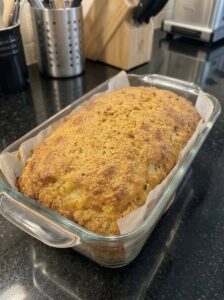
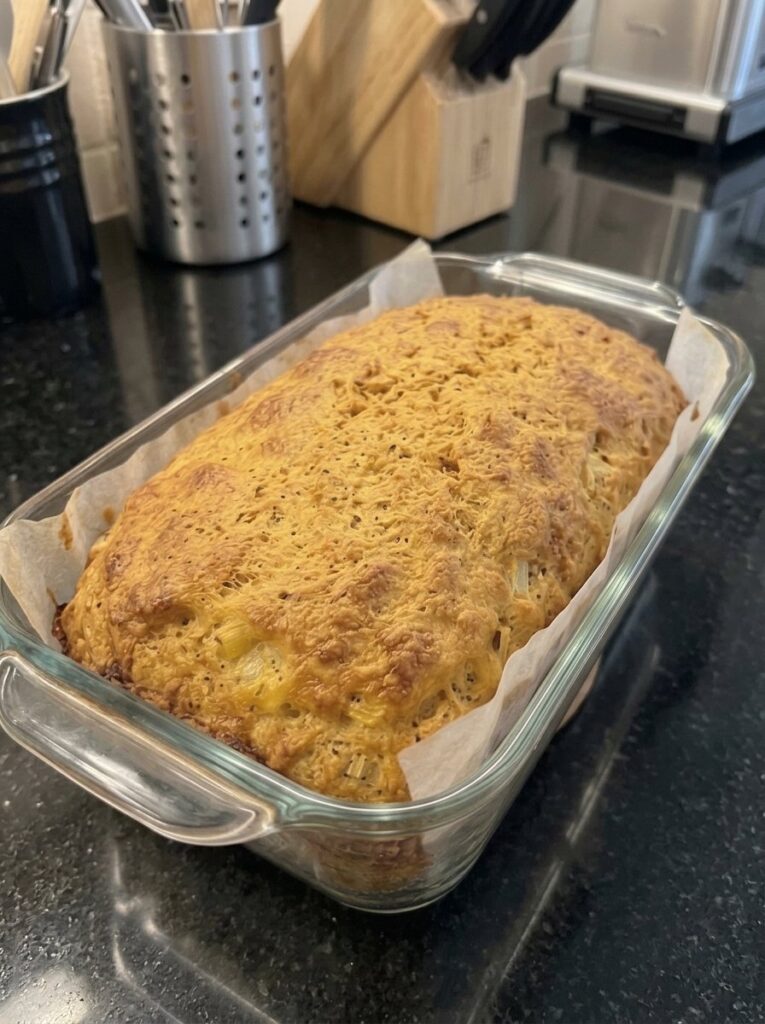
If you have been searching for an easy homemade bread without flour, yeast, or kneading, this 3-ingredient red lentil sandwich bread is a fun recipe to try. Red lentils blend into a smooth batter that bakes into a tender, sliceable loaf with a lovely golden crust. There is no dough to knead and no waiting around for it to rise. You soak, blend, stir, pour, and bake.
In this guide, you will find the full recipe, step-by-step instructions, troubleshooting tips, serving ideas, storage advice, and answers to the most common questions about lentil bread. Whether you want avocado toast, a breakfast egg sandwich, or a slice to dunk into soup, this loaf is a simple way to put red lentils to work in a whole new form.
What Is Red Lentil Bread?
Red lentil bread is a flourless loaf made from soaked red lentils that are blended into a batter and baked in a loaf pan. Instead of relying on wheat flour and gluten for structure, the loaf sets as the blended lentils bake, which gives it a soft, tender crumb with a mild lentil flavor.
Because it is made without yeast, there is no proofing and no rising time. The only waiting is the soak for the lentils and the cooling time after baking. Baking powder gives the loaf a slight lift and a lighter texture.
It is worth setting expectations early: this is not a copy of fluffy wheat bread. It is naturally denser and more delicate than traditional yeast bread. Think of it as a tender, savory loaf that slices well once it has cooled and works beautifully toasted.
Why You Will Love This Recipe
- Truly simple: The main ingredients are red lentils, water, and baking powder. Salt is optional.
- No flour required: The loaf is built from blended lentils rather than wheat flour.
- No yeast and no kneading: There is no dough to knead and no rise time to plan around.
- Mostly hands-off: Active prep takes about 10 minutes. The soaking and baking do the rest.
- Versatile: Use the slices for sandwiches, breakfast toast, or a quick lunch piled with avocado, eggs, cheese, or your favorite fillings.
- Good for meal prep: The loaf stores well in the refrigerator and freezes nicely in slices.
A Quick Note on the “3 Ingredients”
The title describes a three-ingredient recipe. The three main ingredients are red lentils, water, and baking powder. The salt in the formula below is optional and only there for extra flavor. Red lentils also need to be soaked and blended to create the batter, so the process is simple but not instant.
Ingredients
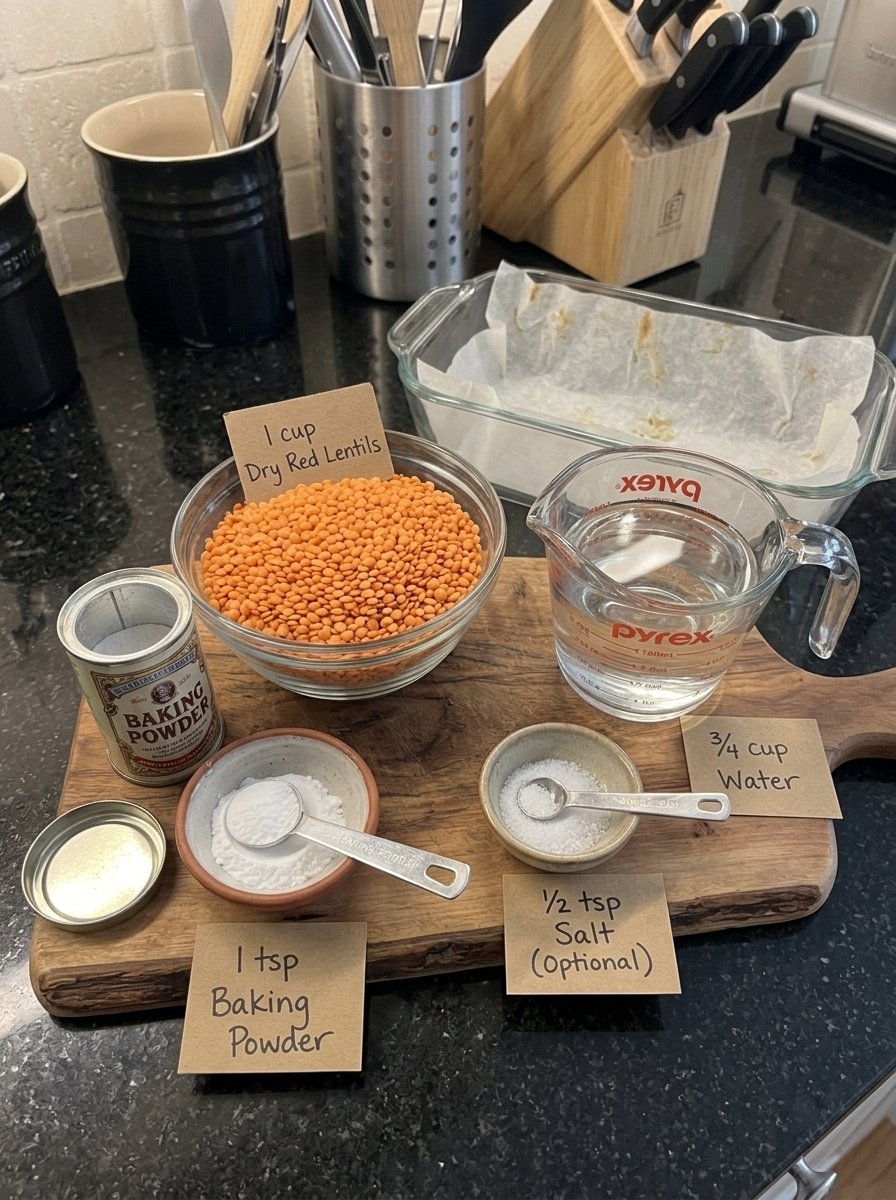
- 1 cup (200 g) dry red lentils
- ¾ cup (180 ml) water, for soaking and blending as needed
- 1 teaspoon baking powder
- ½ teaspoon salt (optional, for extra flavor)
You will also need parchment paper or a little oil to prepare the loaf pan, and a blender. A high-speed blender gives the smoothest batter, but any blender that can fully puree the soaked lentils will work.
Why Red Lentils Work So Well for Bread
Red lentils are a smart choice for a blended batter. They are small, and once softened by soaking they puree easily into a smooth mixture. That smoothness matters, because a batter with gritty lentil pieces bakes into a loaf with an uneven texture.
Soaking is the key step. Soaking helps the lentils blend into a smooth batter and improves the texture of the finished loaf. Skipping it makes the blending harder and can leave a grainy result, so give the lentils their 2 to 3 hours.
Recipe Details at a Glance
- Prep time: 10 minutes
- Soaking time: 2–3 hours
- Bake time: 40–50 minutes
- Cooling time: 55–75 minutes
- Total time: Approximately 3 hours 45 minutes to 5 hours 15 minutes
- Yield: 1 small loaf, approximately 8–10 slices
- Difficulty: Easy
Most of that total time is hands-off. You can soak the lentils in the morning, bake in the afternoon, and have bread ready by evening. You can also bake the loaf a day ahead and refrigerate it, which actually makes slicing easier.
How to Make Red Lentil Sandwich Bread: Step by Step
Step 1: Rinse the Red Lentils
Measure 1 cup (200 g) of dry red lentils and place them in a fine-mesh strainer. Rinse thoroughly under cool running water, gently stirring the lentils with your fingers to remove any dust or residue. Keep rinsing until the water runs mostly clear, then let the excess water drain. Rinsing helps remove excess starch and any dust.
Step 2: Soak the Lentils
Transfer the rinsed lentils to a bowl and cover them with plenty of water. Let them soak for approximately 2 to 3 hours, or until they have softened. If your kitchen is particularly warm, soak them in the refrigerator instead. Once softened, drain the soaking water completely and rinse the lentils again.
Step 3: Preheat the Oven and Prepare the Pan
Preheat your oven to 350°F (175°C). Line a small loaf pan, approximately 8 × 4 inches (20 × 10 cm), with parchment paper. Leave a little overhang on the sides so you can lift the bread out easily after baking. If you do not have parchment paper, grease the pan thoroughly with a little oil so the loaf does not stick.
Step 4: Blend the Lentils
Place the drained red lentils in a blender and add approximately ½ cup (120 ml) of fresh water to begin blending. Blend until the mixture is as smooth as possible, stopping to scrape down the sides if needed. If the blender struggles, add a little more water, one tablespoon at a time.
The batter should be thick and smooth but still pourable, similar to a thick pancake batter. Avoid making it too watery, because excess moisture can prevent the loaf from setting properly.
Step 5: Add the Baking Powder and Salt
Transfer the blended lentil batter to a mixing bowl if you need more room to stir. Add 1 teaspoon of baking powder and the optional ½ teaspoon of salt. Mix gently until the ingredients are evenly distributed.
Avoid overmixing once the baking powder has been added. For the best rise, transfer the batter to the prepared pan soon after mixing.
Step 6: Pour the Batter into the Loaf Pan
Pour the batter into the prepared loaf pan, using a spatula to scrape the bowl clean. Spread it evenly into the corners and gently smooth the surface. Tap the pan lightly on the counter once or twice to release any large air bubbles.
The batter may look different from traditional bread dough because it contains no wheat flour or yeast. That is completely normal for a blended lentil loaf.
Step 7: Bake Until Set and Golden
Place the loaf pan on the center rack of the preheated oven. Bake for approximately 40 to 50 minutes, depending on the thickness of the loaf and your oven. The surface should look set, and the edges may become lightly golden. Avoid opening the oven repeatedly during the first 30 minutes, as this can interfere with the baking process.
Step 8: Check for Doneness
Insert a toothpick or thin skewer into the center of the loaf. It should come out without wet batter clinging to it. The loaf should feel firm enough to hold its shape, although the inside will naturally be more moist and delicate than conventional sandwich bread.
If the center is still wet, return the loaf to the oven for another 5 to 10 minutes and check again. If the top is browning too quickly, loosely cover it with aluminum foil.
Step 9: Cool the Bread Completely
Remove the pan from the oven and let the bread rest in the pan for approximately 10 to 15 minutes. Carefully lift the loaf out using the parchment paper and transfer it to a wire rack. Let it cool completely for approximately 45 to 60 minutes before slicing.
Do not skip this step. Lentil bread needs time for the interior to firm up. Slicing too early can cause the loaf to crumble or feel gummy.
Step 10: Slice and Enjoy
Once the loaf has cooled, use a sharp serrated knife to cut it into even slices. Serve the bread as it is, or lightly toast the slices for a firmer texture and a golden finish. Add your favorite toppings for an easy breakfast, sandwich, or snack.
Tips for the Best Red Lentil Sandwich Bread
Small details make a big difference with a flourless loaf. Keep these tips in mind:
- Rinse the lentils thoroughly. Rinse under cool running water until it runs mostly clear to remove excess starch and dust.
- Soak until softened. About 2 to 3 hours is enough for the lentils to soften so they blend smoothly. Drain and rinse them before blending.
- Blend until completely smooth. A high-speed blender helps create a uniform batter without gritty pieces. Stop and scrape down the sides when needed.
- Adjust the consistency carefully. The batter should be thick but pourable, like thick pancake batter. Add water gradually if it is too thick to blend.
- Use fresh baking powder. It helps the loaf rise slightly and gives it a lighter texture, so check that yours is fresh.
- Avoid adding too much water. Excess liquid can make the bread wet or gummy in the center. Add only enough to get a smooth, blendable batter.
- Prepare the loaf pan properly. Line it with parchment paper or grease it thoroughly to prevent sticking.
- Check the center before removing. The loaf should be set in the middle rather than wet or pasty. Baking times vary with your pan and oven.
- Cool before slicing. Letting the loaf cool completely allows the interior to firm up and prevents crumbling.
- Expect a different texture from wheat bread. This loaf is naturally denser and more delicate, with a mild lentil flavor and a tender crumb.
Troubleshooting Common Problems
My bread is gummy in the middle
This is the most common issue with lentil bread, and it usually comes from one of three causes: too much water in the batter, slicing before the loaf has cooled, or pulling it from the oven too soon. Keep the batter thick but pourable, confirm the center is set with a toothpick, and give the loaf its full cooling time. If the center is still wet, return it to the oven for another 5 to 10 minutes.
My bread crumbled when I sliced it
Cutting a warm loaf is the usual culprit. Let it cool completely, and for the neatest slices, chill it in the refrigerator for a few hours first. A sharp serrated knife also helps.
The texture is gritty
Gritty texture means the lentils were not blended smoothly enough. Make sure they have soaked long enough, use a high-speed blender if you can, and scrape down the sides during blending so every bit gets pureed.
The loaf did not rise much
This bread rises only slightly, and that is expected. Baking powder gives a modest lift, but there is no yeast or gluten to create a tall, airy loaf. If you want the best rise, use fresh baking powder, avoid overmixing, and get the batter into the pan soon after stirring.
The top browned too quickly
If the top is getting too dark before the center sets, loosely cover the loaf with aluminum foil and continue baking.
The bread stuck to the pan
Line the pan with parchment paper, leaving an overhang so you can lift the loaf out. If you are using oil instead, grease the pan thoroughly.
What Does Red Lentil Bread Taste Like?
Expect a mild, savory lentil flavor and a tender crumb. It is not sweet, and it does not taste like wheat bread, but it pairs well with a wide range of toppings. Toasting the slices brings out a firmer texture and a delicious golden finish, which many people prefer for sandwiches and toast.
Because the flavor is mild and earthy, it suits savory toppings especially well. Salt is optional in the recipe, but the half teaspoon adds extra flavor if you like your bread seasoned.
Serving Ideas
This loaf is a blank canvas for breakfast, lunch, and snacks. Here are some of the best ways to use it:
- Avocado toast: Top a toasted slice with mashed avocado, lemon juice, black pepper, and chili flakes.
- Egg breakfast sandwich: Add scrambled eggs, sliced tomatoes, and cheese for a satisfying breakfast.
- Cheese toast: Sprinkle with shredded mozzarella or cheddar and toast until melted.
- Turkey sandwiches: Fill with sliced turkey, lettuce, tomato, and your favorite sauce.
- Mediterranean-style toast: Add hummus, cucumber, tomatoes, and a little crumbled feta.
- Peanut butter and banana: Spread with peanut butter and top with sliced banana for a quick snack.
- Savory herb toast: Brush lightly with olive oil and sprinkle with garlic powder and dried herbs before toasting.
- Soup companion: Serve toasted slices alongside tomato soup, vegetable soup, or a warm lentil stew.
For sandwiches, toast the slices lightly first. The firmer surface holds up better to fillings and makes the bread easier to handle.
How to Store Red Lentil Bread
Because this loaf contains moist blended lentils, storage matters.
- Refrigerator: Once completely cooled, store the bread in an airtight container in the refrigerator for up to 4 to 5 days. Refrigeration is preferable to leaving it at room temperature for several days.
- Freezer: Slice the cooled loaf and freeze the slices in a freezer-safe bag for up to 2 months. Place parchment paper between slices so you can separate them easily.
- Reheating: Toast refrigerated or frozen slices until warmed through and lightly crisp. You can also warm them in a toaster oven.
- Keep it dry: Allow the loaf to cool completely before storing it. Trapping steam inside the container can create excess moisture and affect the texture.
- Best texture: The bread is often easiest to handle after chilling in the refrigerator for a few hours. The crumb becomes firmer, making it easier to cut neat sandwich slices.
- Make-ahead option: Bake the loaf a day ahead, refrigerate it once cooled, and slice it when you are ready to prepare breakfast or sandwiches.
Make-Ahead and Meal Prep Plan
This bread fits neatly into a weekly meal prep routine. Here is an easy way to organize it:
- Morning: Rinse and soak the lentils (about 10 minutes of work, then 2 to 3 hours of waiting).
- Afternoon: Blend, mix, and bake the loaf (about 10 minutes of prep and 40 to 50 minutes in the oven).
- Evening: Let the loaf cool completely, then refrigerate it overnight.
- Next day: Slice, toast, and enjoy, or freeze the extra slices with parchment between them for later.
Having sliced bread in the freezer means a quick toast is always a few minutes away.
Frequently Asked Questions
Is red lentil bread really made with only three ingredients?
The three main ingredients are red lentils, water, and baking powder. Salt is optional and adds flavor. You also need a way to prepare the pan, such as parchment paper or a little oil.
Do I have to soak the lentils?
Yes. Soaking for approximately 2 to 3 hours softens the lentils so they blend into a smooth batter, and it improves the texture of the finished loaf.
Can I make this bread without a high-speed blender?
A high-speed blender makes the smoothest batter, but the goal is simply a completely smooth puree. If your blender is less powerful, make sure the lentils are well soaked, add water gradually one tablespoon at a time, and stop to scrape down the sides often.
Why is my loaf dense?
Density is normal for this bread. Without wheat flour, yeast, or gluten, the loaf is naturally denser and more delicate than traditional yeast bread. Fresh baking powder and gentle mixing help it rise as much as it can.
How do I know when the bread is done?
The surface should look set with lightly golden edges, and a toothpick inserted in the center should come out without wet batter. The loaf should feel firm enough to hold its shape. If the center is still wet, bake for another 5 to 10 minutes.
Can I freeze red lentil bread?
Yes. Slice the cooled loaf and freeze the slices in a freezer-safe bag for up to 2 months, with parchment paper between slices. Toast the slices straight from the freezer.
How long does it keep in the refrigerator?
Store the completely cooled loaf in an airtight container in the refrigerator for up to 4 to 5 days.
Is this recipe gluten-free?
The recipe contains no wheat flour. If you need to avoid gluten strictly, check the labels on your lentils and baking powder, since packaged ingredients can vary by brand and may be processed alongside gluten-containing foods.
What can I put on red lentil bread?
Almost any savory topping works: avocado, eggs, cheese, turkey, hummus, vegetables, or nut butter with banana. Lightly toasting the slices first gives a firmer texture.
Why did my bread turn out wet or gummy?
Too much water in the batter, slicing before the loaf cooled, or underbaking are the usual causes. Keep the batter thick but pourable and let the bread cool for 45 to 60 minutes before cutting.
Final Thoughts
This 3-ingredient red lentil sandwich bread proves that you do not need flour, yeast, or kneading to bake a satisfying homemade loaf. With a little soaking, a quick blend, and a patient cooling period, you get a tender, golden loaf that works for sandwiches, toast, and everything in between.
Remember the essentials: soak the lentils until softened, blend until completely smooth, keep the batter thick but pourable, bake until the center is set, and let the loaf cool fully before slicing. Do that, and you will have an easy, versatile bread ready for avocado toast in the morning and soup-side slices at night.
Try it once, and keep a few slices in the freezer for the days when you want fresh toast without a trip to the bakery.
Print
3-Ingredient Red Lentil Sandwich Bread
Ingredients
- 1 cup (200 g) dry red lentils
- ¾ cup (180 ml) water, for soaking and blending as needed
- 1 teaspoon baking powder
- ½ teaspoon salt (optional, for extra flavor)
You will also need parchment paper or a little oil to prepare the loaf pan, and a blender. A high-speed blender gives the smoothest batter, but any blender that can fully puree the soaked lentils will work.
Why Red Lentils Work So Well for Bread
Red lentils are a smart choice for a blended batter. They are small, and once softened by soaking they puree easily into a smooth mixture. That smoothness matters, because a batter with gritty lentil pieces bakes into a loaf with an uneven texture.
Soaking is the key step. Soaking helps the lentils blend into a smooth batter and improves the texture of the finished loaf. Skipping it makes the blending harder and can leave a grainy result, so give the lentils their 2 to 3 hours.
Instructions
Measure 1 cup (200 g) of dry red lentils and place them in a fine-mesh strainer. Rinse thoroughly under cool running water, gently stirring the lentils with your fingers to remove any dust or residue. Keep rinsing until the water runs mostly clear, then let the excess water drain. Rinsing helps remove excess starch and any dust.
Transfer the rinsed lentils to a bowl and cover them with plenty of water. Let them soak for approximately 2 to 3 hours, or until they have softened. If your kitchen is particularly warm, soak them in the refrigerator instead. Once softened, drain the soaking water completely and rinse the lentils again.
Preheat your oven to 350°F (175°C). Line a small loaf pan, approximately 8 × 4 inches (20 × 10 cm), with parchment paper. Leave a little overhang on the sides so you can lift the bread out easily after baking. If you do not have parchment paper, grease the pan thoroughly with a little oil so the loaf does not stick.
Place the drained red lentils in a blender and add approximately ½ cup (120 ml) of fresh water to begin blending. Blend until the mixture is as smooth as possible, stopping to scrape down the sides if needed. If the blender struggles, add a little more water, one tablespoon at a time.
The batter should be thick and smooth but still pourable, similar to a thick pancake batter. Avoid making it too watery, because excess moisture can prevent the loaf from setting properly.
Transfer the blended lentil batter to a mixing bowl if you need more room to stir. Add 1 teaspoon of baking powder and the optional ½ teaspoon of salt. Mix gently until the ingredients are evenly distributed.
Avoid overmixing once the baking powder has been added. For the best rise, transfer the batter to the prepared pan soon after mixing.
Pour the batter into the prepared loaf pan, using a spatula to scrape the bowl clean. Spread it evenly into the corners and gently smooth the surface. Tap the pan lightly on the counter once or twice to release any large air bubbles.
The batter may look different from traditional bread dough because it contains no wheat flour or yeast. That is completely normal for a blended lentil loaf.
Place the loaf pan on the center rack of the preheated oven. Bake for approximately 40 to 50 minutes, depending on the thickness of the loaf and your oven. The surface should look set, and the edges may become lightly golden. Avoid opening the oven repeatedly during the first 30 minutes, as this can interfere with the baking process.
Insert a toothpick or thin skewer into the center of the loaf. It should come out without wet batter clinging to it. The loaf should feel firm enough to hold its shape, although the inside will naturally be more moist and delicate than conventional sandwich bread.
If the center is still wet, return the loaf to the oven for another 5 to 10 minutes and check again. If the top is browning too quickly, loosely cover it with aluminum foil.
Remove the pan from the oven and let the bread rest in the pan for approximately 10 to 15 minutes. Carefully lift the loaf out using the parchment paper and transfer it to a wire rack. Let it cool completely for approximately 45 to 60 minutes before slicing.
Do not skip this step. Lentil bread needs time for the interior to firm up. Slicing too early can cause the loaf to crumble or feel gummy.
Once the loaf has cooled, use a sharp serrated knife to cut it into even slices. Serve the bread as it is, or lightly toast the slices for a firmer texture and a golden finish. Add your favorite toppings for an easy breakfast, sandwich, or snack.