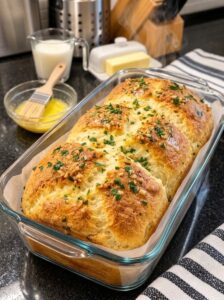
Easy Homemade Greek Flatbread: Soft, Fluffy & Golden (Perfect for Gyros, Wraps & Dipping)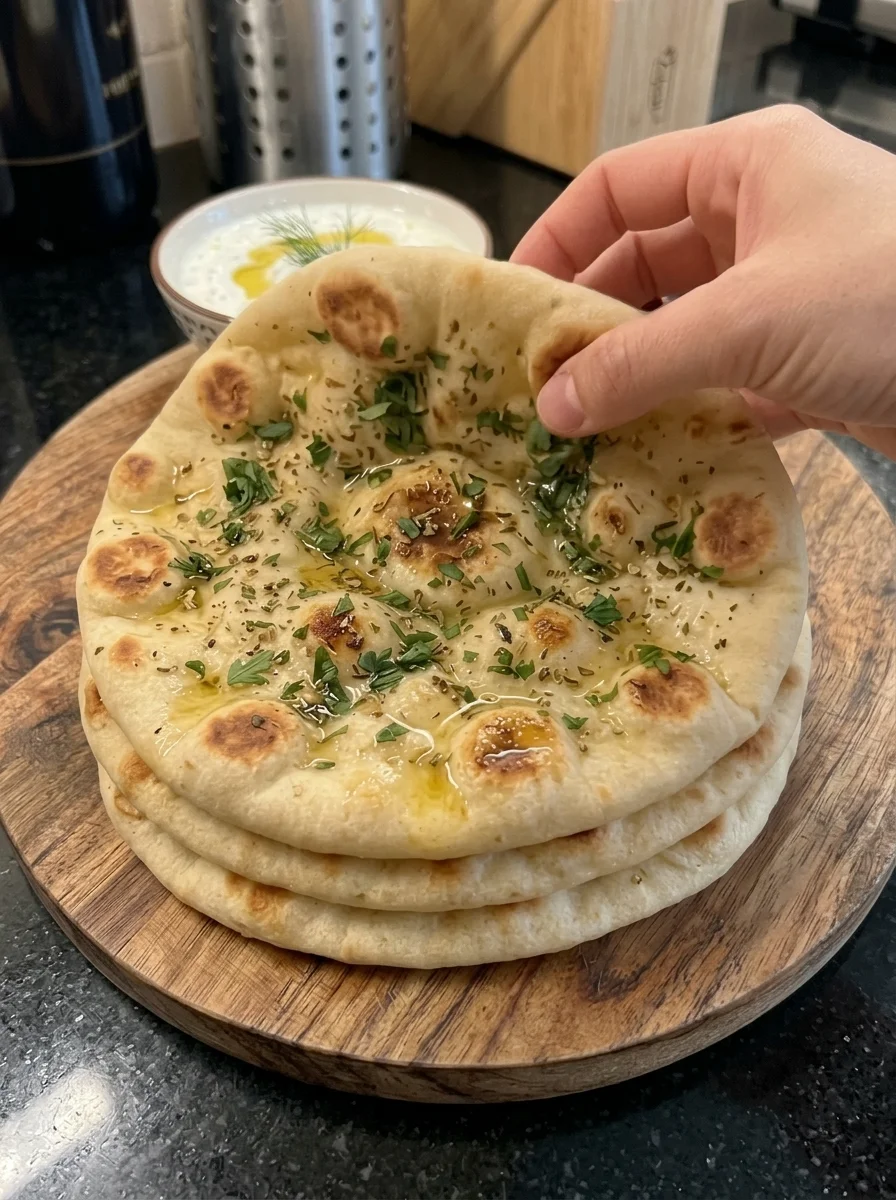
SEO title: Easy Homemade Greek Flatbread Recipe (Soft, Fluffy & Skillet-Cooked)
Meta description: Make soft, fluffy homemade Greek flatbread with yogurt and olive oil in a hot skillet. Perfect for gyros, wraps, and dipping. Easy recipe with tips, variations, storage, and FAQ.
Focus keyword: Greek flatbread
Secondary keywords: homemade flatbread, Greek yogurt flatbread, gyro bread, skillet flatbread, souvlaki wraps, pita-style flatbread, easy flatbread recipe, garlic herb flatbread, Mediterranean flatbread
Few breads are as useful in the kitchen as a good flatbread. It scoops up hummus, wraps around grilled meat, holds a gyro together, soaks up olive oil, and doubles as a quick pizza base. This easy homemade Greek flatbread is soft, fluffy, lightly chewy, and beautifully golden, and you cook it in a skillet, so you do not need an oven, a baking stone, or any special equipment.
The dough is made with everyday ingredients: all-purpose flour, warm water, plain Greek yogurt, olive oil, instant yeast, a little sugar or honey, and salt. The yogurt keeps the bread tender and gives it a subtle tang, the yeast gives it a light, airy interior, and a hot pan gives it golden spots and soft bubbles. A brush of olive oil, with or without garlic and herbs, finishes each round while it is still warm.
In this guide you will find the full recipe, step-by-step instructions, an explanation of how each ingredient works, tips for soft, flexible flatbreads, troubleshooting advice, creative variations, serving ideas, storage and reheating instructions, and answers to the questions home cooks ask most often about flatbread.
Why You’ll Love This Greek Flatbread
There are many flatbread recipes, so what makes this one worth making? Here are the main reasons.
- Soft and fluffy. Yogurt and yeast create a tender, slightly chewy flatbread that stays flexible.
- No special equipment. A large skillet or cast-iron pan is all you need. No oven, grill, or baking stone.
- Simple ingredients. Flour, water, yogurt, olive oil, yeast, sugar or honey, and salt.
- Quick to cook. Each flatbread cooks in just a few minutes once the dough has risen.
- Very versatile. Use it for gyros, souvlaki wraps, dipping, salads, breakfast sandwiches, or flatbread pizza.
- Great flavor. Olive oil and optional garlic and herb oil give it a Mediterranean flavor.
- Easy to customize. Add herbs, cheese, whole-wheat flour, or a little heat.
Recipe Overview
- Prep time: 15 minutes
- Resting time: 45 to 60 minutes
- Cooking time: 15 minutes
- Total time: Approximately 1 hour 15 minutes
- Yield: 6 flatbreads
- Difficulty: Easy
- Equipment: Large skillet or cast-iron pan, rolling pin, and a clean kitchen towel
Ingredients for Greek Flatbread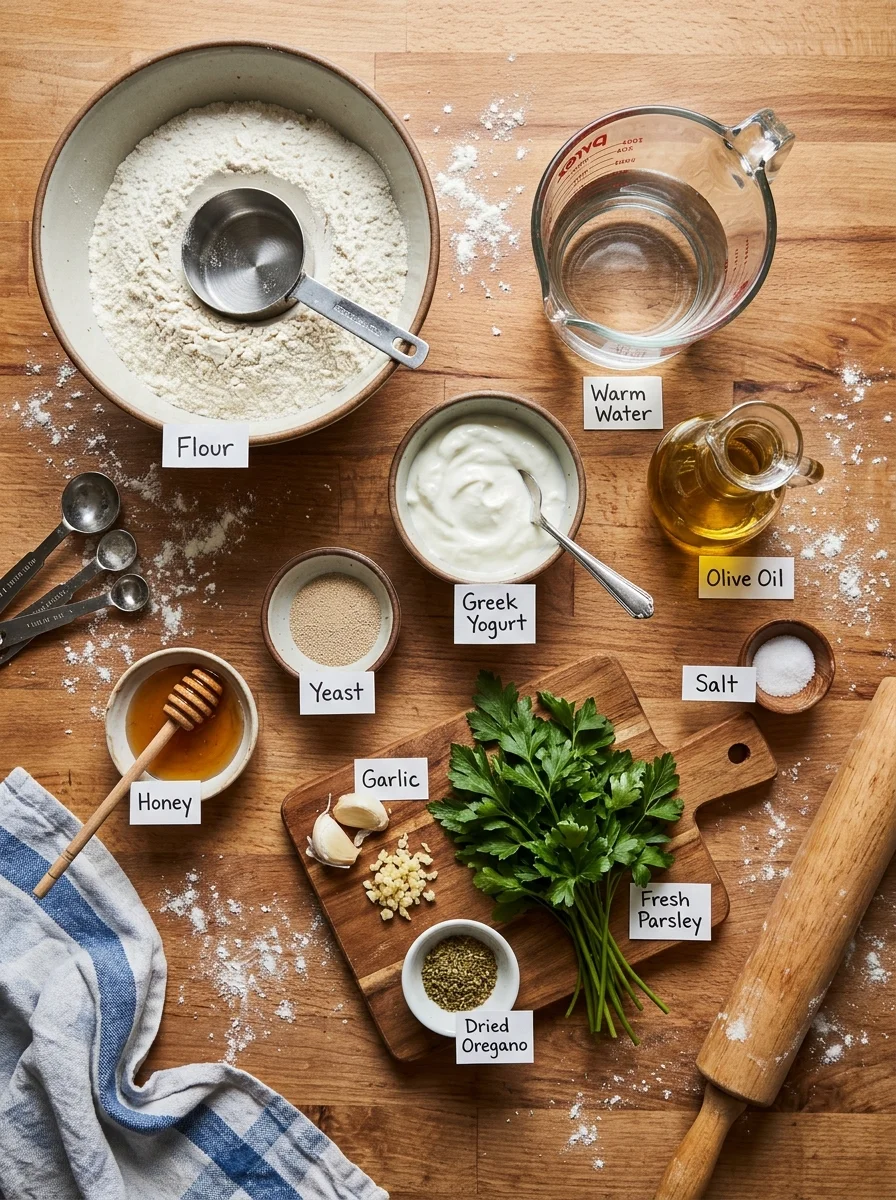
- 3 cups (375 g) all-purpose flour
- ¾ cup (180 ml) warm water
- ½ cup (120 g) plain Greek yogurt
- 2 tablespoons (30 ml) olive oil
- 1 teaspoon (7 g) instant yeast
- 1 teaspoon sugar or honey
- 1 teaspoon salt
Optional garlic herb oil
- 3 tablespoons olive oil
- 1 garlic clove, finely minced
- 1 tablespoon chopped fresh parsley
- ½ teaspoon dried oregano
- A pinch of salt
A Closer Look at the Key Ingredients
All-purpose flour. All-purpose flour gives a soft, tender flatbread with just enough structure to stay flexible. Bread flour would make it chewier, but all-purpose is ideal for a soft, fluffy result.
Warm water. Warm water activates the yeast and brings the dough together. It should feel comfortably warm, not hot, since water that is too hot can damage the yeast and stop the dough from rising.
Plain Greek yogurt. Yogurt is what makes this flatbread so tender. Its fat and acidity soften the gluten, and it adds a subtle tang and moisture. Thick Greek yogurt works best, and full-fat gives the richest result.
Olive oil. Olive oil enriches the dough, keeps the flatbread soft, and adds a gentle fruity flavor. It also helps prevent sticking in the pan and adds flavor when brushed on afterward.
Instant yeast. A small amount of instant yeast gives the dough a light, airy texture and a mild bread flavor. If you only have active dry yeast, let it stand in the warm water with the sugar for 5 to 10 minutes until foamy before continuing.
Sugar or honey. A teaspoon feeds the yeast and encourages golden browning in the pan.
Salt. Salt flavors the bread and strengthens the dough. Do not skip it, or the flatbread will taste flat.
Garlic herb oil (optional). Garlic, parsley, oregano, and olive oil make a quick, fragrant topping that turns plain flatbread into something special.
How to Make Greek Flatbread: Step by Step
Step 1: Prepare the Dough
- In a large mixing bowl, combine the warm water, yeast, and sugar.
- Add the Greek yogurt and olive oil.
- Stir until the mixture is mostly smooth.
- Add the flour and salt.
- Mix with a wooden spoon until a soft dough forms.
The dough should feel slightly sticky but manageable. If it is excessively sticky, add flour one tablespoon at a time.
Step 2: Knead the Dough
- Transfer the dough to a lightly floured surface.
- Knead for approximately 5 to 7 minutes until smooth and elastic.
- Lightly grease a clean bowl with olive oil.
- Place the dough inside and turn it once to coat.
- Cover with a clean kitchen towel or plastic wrap.
A simple check for good kneading is to press the dough gently with a fingertip. It should spring back slowly and feel smooth rather than shaggy.
Step 3: Let the Dough Rise
Allow the dough to rest in a warm place for approximately 45 to 60 minutes, or until noticeably puffy and nearly doubled in size.
The Greek yogurt helps create a wonderfully tender texture, while the yeast gives the flatbread a light, airy interior.
Rising time depends on your kitchen temperature. In a cool room it may take a little longer, so watch the dough rather than the clock.
Step 4: Divide and Shape
- Transfer the dough to a lightly floured surface.
- Divide it into 6 equal portions.
- Roll each portion into a smooth ball.
- Cover the dough balls with a towel and let them rest for 10 minutes.
- Roll each ball into a circle approximately 6 to 8 inches (15 to 20 cm) wide and ¼ inch (about 6 mm) thick.
Avoid rolling them too thin if you want soft, fluffy flatbreads.
The short rest relaxes the gluten, which stops the dough from shrinking back as you roll it.
Step 5: Cook the Flatbreads
- Heat a large skillet or cast-iron pan over medium-high heat.
- Lightly brush the pan with olive oil if needed.
- Place one flatbread into the hot skillet.
- Cook for approximately 1 to 2 minutes, until bubbles appear and the underside develops golden spots.
- Flip and cook for another 1 to 2 minutes.
- Continue flipping briefly if needed until the bread is cooked through and lightly golden.
Repeat with the remaining flatbreads.
Step 6: Brush and Keep Warm
- Mix the olive oil, minced garlic, parsley, oregano, and salt if making the garlic herb oil.
- Brush the warm flatbreads lightly with the mixture.
- Stack the cooked flatbreads and cover them with a clean towel.
Keeping them covered helps trap steam and keeps the bread soft and flexible.
Why Yogurt Makes Flatbread So Soft
Yogurt is the secret ingredient in many soft flatbreads, and the reason is chemistry. Yogurt contains fat, protein, and lactic acid. The acid gently relaxes the gluten in the dough, which makes the finished bread more tender and less rubbery. The fat coats the flour proteins and keeps the crumb soft. And the moisture in the yogurt keeps the flatbread from drying out as it cooks.
Yogurt also adds a very mild tang, which complements Mediterranean fillings such as grilled meats, tzatziki, olives, and feta. Because Greek yogurt is thicker than regular yogurt, it adds richness without making the dough too wet. If you only have regular plain yogurt, the dough may need a little more flour, added one tablespoon at a time.
Combined with yeast, the yogurt gives you the best of both worlds: the light, airy interior of a yeast bread and the tenderness of a quick flatbread.
Tips for Perfect Greek Flatbread
A few small habits make a big difference to how the flatbreads turn out.
- Use warm water. It helps activate the yeast without damaging it.
- Do not add too much flour. A slightly soft dough creates a more tender flatbread.
- Allow the dough to rest. Resting makes the dough easier to roll.
- Preheat the skillet properly. A hot pan creates beautiful golden spots and helps the bread puff.
- Avoid overcooking. Too much cooking can make the flatbread dry and stiff.
- Keep cooked flatbreads covered. This helps preserve their softness.
- Brush while warm. Olive oil and herbs absorb beautifully into the freshly cooked bread.
Troubleshooting Common Problems
The dough did not rise. Check that the yeast is fresh and the water was warm, not hot. A cool kitchen can also slow the rise, so move the dough to a warmer place and give it more time.
The dough is too sticky. Add flour one tablespoon at a time while kneading. Avoid adding too much, since a slightly soft dough produces more tender flatbreads.
The dough keeps shrinking back when I roll it. The gluten is tight. Let the dough balls rest for another 10 minutes, covered, and try again.
The flatbreads are stiff or dry. They may have been rolled too thin or overcooked. Roll to about ¼ inch (6 mm) and cook just until golden spots appear on each side. Stack and cover them right away.
The flatbreads did not puff. The pan may not have been hot enough. Preheat the skillet over medium-high heat, and make sure the dough has risen properly.
The flatbreads are burning. The heat may be too high. Reduce it slightly if the underside darkens before the bread is cooked through.
The flatbreads are doughy inside. They may have been rolled too thick or cooked too quickly. Roll evenly and cook over medium-high heat, flipping a few times if needed.
The flatbreads taste bland. Make sure you used the full teaspoon of salt, and brush the warm bread with garlic herb oil for extra flavor.
Delicious Variations
Garlic Greek Flatbread. Brush generously with garlic butter or garlic olive oil.
Herb Flatbread. Add dried oregano, thyme, or rosemary to the dough.
Whole-Wheat Flatbread. Replace up to half the all-purpose flour with whole-wheat flour. Add a little extra water if needed.
Cheesy Flatbread. Sprinkle grated mozzarella or feta over the bread during the final moments of cooking.
Spicy Flatbread. Add chili flakes or a pinch of cayenne pepper.
Lemon Herb Flatbread. Finish with fresh parsley, lemon zest, and a drizzle of olive oil.
Serving Ideas
This flatbread is versatile enough for almost any Mediterranean-inspired meal. Try it in these ways:
- Greek gyros. Fill with grilled chicken, pork, or beef, fresh tomatoes, red onion, and tzatziki.
- Chicken souvlaki wraps. Add grilled chicken skewers, cucumber, lettuce, and creamy yogurt sauce.
- Mediterranean dipping bread. Serve with hummus, tzatziki, or whipped feta.
- Greek salad wrap. Fill with cucumber, tomatoes, olives, feta, and a drizzle of olive oil.
- Flatbread pizza. Top with tomato sauce, mozzarella, olives, and oregano.
- Breakfast flatbread. Fill with scrambled eggs, cheese, and fresh herbs.
For wraps, warm the flatbread briefly before filling so it is as flexible as possible, and avoid overfilling so it folds neatly around the ingredients.
Storage and Reheating
- Room temperature. Store completely cooled flatbreads in an airtight bag for up to 1 day.
- Refrigerator. Keep in an airtight container for up to 3 to 4 days.
- Freezer. Separate flatbreads with parchment paper and freeze in a sealed bag for up to 2 to 3 months.
- Reheating. Warm in a skillet for 20 to 30 seconds per side, or wrap in foil and heat in a 300°F (150°C) oven for several minutes.
For the softest texture, avoid reheating them for too long.
Frequently Asked Questions
Do I need yeast for Greek flatbread?
This recipe uses a small amount of instant yeast to give the flatbread a light, airy interior. The yogurt adds tenderness, but the yeast provides the rise.
Can I use active dry yeast instead of instant yeast?
Yes. Stir it into the warm water with the sugar and let it stand for 5 to 10 minutes until foamy before adding the other ingredients.
Can I use regular yogurt instead of Greek yogurt?
Yes, but regular yogurt is thinner, so the dough may need a little more flour. Add it one tablespoon at a time.
Do I need to knead the dough?
Yes, a little kneading helps. Knead for about 5 to 7 minutes until the dough is smooth and elastic.
What pan should I use?
A large skillet or cast-iron pan works best. Preheat it over medium-high heat so the flatbreads develop golden spots and puff.
How thick should I roll the flatbreads?
Roll each ball into a circle about 6 to 8 inches (15 to 20 cm) wide and ¼ inch (about 6 mm) thick. Avoid rolling too thin if you want soft, fluffy flatbreads.
How do I keep the flatbreads soft?
Stack the cooked flatbreads and cover them with a clean towel. The trapped steam keeps them soft and flexible.
Can I make the dough ahead of time?
This recipe is written for same-day cooking. For convenience, you can cook the flatbreads and freeze them, then reheat them when needed.
Can I freeze Greek flatbread?
Yes. Separate the cooled flatbreads with parchment paper and freeze in a sealed bag for up to 2 to 3 months. Reheat in a skillet or wrapped in foil in a low oven.
What is the difference between this flatbread and pita?
This flatbread is cooked in a skillet and is not meant to puff into a pocket like pita. It is softer and slightly thicker, which makes it great for wraps, gyros, and dipping.
Final Thoughts
This homemade Greek flatbread is soft, tender, and lightly chewy, with golden spots and a delicious olive oil flavor. It is perfect for gyros, wraps, dipping, or serving alongside your favorite Mediterranean dishes, and it needs nothing more than a skillet to make.
Easy to make, wonderfully soft, and absolutely delicious. Cook a batch tonight, brush the warm rounds with garlic herb oil, and see how quickly they disappear.
Print
Easy Homemade Greek Flatbread
Ingredients
- 3 cups (375 g) all-purpose flour
- ¾ cup (180 ml) warm water
- ½ cup (120 g) plain Greek yogurt
- 2 tablespoons (30 ml) olive oil
- 1 teaspoon (7 g) instant yeast
- 1 teaspoon sugar or honey
- 1 teaspoon salt
Optional garlic herb oil
- 3 tablespoons olive oil
- 1 garlic clove, finely minced
- 1 tablespoon chopped fresh parsley
- ½ teaspoon dried oregano
- A pinch of salt
A Closer Look at the Key Ingredients
All-purpose flour. All-purpose flour gives a soft, tender flatbread with just enough structure to stay flexible. Bread flour would make it chewier, but all-purpose is ideal for a soft, fluffy result.
Warm water. Warm water activates the yeast and brings the dough together. It should feel comfortably warm, not hot, since water that is too hot can damage the yeast and stop the dough from rising.
Plain Greek yogurt. Yogurt is what makes this flatbread so tender. Its fat and acidity soften the gluten, and it adds a subtle tang and moisture. Thick Greek yogurt works best, and full-fat gives the richest result.
Olive oil. Olive oil enriches the dough, keeps the flatbread soft, and adds a gentle fruity flavor. It also helps prevent sticking in the pan and adds flavor when brushed on afterward.
Instant yeast. A small amount of instant yeast gives the dough a light, airy texture and a mild bread flavor. If you only have active dry yeast, let it stand in the warm water with the sugar for 5 to 10 minutes until foamy before continuing.
Sugar or honey. A teaspoon feeds the yeast and encourages golden browning in the pan.
Salt. Salt flavors the bread and strengthens the dough. Do not skip it, or the flatbread will taste flat.
Garlic herb oil (optional). Garlic, parsley, oregano, and olive oil make a quick, fragrant topping that turns plain flatbread into something special.
Instructions
Step 1: Prepare the Dough
- In a large mixing bowl, combine the warm water, yeast, and sugar.
- Add the Greek yogurt and olive oil.
- Stir until the mixture is mostly smooth.
- Add the flour and salt.
- Mix with a wooden spoon until a soft dough forms.
The dough should feel slightly sticky but manageable. If it is excessively sticky, add flour one tablespoon at a time.
Step 2: Knead the Dough
- Transfer the dough to a lightly floured surface.
- Knead for approximately 5 to 7 minutes until smooth and elastic.
- Lightly grease a clean bowl with olive oil.
- Place the dough inside and turn it once to coat.
- Cover with a clean kitchen towel or plastic wrap.
A simple check for good kneading is to press the dough gently with a fingertip. It should spring back slowly and feel smooth rather than shaggy.
Step 3: Let the Dough Rise
Allow the dough to rest in a warm place for approximately 45 to 60 minutes, or until noticeably puffy and nearly doubled in size.
The Greek yogurt helps create a wonderfully tender texture, while the yeast gives the flatbread a light, airy interior.
Rising time depends on your kitchen temperature. In a cool room it may take a little longer, so watch the dough rather than the clock.
Step 4: Divide and Shape
- Transfer the dough to a lightly floured surface.
- Divide it into 6 equal portions.
- Roll each portion into a smooth ball.
- Cover the dough balls with a towel and let them rest for 10 minutes.
- Roll each ball into a circle approximately 6 to 8 inches (15 to 20 cm) wide and ¼ inch (about 6 mm) thick.
Avoid rolling them too thin if you want soft, fluffy flatbreads.
The short rest relaxes the gluten, which stops the dough from shrinking back as you roll it.
Step 5: Cook the Flatbreads
- Heat a large skillet or cast-iron pan over medium-high heat.
- Lightly brush the pan with olive oil if needed.
- Place one flatbread into the hot skillet.
- Cook for approximately 1 to 2 minutes, until bubbles appear and the underside develops golden spots.
- Flip and cook for another 1 to 2 minutes.
- Continue flipping briefly if needed until the bread is cooked through and lightly golden.
Repeat with the remaining flatbreads.
Step 6: Brush and Keep Warm
- Mix the olive oil, minced garlic, parsley, oregano, and salt if making the garlic herb oil.
- Brush the warm flatbreads lightly with the mixture.
- Stack the cooked flatbreads and cover them with a clean towel.
Keeping them covered helps trap steam and keeps the bread soft and flexible.