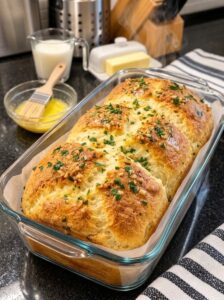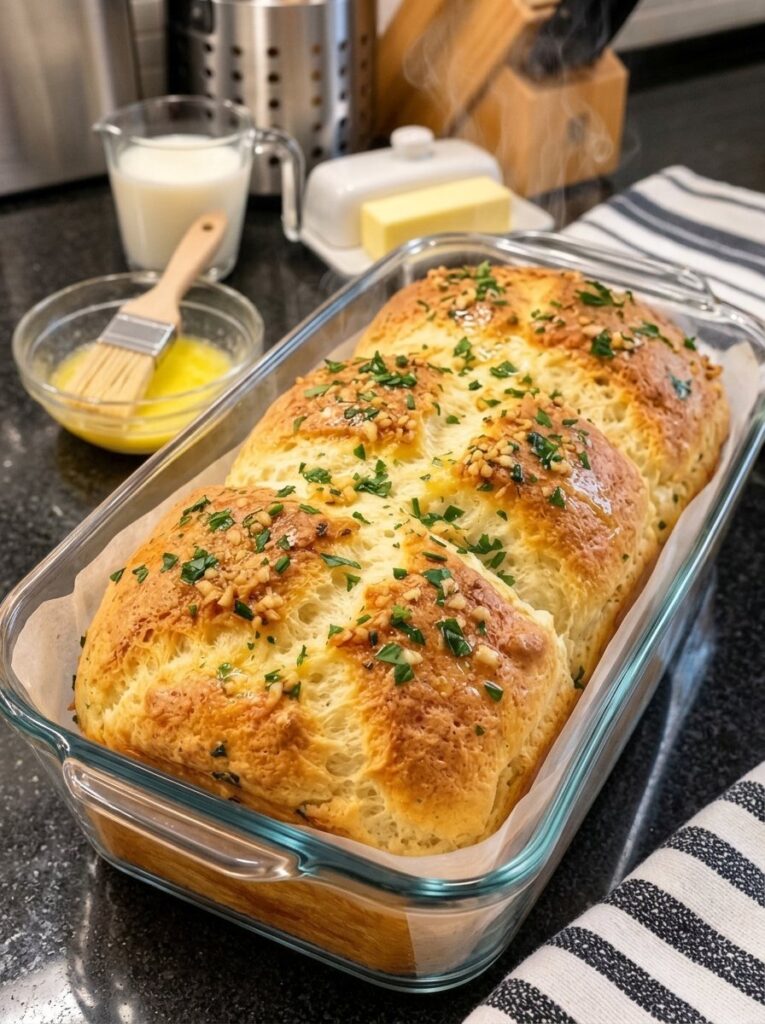
If you have been searching for a keto bread that looks like a real loaf, slices like a real loaf, and actually tastes like something you would want to eat, this keto cottage cheese garlic herb cloud bread deserves a spot in your recipe rotation. It bakes into a tall, golden-brown loaf with a delicate, lightly crisp exterior and an airy, soufflé-like interior. The flavor is rich and savory, thanks to roasted garlic, fresh parsley, and creamy cottage cheese.
Best of all, it is completely grain-free and low-carb, which makes it ideal for keto breakfast toast, hearty lunch sandwiches, or soaking up sauces at the dinner table.
In this guide, you will find the full recipe, step-by-step instructions, the science behind why it works, troubleshooting advice, flavor variations, storage tips, and answers to the most common questions about cottage cheese cloud bread.
What Is Cloud Bread?
Cloud bread is a grain-free bread alternative built on a simple foundation: separated eggs, with the whites whipped into a stiff, glossy meringue and then folded gently into a savory base. The whipped whites create thousands of tiny air bubbles. In the heat of the oven, those bubbles expand and then set, giving the finished bread its signature light, cloud-like structure.
Traditional cloud bread is often made as small flat rounds. This version takes the idea further by baking it as a full loaf in an 8 × 4-inch pan. The cottage cheese adds body, moisture, and protein, so the result is sturdier and more satisfying than a plain egg-and-cream-cheese round. It feels much closer to a bakery-style loaf.
Why You Will Love This Keto Cottage Cheese Bread
There are plenty of low-carb bread recipes out there, but this one stands out for several reasons.
- It is high in protein. Eggs and cottage cheese are both protein-rich, so each slice is filling without relying on specialty flours.
- It is completely grain-free. There is no wheat flour, no almond flour, and no coconut flour. The structure comes entirely from eggs and dairy.
- It is full of flavor. Roasted garlic, parsley, oregano, garlic powder, and optional Parmesan give it the savory character of a garlic bread.
- It is versatile. Toast it, build a sandwich with it, or serve it alongside soup, eggs, or a main dish.
- It uses simple ingredients. Everything in the recipe is easy to find at a regular grocery store.
- It looks impressive. The tall golden loaf is a real showstopper on the counter or table.
Recipe Overview
- Prep time: 20 minutes
- Bake time: 45–55 minutes
- Cooling time: 30–40 minutes
- Total time: approximately 1 hour 45 minutes
- Yield: 1 small loaf, approximately 8–10 slices
- Oven temperature: 300°F (150°C)
- Difficulty: moderate
- Diet: keto, low-carb, and grain-free
Ingredients for Garlic Herb Cloud Bread
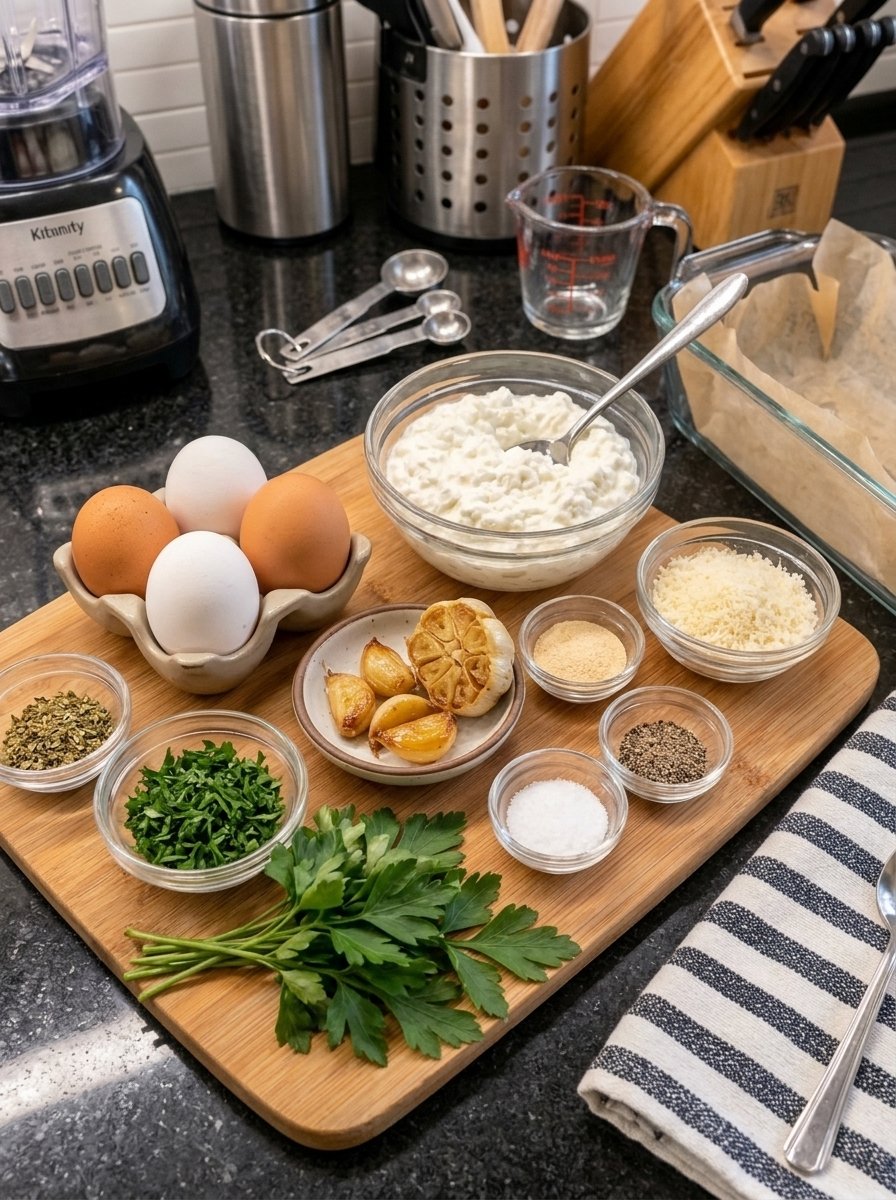
- 4 large eggs, separated (at room temperature, 68°F–72°F)
- 1 cup (225 g) full-fat cottage cheese, preferably well-drained
- 3 cloves roasted garlic, mashed into a smooth paste
- 2 tablespoons finely chopped fresh parsley
- ½ teaspoon dried oregano
- ¼ teaspoon garlic powder
- ¼ teaspoon cream of tartar
- ½ teaspoon salt
- ¼ teaspoon black pepper
- 2 tablespoons finely grated Parmesan cheese (optional)
Why Each Ingredient Matters
Eggs. Eggs are the backbone of this loaf. The yolks add richness and help bind the batter, while the whites provide the lift. Using eggs at room temperature makes them easier to separate and helps the whites whip to a greater volume.
Full-fat cottage cheese. Cottage cheese brings moisture, a gentle tang, and a boost of protein. Choosing full-fat matters because it gives a creamier texture and a more tender crumb. Draining it removes excess liquid that could weigh down the batter.
Roasted garlic. Roasting mellows garlic’s sharp bite and turns it sweet, nutty, and deeply savory. Mashed into a paste, it distributes evenly through the batter so that every slice carries flavor.
Fresh parsley and dried oregano. Parsley adds a bright, clean freshness, while oregano contributes a warm, earthy note. Together they give the bread its classic garlic-herb character.
Garlic powder. A small amount reinforces the garlic flavor and spreads it evenly in a way that fresh garlic alone cannot.
Cream of tartar. This acidic powder stabilizes whipped egg whites, helping them hold their shape and making the foam less likely to collapse while you fold and bake.
Salt and black pepper. Salt sharpens every other flavor, and pepper adds a gentle warmth.
Parmesan (optional). Finely grated Parmesan adds a salty, nutty depth. It is optional, but it pushes the flavor closer to a classic garlic cheese bread.
Tips for the Best Cloud Bread
Cloud bread is simple, but it rewards attention to a few details. These tips make the difference between a tall, tender loaf and a flat one.
- Use room-temperature eggs. They separate and whip more easily, helping create a lighter, fluffier texture.
- Drain the cottage cheese. Removing excess liquid helps prevent the batter from becoming too wet.
- Blend the cottage cheese. A smooth mixture creates a more uniform loaf without noticeable curds.
- Whip the egg whites properly. Beat until stiff, glossy peaks form. This is essential for giving the bread its airy structure.
- Fold gently. Use a spatula and gentle movements to preserve as much air as possible when combining the mixtures.
- Avoid opening the oven too early. Sudden temperature changes can cause the delicate loaf to collapse.
How to Make Keto Cottage Cheese Garlic Herb Cloud Bread
Step 1: Prepare the Oven and Loaf Pan
Preheat your oven to 300°F (150°C). Line an 8 × 4-inch loaf pan with parchment paper, leaving a little overhang on the sides so you can lift the bread out easily later. Lightly grease the parchment if needed.
The low oven temperature is intentional. Egg-based batters set gently at lower heat, which helps the loaf rise evenly and stay tender rather than browning too quickly on the outside while remaining wet in the middle.
Step 2: Prepare the Cottage Cheese Mixture
Add the cottage cheese to a blender or food processor and blend until completely smooth. Transfer it to a large mixing bowl. Add the egg yolks, mashed roasted garlic, chopped parsley, dried oregano, garlic powder, salt, black pepper, and the optional Parmesan cheese. Whisk until the mixture is creamy and evenly combined.
Take your time here. A smooth, well-mixed base is easier to fold into the whites, and it prevents pockets of unmixed yolk or garlic in the finished loaf.
Step 3: Whip the Egg Whites
In a separate clean, dry mixing bowl, add the egg whites and cream of tartar. Using a hand mixer or stand mixer, beat on medium speed until foamy, then increase to high speed. Continue beating until stiff, glossy peaks form. The whites should hold their shape when the beaters are lifted.
Make sure the bowl and beaters are completely clean and dry. Even a small trace of fat or yolk can prevent the whites from reaching full volume. If a little yolk slips in while separating, scoop it out with a piece of eggshell or start that white in a fresh bowl.
Step 4: Fold the Mixtures Together
Add about one-third of the whipped egg whites to the cottage cheese mixture and gently fold to lighten it. Carefully fold in the remaining egg whites in two additions using a spatula. Work slowly and avoid stirring or overmixing so the batter stays airy.
The first addition is sacrificial. It loosens the heavier base so the remaining whites can be folded in with much less effort and much less deflation. Use a wide spatula, cut down through the center, sweep along the bottom, and turn the batter over itself. Stop as soon as no large streaks of white remain.
Step 5: Fill the Loaf Pan
Transfer the batter into the prepared loaf pan. Spread it gently and evenly, smoothing the top without pressing down too much. Give the pan a very gentle tap only if needed to remove large air pockets.
Step 6: Bake Until Golden
Place the loaf pan on the center rack of the preheated oven. Bake for approximately 45–55 minutes, or until the loaf is golden on top and the center feels set. Avoid opening the oven during the first 35–40 minutes, as the bread needs a steady temperature to rise and set properly.
Every oven runs a little differently, so begin checking near the 45-minute mark. The top should look deep golden, and the center should spring back lightly when touched rather than feeling wet or jiggly.
Step 7: Cool Before Slicing
Turn off the oven and leave the door slightly open for about 10 minutes to allow the loaf to cool gradually. Remove the pan and let the bread rest for another 10–15 minutes. Carefully lift it out using the parchment paper and transfer it to a wire rack. Allow it to cool completely before slicing with a serrated knife.
Gradual cooling protects the structure. A sudden blast of cooler air can make a soufflé-style loaf sink, and slicing too early can compress the tender crumb. Patience here pays off in clean, neat slices.
The Science Behind the Fluffy Texture
Understanding why this recipe works makes it much easier to get consistent results.
Egg whites create the structure. When egg whites are whipped, their proteins unfold and link together around tiny air bubbles, forming a stable foam. Cream of tartar strengthens that network. In the oven, the trapped air expands, and the proteins firm up as they heat, locking the airy shape in place.
Yolks and cottage cheese add tenderness. The fats in the yolks and full-fat cottage cheese keep the crumb soft and moist rather than rubbery. Protein from the cottage cheese also contributes to the bread’s body, so it holds together when sliced.
Low heat protects the rise. Baking at 300°F (150°C) allows the loaf to set slowly and evenly. Higher temperatures can cause the exterior to set too quickly, leading to cracking, doming, or a dramatic collapse as the loaf cools.
Troubleshooting: Common Cloud Bread Problems
My loaf collapsed or sank in the middle
This is the most common issue. The usual causes are underwhipped egg whites, overmixing while folding, opening the oven too early, or cooling the loaf too abruptly. Whip the whites until they are truly stiff and glossy, fold with a light hand, keep the oven door closed for the first 35–40 minutes, and follow the gradual cooling step.
My bread is too wet or eggy in the center
Excess moisture is often the culprit. Drain the cottage cheese well before blending, and bake until the center feels set. If the top is browning too fast but the middle still seems wet, loosely tent the loaf with foil and continue baking for a few more minutes.
My egg whites will not whip
Any trace of fat can interfere. Use a spotlessly clean, dry bowl, make sure no yolk has mixed into the whites, and add the cream of tartar before you start beating. Room-temperature whites generally whip better than cold ones.
The texture is dense instead of airy
Dense bread usually means the batter was stirred too vigorously. Fold in the whites in three additions and stop as soon as the batter looks uniform. Avoid pressing the batter down when you fill the pan.
I can see curds in my bread
Blend the cottage cheese until completely smooth before adding it to the other ingredients. A food processor or high-speed blender works best.
Flavor Variations to Try
Once you have mastered the base recipe, it is easy to customize.
- Extra cheesy: Fold in a little shredded mozzarella or sprinkle more Parmesan on the top before baking.
- Everything-seasoning style: Replace the oregano with a pinch of onion powder and a sprinkle of seeds on top.
- Italian herb loaf: Add a pinch of dried basil or thyme alongside the oregano.
- Spicy kick: Add a small pinch of red pepper flakes to the yolk mixture.
- Lemon-herb: Add a little finely grated lemon zest for a bright, fresh finish.
- Chive and onion: Swap some of the parsley for finely chopped chives.
Keep additions small and dry. Wet or heavy mix-ins can weigh down the batter and compromise the rise.
Serving Ideas for Keto Garlic Herb Cloud Bread
This loaf is as versatile as it is flavorful. Here are some of the best ways to enjoy it.
- Keto breakfast toast: Lightly toast a slice and spread it with butter or cream cheese.
- Garlic herb sandwiches: Fill with sliced chicken, turkey, cheese, lettuce, and tomatoes.
- Savory breakfast: Serve alongside scrambled eggs, avocado, or crispy bacon.
- Soup companion: Enjoy with creamy tomato soup, chicken soup, or a bowl of roasted vegetable soup.
- Dinner side: Serve with grilled chicken, roasted vegetables, or your favorite low-carb dinner.
- Cheesy snack: Toast a slice and top with melted mozzarella and a little fresh parsley.
Because the bread is tender, slice it with a serrated knife using a gentle sawing motion rather than pressing down. For sandwiches, a light toasting firms up the slices and makes them easier to handle.
How to Store Cloud Bread
Refrigerator: Once completely cooled, store the loaf in an airtight container for up to 3 days.
Freezer: Slice the cooled bread, place parchment paper between the slices, and freeze in a freezer-safe container for up to 1 month. The parchment keeps the slices from sticking together so you can pull out just what you need.
To reheat: Warm slices gently in a toaster oven or skillet. Avoid excessive heat, as the delicate texture can dry out.
Serving tip: This cloud bread is best enjoyed chilled or at room temperature after it has fully set, then lightly toasted if desired.
Make-Ahead and Meal Prep Tips
This loaf fits neatly into a meal-prep routine. Bake it on a weekend, let it cool completely, and slice it. Keep a few slices in the refrigerator for the next few days and freeze the rest with parchment between them. In the morning, drop a frozen slice into a toaster oven for a quick breakfast. For lunches, pack toasted slices separately from wet fillings and assemble the sandwich just before eating to keep the texture pleasant.
Is Cottage Cheese Cloud Bread Healthy?
This bread is grain-free and low in carbohydrates, which is why it suits keto and many low-carb eating styles. The eggs and cottage cheese provide a good amount of protein, and the recipe contains no flour or added sugar. Exact nutrition values will vary based on the brand of cottage cheese, the size of your eggs, and how thickly you slice the loaf, so check your own ingredient labels if you are tracking macros closely. If you have a medical condition or specific dietary needs, it is always wise to check with a qualified healthcare professional or dietitian.
Frequently Asked Questions
Can I use low-fat or fat-free cottage cheese?
Full-fat cottage cheese is recommended. It produces a creamier, more tender crumb and a richer flavor. Lower-fat versions tend to release more water and can make the bread drier or less flavorful.
Do I have to use cream of tartar?
Cream of tartar helps stabilize the whipped whites, which supports a taller and more reliable loaf. If you do not have any, a small amount of lemon juice or white vinegar can be used in a pinch, though cream of tartar is preferred here.
How do I roast garlic?
Slice the top off a head of garlic, drizzle it with a little olive oil, wrap it in foil, and roast it in the oven until the cloves are soft, golden, and easy to squeeze out. Mash the cloves into a smooth paste before adding them to the batter. You can roast a whole head ahead of time and keep the extra cloves for other recipes.
Can I make this bread without Parmesan?
Yes. The Parmesan is optional. The loaf will still be flavorful thanks to the garlic, herbs, and cottage cheese, though it will taste slightly less salty and cheesy.
Can I use dried parsley instead of fresh?
Fresh parsley gives the best flavor and color. If you only have dried parsley, use a smaller amount, roughly one teaspoon, since dried herbs are more concentrated.
Why do I need to separate the eggs?
The whites need to be whipped on their own to create the airy structure. If yolks are left in, the fat prevents the whites from reaching stiff peaks.
Can I double the recipe?
It is best to make one loaf at a time, or to use two separate pans. Whipping a very large volume of whites and folding a huge batch of batter makes it harder to keep the air in the mixture.
How do I know when the loaf is done?
The top should be golden and the center should feel set. Start checking around 45 minutes. If the top is browning too quickly, tent it loosely with foil for the remaining time.
Why does my cloud bread shrink as it cools?
Some settling is normal for any egg-foam loaf. Following the gradual cooling step, with the oven door slightly open before removing the pan, minimizes shrinkage and helps the loaf keep its shape.
Can I freeze the whole loaf?
Slicing before freezing is more convenient, because you can thaw only what you need. Place parchment paper between slices and store them in a freezer-safe container for up to 1 month.
Final Thoughts
This keto cottage cheese garlic herb cloud bread proves that low-carb eating does not mean giving up a good slice of bread. With its golden crust, soufflé-light interior, and savory garlic-and-herb flavor, it works at breakfast, lunch, and dinner. The method is straightforward once you understand the key points: drain and blend the cottage cheese, whip the whites to stiff and glossy peaks, fold gently, bake low and slow, and let the loaf cool gradually.
Print
Keto Cottage Cheese Garlic Herb Cloud Bread
- Total Time: 1 hour 45 minutes
- Yield: 1 small loaf (8–10 slices) 1x
Ingredients
- 4 large eggs, separated (at room temperature, 68°F–72°F)
- 1 cup (225 g) full-fat cottage cheese, preferably well-drained
- 3 cloves roasted garlic, mashed into a smooth paste
- 2 tablespoons finely chopped fresh parsley
- ½ teaspoon dried oregano
- ¼ teaspoon garlic powder
- ¼ teaspoon cream of tartar
- ½ teaspoon salt
- ¼ teaspoon black pepper
- 2 tablespoons finely grated Parmesan cheese (optional)
Instructions
Preheat your oven to 300°F (150°C). Line an 8 × 4-inch loaf pan with parchment paper, leaving a little overhang on the sides so you can lift the bread out easily later. Lightly grease the parchment if needed.
The low oven temperature is intentional. Egg-based batters set gently at lower heat, which helps the loaf rise evenly and stay tender rather than browning too quickly on the outside while remaining wet in the middle.
Step 2: Prepare the Cottage Cheese Mixture
Add the cottage cheese to a blender or food processor and blend until completely smooth. Transfer it to a large mixing bowl. Add the egg yolks, mashed roasted garlic, chopped parsley, dried oregano, garlic powder, salt, black pepper, and the optional Parmesan cheese. Whisk until the mixture is creamy and evenly combined.
Take your time here. A smooth, well-mixed base is easier to fold into the whites, and it prevents pockets of unmixed yolk or garlic in the finished loaf.
Step 3: Whip the Egg Whites
In a separate clean, dry mixing bowl, add the egg whites and cream of tartar. Using a hand mixer or stand mixer, beat on medium speed until foamy, then increase to high speed. Continue beating until stiff, glossy peaks form. The whites should hold their shape when the beaters are lifted.
Make sure the bowl and beaters are completely clean and dry. Even a small trace of fat or yolk can prevent the whites from reaching full volume. If a little yolk slips in while separating, scoop it out with a piece of eggshell or start that white in a fresh bowl.
Step 4: Fold the Mixtures Together
Add about one-third of the whipped egg whites to the cottage cheese mixture and gently fold to lighten it. Carefully fold in the remaining egg whites in two additions using a spatula. Work slowly and avoid stirring or overmixing so the batter stays airy.
The first addition is sacrificial. It loosens the heavier base so the remaining whites can be folded in with much less effort and much less deflation. Use a wide spatula, cut down through the center, sweep along the bottom, and turn the batter over itself. Stop as soon as no large streaks of white remain.
Step 5: Fill the Loaf Pan
Transfer the batter into the prepared loaf pan. Spread it gently and evenly, smoothing the top without pressing down too much. Give the pan a very gentle tap only if needed to remove large air pockets.
Step 6: Bake Until Golden
Place the loaf pan on the center rack of the preheated oven. Bake for approximately 45–55 minutes, or until the loaf is golden on top and the center feels set. Avoid opening the oven during the first 35–40 minutes, as the bread needs a steady temperature to rise and set properly.
Every oven runs a little differently, so begin checking near the 45-minute mark. The top should look deep golden, and the center should spring back lightly when touched rather than feeling wet or jiggly.
Step 7: Cool Before Slicing
Turn off the oven and leave the door slightly open for about 10 minutes to allow the loaf to cool gradually. Remove the pan and let the bread rest for another 10–15 minutes. Carefully lift it out using the parchment paper and transfer it to a wire rack. Allow it to cool completely before slicing with a serrated knife.
Gradual cooling protects the structure. A sudden blast of cooler air can make a soufflé-style loaf sink, and slicing too early can compress the tender crumb. Patience here pays off in clean, neat slices.
- Prep Time: 20 minutes
- Cook Time: 45–55 minutes