Fresh Caprese Pasta Salad with Balsamic: A Summer Classic in Every Bite
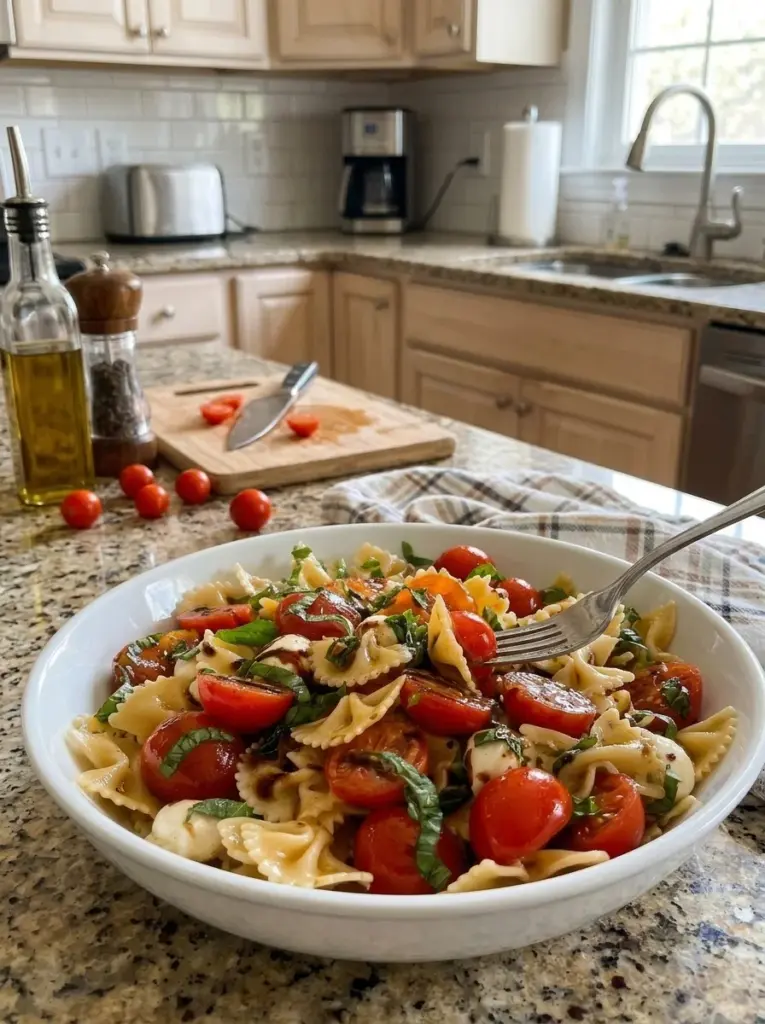
Few flavor combinations are as iconic, or as effortlessly delicious, as tomato, mozzarella, and basil. In Italy, the classic caprese salad is a simple plate of sliced tomatoes, fresh mozzarella, and basil leaves, drizzled with olive oil. Take those same ingredients, toss them with tender pasta and a bright balsamic dressing, and you get a fresh caprese pasta salad that is perfect for picnics, barbecues, potlucks, light lunches, and easy weeknight dinners.
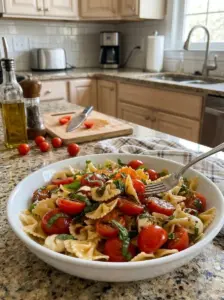
This recipe celebrates peak-season produce. Sweet, juicy cherry tomatoes burst with flavor, creamy mozzarella pearls melt in your mouth, and fragrant basil perfumes every bite. A simple homemade balsamic vinaigrette, made with olive oil, balsamic vinegar, garlic, and a touch of honey, ties everything together with a tangy-sweet finish. It is vibrant, refreshing, and ready in about 25 minutes.
Below, you will find the complete ingredient list, easy step-by-step instructions, tips for the best flavor and texture, variations, serving ideas, make-ahead and storage guidance, and answers to common questions about making caprese pasta salad.
Why You Will Love This Caprese Pasta Salad
It is fresh and flavorful. Ripe tomatoes, basil, and mozzarella need very little help to shine, and the balsamic dressing adds just enough tang and sweetness.
It is quick and easy. The pasta cooks in about 10 minutes, the dressing whisks together in a minute, and the rest is simple chopping and tossing.
It is a make-ahead favorite. Pasta salads often taste even better after chilling for an hour or two, when the flavors have time to meld.
It is perfect for any occasion. Serve it at summer cookouts, bring it to a party, pack it for lunch, or enjoy it as a light main dish with grilled chicken.
It is vegetarian. With no meat and plenty of fresh produce, it fits easily into a vegetarian menu.
It is a crowd-pleaser. The flavors are familiar and fresh, making this salad popular with adults and kids alike.
It is easy to customize. Add protein, vegetables, or different cheeses to make it your own.
Ingredients for Fresh Caprese Pasta Salad with Balsamic
This recipe serves 6 to 8 as a side dish.
For the Salad
- 12 oz short pasta, such as rotini, fusilli, farfalle (bowties), or penne
- 2 cups cherry or grape tomatoes, halved (about 1 pint)
- 8 oz mini fresh mozzarella balls (ciliegine or pearls), drained
- ¾ cup fresh basil leaves, torn or thinly sliced, plus extra for garnish
- 2 tbsp extra virgin olive oil, for tossing the pasta
- Optional: ¼ cup thinly sliced red onion or shallot
- Optional: ½ cup pitted kalamata olives or marinated artichoke hearts
For the Balsamic Dressing
- ¼ cup extra virgin olive oil
- 3 tbsp balsamic vinegar
- 1 tbsp red wine vinegar (optional, for extra brightness)
- 1 clove garlic, minced or grated
- 1 tsp honey or maple syrup
- 1 tsp Dijon mustard
- 1 tsp dried Italian seasoning (or ½ tsp dried oregano)
- ½ tsp salt, plus more to taste
- ¼ tsp black pepper
For Finishing
- Balsamic glaze, for drizzling
- Flaky sea salt
- Freshly cracked black pepper
Ingredient Notes and Substitutions
Pasta
Choose a short pasta with ridges, twists, or curves that trap the dressing and hold on to small pieces of tomato and cheese. Rotini, fusilli, farfalle, cavatappi, penne, and medium shells are all excellent. Cook the pasta in well-salted water until al dente, and do not overcook it, since it will soften slightly as it absorbs the dressing. For a gluten-free option, use gluten-free pasta and rinse it after cooking to remove excess starch.
Tomatoes
Cherry or grape tomatoes are ideal because they are sweet, juicy, and available year-round with consistently good flavor. Halve them so they release their juices into the salad. Heirloom tomatoes, diced, are a gorgeous alternative in summer. If your tomatoes are not especially flavorful, toss them with a pinch of salt and sugar and let them sit for 10 minutes to draw out their sweetness.
Fresh Mozzarella
Fresh mozzarella has a soft, milky, delicate flavor and a tender texture. Mini mozzarella balls, sold as ciliegine or pearls (perlini), are convenient because they require no chopping. If you only find a larger ball, cut it into bite-size cubes. Drain the mozzarella well and pat it dry before adding it to the salad, since extra moisture will thin the dressing. Burrata or torn buffalo mozzarella make the salad more luxurious. Low-moisture shredded mozzarella is not recommended.
Basil
Fresh basil is essential. Its sweet, peppery, anise-like aroma defines a caprese. Tear or slice the leaves just before serving, since cut basil can darken. Stack the leaves, roll them tightly, and slice thinly for a chiffonade, or simply tear them by hand. Do not substitute dried basil for the fresh leaves in this recipe.
Balsamic Vinegar
A good-quality balsamic vinegar makes a real difference. Look for one that is slightly syrupy and sweet-tart rather than harsh. White balsamic vinegar is a lighter option that keeps the salad bright and colorful. Balsamic glaze, a thick reduction of balsamic vinegar, is used for drizzling on top for a beautiful finish and extra sweetness.
Olive Oil
Use a fruity extra virgin olive oil, since it is a main component of the dressing and its flavor comes through clearly.
Honey and Dijon
A little honey balances the acidity of the vinegar, and Dijon mustard helps the dressing emulsify so that it stays creamy and clings to the pasta. Both are optional but recommended.
How to Make Fresh Caprese Pasta Salad with Balsamic
Step 1: Cook the Pasta
Bring a large pot of generously salted water to a boil. Add the pasta and cook according to the package directions until al dente, usually 8 to 11 minutes. Drain the pasta and rinse it under cold running water until cooled. This stops the cooking and removes extra starch that can make the salad gummy. Drain thoroughly.
Step 2: Toss the Pasta with Olive Oil
Transfer the cooled pasta to a large bowl and toss it with 2 tablespoons of olive oil. This prevents the pasta from sticking together while you prepare the other ingredients.
Step 3: Whisk the Balsamic Dressing
In a small bowl or jar, combine the olive oil, balsamic vinegar, red wine vinegar, garlic, honey, Dijon mustard, Italian seasoning, salt, and pepper. Whisk vigorously, or shake in a sealed jar, until emulsified and slightly thickened. Taste the dressing and adjust the salt, vinegar, or honey as desired. It should taste slightly bolder than you want the finished salad to be, since the pasta will mellow the flavor.
Step 4: Prep the Tomatoes, Mozzarella, and Basil
Halve the cherry tomatoes and place them in a bowl. Drain the mozzarella pearls and pat them dry with paper towels. Tear or slice the basil leaves just before assembling.
Step 5: Combine
Add the tomatoes, mozzarella, red onion (if using), and olives (if using) to the pasta. Pour most of the dressing over the top and toss gently until everything is evenly coated. Fold in the basil last, so it stays bright and green.
Step 6: Chill
Cover the salad and refrigerate for at least 30 minutes, ideally 1 to 2 hours, to allow the flavors to blend. Chilling lets the pasta absorb the dressing and makes the salad taste more cohesive.
Step 7: Taste, Adjust, and Garnish
Before serving, toss the salad again and taste. Add the remaining dressing, a pinch of salt, or a splash of balsamic if needed. Garnish with extra basil, a drizzle of balsamic glaze, flaky sea salt, and cracked black pepper. Serve cold or at room temperature.
Tips for the Best Caprese Pasta Salad
Use ripe, flavorful tomatoes. Because the ingredient list is short, the quality of the tomatoes matters. Choose tomatoes that are fragrant and sweet.
Do not overcook the pasta. Al dente pasta holds its shape and texture. Overcooked pasta turns mushy once it absorbs the dressing.
Rinse the pasta. Cold water rinsing prevents clumping and keeps the salad light.
Drain and dry the mozzarella. Excess liquid dilutes the dressing, so blot the cheese well.
Add the basil at the end. Delicate basil leaves bruise and darken easily. Fold them in just before chilling or right before serving.
Season the dressing generously. Pasta is mild and absorbs flavor, so make sure the dressing tastes lively.
Save a little dressing. Pasta salads absorb dressing as they sit. Reserve a few tablespoons to refresh the salad before serving.
Serve at the right temperature. Pasta salad tastes best cool, but not ice cold. Let it sit out for 10 to 15 minutes before serving so the flavors open up and the olive oil softens.
Finish with balsamic glaze. A last drizzle adds a glossy, sweet-tangy finish and makes the salad look beautiful.
Delicious Variations
Add protein. Stir in grilled chicken, shredded rotisserie chicken, cooked shrimp, or crumbled Italian sausage for a heartier main dish. Chickpeas or white beans work well for a vegetarian protein boost.
Pesto caprese pasta salad. Replace some of the dressing with 3 to 4 tablespoons of basil pesto for a richer, more herbal salad.
Add prosciutto or salami. Salty cured meats pair beautifully with tomato and mozzarella. Tear thin slices of prosciutto over the top.
Add vegetables. Fold in baby spinach, arugula, diced cucumber, zucchini ribbons, roasted red peppers, or artichoke hearts for color and crunch.
Add crunch. Top with toasted pine nuts, toasted breadcrumbs, or crushed garlic croutons.
Lemon twist. Add lemon zest and a squeeze of lemon juice to the dressing for a brighter flavor.
Burrata caprese pasta salad. Serve the salad topped with torn burrata for a creamy, luxurious presentation.
Spicy. Add a pinch of red pepper flakes or a few sliced pepperoncini for a gentle kick.
Roasted tomato version. Roast the cherry tomatoes at 400°F for 15 to 20 minutes for sweeter, deeper flavor and add them to the salad.
Different pasta. Try orecchiette, tortellini, or even ditalini. Cheese tortellini makes the salad extra hearty.
What to Serve with Caprese Pasta Salad
This salad pairs well with almost any summer meal.
- Grilled chicken, steak, or sausages for a classic barbecue plate.
- Grilled shrimp or salmon for a light, seafood-friendly meal.
- Burgers and sandwiches as a fresh alternative to heavier sides.
- Garlic bread or focaccia for soaking up the dressing.
- A simple green salad or fresh fruit for a complete picnic spread.
For drinks, serve with a crisp white wine such as Pinot Grigio, a dry rosé, sparkling water with lemon, or iced tea.
Make-Ahead, Storage, and Food Safety
Make ahead: You can prepare this salad up to 24 hours ahead. For the best results, keep the basil and a little extra dressing separate and add them right before serving. You can also store the cooked pasta, dressing, and chopped ingredients separately and combine them a few hours before serving.
Refrigerating: Store leftovers in an airtight container in the refrigerator for up to 3 to 4 days. The pasta will absorb the dressing, so refresh with a splash of olive oil and balsamic vinegar before serving.
Keeping it cold: Because the salad contains fresh dairy, do not leave it at room temperature for more than 2 hours, or 1 hour on hot days above 90°F. Keep it in a bowl set over ice when serving outdoors.
Freezing: Freezing is not recommended, since the tomatoes and mozzarella will change texture after thawing.
Frequently Asked Questions
What is in a caprese pasta salad?
The core ingredients are pasta, tomatoes, fresh mozzarella, and basil, tossed in a dressing of olive oil and balsamic vinegar. Many versions add garlic, honey, and seasonings.
Can I make caprese pasta salad ahead of time?
Yes. It tastes great after chilling for an hour or two and can be made up to a day ahead. Add the basil last, and refresh the salad with a splash of dressing before serving.
What kind of pasta is best?
Rotini, fusilli, farfalle, penne, and cavatappi are the best choices because their shapes catch the dressing and ingredients.
Can I use regular mozzarella instead of fresh?
Fresh mozzarella is recommended for its soft, creamy texture and mild flavor. Low-moisture mozzarella is firmer and chewier, and it does not give the same result, though cubed low-moisture mozzarella can work in a pinch.
Should I use balsamic vinegar or balsamic glaze?
Both. Use balsamic vinegar in the dressing, and finish the salad with a drizzle of balsamic glaze for extra sweetness and a polished look.
How do I keep the basil from turning black?
Add the basil at the last minute, tear or slice it gently, and avoid tossing it vigorously. Using a sharp knife for slicing also prevents bruising.
Why is my pasta salad dry?
Pasta absorbs dressing as it sits. Stir in extra olive oil, balsamic vinegar, or a spoonful of reserved dressing to freshen it up.
Can I make it vegan?
Replace the mozzarella with a plant-based mozzarella or marinated white beans, and use maple syrup instead of honey in the dressing.
Can I make it gluten-free?
Yes. Use a gluten-free pasta, and check that your mustard and seasonings are gluten-free.
Can I use canned or sun-dried tomatoes?
Fresh tomatoes are best for this salad. Sun-dried tomatoes packed in oil can be added in small amounts for a more intense flavor, but they are not a substitute for fresh tomatoes.
Final Thoughts: Simple, Fresh, and Full of Summer Flavor
Fresh caprese pasta salad with balsamic brings together the best of Italian summer: juicy tomatoes, creamy mozzarella, fragrant basil, and tender pasta tossed in a lively balsamic vinaigrette. It is easy to prepare, endlessly adaptable, and perfect for any gathering or weeknight meal. With just a handful of quality ingredients and a few simple techniques, you can create a salad that looks beautiful and tastes even better.
Make a big bowl, set it on the table, and watch it disappear. If you try it, leave a comment and a star rating, and share how you customized your salad. Happy cooking!