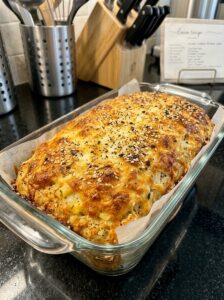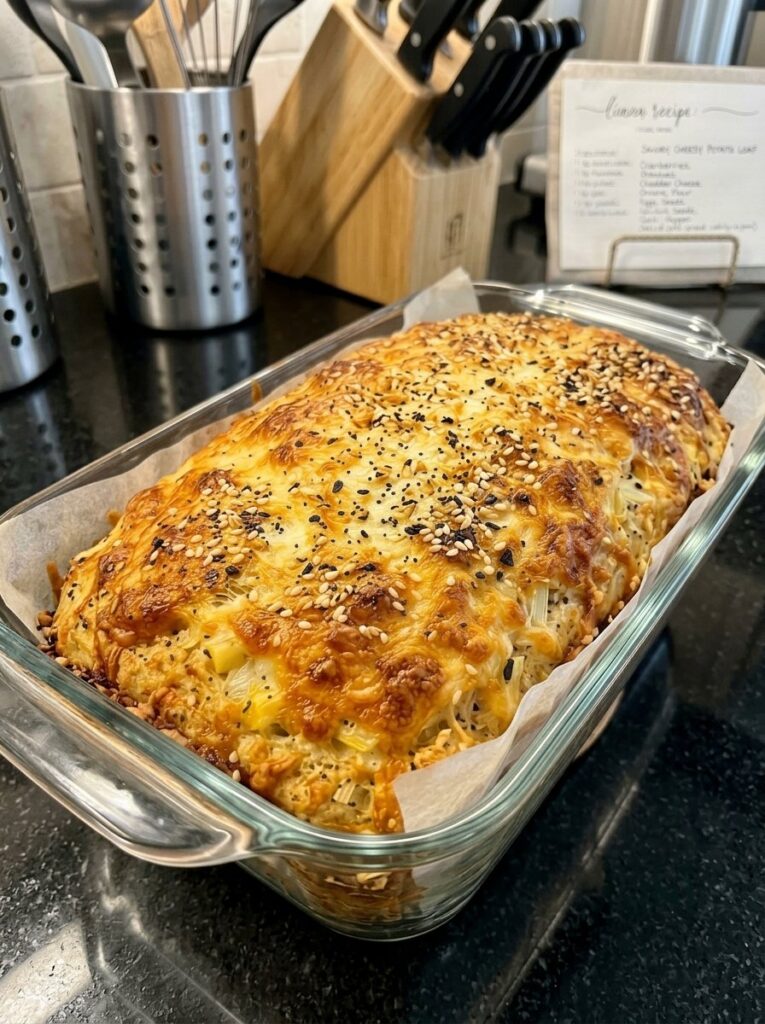
High-Protein Cottage Cheese Onion Bagel Bread: The Easy Homemade Loaf That Tastes Like Your Favorite Bagel Shop
If you’ve been searching for a way to enjoy the deep, savory flavor of a classic onion bagel without the carb overload or the trip to the bakery, this High-Protein Cottage Cheese Onion Bagel Bread is about to become your new obsession. It’s soft, cheesy, packed with protein, and bursting with the same rich, aromatic onion flavor that makes bagel shop loaves so addictive — except this one comes together in your own kitchen with simple, wholesome ingredients you probably already have on hand.
This isn’t just another “protein bread” trend recipe. It’s a genuinely delicious, bakery-style loaf that happens to be loaded with muscle-friendly protein thanks to cottage cheese, eggs, and a generous blend of cheeses. Whether you’re meal prepping for the week, looking for a healthier breakfast option, or simply craving something warm and cheesy straight out of the oven, this bread checks every box.
In this guide, we’ll walk through exactly why this recipe works, the ingredients that make it special, a full step-by-step method, expert tips for getting it right every time, creative serving ideas, storage instructions, and answers to the most common questions bakers ask about high-protein bread recipes like this one.
Why You’ll Love This High-Protein Cottage Cheese Bread
There’s a reason cottage cheese bread recipes have exploded in popularity across food blogs and social media. Cottage cheese isn’t just a health food staple anymore — it’s become the secret weapon behind some of the fluffiest, most protein-dense baked goods on the internet. Here’s why this particular recipe stands out from the crowd.
It’s genuinely high in protein. Between the cottage cheese, eggs, Parmesan, and mozzarella, every slice of this bread delivers a meaningful protein boost compared to traditional bagels or sandwich bread. That makes it an excellent choice for anyone trying to increase their daily protein intake without relying on protein powders or processed bars.
It tastes like a real onion bagel. The combination of sautéed onion, dried onion flakes, garlic powder, and two kinds of cheese recreates that unmistakable savory, slightly sweet onion-bagel flavor in loaf form. If you love New York-style bagels, this bread scratches that same itch.
It’s incredibly versatile. This loaf works for breakfast, lunch, snacks, or even a light dinner side. Toast it, top it, sandwich it, or eat it plain — it holds up beautifully no matter how you serve it.
It’s simple enough for beginners. Unlike traditional bagels, which require boiling, shaping, and precise yeast proofing, this bread uses self-rising flour, which means there’s no yeast, no proofing time, and no complicated technique. You mix, pour, and bake.
It’s meal-prep friendly. This loaf slices beautifully, freezes well, and reheats in minutes, making it a fantastic addition to any weekly meal prep rotation.
The Ingredients That Make This Bread Special
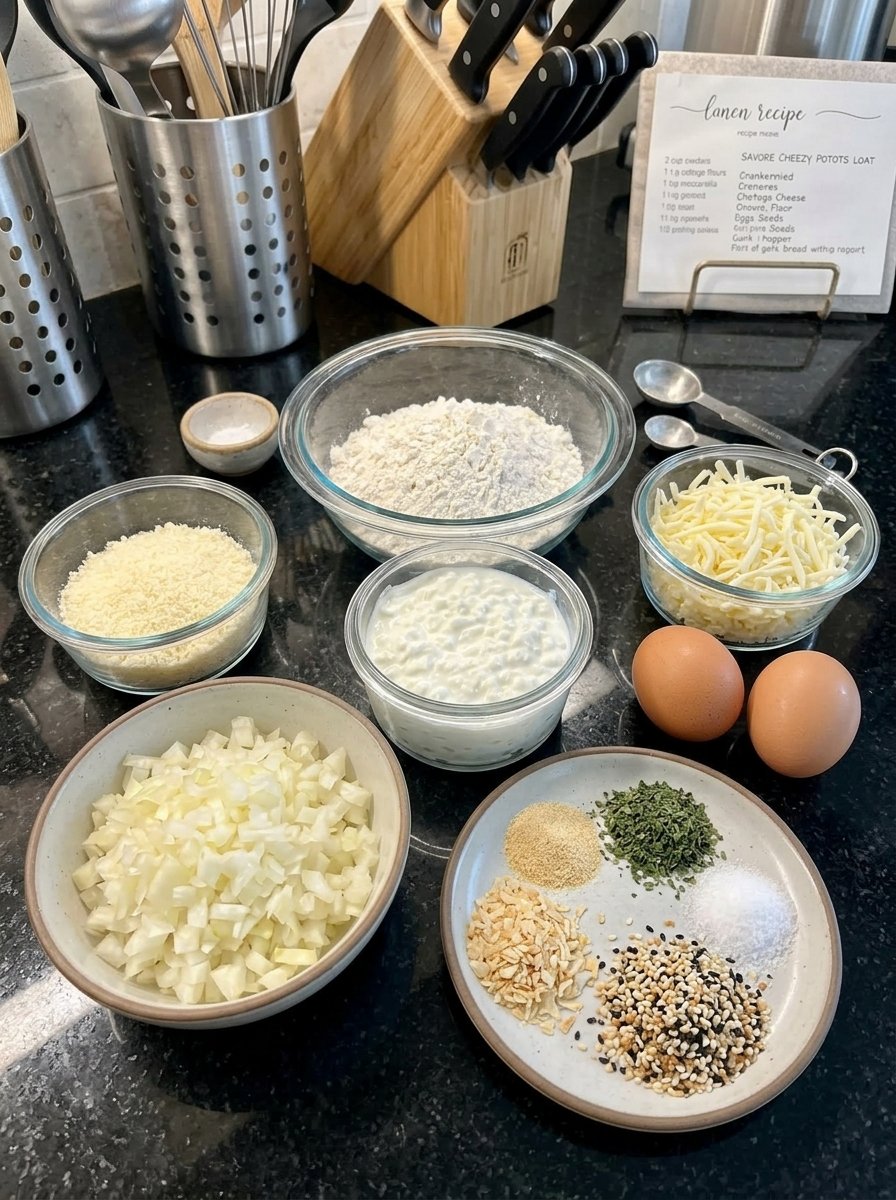
Understanding why each ingredient matters will help you get the best possible results — and gives you the confidence to make smart substitutions if needed.
Cottage Cheese
Cottage cheese is the star of this recipe. It adds moisture, a subtle tang, and a significant protein punch while keeping the crumb soft and tender. If your cottage cheese is particularly watery, draining it briefly before measuring will help prevent a soggy loaf. For an ultra-smooth texture with no visible curds, you can blend the cottage cheese before mixing it into the batter.
Eggs
Two large eggs provide structure, richness, and additional protein. They also help bind the batter together, giving the finished loaf a tender, cake-like crumb rather than a dense, gummy texture.
Self-Rising Flour
Self-rising flour is the secret to skipping yeast entirely. Because it already contains baking powder and salt, it gives the bread lift and a soft, airy structure without any proofing time. This is what transforms the recipe from an all-day bagel-making project into a 15-minute prep, one-bowl bake.
Parmesan and Mozzarella Cheese
This dynamic cheese duo does double duty. Parmesan brings a sharp, salty, umami-rich flavor that deepens the overall taste of the bread, while mozzarella melts into gooey pockets throughout the loaf, giving every bite that irresistible cheesy pull. Using freshly grated and shredded cheese (rather than pre-shredded, anti-caking-coated varieties) will give you the best melt and flavor.
Onion
Fresh yellow onion, finely diced and lightly sautéed, is what gives this bread its signature savory backbone. Cooking the onion first softens its sharp bite and brings out a subtle natural sweetness, while ensuring it cooks through fully during baking.
Garlic Powder, Dried Parsley, and Dried Onion Flakes
This seasoning trio is what ties everything together into that classic “everything bagel meets onion bagel” flavor profile. The dried onion flakes in particular intensify the onion flavor without adding extra moisture, and they can be increased for an even bolder taste.
Salt
A modest amount of salt balances the richness of the cheese and rounds out all the savory flavors in the loaf.
Step-by-Step: How to Make High-Protein Cottage Cheese Onion Bagel Bread
Step 1: Prepare the Onion
Start by finely dicing half a medium yellow onion into small, even pieces — the smaller and more uniform the dice, the more evenly the onion will distribute throughout the batter and cook through during baking. Heat a small skillet over medium heat and sauté the onion for 3 to 5 minutes, stirring occasionally, until it softens and turns lightly golden. Remove it from the heat and let it cool slightly before adding it to the batter. This quick pre-cooking step is essential — it mellows the onion’s raw sharpness and ensures it doesn’t remain crunchy or undercooked in the finished loaf.
Step 2: Make the Cottage Cheese Base
While the onion cools, preheat your oven to 375°F (190°C). In a large mixing bowl, combine the cottage cheese and eggs, stirring until the mixture is smooth and well blended. If you prefer a completely smooth batter with no visible curds, pulse the cottage cheese and eggs together in a blender before transferring the mixture to your mixing bowl.
Step 3: Add the Cheese and Seasonings
To the cottage cheese mixture, add the grated Parmesan, shredded mozzarella, garlic powder, dried parsley, dried onion flakes, and salt. Stir everything together until the cheeses and seasonings are evenly incorporated. Then fold in your cooled, sautéed onion, distributing it evenly throughout the mixture.
Step 4: Incorporate the Flour
Add the self-rising flour to the bowl and stir gently with a spatula just until a thick, soft dough forms. This is a key moment in the recipe: overmixing at this stage can lead to a dense, tough loaf, so stir only until the flour disappears and no dry pockets remain. A few gentle folds are all it takes.
Step 5: Prepare the Pan and Shape the Loaf
Lightly grease an 8×4-inch loaf pan, or line it with parchment paper for easy removal later. Transfer the thick dough into the prepared pan, using a spatula to gently press and smooth the top so the batter is evenly distributed from edge to edge.
Step 6: Bake to Golden Perfection
Place the loaf pan in your preheated oven and bake for 35 to 45 minutes. You’re looking for a deep golden-brown top and a center that feels fully set when gently pressed. To check doneness, insert a toothpick into the center of the loaf — it should come out mostly clean, though a little melted cheese clinging to it is completely normal and not a sign of underbaking. If the top begins to brown too quickly before the center finishes cooking, loosely tent the loaf with foil for the remainder of the bake time.
Step 7: Cool Before Slicing
Once baked, remove the loaf from the oven and let it rest in the pan for 10 to 15 minutes. This resting period allows the structure to firm up, making it much easier to remove without falling apart. Carefully transfer the loaf to a wire cooling rack and let it cool further before slicing. Patience here really does pay off — slicing too early can result in a gummy, underset crumb, even if the bread is fully baked. Use a sharp serrated knife for clean, even slices.
Expert Tips for the Best Results Every Time
- Dice your onion finely and evenly. Uneven pieces cook unevenly, and large chunks may still be firm after baking.
- Boost the onion-bagel flavor. If you love a bold onion flavor, stir in a little extra dried onion flakes into the batter, or sprinkle some on top of the loaf before it goes into the oven for a bakery-style finish.
- Use freshly grated cheese. Pre-shredded bagged cheese often contains anti-caking agents that prevent it from melting as smoothly, which can affect both texture and flavor. Freshly grated Parmesan and shredded mozzarella will give you noticeably better results.
- Drain watery cottage cheese. Some brands of cottage cheese are looser than others. If yours looks especially liquidy, drain it in a fine-mesh strainer for a few minutes before measuring to avoid a dense or soggy loaf.
- Let it cool completely for clean slices. As tempting as it is to dig in right away, allowing the loaf to cool fully helps the cheesy interior set properly, making slicing far easier and neater.
- Toast for the best texture. Once sliced, toasting individual pieces brings out a crisp, golden exterior that mimics the texture of a real toasted bagel while keeping the inside soft and cheesy.
Delicious Ways to Serve Your Cottage Cheese Onion Bagel Bread
One of the best things about this bread is just how versatile it is. Here are some of the tastiest ways to enjoy it:
- Classic toast: Toast a slice until golden and spread generously with butter or cream cheese for a simple, satisfying breakfast.
- Loaded avocado toast: Top a toasted slice with mashed avocado and a fried or poached egg for a protein-packed morning meal.
- Breakfast sandwich: Use two slices to build a hearty breakfast sandwich with scrambled eggs, cheese, and your favorite breakfast protein.
- Open-faced sandwiches: Layer on fresh vegetables, herbed cream cheese, smoked salmon, or deli meat for an elegant open-faced lunch.
- Alongside soup or salad: Serve warm slices as a savory side to a bowl of soup or a fresh green salad for a complete, comforting meal.
- As a standalone snack: Enjoy a toasted slice on its own whenever you need a quick, high-protein savory snack to curb hunger between meals.
How to Store and Freeze This High-Protein Bread
Proper storage will keep your loaf fresh and delicious for days — or even months if you plan ahead.
Refrigerator storage: Once the bread has cooled completely, store it in an airtight container, or wrap it tightly in plastic wrap or foil. Refrigerated, it will stay fresh for up to 4 days.
Freezer storage: For longer storage, slice the cooled loaf and place individual slices in a freezer-safe bag or airtight container. This bread freezes beautifully for up to 2 to 3 months, and having it pre-sliced makes it easy to grab exactly the amount you need.
Reheating: To enjoy a frozen slice, simply thaw it and warm it in a toaster, toaster oven, or skillet until heated through and lightly crisp on the outside. This quick reheating step revives the bread’s texture, making it taste freshly baked even days or weeks later.
Frequently Asked Questions
Can I use a different type of cheese? Yes. While Parmesan and mozzarella give this bread its signature flavor and melt, you can experiment with cheddar, gruyère, or a plant-based cheese alternative if you prefer. Keep in mind that different cheeses will slightly change the flavor and moisture level of the final loaf.
Can I make this bread without self-rising flour? Self-rising flour is what allows this recipe to skip yeast and rise properly without proofing. If you don’t have it on hand, you can make a substitute by combining all-purpose flour with baking powder and a pinch of salt, though results may vary slightly.
Why is my bread dense or gummy in the middle? This is usually caused by one of two things: overmixing the batter once the flour is added, or slicing the loaf before it has fully cooled. Stir just until the flour is incorporated, and always let the bread rest and cool before cutting into it.
Can I add other mix-ins, like everything bagel seasoning? Absolutely. This bread is a fantastic base for customization. Try sprinkling everything bagel seasoning on top before baking, or mix in chopped chives, jalapeños, or crumbled bacon for extra flavor.
Is this bread gluten-free? As written, this recipe uses self-rising flour, which contains gluten. To make a gluten-free version, you would need to substitute a gluten-free self-rising flour blend, though texture results may differ from the original.
How many calories and how much protein does a slice have? Exact nutritional values will vary based on your specific brands of cottage cheese and cheese, but thanks to the eggs, cottage cheese, Parmesan, and mozzarella, each slice delivers a meaningful protein boost compared to a typical slice of bread or half a traditional bagel, making it a smart choice for high-protein diets, muscle-building meal plans, or anyone simply looking to eat more balanced, satisfying meals.
Final Thoughts
This High-Protein Cottage Cheese Onion Bagel Bread proves that you don’t need a complicated recipe or a trip to the bakery to enjoy rich, savory, bagel-inspired flavor at home. With a short ingredient list, a simple one-bowl method, and no yeast or proofing required, it’s an approachable recipe for bakers of every skill level — while still delivering the satisfying protein content that makes it a smart addition to your weekly routine.
Whether you slice it up for breakfast sandwiches, toast it with cream cheese, or enjoy it fresh and warm straight from the oven, this loaf is destined to become a regular in your kitchen. Give it a try this week, and don’t be surprised if it disappears faster than you expected.
Print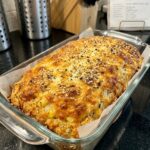
High-Protein Cottage Cheese Onion Bagel Bread
Ingredients
Understanding why each ingredient matters will help you get the best possible results — and gives you the confidence to make smart substitutions if needed.
Cottage Cheese
Cottage cheese is the star of this recipe. It adds moisture, a subtle tang, and a significant protein punch while keeping the crumb soft and tender. If your cottage cheese is particularly watery, draining it briefly before measuring will help prevent a soggy loaf. For an ultra-smooth texture with no visible curds, you can blend the cottage cheese before mixing it into the batter.
Eggs
Two large eggs provide structure, richness, and additional protein. They also help bind the batter together, giving the finished loaf a tender, cake-like crumb rather than a dense, gummy texture.
Self-Rising Flour
Self-rising flour is the secret to skipping yeast entirely. Because it already contains baking powder and salt, it gives the bread lift and a soft, airy structure without any proofing time. This is what transforms the recipe from an all-day bagel-making project into a 15-minute prep, one-bowl bake.
Parmesan and Mozzarella Cheese
This dynamic cheese duo does double duty. Parmesan brings a sharp, salty, umami-rich flavor that deepens the overall taste of the bread, while mozzarella melts into gooey pockets throughout the loaf, giving every bite that irresistible cheesy pull. Using freshly grated and shredded cheese (rather than pre-shredded, anti-caking-coated varieties) will give you the best melt and flavor.
Onion
Fresh yellow onion, finely diced and lightly sautéed, is what gives this bread its signature savory backbone. Cooking the onion first softens its sharp bite and brings out a subtle natural sweetness, while ensuring it cooks through fully during baking.
Garlic Powder, Dried Parsley, and Dried Onion Flakes
This seasoning trio is what ties everything together into that classic “everything bagel meets onion bagel” flavor profile. The dried onion flakes in particular intensify the onion flavor without adding extra moisture, and they can be increased for an even bolder taste.
Salt
A modest amount of salt balances the richness of the cheese and rounds out all the savory flavors in the loaf.
Instructions
Start by finely dicing half a medium yellow onion into small, even pieces — the smaller and more uniform the dice, the more evenly the onion will distribute throughout the batter and cook through during baking. Heat a small skillet over medium heat and sauté the onion for 3 to 5 minutes, stirring occasionally, until it softens and turns lightly golden. Remove it from the heat and let it cool slightly before adding it to the batter. This quick pre-cooking step is essential — it mellows the onion’s raw sharpness and ensures it doesn’t remain crunchy or undercooked in the finished loaf.
While the onion cools, preheat your oven to 375°F (190°C). In a large mixing bowl, combine the cottage cheese and eggs, stirring until the mixture is smooth and well blended. If you prefer a completely smooth batter with no visible curds, pulse the cottage cheese and eggs together in a blender before transferring the mixture to your mixing bowl.
To the cottage cheese mixture, add the grated Parmesan, shredded mozzarella, garlic powder, dried parsley, dried onion flakes, and salt. Stir everything together until the cheeses and seasonings are evenly incorporated. Then fold in your cooled, sautéed onion, distributing it evenly throughout the mixture.
Add the self-rising flour to the bowl and stir gently with a spatula just until a thick, soft dough forms. This is a key moment in the recipe: overmixing at this stage can lead to a dense, tough loaf, so stir only until the flour disappears and no dry pockets remain. A few gentle folds are all it takes.
Lightly grease an 8×4-inch loaf pan, or line it with parchment paper for easy removal later. Transfer the thick dough into the prepared pan, using a spatula to gently press and smooth the top so the batter is evenly distributed from edge to edge.
Place the loaf pan in your preheated oven and bake for 35 to 45 minutes. You’re looking for a deep golden-brown top and a center that feels fully set when gently pressed. To check doneness, insert a toothpick into the center of the loaf — it should come out mostly clean, though a little melted cheese clinging to it is completely normal and not a sign of underbaking. If the top begins to brown too quickly before the center finishes cooking, loosely tent the loaf with foil for the remainder of the bake time.
Once baked, remove the loaf from the oven and let it rest in the pan for 10 to 15 minutes. This resting period allows the structure to firm up, making it much easier to remove without falling apart. Carefully transfer the loaf to a wire cooling rack and let it cool further before slicing. Patience here really does pay off — slicing too early can result in a gummy, underset crumb, even if the bread is fully baked. Use a sharp serrated knife for clean, even slices.