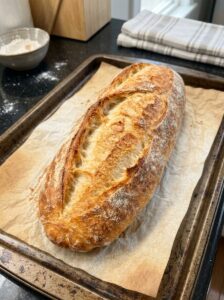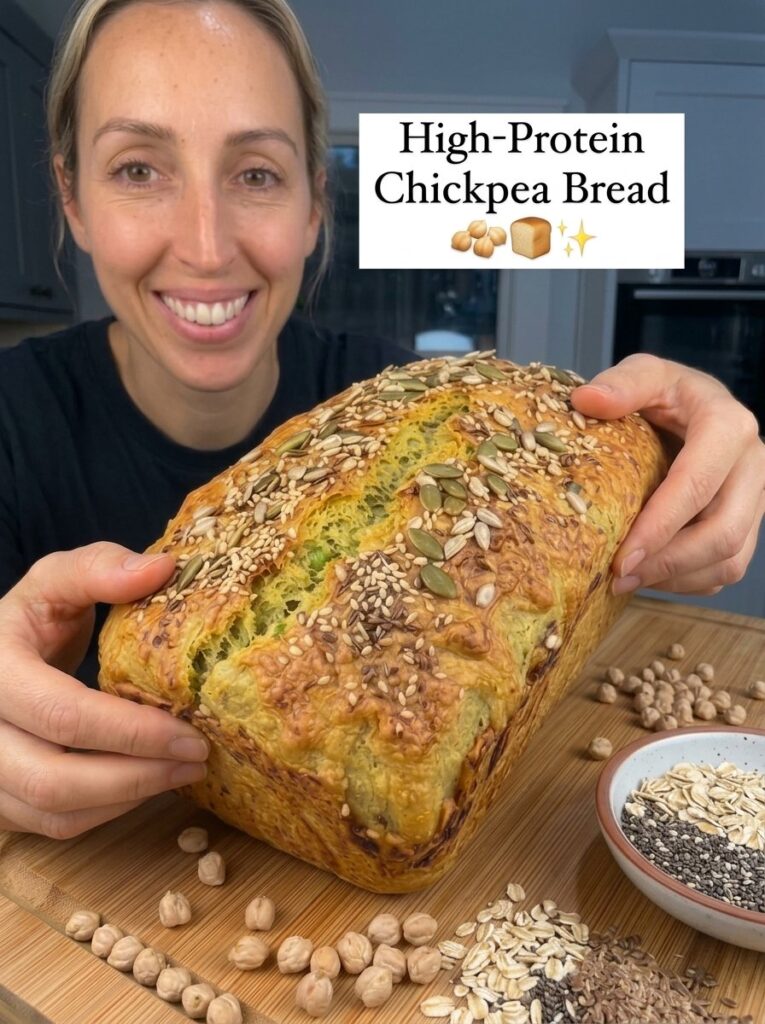
If you have ever stared at a bag of frozen peas and thought there must be more to do with them than a side dish, this recipe is for you. High-protein pea bread is a soft, hearty, wheat-free loaf made from simple ingredients you can find at any grocery store: green peas, eggs, rolled oats, and a handful of seeds. It bakes up golden on the edges, tender in the middle, and crunchy on top, and it slices beautifully for breakfast, sandwiches, and avocado toast.
In this complete guide, you will learn exactly how to make high-protein pea bread from start to finish, why each ingredient matters, how to avoid the most common mistakes, and how to store, freeze, and serve your loaf. Whether you are looking for a flourless bread, a way to add more plant-based ingredients to your meals, or just a fun new bake, this easy pea bread recipe delivers.
What Is High-Protein Pea Bread?
High-protein pea bread is a flourless, savory loaf in which cooked green peas replace the traditional wheat flour. The peas are blended with eggs until smooth, then combined with rolled oats, ground flaxseed, chia seeds, baking powder, salt, and a little olive oil. The batter rests briefly so the oats and seeds can absorb moisture, then it is baked in a standard loaf pan until firm and lightly golden.
The result is not a fluffy bakery-style sandwich loaf, and it is not meant to be. Think of it as a dense, moist, nutty, seed-studded bread with a mild, earthy flavor from the peas. Because it is built on eggs and peas rather than gluten, it has a tender, almost custardy crumb that firms up beautifully once cooled and gets even better when toasted.
Many people are surprised by the taste. Green peas have a gentle, slightly sweet, vegetal flavor that fades into the background once baked with eggs, oats, and seeds. If you can enjoy a slice of zucchini bread or a savory egg bake, you will likely enjoy this.
Why You Will Love This Pea Bread Recipe
There are plenty of reasons this loaf has earned a spot in the weekly rotation for so many home cooks:
- No wheat flour. The loaf is built from peas, eggs, oats, and seeds, so there is no traditional flour involved. (If you need it to be strictly gluten-free, see the note on oats later in this article.)
- Protein from eggs and seeds. Eggs, flaxseed, chia, sunflower seeds, and pumpkin seeds all contribute protein, which makes each slice more satisfying than many standard breads.
- Simple ingredients. Everything on the list is easy to find, affordable, and likely already in your kitchen.
- Blender or food processor method. There is no kneading, proofing, or yeast. You blend, rest, pour, and bake.
- A smart way to eat more plant-based ingredients. Peas are the star of the show, so every slice delivers vegetables in a form even picky eaters tend to accept.
- Versatile. It works for breakfast, lunch, snacks, and as a side with soup.
- Freezer-friendly. Slice and freeze for quick toast any day of the week.
High-Protein Pea Bread Ingredients (and Why Each One Matters)
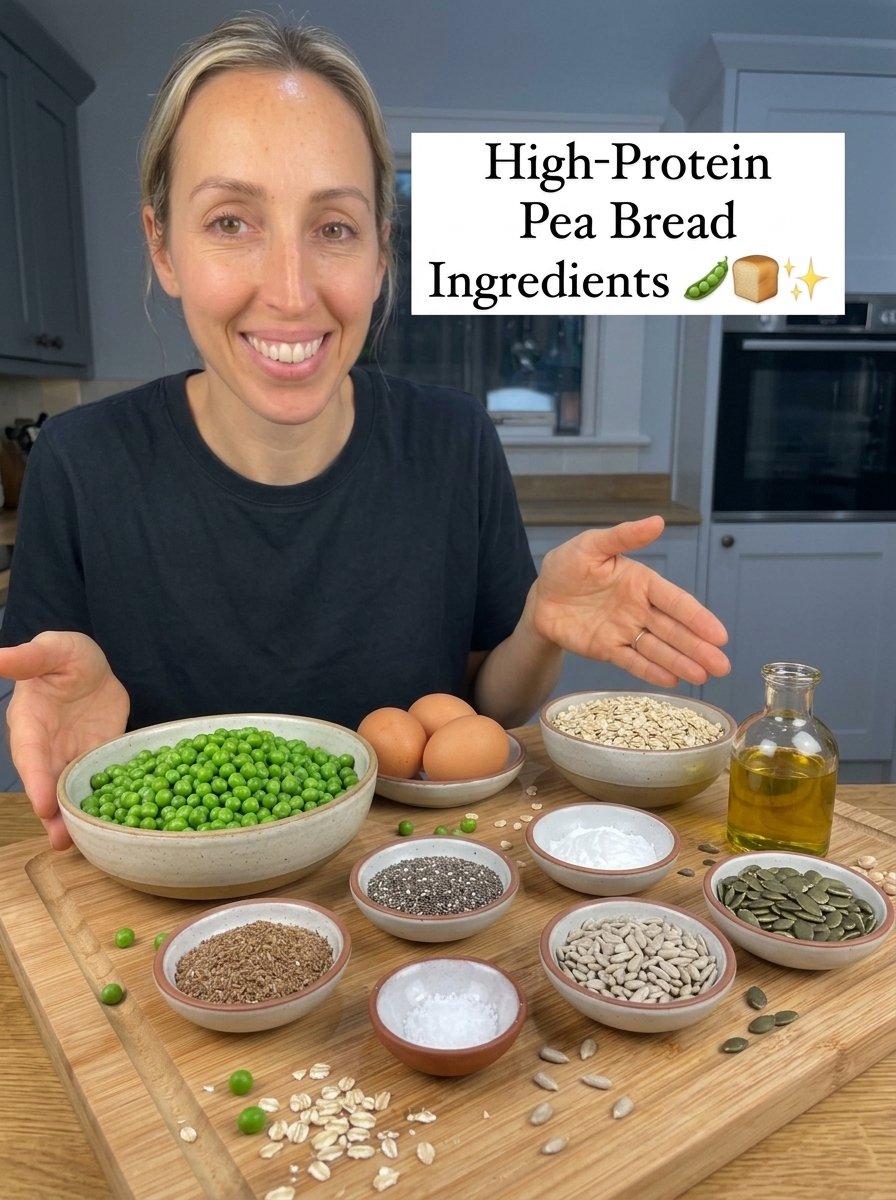
Understanding what each ingredient does will help you make a better loaf and customize it with confidence.
The Full Ingredient List
- 2 cups cooked green peas, drained and cooled
- 3 large eggs
- ½ cup rolled oats
- 2 tablespoons ground flaxseed
- 1 tablespoon chia seeds
- 1½ teaspoons baking powder
- ½ teaspoon salt
- 1 tablespoon olive oil
- 2 tablespoons sunflower seeds, plus extra for topping
- 1 tablespoon pumpkin seeds, for topping
Green Peas
Peas are the base of the loaf, providing body, color, and a mild earthy flavor. Both fresh and frozen peas work, as long as they are cooked until tender, then drained and cooled completely. Using plain peas (not seasoned, buttered, or sauced) keeps the flavor clean and the moisture under control.
Eggs
Eggs are the binder that holds this flourless bread together. They add protein, structure, and richness. Three large eggs give the loaf its sliceable, tender texture. Because eggs do so much of the structural work here, this recipe is not suited to a simple egg substitution without testing and adjustments.
Rolled Oats
Oats absorb moisture from the peas and eggs, thickening the batter and giving the finished bread a hearty bite. Rolled oats (old-fashioned oats) work best. They blend easily and soften well during the rest period.
Ground Flaxseed and Chia Seeds
Both seeds form a gel when they meet liquid. That gelling action helps thicken the batter and holds the crumb together. This is why the resting step matters so much. Give them 5 to 10 minutes and the mixture transforms from loose to thick and spoonable.
Baking Powder
Without wheat flour or yeast, this loaf needs a little help to avoid being overly dense. Baking powder lightens the texture so the bread is tender rather than heavy. Do not skip it.
Salt
Salt brings out the savory flavor of the peas and seeds. Half a teaspoon is enough to season the loaf without overpowering it.
Olive Oil
A tablespoon of olive oil adds moisture and a pleasant, slightly fruity richness that complements the peas and seeds.
Sunflower and Pumpkin Seeds
Sunflower seeds can be stirred into the batter for texture, and both sunflower and pumpkin seeds are sprinkled on top for a crunchy, golden crust. They also add a nutty flavor and a little extra protein.
How to Make High-Protein Pea Bread: Step-by-Step
This recipe takes about 15 minutes of hands-on prep. Total time, including baking and cooling, is roughly 2 hours to 2 hours 40 minutes, and it yields one loaf of about 8 to 10 slices.
Step 1: Prepare the Green Peas
Preheat your oven to 350°F (175°C). If you are using frozen peas, cook them according to the package directions until tender, then drain and let them cool completely. If you are using freshly cooked peas, make sure they are also cooled and well drained.
Measure out 2 cups of cooked peas. If they seem especially wet, gently pat them dry with a clean kitchen towel. Then line a standard 8 × 4 inch (20 × 10 cm) loaf pan with parchment paper, leaving a little overhang on the sides so you can lift the bread out later.
Step 2: Blend the Peas and Eggs
Add the cooked peas and three large eggs to a blender or food processor. Blend until the mixture is mostly smooth, stopping occasionally to scrape down the sides. A few tiny pieces of pea are fine, but try to avoid large chunks. The mixture should look thick and creamy. Blending well spreads the pea flavor evenly through the loaf and creates a consistent texture.
Step 3: Add the Oats and Seeds
Add the rolled oats, ground flaxseed, chia seeds, baking powder, salt, and olive oil. Blend or pulse until everything is evenly combined. If you like a bit of crunch inside the loaf, stir in the sunflower seeds by hand rather than blending them completely.
Step 4: Let the Batter Rest
Transfer the mixture to a bowl if needed and let it sit for 5 to 10 minutes. During this time the oats, flaxseed, and chia seeds absorb moisture and thicken the batter. Check the consistency before baking: it should be thick and spoonable, not watery. If it looks thin because the peas were extra moist, give it a few more minutes.
Step 5: Transfer the Batter to the Pan
Spoon the batter into the prepared loaf pan. Use a spatula to spread it evenly into the corners and smooth the top. Tap the pan gently on the counter to release large air pockets. Sprinkle the pumpkin seeds and a few extra sunflower seeds over the surface and press them lightly into the batter so they stay put during baking.
Step 6: Bake Until Firm and Golden
Bake in the preheated oven for about 45 to 60 minutes. The top should look set, the edges lightly golden, and the center firm rather than wet. Insert a toothpick or thin skewer into the middle: it should come out without wet batter. If the center still seems soft, keep baking in 5 to 10 minute increments. If the seeds start browning too quickly, loosely cover the loaf with foil for the final stretch.
Step 7: Cool the Bread Completely
Let the loaf rest in the pan for 10 to 15 minutes. Then lift it out using the parchment paper and transfer it to a wire rack. Cool completely, which takes about 45 to 60 minutes, before slicing. This step is not optional. The bread continues to firm up as it cools, and cutting it while hot can make the slices crumble.
Step 8: Slice and Enjoy
Use a sharp serrated knife to cut even slices. Eat the bread as is, or toast it lightly for a firmer exterior. The mild flavor of the peas pairs especially well with creamy, tangy, and savory toppings.
Tips for the Best High-Protein Pea Bread
A few small habits make the difference between a loaf that slices cleanly and one that turns out too soft. Keep these in mind:
- Drain the peas thoroughly. Excess moisture is the number one cause of a gummy loaf. Let cooked peas cool and drain well before blending.
- Use plain cooked peas. Fresh or frozen peas both work, as long as they are cooked until tender. If using frozen peas, thaw and drain away extra water.
- Blend until smooth. A food processor or powerful blender gives a more even texture and helps the oats and peas combine properly.
- Do not skip the resting time. Five to ten minutes lets the oats, flax, and chia thicken the batter.
- Keep the batter thick. It should be spoonable, not pourable. If it is watery, wait a bit longer before baking.
- Use baking powder. It lightens the texture of this flourless loaf.
- Line the pan. Parchment paper makes removal easy and protects the sides from breaking.
- Cool completely before slicing. Patience gives you clean, sturdy slices.
- Toast your slices. Toasting firms the exterior and improves the overall texture, especially for sandwiches.
- Customize the seeds. Sesame, pumpkin, sunflower, or extra flaxseed all work well, depending on what you like.
Troubleshooting: Common Pea Bread Problems and Fixes
My Pea Bread Is Too Soft or Gummy
The usual culprit is excess moisture from the peas. Next time, drain and pat the peas dry, and make sure the batter is thick before it goes into the oven. Also confirm that the center is truly firm and the toothpick comes out without wet batter. Extra baking time in 5 to 10 minute increments can rescue an underbaked loaf. Finally, resist slicing until the bread has cooled completely.
My Pea Bread Crumbles When I Slice It
This usually means the loaf was cut while still warm. Cooling on a wire rack for 45 to 60 minutes allows the structure to set. Using a sharp serrated knife and a gentle sawing motion also helps. Toasting slices can firm them further.
The Seeds on Top Are Browning Too Fast
Tent the loaf loosely with foil during the final part of baking. This protects the seeds while the center finishes cooking.
The Bread Tastes Too Much Like Peas
Pea flavor is mild, but if you want to soften it, serve the bread with tangy or savory toppings such as hummus, cottage cheese, or avocado with lemon juice. Toasting also deepens the flavor and makes it taste more like a seeded bread.
Delicious Ways to Serve High-Protein Pea Bread
This bread is a blank canvas for sweet-leaning and savory toppings alike, though it shines most with savory ones. Try these ideas:
- Avocado toast: Top a toasted slice with mashed avocado, lemon juice, and freshly cracked black pepper.
- Hummus and vegetables: Spread hummus over a slice and add cucumber, tomato, or roasted peppers.
- Protein-rich breakfast: Serve with scrambled eggs, cottage cheese, or plain Greek yogurt on the side.
- Savory open sandwich: Layer sliced chicken, cheese, lettuce, and tomato for a satisfying lunch.
- Soup companion: Enjoy a slice alongside vegetable soup, lentil soup, or a comforting stew.
- Simple seed toast: Toast a slice, drizzle with olive oil, and finish with a pinch of salt and dried herbs.
- Fresh herb topping: Stir chopped parsley, dill, or chives into your favorite spread for a bright finish.
Because the loaf holds up well to toasting, it also makes a great base for meal prep. Slice the whole loaf, freeze it, and build quick breakfasts or lunches all week.
How to Store Pea Bread
Because this bread contains cooked peas and eggs and has a moist texture, storage matters for both quality and food safety.
- At room temperature: Refrigerate the bread within 2 hours of baking rather than leaving it out for extended periods.
- In the refrigerator: Once completely cooled, store the loaf or individual slices in an airtight container for up to 4 days.
- In the freezer: Slice the cooled bread and separate the slices with parchment paper. Place them in a freezer-safe bag or container and freeze for up to 2 to 3 months for best quality.
- To reheat: Toast refrigerated slices until warmed through and lightly crisp. Frozen slices can go straight into the toaster if your toaster allows it.
Helpful tip: If the bread feels slightly moist after refrigeration, toasting it before serving improves the texture and makes it easier to use for sandwiches.
Variations and Customization Ideas
Once you have made the base recipe, it is easy to adjust it to your taste. Keep the overall proportions the same so the batter stays thick, and make small changes at a time.
- Change the seeds. Swap in sesame seeds, extra pumpkin seeds, or additional flaxseed on top or inside the loaf.
- Add herbs. A small amount of finely chopped dill, parsley, or chives can brighten the flavor. Add them with the oats and seeds and keep the quantity modest so you do not add too much moisture.
- Try a savory spice. A pinch of garlic powder or black pepper pairs well with peas, though you should test the loaf before making larger changes.
- Make mini loaves or muffins. Smaller portions bake faster, so start checking early and use the toothpick test.
As a general rule, introduce one change at a time. Flourless recipes depend on balance between moisture, binders, and dry ingredients, so big swaps can change the texture significantly.
Is Pea Bread Healthy? Dietary Notes
This loaf is made from whole-food ingredients: peas, eggs, oats, seeds, and olive oil. Peas contribute plant-based goodness, eggs add protein, and the seeds offer texture, flavor, and additional protein. Compared with many store-bought breads, the ingredient list is short and easy to recognize.
A few practical notes:
- Wheat-free, but check your oats. The recipe contains no traditional wheat flour. Oats are often processed alongside wheat, so if you need to avoid gluten strictly, look for oats labeled gluten-free.
- Contains eggs and seeds. It is not suitable for anyone with egg or seed allergies.
- Nutrition varies. Exact calories and protein per slice depend on the size of your slices, your specific ingredients, and how many slices you cut from the loaf. Use a nutrition calculator with your own ingredients if you need precise numbers.
If you have a medical condition or specific dietary requirements, check with your doctor or a registered dietitian before making major changes to your diet.
Frequently Asked Questions About High-Protein Pea Bread
Can I use frozen peas for pea bread?
Yes. Cook frozen peas according to the package directions until tender, then drain well and cool completely before blending. If you thaw them instead, drain away the excess water so the batter does not turn out too wet.
Do I need a blender or food processor?
A blender or food processor is strongly recommended. It gives you a smooth, creamy base and an even texture. A powerful blender or a food processor works best for breaking down the peas and combining them with the oats and seeds.
Why does the batter need to rest?
Resting lets the oats, flaxseed, and chia seeds absorb moisture and thicken the batter. Without this step, the batter can be too loose, and the loaf may bake up soft or gummy.
How do I know when the bread is done?
The top should look set, the edges lightly golden, and the center firm instead of wet. A toothpick or thin skewer inserted into the middle should come out without wet batter. If it does not, bake for another 5 to 10 minutes and check again.
Can I make this bread without eggs?
Eggs are the main binder in this recipe, so removing them will change the structure significantly. The recipe as written relies on three large eggs, and it is best made that way.
How long does pea bread last?
Stored in an airtight container in the refrigerator, it keeps for up to 4 days. In the freezer, sliced bread keeps for 2 to 3 months for best quality.
Can I freeze pea bread?
Yes. Cool the loaf completely, slice it, separate the slices with parchment paper, and freeze in a freezer-safe bag or container. Toast slices straight from frozen if your toaster allows it.
What can I put on pea bread?
Avocado, hummus, cottage cheese, eggs, roasted vegetables, sliced chicken, cheese, and fresh herbs all work well. Creamy, tangy, and savory toppings pair especially nicely with the mild pea flavor.
Is this bread good for sandwiches?
Yes, especially when sliced after full cooling and lightly toasted. Toasting firms the exterior so the slices hold up to fillings.
How many slices does one loaf make?
A standard 8 × 4 inch loaf yields about 8 to 10 slices.
Recipe Summary
- Prep time: 15 minutes
- Batter resting time: 5 to 10 minutes
- Bake time: 45 to 60 minutes
- Cooling time: 55 to 75 minutes
- Total time: Approximately 2 hours to 2 hours 40 minutes
- Yield: 1 loaf, about 8 to 10 slices
- Difficulty: Easy
- Cooking method: Oven-baked
- Texture: Hearty, tender, moist, and lightly nutty, with a crunchy seeded topping
Final Thoughts
High-protein pea bread proves that a loaf does not need wheat flour to be satisfying. With just peas, eggs, oats, and a handful of seeds, you can bake a wholesome, flavorful bread that works for breakfast, lunch, and everything in between. The keys are simple: drain the peas well, blend until smooth, let the batter rest, bake until the center is firm, and cool completely before slicing.
Once you have the method down, this easy pea bread recipe becomes a reliable staple you can make ahead, freeze in slices, and customize with your favorite seeds and toppings. Give it a try, and let a humble bag of green peas surprise you.
Print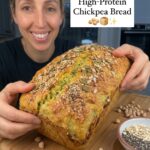
High-Protein Pea Bread
Ingredients
Understanding what each ingredient does will help you make a better loaf and customize it with confidence.
The Full Ingredient List
- 2 cups cooked green peas, drained and cooled
- 3 large eggs
- ½ cup rolled oats
- 2 tablespoons ground flaxseed
- 1 tablespoon chia seeds
- 1½ teaspoons baking powder
- ½ teaspoon salt
- 1 tablespoon olive oil
- 2 tablespoons sunflower seeds, plus extra for topping
- 1 tablespoon pumpkin seeds, for topping
Green Peas
Peas are the base of the loaf, providing body, color, and a mild earthy flavor. Both fresh and frozen peas work, as long as they are cooked until tender, then drained and cooled completely. Using plain peas (not seasoned, buttered, or sauced) keeps the flavor clean and the moisture under control.
Eggs
Eggs are the binder that holds this flourless bread together. They add protein, structure, and richness. Three large eggs give the loaf its sliceable, tender texture. Because eggs do so much of the structural work here, this recipe is not suited to a simple egg substitution without testing and adjustments.
Rolled Oats
Oats absorb moisture from the peas and eggs, thickening the batter and giving the finished bread a hearty bite. Rolled oats (old-fashioned oats) work best. They blend easily and soften well during the rest period.
Ground Flaxseed and Chia Seeds
Both seeds form a gel when they meet liquid. That gelling action helps thicken the batter and holds the crumb together. This is why the resting step matters so much. Give them 5 to 10 minutes and the mixture transforms from loose to thick and spoonable.
Baking Powder
Without wheat flour or yeast, this loaf needs a little help to avoid being overly dense. Baking powder lightens the texture so the bread is tender rather than heavy. Do not skip it.
Salt
Salt brings out the savory flavor of the peas and seeds. Half a teaspoon is enough to season the loaf without overpowering it.
Olive Oil
A tablespoon of olive oil adds moisture and a pleasant, slightly fruity richness that complements the peas and seeds.
Instructions
This recipe takes about 15 minutes of hands-on prep. Total time, including baking and cooling, is roughly 2 hours to 2 hours 40 minutes, and it yields one loaf of about 8 to 10 slices.
Preheat your oven to 350°F (175°C). If you are using frozen peas, cook them according to the package directions until tender, then drain and let them cool completely. If you are using freshly cooked peas, make sure they are also cooled and well drained.
Measure out 2 cups of cooked peas. If they seem especially wet, gently pat them dry with a clean kitchen towel. Then line a standard 8 × 4 inch (20 × 10 cm) loaf pan with parchment paper, leaving a little overhang on the sides so you can lift the bread out later.
Add the cooked peas and three large eggs to a blender or food processor. Blend until the mixture is mostly smooth, stopping occasionally to scrape down the sides. A few tiny pieces of pea are fine, but try to avoid large chunks. The mixture should look thick and creamy. Blending well spreads the pea flavor evenly through the loaf and creates a consistent texture.
Add the rolled oats, ground flaxseed, chia seeds, baking powder, salt, and olive oil. Blend or pulse until everything is evenly combined. If you like a bit of crunch inside the loaf, stir in the sunflower seeds by hand rather than blending them completely.
Transfer the mixture to a bowl if needed and let it sit for 5 to 10 minutes. During this time the oats, flaxseed, and chia seeds absorb moisture and thicken the batter. Check the consistency before baking: it should be thick and spoonable, not watery. If it looks thin because the peas were extra moist, give it a few more minutes.
Spoon the batter into the prepared loaf pan. Use a spatula to spread it evenly into the corners and smooth the top. Tap the pan gently on the counter to release large air pockets. Sprinkle the pumpkin seeds and a few extra sunflower seeds over the surface and press them lightly into the batter so they stay put during baking.
Bake in the preheated oven for about 45 to 60 minutes. The top should look set, the edges lightly golden, and the center firm rather than wet. Insert a toothpick or thin skewer into the middle: it should come out without wet batter. If the center still seems soft, keep baking in 5 to 10 minute increments. If the seeds start browning too quickly, loosely cover the loaf with foil for the final stretch.
Let the loaf rest in the pan for 10 to 15 minutes. Then lift it out using the parchment paper and transfer it to a wire rack. Cool completely, which takes about 45 to 60 minutes, before slicing. This step is not optional. The bread continues to firm up as it cools, and cutting it while hot can make the slices crumble.
Use a sharp serrated knife to cut even slices. Eat the bread as is, or toast it lightly for a firmer exterior. The mild flavor of the peas pairs especially well with creamy, tangy, and savory toppings.