Single-Serve Focaccia Bread: Easy No-Knead Recipe for One
SEO title: Single-Serve Focaccia Bread (Easy No-Knead Recipe for One)
Meta description: Make golden, fluffy single-serve focaccia with a crispy olive oil crust. No kneading, just 6 simple ingredients, and a perfect small batch for one. Ready in about 2 hours.
Primary keyword: single-serve focaccia bread
Secondary keywords: small batch focaccia, no-knead focaccia, focaccia for one, easy focaccia recipe, mini focaccia
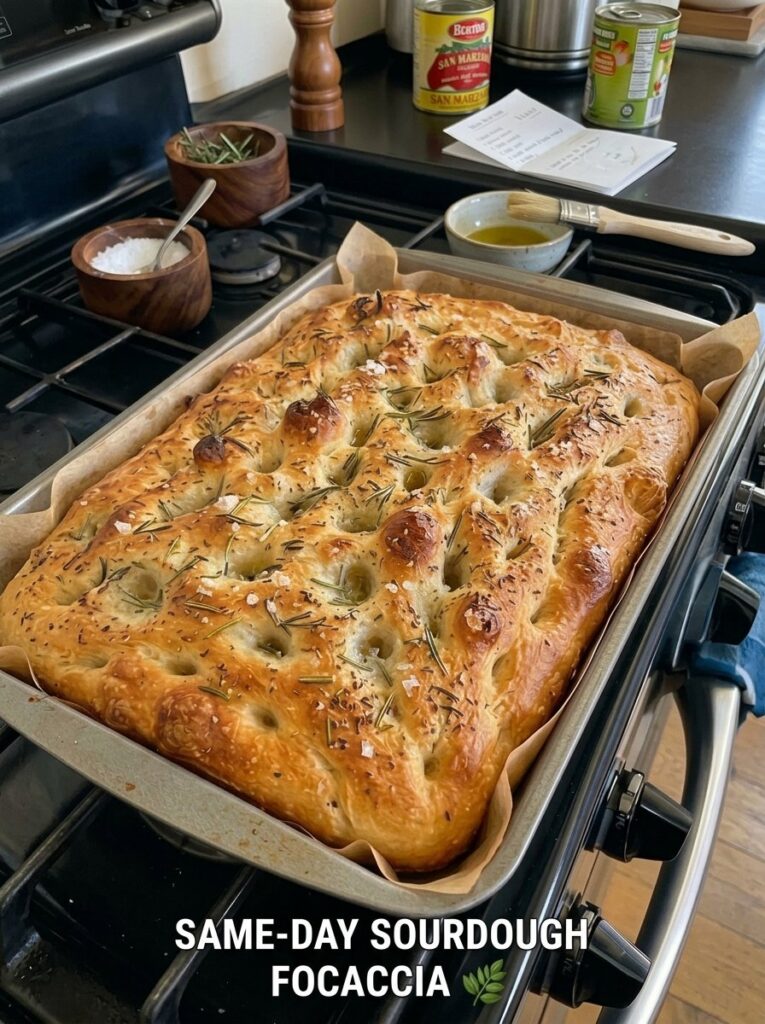
Some days you want warm, homemade bread without committing to a whole loaf, a stand mixer, or a pile of leftovers. This single-serve focaccia bread is made for those days. It is golden, fluffy, and chewy inside, with a crisp, olive-oil-soaked crust. It needs no kneading, just a handful of pantry staples, and it makes exactly one portion.
If you have ever searched for a small batch focaccia recipe and found only full-sized sheet pan versions, this one is for you. It uses ½ cup of flour, a pinch of yeast, and a little patience. The result is a rustic, bakery-style bread that works for a solo lunch, a cozy breakfast, or a side for soup.
This guide covers the full recipe, the science behind why it works, troubleshooting tips, topping ideas, serving suggestions, and storage advice.
Why You’ll Love This Single-Serve Focaccia
Focaccia is one of the most forgiving breads you can make at home, and shrinking it to a single serving makes it even easier. Here is why this version is worth trying:
- No kneading required. You stir the ingredients together in one small bowl until no dry flour remains. The long, slow rise develops the gluten for you.
- Truly small batch. Only ½ cup (60 g) of flour means no waste, no stale leftovers, and no need to share (unless you want to).
- Simple ingredients. Flour, instant yeast, salt, warm water, and olive oil. You probably have everything already.
- Crispy edges, soft center. The generous olive oil in the pan fries the bottom and edges while the inside stays airy and chewy.
- Flexible toppings. Keep it classic with flaky salt and rosemary, or go savory and creative.
- Minimal cleanup. One small bowl, a spoon, and a ramekin or small skillet.
What Makes Focaccia Different From Other Breads?
Focaccia is an Italian flatbread, similar in spirit to pizza dough but with a much higher oil content and a thicker, softer crumb. Traditional focaccia is dimpled with fingertips, drizzled with olive oil, and finished with coarse salt and herbs.
Three features define a great focaccia:
- A wet, sticky dough. Higher hydration creates an open, airy interior with irregular holes.
- Plenty of olive oil. Oil in the dough, in the pan, and on top gives focaccia its golden, almost fried bottom and rich flavor.
- Dimples. Pressing your fingertips into the dough creates little wells that catch oil and salt and keep the bread from puffing unevenly.
This single-serve recipe keeps all three, scaled down so you can enjoy the experience in a fraction of the time and effort of a full-size batch.
Ingredients for Single-Serve Focaccia Bread
For the Focaccia
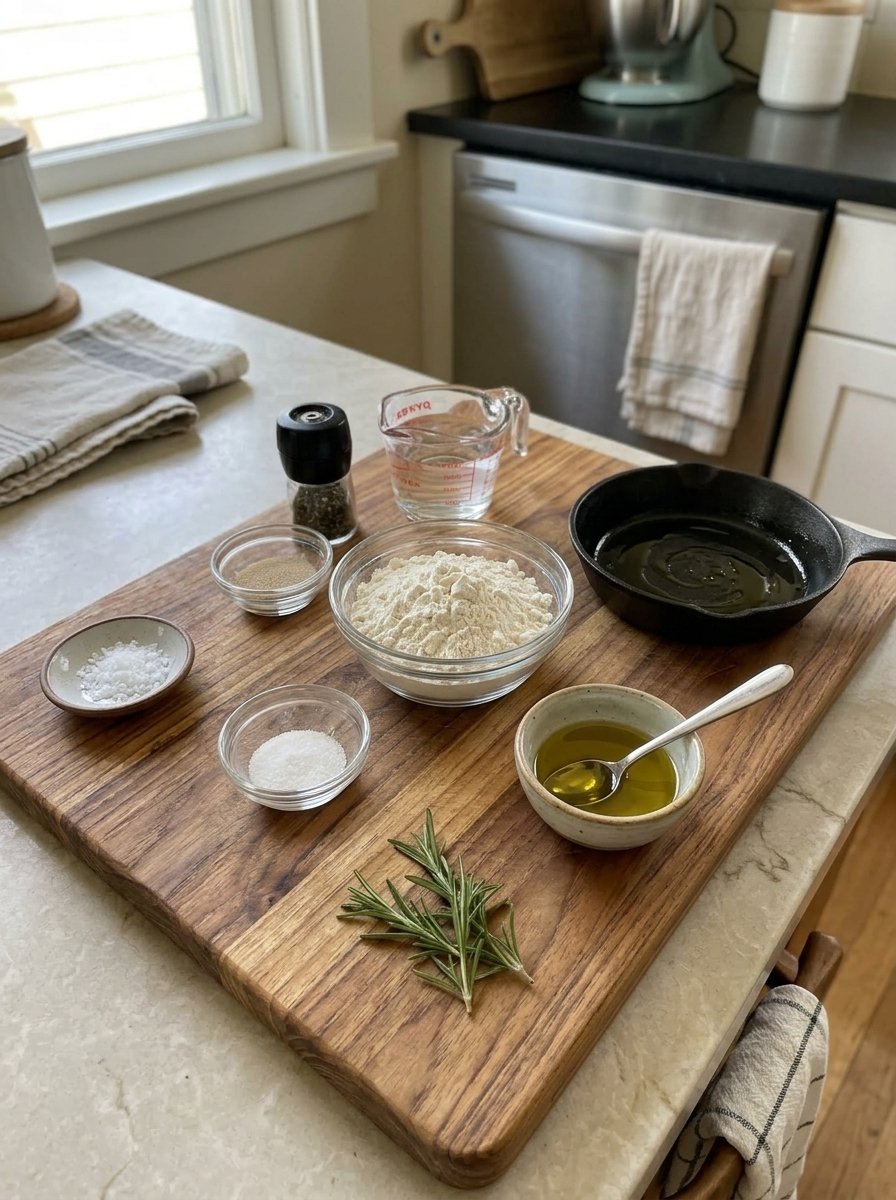
- ½ cup (60 g) all-purpose flour
- ¼ tsp instant yeast
- ¼ tsp salt
- ¼ cup (60 ml) warm water
- 1 tbsp olive oil, plus extra for the pan and topping
Optional Toppings
- A small pinch of flaky sea salt
- Fresh rosemary or dried Italian herbs
- Freshly cracked black pepper
Ingredient Notes
All-purpose flour: This is all you need. All-purpose flour has enough protein to give the bread structure while keeping the crumb tender. Bread flour will give a chewier result, but it is not necessary.
Instant yeast: Instant yeast can be mixed straight into the dough. If you only have active dry yeast, the 2–3 minute rest with the warm water in this recipe helps wake it up.
Warm water: The water should feel comfortably warm to the touch, like a pleasant bath. Water that is too hot can kill the yeast, and water that is too cold will slow the rise significantly.
Olive oil: Since oil is a main flavor here, use one you enjoy. A good extra-virgin olive oil makes a noticeable difference in both taste and aroma.
How to Make Single-Serve Focaccia Bread (Step by Step)
Prep time: about 5 minutes
Rise time: about 1½–2 hours
Bake time: about 18–23 minutes
Total time: about 2–2½ hours
Yield: 1 single-serving focaccia
Step 1: Mix the Dough
Add the warm water and instant yeast to a small mixing bowl. Stir gently and let it sit for 2–3 minutes. This gives the yeast a head start.
Add the flour, salt, and olive oil. Stir with a spoon or spatula until a soft, sticky dough forms and no dry flour remains. This is a no-knead recipe, so just mix until combined. The dough will look shaggy and wet, and that is exactly right.
Step 2: Let the Dough Rise
Cover the bowl loosely and place it somewhere warm and draft-free. An oven with only the light on works well, as does a spot near a (not hot) appliance.
Let the dough rise for about 1–1½ hours, or until it is noticeably puffy and slightly bubbly. Kitchen temperature affects timing, so watch the dough rather than the clock. Bubbles on the surface and a visible increase in volume are the signs you want.
Step 3: Prepare the Baking Dish
Generously drizzle a small oven-safe baking dish, ramekin, or small skillet with olive oil. Do not be shy here. This oil creates the crisp, golden bottom that makes focaccia special.
Transfer the risen dough into the dish and turn it gently so the bottom is coated in oil. Let it rest another 15–20 minutes so the dough relaxes and becomes easier to stretch.
Step 4: Stretch and Dimple the Dough
Drizzle a little more olive oil over the top. With lightly oiled fingertips, gently stretch the dough toward the edges of the dish.
Then press your fingertips into the dough to make the classic focaccia dimples. Do not press all the way through. You want little pockets while leaving the dough underneath soft and airy.
Step 5: Add the Toppings
Sprinkle on a small pinch of flaky sea salt. Add fresh rosemary, dried Italian herbs, or freshly cracked black pepper if you like. Finish with one more light drizzle of olive oil, making sure some settles into the dimples.
Step 6: Bake the Focaccia
Preheat your oven to 425°F (220°C). Bake for about 18–23 minutes, until the top is golden brown and the edges are crisp. The center should look fully baked but still feel soft and springy.
If you want an extra-golden crust, bake for another 1–2 minutes, watching closely so it does not over-brown.
Step 7: Cool Slightly and Serve
Remove the focaccia from the oven and let it cool for about 5 minutes. Gently lift it from the pan, then slice or tear it into pieces. It is best warm, while the edges are crisp, the center is fluffy and chewy, and the olive oil flavor is at its peak.
Tips for the Best Single-Serve Focaccia
Small recipes leave less room for error, so a few details matter more than usual.
Use warm, not hot, water. Yeast thrives in gentle warmth. Hot water can damage it and leave you with dense bread.
Keep the dough soft and sticky. It is tempting to add flour when the dough clings to the spoon, but resist. A wetter dough produces a lighter, airier focaccia. If handling is difficult, lightly oil your hands or spatula instead of adding flour.
Let the dough fully rise. Underproofed focaccia turns out dense and tight. Wait until the dough looks puffy and bubbly, even if it takes longer than expected.
Be generous with the olive oil in the pan. The oil effectively shallow-fries the bottom and edges. It is the secret to the crunchy, golden crust.
Choose the right dish. A small baking dish or skillet gives the dough room to spread while keeping it thick and fluffy. If the dish is too large, the focaccia will turn out thin and cracker-like. If it is too small, it may bake unevenly.
Dimple gently but deliberately. Oiled fingertips prevent sticking. Press firmly enough to make visible wells, but not so hard that you flatten the dough.
Troubleshooting Common Problems
My dough didn’t rise. The most likely culprits are old yeast or water that was too hot or too cold. Check the yeast’s expiration date and make sure the water is comfortably warm. A cool kitchen can also stretch the rise time well beyond 1½ hours.
My focaccia is dense. This usually means the dough was underproofed or too much flour was added. Next time, wait until the dough is clearly puffy and bubbly, and keep it wet and sticky.
The bottom isn’t crisp. You may need more olive oil in the pan. Also make sure the oven is fully preheated before the bread goes in.
The top browned too fast. Ovens vary. If the top is darkening before the center is done, move the dish to a lower rack or loosely tent it with foil for the last few minutes.
The center looks doughy. Bake a little longer, one to two minutes at a time. Different dishes conduct heat differently, and a thicker ceramic ramekin may need extra time compared with a metal skillet.
Topping Ideas for Single-Serve Focaccia
The recipe suggests flaky sea salt, rosemary, Italian herbs, and black pepper, and those are hard to beat. If you want to experiment, here are some directions to try, adjusting amounts to suit the small size of the dough:
- Classic Italian: Flaky salt, fresh rosemary, and a final olive oil drizzle.
- Garlic and herb: Dried Italian herbs with a very small amount of thinly sliced garlic pressed into the dimples.
- Olive lover’s: The olive-and-focaccia pairing is a natural one. Press a few sliced olives into the dimples before baking.
- Peppery and simple: Lots of freshly cracked black pepper and flaky salt.
- Cherry tomato: A few halved cherry tomatoes pressed gently into the dough.
Whichever you choose, keep toppings light. This is a small piece of dough, and too much weight can deflate the airy crumb.
What to Serve With Single-Serve Focaccia
This focaccia is versatile enough to fit nearly any meal. Some ideas:
- Dip it in olive oil. Pour a little extra-virgin olive oil into a small dish and tear off pieces to dunk.
- Pair it with soup. It is excellent next to tomato soup, minestrone, or any creamy, brothy bowl.
- Serve it with salad. A crisp salad and a warm piece of focaccia make a satisfying light lunch.
- Turn it into a sandwich. Slice it in half horizontally and fill it with your favorite sandwich ingredients for a small, bakery-style sandwich.
- Make it part of brunch. Warm focaccia is a lovely addition to a cozy breakfast or brunch spread.
- Enjoy it plain. Warm, with crisp edges and a soft center, it needs nothing else.
How to Store and Reheat Focaccia
Focaccia is at its best fresh, and this small version is meant to be eaten the day it is baked.
Room temperature: Store leftovers in an airtight container for up to 1 day.
Freezer: For longer storage, wrap the focaccia tightly and freeze for up to 1 month.
Reheating: Warm it in the oven or a toaster oven until heated through and crisp again. This restores the crunchy edges much better than a microwave, which tends to make bread soft and chewy in the wrong way.
Frequently Asked Questions
Can I double or triple this recipe?
Yes, the ratios scale up easily. Use a correspondingly larger dish so the dough has room to spread, and expect rise and bake times to vary slightly.
Do I need to knead single-serve focaccia?
No. Stirring the ingredients until no dry flour remains is enough. The long rise lets the dough develop structure on its own.
Can I use active dry yeast instead of instant yeast?
It can work, but the recipe is written for instant yeast. Active dry yeast is slower, so give the dough extra time to rise and look for the same puffy, bubbly appearance.
What size dish should I use?
A small oven-safe baking dish, ramekin, or small skillet works well. Choose one that lets the dough spread out while still keeping it thick and fluffy.
Why does my focaccia need so much olive oil?
Olive oil is central to focaccia. It flavors the bread, keeps the crumb tender, and fries the bottom and edges into a crisp, golden crust.
How do I know when the focaccia is done?
The top should be a deep golden brown, the edges crisp, and the center fully baked but soft and springy. If you want a darker crust, bake an extra 1–2 minutes while watching closely.
Can I make the dough ahead of time?
This recipe is designed to be made in one session, with a rise of roughly 1½–2 hours. Because rise time varies with kitchen temperature, always judge readiness by how the dough looks: puffy and slightly bubbly.
Can I freeze single-serve focaccia?
Yes. Wrap it tightly and freeze for up to 1 month, then reheat in the oven or toaster oven until warm and crisp.
Final Thoughts
Single-serve focaccia bread proves that homemade bread does not have to be an all-day project or a big batch. With half a cup of flour, a pinch of yeast, and plenty of good olive oil, you can have a warm, golden, chewy-crisp focaccia whenever the craving hits. The hands-on work takes about five minutes. The oven and the clock do the rest.
Whether you pair it with soup, split it for a sandwich, or just dip it in olive oil, this little focaccia delivers all the comfort of a bakery loaf in a portion made just for you. Give it a try, and let the dimples, the olive oil, and the flaky salt do their work.
Print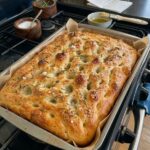
Single-Serve Focaccia Bread
Ingredients
For the Focaccia
- ½ cup (60 g) all-purpose flour
- ¼ tsp instant yeast
- ¼ tsp salt
- ¼ cup (60 ml) warm water
- 1 tbsp olive oil, plus extra for the pan and topping
Optional Toppings
- A small pinch of flaky sea salt
- Fresh rosemary or dried Italian herbs
- Freshly cracked black pepper
Ingredient Notes
All-purpose flour: This is all you need. All-purpose flour has enough protein to give the bread structure while keeping the crumb tender. Bread flour will give a chewier result, but it is not necessary.
Instant yeast: Instant yeast can be mixed straight into the dough. If you only have active dry yeast, the 2–3 minute rest with the warm water in this recipe helps wake it up.
Warm water: The water should feel comfortably warm to the touch, like a pleasant bath. Water that is too hot can kill the yeast, and water that is too cold will slow the rise significantly.
Olive oil: Since oil is a main flavor here, use one you enjoy. A good extra-virgin olive oil makes a noticeable difference in both taste and aroma.
Instructions
Prep time: about 5 minutes
Rise time: about 1½–2 hours
Bake time: about 18–23 minutes
Total time: about 2–2½ hours
Yield: 1 single-serving focaccia
Add the warm water and instant yeast to a small mixing bowl. Stir gently and let it sit for 2–3 minutes. This gives the yeast a head start.
Add the flour, salt, and olive oil. Stir with a spoon or spatula until a soft, sticky dough forms and no dry flour remains. This is a no-knead recipe, so just mix until combined. The dough will look shaggy and wet, and that is exactly right.
Cover the bowl loosely and place it somewhere warm and draft-free. An oven with only the light on works well, as does a spot near a (not hot) appliance.
Let the dough rise for about 1–1½ hours, or until it is noticeably puffy and slightly bubbly. Kitchen temperature affects timing, so watch the dough rather than the clock. Bubbles on the surface and a visible increase in volume are the signs you want.
Generously drizzle a small oven-safe baking dish, ramekin, or small skillet with olive oil. Do not be shy here. This oil creates the crisp, golden bottom that makes focaccia special.
Transfer the risen dough into the dish and turn it gently so the bottom is coated in oil. Let it rest another 15–20 minutes so the dough relaxes and becomes easier to stretch.
Drizzle a little more olive oil over the top. With lightly oiled fingertips, gently stretch the dough toward the edges of the dish.
Then press your fingertips into the dough to make the classic focaccia dimples. Do not press all the way through. You want little pockets while leaving the dough underneath soft and airy.
Sprinkle on a small pinch of flaky sea salt. Add fresh rosemary, dried Italian herbs, or freshly cracked black pepper if you like. Finish with one more light drizzle of olive oil, making sure some settles into the dimples.
Preheat your oven to 425°F (220°C). Bake for about 18–23 minutes, until the top is golden brown and the edges are crisp. The center should look fully baked but still feel soft and springy.
If you want an extra-golden crust, bake for another 1–2 minutes, watching closely so it does not over-brown.
Remove the focaccia from the oven and let it cool for about 5 minutes. Gently lift it from the pan, then slice or tear it into pieces. It is best warm, while the edges are crisp, the center is fluffy and chewy, and the olive oil flavor is at its peak.