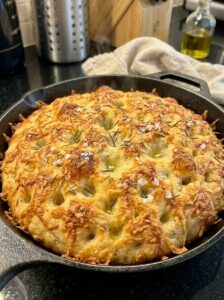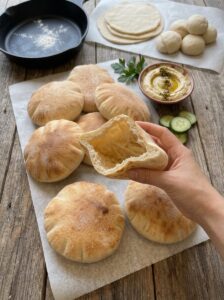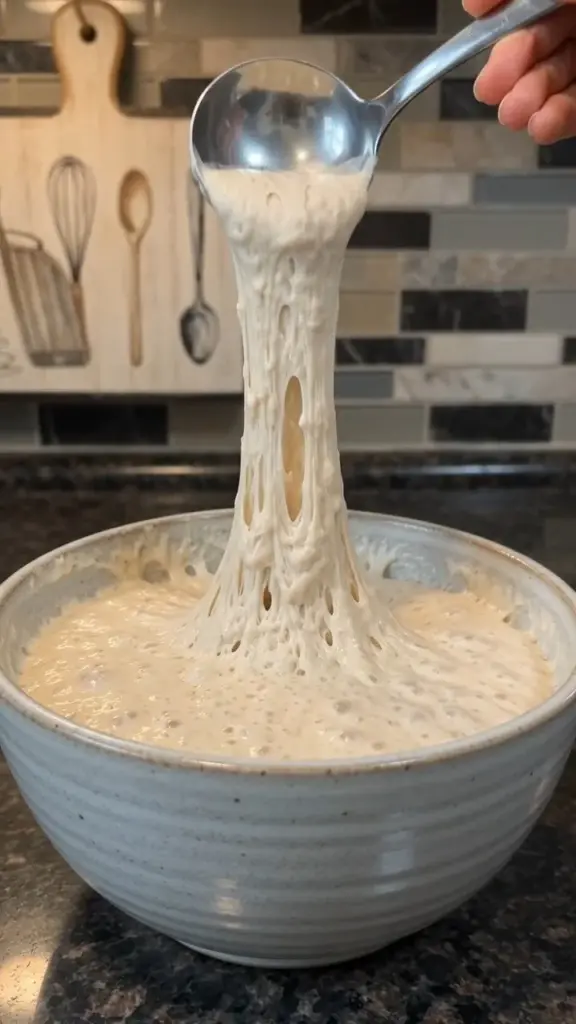
The aroma of freshly baked bread wafts through your kitchen, enchanting your senses and wrapping you in a warm embrace. As the golden crust crackles beautifully, your heart beats a little faster, knowing that with each bite, you’re about to partake in a culinary tradition that has evolved over generations. This isn’t any ordinary bread; it’s sourdough made from a treasured 116-year-old sourdough starter, a living legacy that transforms simple ingredients into something extraordinary. Imagine biting into a slice of this artisanal loaf—a delightful contrast of a crispy exterior and a chewy, airy crumb. Each taste bursts with tangy flavors that sing of fermentation and craftsmanship, alluring you to take another slice, dipping it into rich olive oil or spreading it with creamy butter for an unforgettable experience.
There’s something almost magical about maintaining a sourdough starter, especially one that has been cultivated for over a century. It’s more than just a culinary endeavor; it’s an expression of patience and care. The rich history that comes with a 116-year-old starter instills a sense of honor as you watch it bubble and thrive under your attentive gaze. This guide invites you to explore that magic and connect with generations who have loved the art of sourdough baking. Whether you’re a seasoned baker or a curious newcomer, this method opens a world of flavor and creativity, allowing your own kitchen to join the ranks of time-honored tradition.
Why You’ll Love This 116-Year-Old Sourdough Starter Guide
Imagine the sense of accomplishment you’ll feel as you nurture your very own 116-year-old sourdough starter, creating a warm, inviting atmosphere in your kitchen. The benefits of using such a storied starter are abundant. The depth of flavor that emerges is unparalleled—each loaf you bake carries whispers of its past, making each slice not just nourishment, but a connection to history. The natural fermentation process with wild yeast and bacteria infuses your bread with a complexity that store-bought options simply can’t match.
Sourdough fits seamlessly into any occasion. Enjoy it toasted for breakfast topped with avocado or transform it into decadent sandwiches for lunch. Perhaps gather with friends and share freshly baked loaves at dinner, or treat yourself to a warm piece slathered with homemade jam. No matter how you choose to enjoy it, sourdough made with a 116-year-old starter consistently delivers that melt-in-your-mouth texture, vibrant tang, and aromatic allure that makes every moment special.
Preparation Phase & Tools to Use
Before embarking on this delightful journey, assemble a few essential tools that will make your sourdough starter maintenance smooth and enjoyable.
- Glass Jar: A clear glass container allows you to observe the bubbles forming, indicating the activity in your starter. Choose one with a wide opening for easy mixing and feeding.
- Measuring Cups and Spoons: Precision matters in baking, and properly measuring your flour and water ensures consistent results.
- Rubber Spatula or Wooden Spoon: These utensils not only help incorporate ingredients but also give you a chance to engage with your starter as you stir.
- Kitchen Scale (optional): For those who prefer the precision of weight over volume, a kitchen scale can be invaluable, especially for international recipes.
- Towel or Cheesecloth: Covering your jar loosely prevents dust while allowing your starter to breathe. A towel also adds a touch of homeliness to your setup.
As you prepare, keep the following tips in mind:
- Clean everything well before starting to prevent unwanted bacteria from interfering with your starter’s development.
- Use filtered or bottled water to avoid chlorine, which can impede yeast growth.
- Keep your starter in a warm, draft-free space for optimal fermentation.
Ingredients for 116-Year-Old Sourdough Starter
- All-Purpose or Bread Flour: Choose high-quality flour as it serves as the backbone of your starter. Bread flour has a higher protein content, contributing strength and structure to your final bread.
- Whole Wheat or Rye Flour (optional): Incorporating whole grain flours adds nutritional benefits and a nuttier flavor, enhancing complexity. Consider experimenting with different combinations.
- Filtered or Non-Chlorinated Water: This is crucial for the health of your yeast. Chlorine can kill off the essential microbes, preventing your starter from thriving.
How to Make 116-Year-Old Sourdough Starter
- In a clean glass jar, combine equal parts all-purpose or bread flour and filtered water. For a robust flavor, mix ½ cup of flour with ½ cup of water.
- Optional: Add 2 tablespoons of whole wheat or rye flour to introduce more nutrients and flavor to your starter.
- Stir thoroughly until the mixture is cohesive—this is your sourdough starter base!
- Cover the jar loosely with a towel or cheesecloth. Allow it to sit at room temperature, avoiding areas that are too hot or cold.
- For the next five to seven days, feed your starter daily by adding equal parts flour and water, stirring well after each addition. Watch as it blooms into a bubbly, frothy mixture, ideally doubling in volume.
- Once it becomes reliably active, you can use it for baking or maintain it in the fridge, feeding it weekly to keep its vigor alive.
Chef’s Notes & Helpful Tips
- Make-ahead Tip: You can create your starter in advance and store it in the fridge for up to a week, giving you flexibility for baking later.
- Alternative Methods: If you find yourself short on time, consider using an air fryer or a non-stick skillet to bake your bread for a crispy crust and soft interior.
- Customization Ingredients: Play with different flours—try spelt or einkorn for unique flavors!
Common Mistakes to Avoid
- Using Chlorinated Water: Always choose filtered water for the best results. Chlorine interferes with fermentation.
- Inconsistent Feeding: Sticking to a feeding schedule will keep your starter active. Skipping feeds can weaken its potency.
- Storing in a Cold Environment: Make sure to keep the starter at room temperature while nurturing it. A too-cold environment can stall its activity.
What to Serve With 116-Year-Old Sourdough Starter
Pair your freshly baked sourdough bread with delights that enhance its flavors:
- Avocado Toast: The creamy texture of ripe avocado pairs beautifully with the crusty bread.
- Homemade Jam: Sweetness from fruit preserves contrasts perfectly with the tanginess of the sourdough.
- Artisan Olive Oil: Drizzle a high-quality, flavored olive oil for a rich and indulgent experience.
- Cheese Platter: Pair with sharp cheddar or soft brie for a sophisticated snack.
- Soup: Serve alongside a hearty tomato or vegetable soup, perfect for dipping into those savory flavors.
- Salads: Create a crunchy crouton topping using stale sourdough for added texture and flavor.
- Smoked Salmon: Add cream cheese and thinly sliced radish atop a slice for an elegant brunch option.
Storage & Reheating Instructions
Once your sourdough bread cools, store it in a paper bag at room temperature for a day or two, allowing the crust to remain crispy. To prolong its life, wrap in plastic wrap or foil and place it in the fridge for up to a week. For long-term storage, slice the bread and freeze it, using parchment paper between slices to avoid sticking. Reheat slices in a toaster oven or a standard oven for a few minutes at 350°F to regain that delightful crustiness.
Estimated Nutrition Information
Each slice of sourdough bread (based on a standard loaf yield) is approximately:
- Calories: 120
- Protein: 4g
- Fat: 0.5g
- Carbohydrates: 25g
- Fiber: 1g
Please note that these values may vary based on specific ingredients and baking methods.
FAQs
1. How do I know my starter is active?
Your starter is active when it bubbles and doubles in size within 4 to 6 hours after feeding. The texture becomes airy, with a pleasant sour aroma.
2. What can I do if my starter isn’t bubbling?
Ensure it is kept at a warm temperature between 70°F and 85°F. If necessary, try moving it to a warmer spot in your kitchen or using a proofing drawer.
3. Can I use all whole wheat flour for my starter?
Yes, but it may develop more slowly. Whole wheat flour has more nutrients, encouraging fermentation, so patience is key.
4. How often should I feed my starter?
Daily feeding is essential for starters at room temperature. If refrigerated, you can keep it alive by feeding it weekly.
5. Can I bake bread without a starter?
Absolutely! You can bake quick breads using baking powder or soda instead, but for that rich sourdough flavor, the starter is irreplaceable.
As you step into the world of baking with a 116-year-old sourdough starter, allow yourself to embrace the rich history and tradition each loaf embodies. It’s more than just a recipe; it’s a beautiful journey through time, culture, and flavor. With every bubble and whisk, you’re a part of a story that stretches over generations, and what better way to connect with that legacy than by sharing the fruits of your labor? So gather your ingredients, roll up your sleeves, and prepare to turn simple flour and water into an art form that fills your kitchen with warmth and joy.
Print
116-Year-Old Sourdough Starter
- Total Time: 7 days
- Yield: 1 active sourdough starter 1x
- Diet: Vegetarian
Description
Create a rich and flavorful sourdough bread using a 116-year-old starter, connecting with baking traditions and enhancing your culinary skills.
Ingredients
- 1 cup All-Purpose or Bread Flour
- 1 cup Filtered or Non-Chlorinated Water
- 2 tablespoons Whole Wheat or Rye Flour (optional)
Instructions
- Combine equal parts all-purpose or bread flour and filtered water in a clean glass jar.
- Add 2 tablespoons of whole wheat or rye flour if desired.
- Stir thoroughly until the mixture is cohesive.
- Cover the jar loosely with a towel or cheesecloth.
- Allow it to sit at room temperature for 5 to 7 days, feeding daily.
- Watch as it blooms into a bubbly, frothy mixture, ideally doubling in volume.
Notes
Use filtered water to avoid chlorine, which can harm yeast. Follow a consistent feeding schedule to maintain starter activity.
- Prep Time: 10 minutes
- Cook Time: 0 minutes
- Category: Bread
- Method: Fermentation
- Cuisine: Baking
Nutrition
- Serving Size: 1 slice
- Calories: 120
- Sugar: 0g
- Sodium: 0mg
- Fat: 0.5g
- Saturated Fat: 0g
- Unsaturated Fat: 0g
- Trans Fat: 0g
- Carbohydrates: 25g
- Fiber: 1g
- Protein: 4g
- Cholesterol: 0mg
Keywords: sourdough, bread starter, baking, fermentation, artisanal bread