3-Ingredient Soft Skillet Rice Bread: Easy Gluten-Free Flatbreads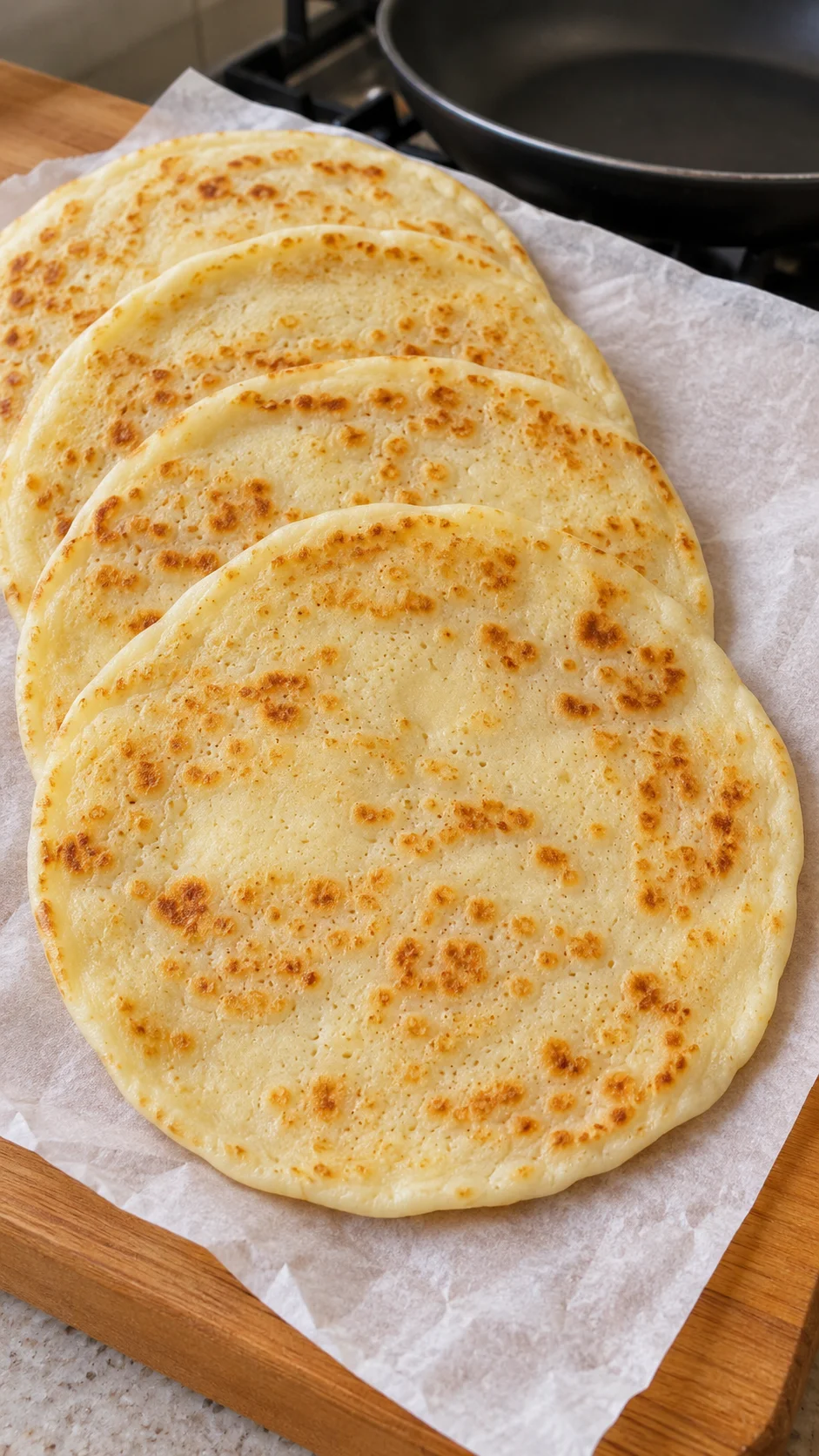
Meta title: 3-Ingredient Skillet Rice Bread (Soft Gluten-Free Flatbread)
Meta description: Make soft skillet rice bread with just 3 ingredients: rice flour, milk, and an egg. Tender, pliable flatbreads cooked on the stovetop in minutes.
Focus keyword: skillet rice bread
Secondary keywords: rice flour flatbread, 3-ingredient flatbread, gluten-free flatbread, stovetop flatbread, rice flour recipes, easy gluten-free bread
Sometimes you want fresh bread on the table, but you do not want to measure out a long list of ingredients, wait for dough to rise, or heat up the oven. This 3-ingredient soft skillet rice bread is the answer. It makes four tender flatbreads with golden skillet spots and a mild, milky flavor, using nothing more than rice flour, milk, and an egg.
The method could not be easier. You whisk the batter in one bowl, let it rest for a few minutes, and cook thin rounds in a nonstick skillet on the stovetop. There is no kneading, no rolling, and no yeast. The flatbreads are most pliable when they are warm, which makes them ideal for folding around a filling, tearing for dipping, or serving alongside soup.
If you are looking for a quick flatbread recipe, a simple gluten-free option, or just a new way to use the bag of rice flour in your pantry, this recipe deserves a spot in your regular rotation.
Table of Contents
- Why you will love this rice bread
- Recipe at a glance
- Ingredients
- Ingredient notes and substitutions
- Step-by-step instructions
- Tips for success
- Troubleshooting
- Flavor variations
- Serving suggestions
- Storage, freezing, and reheating
- About rice flour
- Frequently asked questions
- Final thoughts
Why You Will Love This Rice Bread
It uses only three ingredients. Rice flour, whole milk, and one large egg are all you need. The short list means there is very little to shop for and almost nothing to measure.
It cooks on the stovetop. You do not need to preheat an oven. A single nonstick skillet does all the work, which keeps the kitchen cool and cleanup simple.
There is no yeast and no rise time. The batter rests for just 5 minutes, then goes straight into the pan. From bowl to plate takes only a short while.
The flatbreads are soft and pliable. Served warm, they bend and fold without breaking, so they work as wraps, dippers, or soft sides.
It is made with rice flour. Rice flour contains no wheat, so this recipe can suit people who avoid gluten, provided the flour you buy is labeled gluten-free and processed safely. Always check the packaging if gluten is a concern.
It is easy to scale. The recipe makes four flatbreads, and doubling it is simple if you are feeding a crowd.
It works for many meals. Serve the flatbreads with breakfast, lunch, or dinner, as a wrap, a side, or a scoop for dips.
Recipe at a Glance
- Yield: 4 flatbreads (6 to 7 inches each)
- Batter rest time: 5 minutes
- Cook time: About 3 to 5 minutes per flatbread
- Equipment: Mixing bowl, whisk, 8-inch nonstick skillet, wide spatula, clean kitchen towel
Ingredients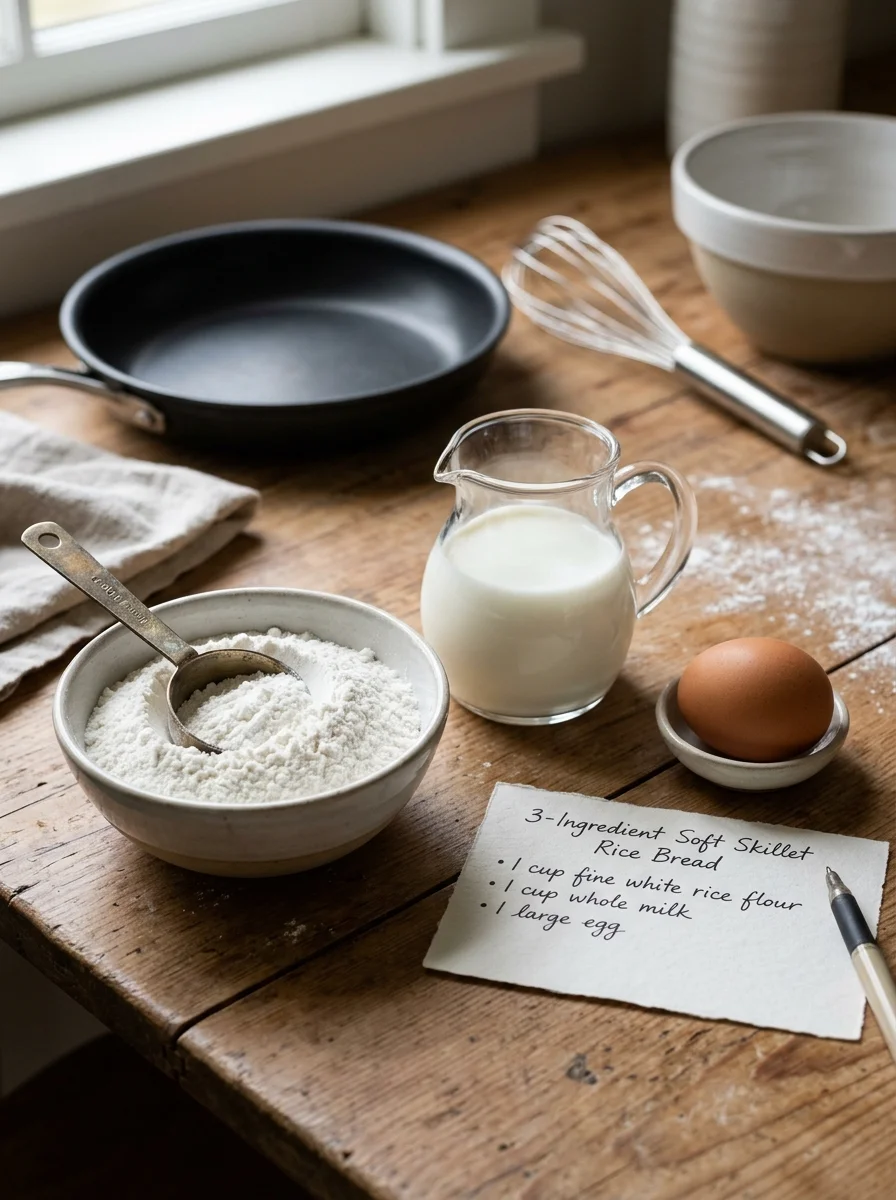
- 1 cup fine white rice flour (about 150 g)
- 1 cup whole milk (240 mL)
- 1 large egg
Ingredient Notes and Substitutions
Fine White Rice Flour
Rice flour is the foundation of this recipe, so the type you choose matters. Use regular fine white rice flour, which is made from long- or medium-grain rice and has a neutral flavor. It gives the flatbreads a tender, soft texture.
Do not substitute sweet rice flour, also known as glutinous rice flour. Sweet rice flour is much stickier and more elastic, and it makes a chewier, gummier result. Brown rice flour is another option, but it is more coarse and nutty, so the flatbreads will be heartier and a little less delicate.
For the most accurate results, weigh the flour. One cup is about 150 g here. If you measure by volume, spoon the flour into the cup and level it off rather than scooping directly from the bag, which packs it down. Because rice flour can vary by brand and grind, a very fine texture gives the smoothest batter.
Whole Milk
Whole milk adds richness, a mild dairy flavor, and the liquid the rice flour needs to hydrate. Its fat helps keep the flatbreads tender and soft. Lower-fat milk will work, but the flavor and tenderness will be slightly less rich. Use room-temperature or cool milk, which blends into the egg more easily than ice-cold milk.
If you need a dairy-free version, an unsweetened plant-based milk can work in its place, though the flavor and texture may change. Choose a plain, unsweetened option, and expect to adjust the batter with a splash more liquid if it seems thick.
The Egg
The egg acts as a binder and adds structure, which is especially important in a recipe without gluten. It helps the thin batter set into a flexible round that can be flipped without falling apart. A large egg is best. If you need an egg-free option, this particular recipe depends on the egg for structure, so you would need a different, purpose-built egg-free formula.
Step-by-Step Instructions
Step 1: Whisk the Batter
In a mixing bowl, beat the egg with about half of the milk. Gradually whisk in the rice flour, adding it a little at a time so no lumps form. Then whisk in the remaining milk until the batter is smooth and pourable. It should be thin and flow easily, like crepe batter. Rest the batter for 5 minutes. This short pause gives the rice flour time to absorb the liquid, which improves the texture and helps the flatbreads cook evenly.
Step 2: Heat the Skillet
Preheat a dry 8-inch nonstick skillet over medium-low heat. Use a dry pan, with no oil or butter, so the flatbreads develop dry golden spots rather than frying. Medium-low heat is important. A pan that is too hot will brown the underside before the batter has a chance to set, while a pan that is too cool will make the bread pale and slow to cook. Stir the batter from the bottom just before pouring, because rice flour settles quickly.
Step 3: Pour and Cook
Pour in about a quarter of the batter and immediately tilt the skillet to spread it into a 6- to 7-inch round. Work quickly, since the batter begins to set as soon as it touches the pan. Cook for 2 to 3 minutes, until the surface turns matte, the edges release easily, and the underside has golden spots. The matte surface is the key sign. When the top no longer looks wet or shiny, the flatbread is ready to flip.
Step 4: Flip and Finish
Slide a wide spatula underneath, flip, and cook for 1 to 2 minutes more, until the second side is lightly spotted and the center is fully set. A wide spatula supports the whole round, which reduces the chance of cracks or tears.
Step 5: Stack and Serve
Repeat with the remaining batter, stirring before each pour. Stack the cooked flatbreads on a plate under a clean kitchen towel to keep them soft. The towel traps steam, which keeps the flatbreads tender and flexible. Serve them warm.
Tips for Success
Use regular white rice flour. Sweet rice flour gives a stickier, chewier result and is not the right choice for this recipe.
Stir the batter before every pour. Rice flour sinks quickly, and a batter that has separated will give uneven flatbreads.
Give each round time to set before flipping. If a round cracks when you lift it, give it a little more time. A fully set underside releases cleanly from the pan.
Lower the heat if the underside browns too fast. If the bottom darkens while the top is still wet, reduce the heat slightly so the center can cook through.
Use a nonstick skillet. A good nonstick surface makes flipping effortless. An 8-inch skillet creates rounds that are the ideal size for wraps and dipping.
Tilt the pan right away. Spreading the batter quickly produces an even, thin round that cooks uniformly.
Keep them warm and covered. The flatbreads are most pliable while warm, so stack them under a towel as you cook.
Weigh your flour. Accurate measurements keep the batter at the right consistency from batch to batch.
Troubleshooting
The flatbreads crack when I flip them. The most common cause is flipping too soon. Wait until the surface turns matte and the edges release easily. A wide spatula also helps support the round.
The batter is too thick to spread. Rice flour absorbs liquid as it rests. Whisk in a teaspoon or two of milk at a time until it flows easily.
The batter is too thin. If it runs everywhere and the rounds turn out lacy or fragile, whisk in a little more rice flour, one teaspoon at a time.
The underside is browning while the top is wet. The heat is too high. Lower it and give the flatbread more time to set through.
The flatbreads are gummy. Make sure you used regular rice flour rather than sweet rice flour, and cook until the center is fully set.
The flatbreads are dry or stiff. They may have been overcooked or left uncovered. Cook just until lightly spotted and keep them stacked under a towel.
They stick to the pan. Check that your skillet is truly nonstick and in good condition. If it is worn, lightly greasing the pan with a thin film of oil or butter can help, though it will change the finish.
The batter is lumpy. Add the rice flour gradually and whisk well. If lumps remain, strain the batter through a fine-mesh sieve.
Flavor Variations
The plain flatbreads are mild and versatile, but a few simple additions can change the flavor.
- Herb flatbreads: Stir a spoonful of finely chopped chives, parsley, or cilantro into the batter.
- Garlic and black pepper: Add a pinch of garlic powder and freshly ground black pepper for a savory twist.
- Cheesy rice bread: Sprinkle a little finely grated cheese over each round just after pouring.
- Sesame or nigella seeds: Scatter seeds over the batter as it begins to set.
- Cumin and paprika: Add a pinch of each for a warm, earthy flavor that pairs well with lentil soup and dips.
- Cinnamon and honey: For a sweeter version, stir a little cinnamon into the batter and serve with honey or fruit.
- Brushed with butter: Brush the warm flatbreads with melted butter or olive oil for extra richness.
Serving Suggestions
With hummus or lentil soup. Tear the warm flatbreads and scoop up dips or dunk them into a hearty soup.
Folded around scrambled eggs and cheddar. Fold a warm flatbread around eggs and cheese for a quick breakfast wrap.
As wraps. Fill with roasted vegetables, grilled chicken, or fresh salad for an easy lunch.
With curries and stews. Use them to scoop up saucy dishes in place of rice or other breads.
With dips and spreads. Serve alongside baba ghanoush, tzatziki, or any of your favorite spreads.
For a sweet breakfast. Spread with nut butter and sliced banana, or roll around berries and yogurt.
As a snack. Tear into pieces and enjoy plain, or with a smear of butter or jam.
Storage, Freezing, and Reheating
Refrigerator: Let the flatbreads cool completely, then refrigerate in an airtight container for up to 2 days.
Freezer: Freeze with parchment paper between each round for up to 1 month. The parchment prevents sticking and lets you pull out one flatbread at a time.
Reheating: Rewarm briefly in a covered skillet over low heat to soften them. Covering the pan traps steam, which helps restore their pliability. Avoid overheating, since gluten-free flatbreads can become stiff or dry when they are heated too long.
About Rice Flour
Rice flour is made by finely milling rice, and it is a staple in many cuisines, used in everything from noodles and dumplings to crepes and flatbreads. White rice flour is mild and slightly sweet, which makes it a good neutral base.
Because it contains no wheat protein, rice flour does not form gluten. That is why this recipe relies on the egg for structure and on a thin, crepe-like batter that cooks quickly in a hot pan. It also explains why the flatbreads are best eaten warm, when they are at their softest and most flexible.
Rice flour keeps well in a cool, dry pantry. If you buy a bag for this recipe, you can also use it in other recipes, such as pancakes, crepes, and as part of gluten-free baking blends. Always check the label if you need a certified gluten-free product, since cross-contact can occur during processing.
Frequently Asked Questions
Is skillet rice bread gluten-free?
Rice flour does not contain gluten, and this recipe uses no wheat ingredients. However, if you need a strictly gluten-free product, check that your rice flour is labeled gluten-free, since cross-contact can happen during processing.
Can I use sweet rice flour?
It is not recommended. Sweet rice flour makes a stickier, chewier result and does not give the soft, tender texture of regular white rice flour.
Can I use brown rice flour?
You can, but the flatbreads will be heartier, nuttier, and a bit less delicate. Allow the batter to rest a little longer so the flour can hydrate.
Can I make this dairy-free?
Unsweetened plant-based milk can work in place of whole milk, though the flavor and tenderness will change. You may need to adjust the thickness of the batter slightly.
Can I make it without the egg?
The egg provides structure in this recipe, so it is not easily omitted. A different recipe designed to be egg-free would be a better choice.
Why is my batter so thin?
The batter is meant to be thin and pourable, like crepe batter. That consistency allows it to spread into a soft, even round.
Do I need oil in the pan?
No. A dry nonstick skillet gives the best golden spots and a soft finish. If your pan is not truly nonstick, you may need a very thin film of oil.
How do I keep the flatbreads soft?
Stack them under a clean kitchen towel while you cook, store them airtight once cooled, and rewarm them in a covered skillet.
Can I make the batter ahead of time?
The batter needs only a 5-minute rest, and it is best used soon after mixing. If you do hold it for a short time, stir it well before each pour, because the flour settles.
Can I double the recipe?
Yes. Use two cups of rice flour, two cups of milk, and two eggs, and cook the rounds in batches. Keep the finished flatbreads covered while you work.
What size skillet should I use?
An 8-inch nonstick skillet is ideal. It makes four 6- to 7-inch flatbreads that are easy to flip and fold.
Final Thoughts
This 3-ingredient soft skillet rice bread proves that a simple pantry-friendly recipe can deliver tender, golden flatbreads in no time. With only rice flour, whole milk, and an egg, you can whisk a smooth batter, cook it on the stovetop, and have warm, pliable rounds ready for dipping, folding, or serving alongside your favorite meals.
The key points are easy to remember: use regular white rice flour, rest the batter for 5 minutes, stir before every pour, and let each round set before flipping. Keep the flatbreads stacked under a towel so they stay soft, and enjoy them while they are warm.
If you try the recipe, leave a rating and a comment sharing how you served your flatbreads, and pass it along to anyone who needs an easy, gluten-free-friendly bread.
Pin it for later: 3-Ingredient Soft Skillet Rice Bread | Easy Rice Flour Flatbread 🫓
Print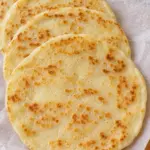
3-Ingredient Soft Skillet Rice Bread
Ingredients
- 1 cup fine white rice flour (about 150 g)
- 1 cup whole milk (240 mL)
- 1 large egg
Ingredient Notes and Substitutions
Fine White Rice Flour
Rice flour is the foundation of this recipe, so the type you choose matters. Use regular fine white rice flour, which is made from long- or medium-grain rice and has a neutral flavor. It gives the flatbreads a tender, soft texture.
Do not substitute sweet rice flour, also known as glutinous rice flour. Sweet rice flour is much stickier and more elastic, and it makes a chewier, gummier result. Brown rice flour is another option, but it is more coarse and nutty, so the flatbreads will be heartier and a little less delicate.
For the most accurate results, weigh the flour. One cup is about 150 g here. If you measure by volume, spoon the flour into the cup and level it off rather than scooping directly from the bag, which packs it down. Because rice flour can vary by brand and grind, a very fine texture gives the smoothest batter.
Whole Milk
Whole milk adds richness, a mild dairy flavor, and the liquid the rice flour needs to hydrate. Its fat helps keep the flatbreads tender and soft. Lower-fat milk will work, but the flavor and tenderness will be slightly less rich. Use room-temperature or cool milk, which blends into the egg more easily than ice-cold milk.
If you need a dairy-free version, an unsweetened plant-based milk can work in its place, though the flavor and texture may change. Choose a plain, unsweetened option, and expect to adjust the batter with a splash more liquid if it seems thick.
The Egg
The egg acts as a binder and adds structure, which is especially important in a recipe without gluten. It helps the thin batter set into a flexible round that can be flipped without falling apart. A large egg is best. If you need an egg-free option, this particular recipe depends on the egg for structure, so you would need a different, purpose-built egg-free formula.
Instructions
In a mixing bowl, beat the egg with about half of the milk. Gradually whisk in the rice flour, adding it a little at a time so no lumps form. Then whisk in the remaining milk until the batter is smooth and pourable. It should be thin and flow easily, like crepe batter. Rest the batter for 5 minutes. This short pause gives the rice flour time to absorb the liquid, which improves the texture and helps the flatbreads cook evenly.
Step 2: Heat the Skillet
Preheat a dry 8-inch nonstick skillet over medium-low heat. Use a dry pan, with no oil or butter, so the flatbreads develop dry golden spots rather than frying. Medium-low heat is important. A pan that is too hot will brown the underside before the batter has a chance to set, while a pan that is too cool will make the bread pale and slow to cook. Stir the batter from the bottom just before pouring, because rice flour settles quickly.
Step 3: Pour and Cook
Pour in about a quarter of the batter and immediately tilt the skillet to spread it into a 6- to 7-inch round. Work quickly, since the batter begins to set as soon as it touches the pan. Cook for 2 to 3 minutes, until the surface turns matte, the edges release easily, and the underside has golden spots. The matte surface is the key sign. When the top no longer looks wet or shiny, the flatbread is ready to flip.
Step 4: Flip and Finish
Slide a wide spatula underneath, flip, and cook for 1 to 2 minutes more, until the second side is lightly spotted and the center is fully set. A wide spatula supports the whole round, which reduces the chance of cracks or tears.
Step 5: Stack and Serve
Repeat with the remaining batter, stirring before each pour. Stack the cooked flatbreads on a plate under a clean kitchen towel to keep them soft. The towel traps steam, which keeps the flatbreads tender and flexible. Serve them warm.