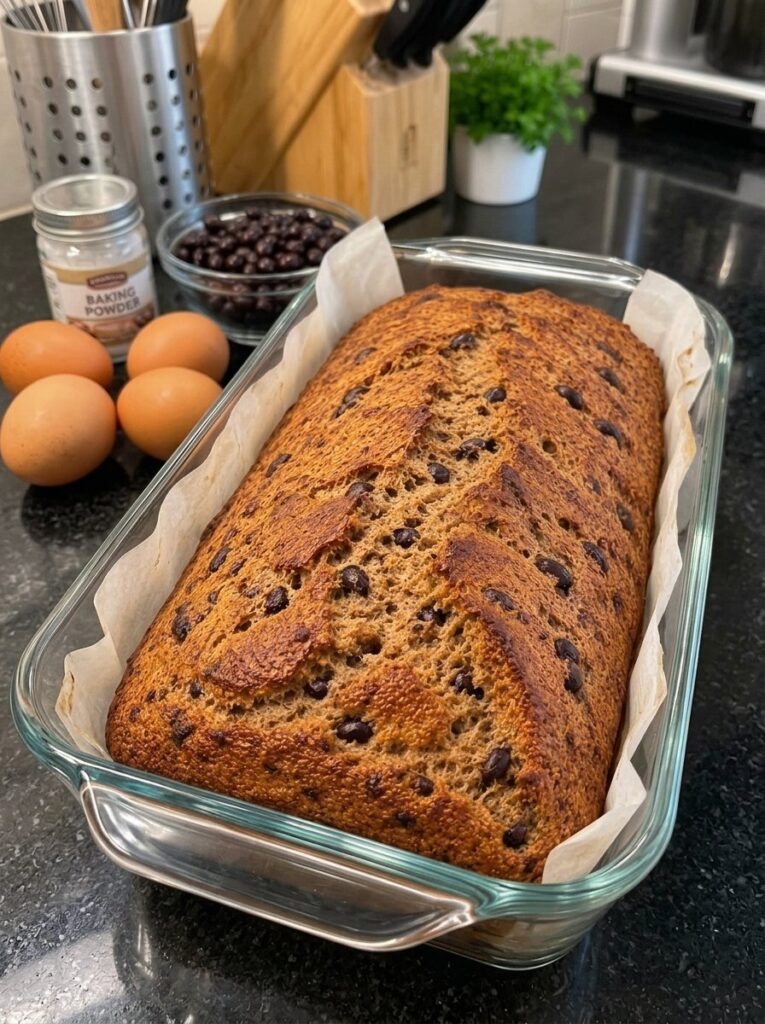
Why Black Bean Bread Deserves a Spot in Your Kitchen
If you have ever stood in front of your pantry wondering whether a can of beans could become something more exciting than chili or a burrito bowl, this recipe is for you. Black bean bread is a simple, flourless loaf made from just three everyday ingredients: canned black beans, eggs, and baking powder. There is no yeast to proof, no dough to knead, and no flour to measure. You blend, pour, and bake.
The result is a moist, tender, relatively dense loaf with a mild savory flavor. It slices neatly once cooled, toasts beautifully, and works as the base for everything from avocado toast to breakfast sandwiches. Black beans bring fiber and plant-based protein to the party, while eggs bind everything together and give the loaf its sliceable structure.
In this guide, you will find the complete recipe, step-by-step instructions, troubleshooting advice, flavor variations, serving ideas, storage tips, and answers to the questions home bakers ask most often. Whether you are curious about flourless baking, looking for a higher-protein bread alternative, or simply want an easy recipe that uses pantry staples, this loaf is a great place to start.
What Is Black Bean Bread?
Black bean bread is a flourless, blender-based loaf. Instead of relying on wheat flour for structure, it uses blended black beans as the base and eggs as the binder. Baking powder adds a little lift so the loaf does not bake up as a solid brick.
Because the batter is made entirely in a blender or food processor, it is one of the fastest breads you can make at home. It is closer in spirit to a savory quick bread or a baked bean-and-egg loaf than to a traditional yeasted sandwich bread. It will not have the chewy crumb of sourdough or the fluffy airiness of white sandwich bread, and that is perfectly fine. Think of it as its own category: hearty, moist, and satisfying.
A few things set it apart from typical breads:
- It is flourless. The recipe contains no wheat flour, which makes it an interesting option for people who want to experiment with flourless baking.
- It is built on whole food ingredients. Beans and eggs are the stars, not refined starches.
- It is fast. Prep takes about 10 minutes, and most of the remaining time is hands-off baking and cooling.
- It is flexible. The mild flavor works with sweet or savory toppings.
The Three Ingredients
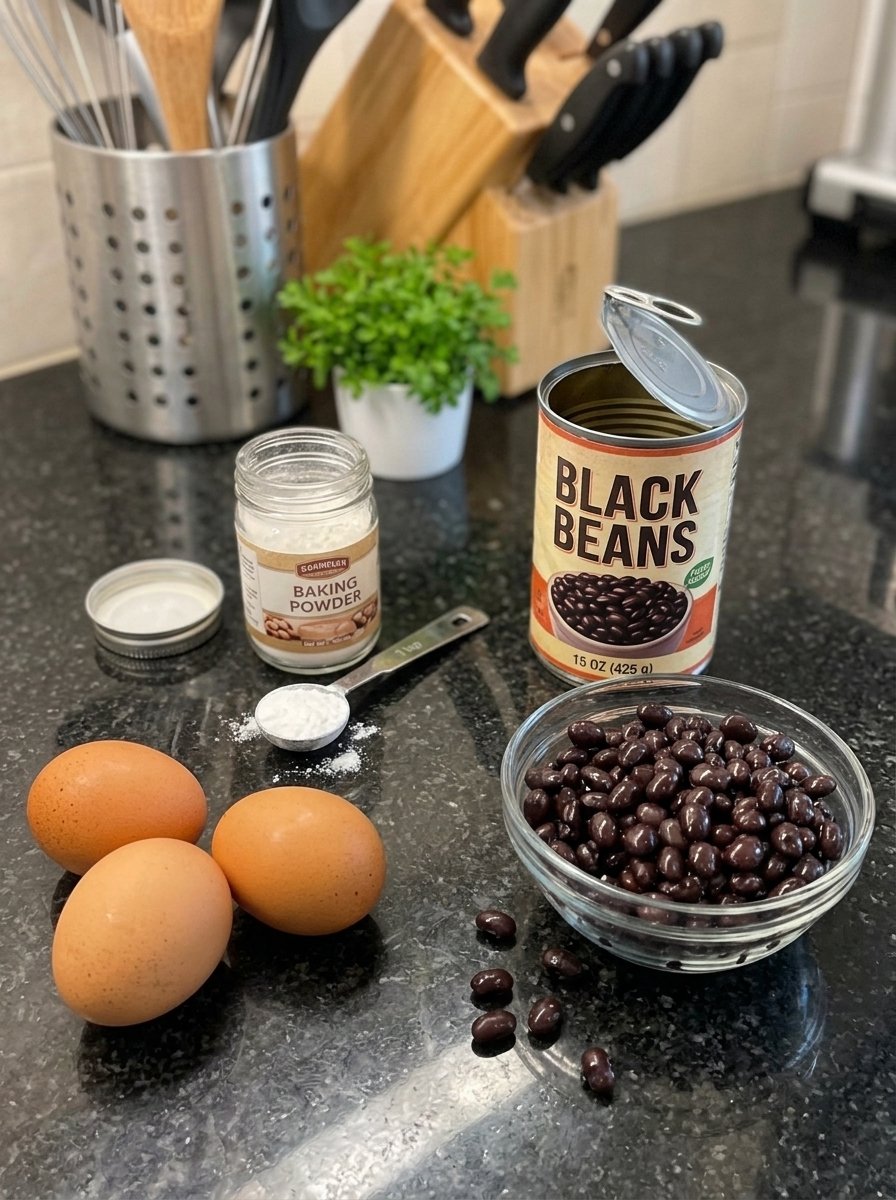
The beauty of this recipe is its short ingredient list. Here is exactly what you need:
- 1 can (15 oz / 425 g) black beans, drained and thoroughly rinsed
- 3 large eggs
- 1 teaspoon baking powder
That is the entire recipe. You will also want a little oil or parchment paper to prepare your loaf pan, but those are kitchen tools rather than recipe ingredients.
Why Each Ingredient Matters
Black beans form the body of the bread. They contribute fiber, plant-based protein, and a deep, earthy color. Once blended until smooth, they create a thick batter that bakes into a tender crumb. Rinsing them well removes much of the canning liquid, which helps the flavor taste cleaner and the batter bake up less wet.
Eggs are the binder. They hold the blended beans together, add structure and moisture, and contribute extra protein. Without eggs, the batter would not set into a loaf you can slice.
Baking powder is the leavening agent. A single teaspoon gives the loaf a bit of lift and helps create a softer, more open crumb than you would get without it. Make sure your baking powder is fresh; old baking powder loses its power and can leave the loaf flatter and denser.
Equipment You Will Need
You do not need anything fancy for this recipe:
- A blender or food processor
- An 8 × 4-inch loaf pan (a glass baking dish lined with parchment also works, as shown in the photo above)
- Parchment paper or a little oil for greasing
- A spatula
- A toothpick for testing doneness
- A wire rack for cooling
- A sharp knife for slicing
Recipe at a Glance
- Prep time: 10 minutes
- Bake time: 35–45 minutes
- Cooling time: 30–45 minutes
- Total time: approximately 1 hour 15 minutes to 1 hour 40 minutes
- Yield: 1 small loaf, about 6–8 slices
- Oven temperature: 350°F (175°C)
- Texture: Moist, tender, and relatively dense
- Flavor: Mild and savory
- Difficulty: Easy and beginner-friendly
How to Make Black Bean Bread: Step by Step
Step 1: Prepare the Black Beans
Preheat your oven to 350°F (175°C). Open the can of black beans, drain them in a colander, and rinse them thoroughly under cool running water. Then let them drain well. This step matters more than it seems: excess moisture can make the bread too dense or wet, and it can prevent the center from setting properly. Give the colander a good shake, or pat the beans gently with a clean kitchen towel if they still look very wet.
Step 2: Blend the Ingredients
Add the drained beans, eggs, and baking powder to a blender or food processor. Blend until the mixture is completely smooth, pausing to scrape down the sides as needed. The finished batter should be thick but pourable, with no large pieces of bean remaining. A smoother batter produces a more even texture and a more bread-like crumb.
If your blender struggles because the mixture is thick, stop and stir with a spatula, then continue blending. Do not add water or milk; extra liquid will make the loaf too wet.
Step 3: Prepare the Loaf Pan
Lightly grease an 8 × 4-inch loaf pan or line it with parchment paper, leaving a little overhang on the sides to use as handles later. Pour in the batter and spread it evenly with a spatula. Gently tap the pan on the counter a couple of times to release any large air bubbles.
Step 4: Bake Until Set
Place the pan in the preheated oven and bake for about 35–45 minutes. The loaf is ready when the center feels firm and set and a toothpick inserted into the middle comes out mostly clean. The top should look golden brown and slightly crackled, with the dark beans visible throughout the crumb. If the center still looks wet, bake for a few more minutes and check again.
Oven temperatures and pan sizes vary, so rely on the visual and toothpick cues rather than the clock alone. A wider, shallower pan will bake faster than a narrow, deep one.
Step 5: Let the Bread Cool
Remove the pan from the oven and let the loaf rest in the pan for 10–15 minutes. Then carefully lift it out and transfer it to a wire rack to cool completely. This waiting period is important. The bread will be very moist and soft while warm, and cooling lets it firm up so it slices cleanly.
Step 6: Slice and Enjoy
Once the loaf has cooled, slice it with a sharp knife. Serve the slices as they are, or toast them lightly for a firmer, slightly crisp texture that holds toppings well.
Tips for the Best Black Bean Bread
Small details make a big difference in a three-ingredient recipe. Keep these tips in mind:
- Drain the beans well. Too much liquid is the most common reason this loaf turns out gummy or does not set.
- Blend until truly smooth. Chunks of whole beans create uneven texture and weak spots in the slices.
- Prepare the pan properly. Parchment paper makes removal easy and prevents sticking.
- Check the center, not just the edges. The loaf should be firm in the middle before it leaves the oven.
- Cool completely before slicing. Cutting too soon gives you soft, crumbly slices. Patience pays off.
- Toast the slices. Toasting improves the texture and makes the bread feel more like a traditional loaf.
- Use fresh baking powder. If your container has been open for many months, replace it.
Troubleshooting: Why Did My Black Bean Bread Turn Out This Way?
My loaf is too wet in the middle. The beans were probably not drained well enough, or the loaf needs more baking time. Return it to the oven for 5–10 more minutes and test again. Next time, drain the beans thoroughly and consider using a slightly shallower pan.
My bread is very dense. This loaf is naturally dense compared with yeasted breads, but a heavy, gummy texture can mean the batter was too wet or the baking powder was old. Check the freshness of your baking powder and make sure the beans are well drained.
The bread stuck to the pan. Always grease the pan or use parchment paper. A glass dish lined with parchment, like the one in the photo, releases the loaf easily.
The slices fall apart. You likely cut the loaf while it was still warm. Let it cool completely, and for the cleanest slices, chill it for an hour before cutting.
The flavor tastes too beany. Rinse the beans very well, and try serving the bread toasted with flavorful toppings like avocado, lemon, tomato, or herbs. You can also add spices (see the variations below).
Flavor Variations to Try
The plain recipe is intentionally simple, but it is also a great canvas. Keep in mind that any of these additions means the recipe has more than three ingredients, but they can be a nice way to customize the loaf:
- Garlic and herb: Add a pinch of garlic powder and dried Italian herbs to the blender.
- Black pepper and onion: A little cracked black pepper and onion powder give it a savory, deli-style flavor.
- Smoky and spiced: Try smoked paprika or a touch of cumin for a flavor that pairs well with chili and soups.
- Cheesy: Fold shredded cheese into the batter or sprinkle some on top before baking.
- Seeded: Top the loaf with sesame, pumpkin, or sunflower seeds for crunch.
Start with small amounts of seasoning, since the batter is mild and the flavors concentrate as it bakes.
Delicious Ways to Serve Black Bean Bread
This bread shines when it has something flavorful on top. Here are some of the best ways to enjoy it:
- Avocado toast: Toast a slice, spread it with mashed avocado, and finish with black pepper and a squeeze of lemon.
- Breakfast sandwich: Layer scrambled eggs and a slice of cheese between two toasted slices for a hearty morning meal.
- Open-faced sandwich: Top a slice with sliced tomatoes, cucumber, lettuce, or your favorite sandwich fillings.
- Creamy topping: Spread cottage cheese or cream cheese on a slice and sprinkle with fresh herbs.
- Savory snack: Serve toasted slices with hummus or a yogurt-based dip.
- Soup companion: Enjoy it alongside tomato soup, vegetable soup, or a warming bowl of chili.
Because the bread is sturdy, it also works well for dipping and for holding juicy toppings without falling apart, especially once toasted.
Is Black Bean Bread High in Protein?
The recipe is often called high-protein because both of its main ingredients contribute protein: black beans offer plant-based protein and fiber, and eggs add complete protein. Compared with many standard slices of bread, a loaf built on beans and eggs can be a more protein-forward choice.
The exact nutrition depends on the brand of beans, the size of your eggs, and how thickly you slice the loaf. If you track nutrition closely, use a nutrition calculator with your specific ingredients and divide by the number of slices you cut. Because beans and eggs also contribute fiber and nutrients, many people find this bread filling.
If you have a medical condition, a food allergy, or specific dietary needs, check with a qualified professional about whether this recipe suits you.
Is This Bread Gluten-Free?
The recipe contains no wheat flour, so it is flourless by design. However, whether a finished loaf is truly gluten-free depends on your ingredients. Check the labels on your canned beans and baking powder, and consider cross-contamination if you or someone you are serving has celiac disease or a gluten sensitivity. When in doubt, look for products labeled gluten-free.
How to Store Black Bean Bread
Proper storage keeps the loaf fresh and safe to eat:
- Refrigerator: Store the completely cooled loaf in an airtight container in the fridge for up to 3–4 days.
- Freezer: Slice the loaf, separate the slices with parchment paper, and freeze them in a freezer-safe bag for up to 2 months. This makes grab-and-toast breakfasts very convenient.
- Reheating: Warm refrigerated or thawed slices in a toaster or skillet until heated through.
- Food safety: Because this bread contains eggs and beans, refrigerate it within 2 hours of baking instead of leaving it out at room temperature for long periods.
Meal Prep Ideas
Black bean bread is a great candidate for batch cooking. Bake a loaf on the weekend, let it cool, slice it, and freeze the slices in portions. Pull out a slice or two each morning and toast them straight from the freezer or after a short thaw.
You can also prepare topping combinations ahead of time: a container of hummus, sliced cucumbers and tomatoes, hard-boiled eggs, or a batch of cottage cheese with herbs. With those on hand, you can assemble a satisfying open-faced sandwich in minutes.
Frequently Asked Questions
Can I make black bean bread without eggs?
Eggs are what bind this particular recipe and give it structure, so removing them will change the result significantly. This recipe was developed with eggs, and swapping them out may produce a loaf that does not set or slice properly. If you want an egg-free version, you will need a different, tested recipe.
Can I use dried black beans instead of canned?
Yes, as long as they are fully cooked and soft. Use about the same amount as a drained 15 oz can, which is roughly 1½ cups of cooked beans. Drain them well, because homemade cooked beans can hold extra moisture.
Can I use a different type of bean?
You can experiment with other beans such as pinto or kidney beans, but the color, flavor, and texture will differ. Black beans give this loaf its distinctive dark crumb and mild, earthy taste.
Does black bean bread taste like beans?
It has a mild, savory flavor with a slightly earthy note. It does not taste like chili or a bowl of beans, but it is not a neutral white bread either. Toasting it and adding flavorful toppings helps round out the taste.
Why is my black bean bread gummy?
Gumminess usually comes from too much moisture. Drain and rinse the beans thoroughly, bake until the center is fully set, and let the loaf cool completely before slicing.
Can I double the recipe?
You can double the ingredients and bake two loaves in separate pans, or use one larger pan. A larger, deeper loaf will need a longer bake time, so check for doneness carefully with a toothpick.
Can I make it in a muffin tin?
The batter can be portioned into a lined muffin tin for smaller, portable servings. Baking time will be shorter, so start checking early and look for a firm, set center.
Can I make the batter ahead of time?
It is best to bake the batter right after blending, since the baking powder starts working once it is mixed with the wet ingredients.
How do I know when the bread is done?
The loaf should feel firm in the center, the top should be set and golden, and a toothpick inserted in the middle should come out mostly clean. If it still looks wet, bake a little longer.
Can I freeze black bean bread?
Yes. Slice it, separate the slices with parchment paper, and freeze them in a freezer-safe bag for up to 2 months. Reheat in a toaster or skillet.
Final Thoughts
This 3-ingredient high-protein black bean bread proves that you do not need flour, yeast, or a long ingredient list to bake a satisfying homemade loaf. With a can of black beans, three eggs, and a teaspoon of baking powder, you can blend a batter in minutes and have a moist, tender, sliceable bread ready in about an hour or so.
It is easy enough for beginners, flexible enough for creative cooks, and practical enough for busy weeks, especially when you slice and freeze it for later. Pair it with avocado, hummus, cottage cheese, or a bowl of soup, and you have a simple, filling snack or meal.
Print
3-Ingredient High-Protein Black Bean Bread
Ingredients
The beauty of this recipe is its short ingredient list. Here is exactly what you need:
- 1 can (15 oz / 425 g) black beans, drained and thoroughly rinsed
- 3 large eggs
- 1 teaspoon baking powder
That is the entire recipe. You will also want a little oil or parchment paper to prepare your loaf pan, but those are kitchen tools rather than recipe ingredients.
Why Each Ingredient Matters
Black beans form the body of the bread. They contribute fiber, plant-based protein, and a deep, earthy color. Once blended until smooth, they create a thick batter that bakes into a tender crumb. Rinsing them well removes much of the canning liquid, which helps the flavor taste cleaner and the batter bake up less wet.
Eggs are the binder. They hold the blended beans together, add structure and moisture, and contribute extra protein. Without eggs, the batter would not set into a loaf you can slice.
Baking powder is the leavening agent. A single teaspoon gives the loaf a bit of lift and helps create a softer, more open crumb than you would get without it. Make sure your baking powder is fresh; old baking powder loses its power and can leave the loaf flatter and denser.
Instructions
Preheat your oven to 350°F (175°C). Open the can of black beans, drain them in a colander, and rinse them thoroughly under cool running water. Then let them drain well. This step matters more than it seems: excess moisture can make the bread too dense or wet, and it can prevent the center from setting properly. Give the colander a good shake, or pat the beans gently with a clean kitchen towel if they still look very wet.
Add the drained beans, eggs, and baking powder to a blender or food processor. Blend until the mixture is completely smooth, pausing to scrape down the sides as needed. The finished batter should be thick but pourable, with no large pieces of bean remaining. A smoother batter produces a more even texture and a more bread-like crumb.
If your blender struggles because the mixture is thick, stop and stir with a spatula, then continue blending. Do not add water or milk; extra liquid will make the loaf too wet.
Lightly grease an 8 × 4-inch loaf pan or line it with parchment paper, leaving a little overhang on the sides to use as handles later. Pour in the batter and spread it evenly with a spatula. Gently tap the pan on the counter a couple of times to release any large air bubbles.
Place the pan in the preheated oven and bake for about 35–45 minutes. The loaf is ready when the center feels firm and set and a toothpick inserted into the middle comes out mostly clean. The top should look golden brown and slightly crackled, with the dark beans visible throughout the crumb. If the center still looks wet, bake for a few more minutes and check again.
Oven temperatures and pan sizes vary, so rely on the visual and toothpick cues rather than the clock alone. A wider, shallower pan will bake faster than a narrow, deep one.
Remove the pan from the oven and let the loaf rest in the pan for 10–15 minutes. Then carefully lift it out and transfer it to a wire rack to cool completely. This waiting period is important. The bread will be very moist and soft while warm, and cooling lets it firm up so it slices cleanly.
Once the loaf has cooled, slice it with a sharp knife. Serve the slices as they are, or toast them lightly for a firmer, slightly crisp texture that holds toppings well.