If you have ever wished you could pull a warm, golden flatbread out of the oven without proofing yeast, kneading dough, or standing over a hot skillet, this 3-ingredient high-protein Northern bean flatbread is the recipe for you. It uses just three pantry-friendly ingredients: creamy Great Northern beans, eggs, and oat flour. Everything is blended, spread onto a single sheet pan, and baked until the surface turns lightly golden and the center is set. The result is a soft, tender, savory bread that works for lunch, snacks, breakfast, and weekly meal prep.
In this guide, you will learn exactly how to make the recipe, why each ingredient matters, how to avoid the most common mistakes, and how to serve and store your flatbread. You will also find flavor variations, troubleshooting tips, and answers to frequently asked questions so you can get great results on your very first try.
What Is Northern Bean Flatbread?
Northern bean flatbread is a yeast-free, kneading-free bread made from blended Great Northern beans and eggs, with oat flour added for structure. Instead of relying on gluten from wheat flour, the batter holds together thanks to the protein in the eggs and the natural starch in the beans and oats. Spread thin and baked on a rimmed sheet pan, it sets into one large rectangular flatbread that you can slice into squares, strips, or wide pieces for wraps.
The texture is soft and slightly dense, somewhere between a thick flatbread and a savory cake. The flavor is mild and gently earthy, which is exactly what makes it so versatile. It does not shout over your toppings; it supports them. Whether you spread it with hummus, pile on avocado, or fold it around grilled chicken and crisp lettuce, it plays well with almost any savory flavor.
Why You Will Love This High-Protein Flatbread
There are plenty of reasons this recipe earns a permanent spot in a weekly meal rotation:
- Only three ingredients. Great Northern beans, eggs, and oat flour are all you need for the base recipe.
- No yeast and no waiting. There is no dough to rise and no kneading. You go from pantry to oven in about ten minutes.
- One sheet pan. Instead of cooking individual flatbreads in a skillet one at a time, you bake the whole batch together, which saves time and cleanup.
- Naturally high in protein. Beans and eggs both contribute protein, making each portion more filling than a typical slice of bread.
- Great for meal prep. The flatbread stores well in the refrigerator and freezer, so you can portion it once and eat well all week.
- Flexible and customizable. Keep it plain, or add garlic powder, herbs, spices, or cheese to match whatever you are serving.
- Budget-friendly. Canned beans, eggs, and oat flour are inexpensive, and you can often make the flatbread for less than the cost of specialty store-bought breads.
Ingredients You Will Need
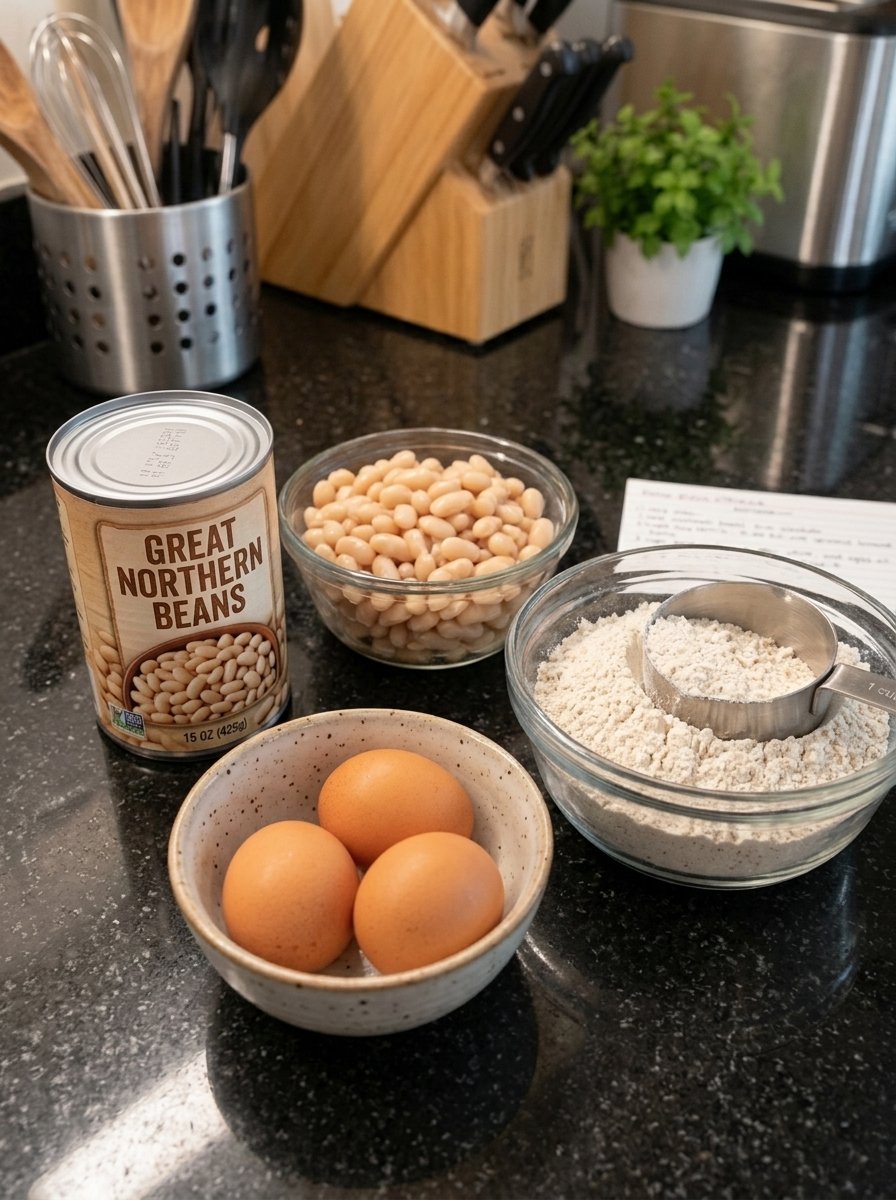
The base recipe requires only three ingredients:
- 1 can (15 oz / 425 g) Great Northern beans, drained and rinsed
- 3 large eggs
- 1 cup (90–100 g) oat flour
Optional flavor boosters include salt, garlic powder, dried herbs, or black pepper.
Why Great Northern Beans?
Great Northern beans are mild, creamy, and slightly delicate in flavor, which makes them ideal for blending into a smooth batter. Their soft texture purees easily, and their neutral taste means the finished flatbread does not taste overwhelmingly like beans. If you cannot find them, cannellini beans or navy beans are the closest substitutes, though results may vary slightly in moisture and flavor.
Why Eggs?
Eggs are the binder that holds the whole recipe together. As they bake, the proteins set and form a structure that gives the flatbread its shape and a tender, springy bite. Eggs also add richness and contribute to the golden color on the surface and edges.
Why Oat Flour?
Oat flour adds body and absorbs extra moisture from the bean puree, turning a loose batter into something thick enough to spread and bake. It also adds a subtle, slightly sweet, toasty flavor. You can buy oat flour at most grocery stores, or make your own by blending old-fashioned rolled oats in a blender or food processor until they form a fine powder. Measure after blending for the most accurate results.
Equipment Checklist
You do not need anything fancy. Gather these basics before you begin:
- A food processor (a high-speed blender can work in a pinch)
- A rimmed baking sheet
- Parchment paper
- A rubber spatula or offset spatula for spreading
- A cutting board and a sharp knife or pizza cutter
- A wire rack, if you have one, for cooling
How to Make Northern Bean Flatbread: Step-by-Step
Step 1: Prepare the Oven and Baking Sheet
Preheat your oven to 375°F (190°C). Line a rimmed baking sheet with parchment paper and lightly grease it if needed to help prevent sticking. The rim is important because the batter is fairly soft before it bakes, and the parchment makes lifting the finished flatbread much easier.
Step 2: Blend the Beans and Eggs
Drain and rinse the Great Northern beans thoroughly. Add them to a food processor along with the eggs. Blend until the mixture is smooth and creamy, stopping to scrape down the sides as needed so that no large pieces of beans remain. A silky base is the secret to an even, tender texture.
Step 3: Add the Oat Flour
Add the oat flour to the bean and egg mixture. Process briefly, or stir with a spatula, until everything is fully combined. The batter should be thick but spreadable. Let it rest for 2 to 3 minutes so the oat flour can absorb some of the moisture. This short rest makes the batter easier to spread and helps the final flatbread hold together.
Step 4: Spread the Batter
Pour the mixture onto the prepared baking sheet. Use a spatula to spread it into an even rectangle about ¼ inch thick. Keep the thickness as consistent as possible so the edges do not dry out before the center is cooked through. If you want to season the flatbread, now is the time to sprinkle on a pinch of salt, black pepper, or dried herbs.
Step 5: Bake Until Set and Golden
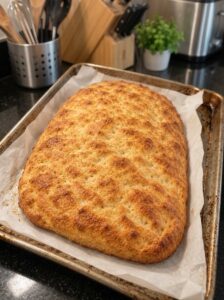
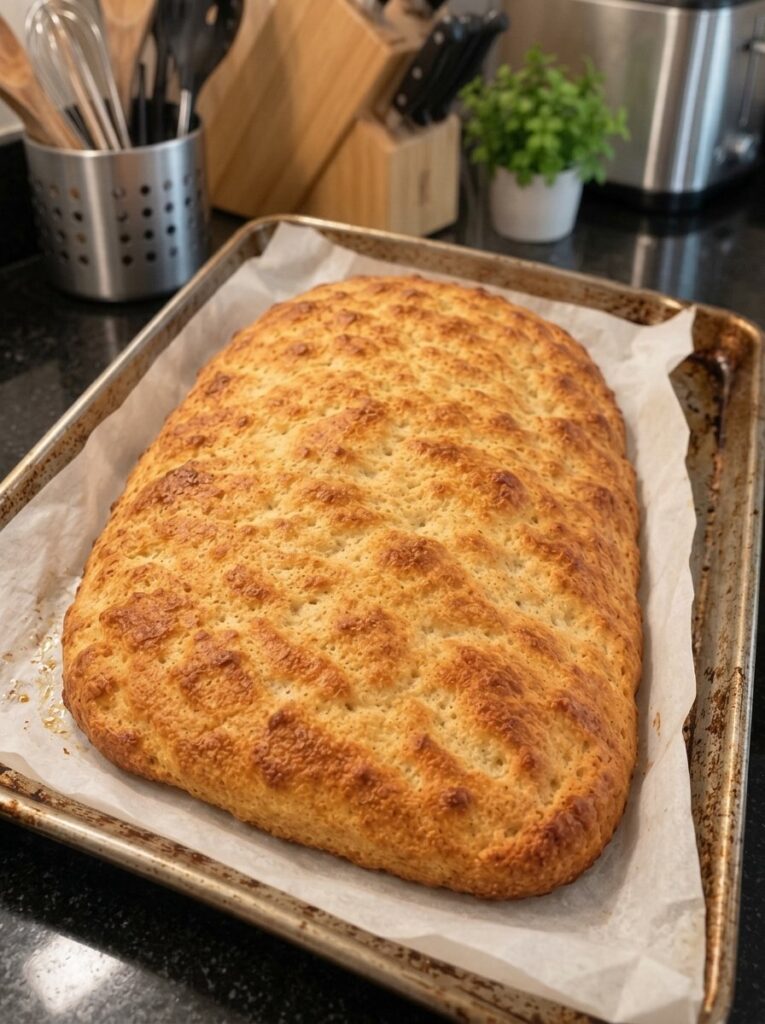
Bake in the preheated oven for 25 to 35 minutes, depending on how thick the batter is. The flatbread is ready when it looks set, feels firm to the touch, and has developed lightly golden edges. The center should no longer look wet. A properly baked flatbread will have a golden, slightly dimpled surface with deeper golden-brown patches where the top has caramelized.
Step 6: Cool and Slice
Remove the baking sheet from the oven and let the flatbread cool for about 10 minutes. This resting time lets it firm up so it slices cleanly. Carefully lift it from the parchment paper, transfer it to a cutting board, and slice into rectangles, squares, or larger pieces for wraps and sandwiches.
Step 7: Serve and Enjoy
Serve the flatbread warm or at room temperature with your favorite toppings. Enjoy it plain, spread with hummus, topped with avocado, or paired with eggs and vegetables for a satisfying meal.
Tips for the Best Northern Bean Flatbread
These small details make a big difference in the final texture and flavor:
- Drain the beans thoroughly. Excess liquid can make the flatbread wet or gummy. After rinsing, shake the beans in a colander and let them sit for a minute. For extra insurance, pat them gently with a clean kitchen towel.
- Blend until completely smooth. Process the beans and eggs until creamy before adding the oat flour. Leftover bean chunks can create uneven pockets of moisture.
- Spread evenly. A uniform layer cooks evenly from edge to center. Thin spots can overbake while thick spots stay soft.
- Use parchment paper. It prevents sticking and makes it easy to lift and slice the finished bread.
- Add extra flavor if desired. The base recipe is intentionally simple, but salt, garlic powder, dried herbs, and black pepper can turn it into something more memorable.
- Let it cool slightly. Resting after baking helps the flatbread firm up and makes slicing easier.
- Do not skip the batter rest. Those two or three minutes allow the oat flour to hydrate and thicken the batter.
- Know your oven. Ovens vary, so start checking at the 25-minute mark. If the edges are browning faster than the center, rotate the pan or loosely tent it with foil.
Flavor Variations to Try
The three-ingredient base is a blank canvas. Once you have made it plain, try these ideas, stirring seasonings into the batter before spreading it on the pan:
- Garlic herb: Add garlic powder and a teaspoon of dried Italian seasoning for a flatbread that tastes like it came from a bakery.
- Everything-style: Sprinkle sesame seeds, poppy seeds, and dried onion over the top before baking.
- Cheesy: Fold in a handful of shredded cheese, or scatter some over the top during the last few minutes of baking.
- Spicy: Add a pinch of chili flakes, smoked paprika, or cumin for a warm, savory kick.
- Fresh herb: Stir in finely chopped parsley, chives, or basil for color and freshness.
- Lemon pepper: Add black pepper and a little lemon zest for a bright, clean flavor.
If you add wet ingredients such as fresh herbs, chopped vegetables, or cheese, keep the amount modest so the batter does not become too loose.
Serving Ideas: What to Eat With Bean Flatbread
Because the flavor is mild and the texture is sturdy, this flatbread works in many different meals.
- Hummus flatbread: Spread with creamy hummus and add cucumber, tomatoes, and fresh herbs for a Mediterranean-style lunch.
- Avocado toast: Top a warm slice with mashed avocado, black pepper, and a squeeze of lemon.
- Savory breakfast: Serve with scrambled eggs, sliced tomatoes, and a little cheese.
- Mini flatbread pizzas: Add tomato sauce, mozzarella, and your favorite toppings, then bake briefly until the cheese melts.
- Healthy snack: Cut into small squares and serve with yogurt dip, salsa, or another savory spread.
- Lunch wraps: Use larger, flexible pieces with grilled chicken, lettuce, and vegetables. For easier folding, make the flatbread thinner and avoid overbaking.
- Dip dipper: Slice into strips and use for scooping up soups, stews, or dips.
- Sandwich bread swap: Cut into rectangles and use as the bread for a sandwich with turkey, cheese, and greens.
How to Store, Freeze, and Reheat
One of the best things about this flatbread is how well it fits into a meal prep routine.
Refrigerator: Allow the flatbread to cool completely, then store it in an airtight container in the refrigerator for up to 4 days.
Freezer: Separate individual pieces with parchment paper and freeze them in a freezer-safe bag for up to 2 months. The parchment keeps the pieces from sticking together, so you can pull out one portion at a time.
Reheating: Warm individual portions in a skillet over medium-low heat or in a toaster oven until heated through. Reheating in a skillet brings back a little crispness on the outside while keeping the inside soft.
Meal prep: Divide the cooled flatbread into portions before refrigerating so it is easy to grab for quick lunches and snacks.
For best results, thaw frozen pieces in the refrigerator overnight, then reheat as above.
Troubleshooting: Common Problems and Easy Fixes
My flatbread is gummy in the center. This usually means the batter was spread too thick, the beans were not drained well enough, or the flatbread needs more time. Bake a few minutes longer, and next time pat the beans dry and spread the batter closer to ¼ inch thick.
The edges are dry or too dark. The batter was likely uneven, with thin edges and a thicker center. Spread the batter evenly right up to the edges, and tent the pan loosely with foil if the edges brown early.
It stuck to the pan. Use parchment paper and lightly grease it if needed. Let the flatbread cool for the full 10 minutes before lifting.
It tastes too much like beans. Make sure the beans are well rinsed, and add seasonings such as garlic powder, salt, and herbs. A little salt in particular brings out the flavor of the oats and eggs.
It breaks when I fold it. Bean flatbread is more tender than wheat flatbread. For wraps, spread the batter a little thinner, avoid overbaking, and fold it while it is still slightly warm.
The batter is too thick to spread. Let it rest for the full two to three minutes, then use a spatula dipped in water, or a piece of parchment pressed on top, to smooth it into an even layer.
Is This Flatbread Healthy? Dietary Notes
This flatbread is made from whole-food ingredients with no added sugar and no refined white flour. Beans provide plant-based protein and fiber, eggs add complete protein, and oats contribute additional fiber. That combination makes it more filling than many conventional breads, which is why it works well for lunches, snacks, and post-workout meals.
A few dietary considerations:
- Gluten-free: Oats are naturally gluten-free, but they are often processed alongside wheat. If you need to avoid gluten, look for oat flour that is clearly labeled certified gluten-free.
- Dairy-free: The base recipe contains no dairy. Just choose toppings accordingly.
- Vegetarian: The recipe is vegetarian as written.
- Not vegan: Eggs are essential to the structure in this version, so it is not suitable for a vegan diet.
- Allergens: The recipe contains eggs and oats. Always check labels on canned beans and oat flour if you are cooking for someone with allergies.
Nutrition varies by brand and portion size, so use a nutrition calculator with your exact ingredients if you need precise numbers. If you have specific medical or dietary needs, check with a healthcare professional or registered dietitian.
Frequently Asked Questions
Can I use a different type of bean?
Yes. Cannellini beans and navy beans are the best substitutes because they are similarly mild and creamy. Chickpeas and white kidney beans can also work, though the flavor and texture will be slightly different. Darker beans such as black beans will change both the color and the taste.
Can I make this flatbread without a food processor?
Yes, if you have a blender or an immersion blender. Mash and blend the beans with the eggs until completely smooth. If you use a blender, you may need to scrape down the sides several times. Stir in the oat flour by hand.
Can I make it without oat flour?
Oat flour is what gives the batter its body, so it is best to stick with it. You can make your own by grinding rolled oats until fine. Other flours may change the texture and absorption, so expect to experiment if you substitute.
How thick should the batter be?
Aim for about ¼ inch. A thinner layer produces a flexible, wrap-friendly flatbread, while a thicker layer yields a softer, bread-like texture that needs a longer bake.
How do I know when it is done?
Look for a set surface, firm feel, lightly golden edges, and no wet-looking areas in the center. A gentle press in the middle should feel firm rather than squishy.
Can I double the recipe?
Yes, but use a second pan rather than making the batter thicker. Two thin layers bake more evenly than one thick one. Rotate the pans halfway through if your oven has hot spots.
Can I cook it in a skillet instead?
The recipe is designed for a sheet pan, which bakes everything at once and saves time. You can try cooking smaller portions in a skillet, but the batter is soft and may need careful handling when flipping.
Can I freeze the batter?
It is better to bake first and freeze the finished flatbread. Raw batter made with eggs and beans can separate and does not bake as consistently after freezing.
Why is it called high-protein?
Because two of the three ingredients, beans and eggs, naturally contain protein. Combined with the fiber from beans and oats, each portion is satisfying and keeps you full longer than many plain breads.
How many servings does the recipe make?
The recipe makes one sheet-pan flatbread, about 6 to 8 portions, depending on how you slice it.
Final Thoughts
This 3-ingredient high-protein Northern bean flatbread proves that homemade bread does not have to be complicated. With creamy Great Northern beans, eggs, and oat flour, you can make a soft, savory, golden flatbread in under an hour, using one bowl and one pan. It is easy enough for beginners, flexible enough for endless flavor combinations, and practical enough to anchor a week of meal prep.
Try it plain the first time to appreciate the mild, earthy flavor and tender texture, then experiment with herbs, spices, and toppings. Spread it with hummus, pile on avocado, fold it into a wrap, or turn it into mini pizzas. However you serve it, this simple flatbread is a satisfying way to add more protein and whole-food goodness to your day.
Print
3-Ingredient High-Protein Northern Bean Flatbread
- Total Time: 45 minutes
- Yield: 1 sheet-pan flatbread, about 6–8 portions 1x
Ingredients
The base recipe requires only three ingredients:
- 1 can (15 oz / 425 g) Great Northern beans, drained and rinsed
- 3 large eggs
- 1 cup (90–100 g) oat flour
Optional flavor boosters include salt, garlic powder, dried herbs, or black pepper.
Why Great Northern Beans?
Great Northern beans are mild, creamy, and slightly delicate in flavor, which makes them ideal for blending into a smooth batter. Their soft texture purees easily, and their neutral taste means the finished flatbread does not taste overwhelmingly like beans. If you cannot find them, cannellini beans or navy beans are the closest substitutes, though results may vary slightly in moisture and flavor.
Why Eggs?
Eggs are the binder that holds the whole recipe together. As they bake, the proteins set and form a structure that gives the flatbread its shape and a tender, springy bite. Eggs also add richness and contribute to the golden color on the surface and edges.
Why Oat Flour?
Oat flour adds body and absorbs extra moisture from the bean puree, turning a loose batter into something thick enough to spread and bake. It also adds a subtle, slightly sweet, toasty flavor. You can buy oat flour at most grocery stores, or make your own by blending old-fashioned rolled oats in a blender or food processor until they form a fine powder. Measure after blending for the most accurate results.
Instructions
Preheat your oven to 375°F (190°C). Line a rimmed baking sheet with parchment paper and lightly grease it if needed to help prevent sticking. The rim is important because the batter is fairly soft before it bakes, and the parchment makes lifting the finished flatbread much easier.
Drain and rinse the Great Northern beans thoroughly. Add them to a food processor along with the eggs. Blend until the mixture is smooth and creamy, stopping to scrape down the sides as needed so that no large pieces of beans remain. A silky base is the secret to an even, tender texture.
Add the oat flour to the bean and egg mixture. Process briefly, or stir with a spatula, until everything is fully combined. The batter should be thick but spreadable. Let it rest for 2 to 3 minutes so the oat flour can absorb some of the moisture. This short rest makes the batter easier to spread and helps the final flatbread hold together.
Pour the mixture onto the prepared baking sheet. Use a spatula to spread it into an even rectangle about ¼ inch thick. Keep the thickness as consistent as possible so the edges do not dry out before the center is cooked through. If you want to season the flatbread, now is the time to sprinkle on a pinch of salt, black pepper, or dried herbs.
Bake in the preheated oven for 25 to 35 minutes, depending on how thick the batter is. The flatbread is ready when it looks set, feels firm to the touch, and has developed lightly golden edges. The center should no longer look wet. A properly baked flatbread will have a golden, slightly dimpled surface with deeper golden-brown patches where the top has caramelized.
Remove the baking sheet from the oven and let the flatbread cool for about 10 minutes. This resting time lets it firm up so it slices cleanly. Carefully lift it from the parchment paper, transfer it to a cutting board, and slice into rectangles, squares, or larger pieces for wraps and sandwiches.
Serve the flatbread warm or at room temperature with your favorite toppings. Enjoy it plain, spread with hummus, topped with avocado, or paired with eggs and vegetables for a satisfying meal.
- Prep Time: 10 minutes •
- Cook Time: 10 minutes