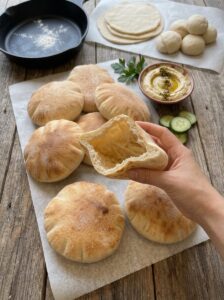
The aroma of freshly baked bread emanates from the oven, wrapping your kitchen in a warm embrace. As you slide the golden loaf out onto the cooling rack, the crust crackles softly, signaling the masterpiece that awaits. The outer layer, robust and hearty, gives way to a soft, airy interior peppered with delightful bubbles that capture the essence of sourdough. Each slice, when cut warm, reveals a tender crumb that promises a dance of flavors on your palate. A crust that crumbles enticingly under your teeth, paired with the gentle tang of fermented goodness—this is not just any bread; this is Absolutely Massive Sourdough Bread.
Imagine sinking your teeth into a thick slice of this liquid gold, generously slathered with creamy butter that melts into every crevice. Picture the joy of sharing this bountiful bread with friends and family during a casual brunch or a festive gathering. The sheer size and rustic charm of this loaf become the centerpiece of your table, invoking gasps of delight and admiration from everyone around. It’s not just a loaf; it’s an experience that weaves warmth, nostalgia, and togetherness into every gathering.
Why You’ll Love This Absolutely Massive Sourdough Bread
This isn’t merely a recipe; it’s a journey into the art of baking that results in something truly special. The unique flavor profile of sourdough, with its pleasantly tart notes and chewy texture, stands apart from regular bread. It’s a labor of love that invites creativity, allowing you to craft something magnificent with just a handful of ingredients.
Here’s why this recipe will become a cherished part of your baking repertoire:
- Unmatched Flavor: The tangy richness of sourdough lifts any meal, making every bite a celebration.
- Social Bread: Perfect for sharing, this loaf nourishes connections, whether at a family dinner or a garden picnic.
- Customizable: Want to add herbs, cheese, or seeds? Go wild! The dough welcomes all kinds of enhancements.
- Nutritional Benefits: Fermentation enhances digestion and makes this bread more healthful.
- Impressive Appearance: A large, artisan loaf commands attention, transforming any meal into a feast.
Preparation Phase & Tools to Use
Before diving into the world of sourdough, gather your tools and prepare your kitchen for a baking adventure.
Essential Tools:
- Mixing Bowl: A large bowl to accommodate the dough as it rises.
- Wooden Spoon or Dough Scraper: A sturdy spoon for mixing and a scraper for working with sticky dough.
- Loaf Pan: A greased loaf pan for shaping the bread and giving it structure.
- Kitchen Scale: Baking by weight ensures precise measurements for perfect results.
- Digital Thermometer: For checking the internal temperature of the bread to ensure it’s fully baked.
Practical Preparation Tips:
- Work in a warm environment as warmth encourages fermentation.
- Measure your ingredients accurately for consistent results.
- Keep your workspace floured to prevent dough from sticking but avoid using excess flour in the dough itself.
Ingredients for Absolutely Massive Sourdough Bread
To create this loaf, you’ll need:
- 150 g active sourdough starter: This gives your bread that unique tangy flavor. If you don’t have one, you can purchase a starter or make your own from scratch.
- 345 g water: Use room temperature water for the best results; it activates the yeast and helps in dough development.
- 15 g olive oil: Adds richness to the bread’s flavor and texture. Feel free to swap with melted butter for a different taste.
- 500 g all-purpose flour: A versatile choice for a classic sourdough texture. You can experiment with whole wheat flour for deeper flavor.
- 10 g salt: Enhances flavor and controls yeast activity, creating balanced bread.
- 15 g honey: A touch of sweetness that complements the tanginess of the sourdough without overpowering it.
How to Make Absolutely Massive Sourdough Bread
- In a large bowl, mix the sourdough starter, water, and honey until well combined. Make sure there are no clumps.
- Add the olive oil and stir until it is evenly incorporated into the mixture.
- Gradually incorporate the flour and salt, using a wooden spoon until a shaggy dough forms. Don’t worry if it looks uneven; this is part of the texture.
- Knead the dough on a floured surface for about 10 minutes until it turns smooth and elastic. This step is crucial for building gluten, which gives the bread structure.
- Place the dough in a lightly oiled bowl, cover it with a damp cloth, and let it rise for 4-6 hours, or until it has doubled in size. Find a warm, cozy corner in your kitchen for the best results.
- Once risen, punch down the dough gently to release the air, then shape it into a loaf by folding the edges into the center.
- Place the shaped dough into a greased loaf pan, cover it, and let it rise again for another 2-3 hours until it has puffed up beautifully.
- Preheat the oven to 220°C (425°F) during the last 30 minutes of the second rise.
- Bake the bread for 30-35 minutes, or until it’s golden brown and sounds hollow when tapped on the bottom—this is the golden rule of bread baking.
- Let cool completely before slicing; patience will reward you with cleaner slices.
Chef’s Notes & Helpful Tips
- Make-Ahead Tips: Prepare the dough the night before and let it rise in the refrigerator. This slow fermentation enhances flavor tremendously.
- Cooking Alternatives: If you have an air fryer, you can also experiment with that for a quicker version. Keep the temperature at around 190°C (375°F) and check doneness regularly.
- Customization Ideas: Consider adding seeds like sunflower or pumpkin, or folding in shredded cheese and chopped herbs during the kneading phase for an elevated flavor profile.
Common Mistakes to Avoid
- Ignoring Gluten Development: Failing to knead well can result in dense bread. Always ensure your dough feels smooth and elastic before leaving it to rise.
- Too Cool an Environment: Cold temperatures slow fermentation. If it’s chilly, find a warmer spot for your dough to rise, perhaps near a warm oven.
- Rushing the Rising Time: Bread needs time to develop flavor and texture. Fear not; the wait is worth it!
- Overbaking: Keep an eye on your loaf towards the end of baking. A dark crust is delightful, but burnt is not.
What to Serve With Absolutely Massive Sourdough Bread
The beauty of this sourdough loaf lies in its versatility. Here are some delightful pairings:
- Avocado Toast: Spread creamy avocado atop a slice, sprinkle with salt, pepper, and chili flakes for a breakfast burst.
- Classic Tomato Soup: Dip thick slices into a bowl of vibrant tomato soup, creating a match made in comfort food heaven.
- Charcuterie Board: Use as a base for a spreading assortment of cheeses, cured meats, and olives for a delightful appetizer.
- Nut Butter & Jam: Elevate your breakfast by topping a slice with peanut butter and a smear of your favorite fruit jam.
- Eggs Benedict: Serve it alongside this brunch classic—perfect for soaking up that delicious hollandaise sauce.
- Salads: Serve alongside fresh salads to balance the hearty bread with light, crisp flavors.
- Cheese Fondue: Tear chunks from the loaf for dipping into a gooey cheese fondue—a social and fun way to enjoy bread.
Storage & Reheating Instructions
To keep your bread at its best, follow these storage tips:
- Room Temperature: Wrap in a clean kitchen towel and store in a bread bag or a paper bag to let it breathe, keeping the crust crisp.
- Fridge: Avoid refrigeration as it can dry out the bread.
- Freezer: Wrap in plastic wrap and place in a resealable bag to freeze. To enjoy, let thaw at room temperature or toast directly from frozen.
- Reheating: Warm slices in the toaster, or wrap the whole loaf in foil and place in a 350°F (175°C) oven until heated through, rejuvenating its fresh-baked charm.
Estimated Nutrition Information
While enjoying freshly baked bread, it’s good to be aware of the nutritional content. Approximately, one slice of this sourdough bread (about 60g) contains:
- Calories: 160
- Carbohydrates: 30g
- Protein: 5g
- Fat: 3g
- Fiber: 2g
- Sugar: 1g
Note: Values can vary based on specific ingredients and serving sizes.
FAQs
1. How do I know my sourdough starter is active?
Your starter should be bubbly and double in size within 4-6 hours after feeding. Look for a pleasant sour aroma and a frothy surface.
2. Can I use whole wheat flour instead of all-purpose?
Absolutely! Whole wheat flour adds a nutty flavor and more nutrients, but you may need to add slightly more water for hydration.
3. Why is my bread too dense?
A dense loaf can result from under-kneading, not enough rising time, or too little water. Ensure each step is thoroughly done for a light texture.
4. Is it necessary to use honey?
While honey enhances flavor, it can be omitted or replaced with sugar, agave, or maple syrup if preferred.
5. What should I do if my dough doesn’t rise?
Check your starter’s activity; if it’s not bubbly, it may be too old or has been stored improperly. Consider repeating the feeding or starting anew.
Ending this delicious journey with a burst of excitement, I encourage you to embrace the adventure of making Absolutely Massive Sourdough Bread. Each step presents an opportunity for creativity and mindfulness that results in a heartwarming, delectable loaf. As you bake, let the whole process wrap you in joy, from the moment you mix the ingredients to the last bite you share with loved ones. Your kitchen will resonate with laughter and delightful aromas, forever making this bread a cherished part of your culinary story. Happy baking!
Print
Absolutely Massive Sourdough Bread
- Total Time: 180 minutes
- Yield: 10 servings 1x
- Diet: Vegetarian
Description
A delightful and tangy sourdough bread that becomes the centerpiece of any meal, perfect for sharing with family and friends.
Ingredients
- 150 g active sourdough starter
- 345 g water
- 15 g olive oil
- 500 g all-purpose flour
- 10 g salt
- 15 g honey
Instructions
- Mix the sourdough starter, water, and honey until well combined.
- Add the olive oil and stir until evenly incorporated.
- Gradually incorporate the flour and salt using a wooden spoon until a shaggy dough forms.
- Knead the dough on a floured surface for about 10 minutes until smooth and elastic.
- Place the dough in a lightly oiled bowl, cover it, and let it rise for 4-6 hours, or until doubled in size.
- Once risen, punch down the dough and shape it into a loaf.
- Place the shaped dough into a greased loaf pan and let it rise again for 2-3 hours.
- Preheat the oven to 220°C (425°F) during the last 30 minutes of the second rise.
- Bake for 30-35 minutes or until golden brown.
- Let cool completely before slicing.
Notes
For a more flavorful loaf, consider making the dough the night before and letting it rise in the refrigerator. Avoid overbaking to prevent a burnt crust.
- Prep Time: 15 minutes
- Cook Time: 35 minutes
- Category: Bread
- Method: Baking
- Cuisine: American
Nutrition
- Serving Size: 1 slice
- Calories: 160
- Sugar: 1g
- Sodium: 400mg
- Fat: 3g
- Saturated Fat: 0.5g
- Unsaturated Fat: 2g
- Trans Fat: 0g
- Carbohydrates: 30g
- Fiber: 2g
- Protein: 5g
- Cholesterol: 0mg
Keywords: sourdough, homemade bread, baking, artisan bread, bread recipes