Beef Bolognese Spaghetti with Mozzarella Provolone Cream Sauce
Meta title: Creamy Beef Bolognese Spaghetti with Mozzarella & Provolone (45 Min)
Meta description: Rich beef bolognese spaghetti tossed in a silky mozzarella, provolone and Parmesan cream sauce. Easy one-skillet method, pro tips, variations and storage advice.
Primary keyword: beef bolognese spaghetti
Secondary keywords: creamy bolognese, cheesy bolognese pasta, provolone cream sauce, ground beef spaghetti, easy dinner recipe
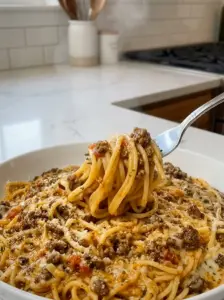
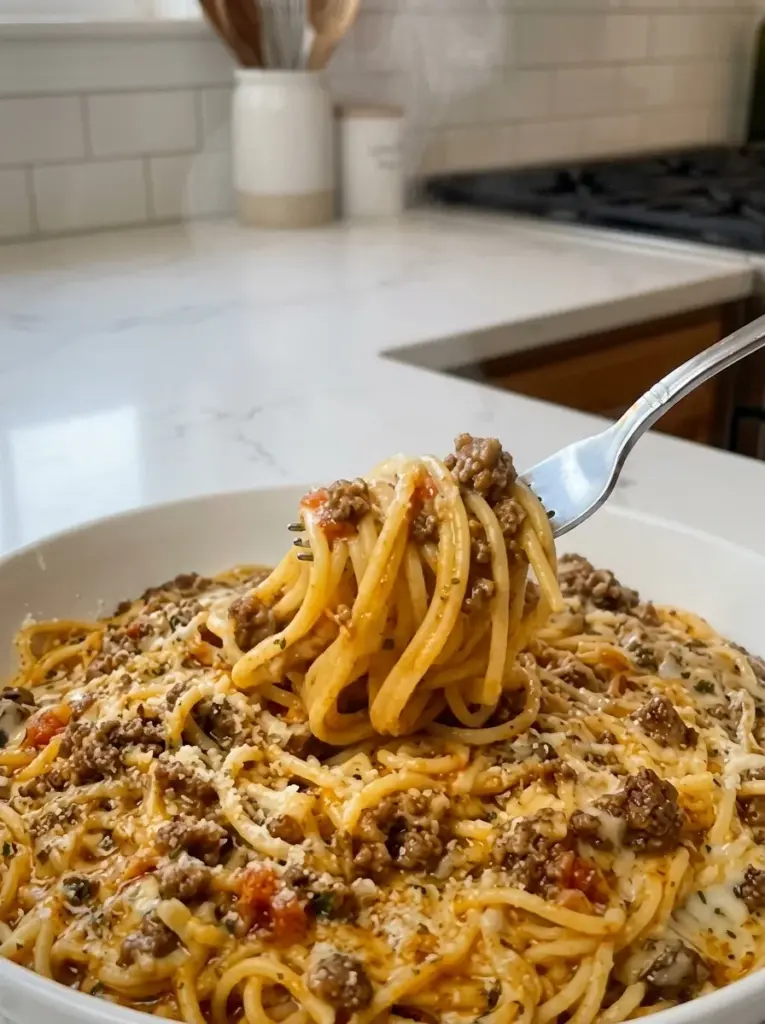
Some pasta dishes are comforting. Others are downright indulgent. This beef bolognese spaghetti with mozzarella provolone cream is both. It takes the deep, savory character of a classic meat sauce and wraps it in a velvety blend of heavy cream, cream cheese, and three kinds of cheese. The result is a bowl of spaghetti that is rich without being heavy-handed, cheesy without turning greasy, and ready in about 45 minutes.
If you have ever wished your favorite bolognese had the creamy, clingy texture of a good Alfredo, this recipe is for you. Browned ground beef, sweet onion, plenty of garlic, and concentrated tomato paste build the savory foundation. Then a cream-and-cheese base turns the sauce silky and glossy, with stretchy mozzarella, sharp provolone, and nutty Parmesan doing the heavy lifting on flavor.
In this guide, you will find the complete ingredient list, a step-by-step method, the reasoning behind each ingredient, troubleshooting tips, tasty variations, and everything you need to know about storing and reheating leftovers.
Why You’ll Love This Creamy Beef Bolognese Spaghetti
There are plenty of ground beef pasta recipes out there, so what makes this one worth your time?
- It’s a true weeknight dinner. From the first chop of the onion to the first forkful, you are looking at under an hour. Most of that is hands-off simmering while the spaghetti cooks.
- Three cheeses, three jobs. Mozzarella brings stretch and mildness, provolone adds a gentle sharpness and depth, and Parmesan contributes salty, nutty complexity. Together they create a sauce that tastes layered rather than one-note.
- The sauce clings to every strand. Cream cheese and a splash of whole milk give the sauce body and stability, so it coats the spaghetti instead of pooling at the bottom of the bowl.
- It feeds a crowd. One pound of pasta’s worth of sauce and a generous amount of beef makes this a reliable choice for family dinners, potlucks, and meal prep.
- Pantry-friendly ingredients. Beyond the cheeses and cream, most of what you need is likely already in your kitchen: tomato paste, canned tomatoes, broth, and Italian seasoning.
What Makes This Different From Traditional Bolognese?
Traditional Italian ragù alla bolognese is a slow-simmered meat sauce that typically includes a soffritto of onion, carrot, and celery, a mix of meats, a splash of wine, a little milk, and tomato in modest amounts. It simmers for hours and is usually served with fresh tagliatelle rather than spaghetti.
This recipe is a modern, American-style interpretation. It keeps the spirit of bolognese, which is a meaty, savory, tomato-touched sauce, but it makes a few deliberate changes to suit a faster, creamier approach:
- A shorter simmer. Tomato paste and beef broth deliver concentrated flavor in minutes rather than hours.
- Heavy cream and cream cheese. These make the sauce luxuriously smooth and give it a pale, blush-colored finish instead of a deep red.
- A cheese-forward finish. Mozzarella, provolone, and Parmesan melt into the sauce itself, turning it into something closer to a cheesy cream sauce with meat than a traditional ragù.
- Spaghetti as the base. It is widely loved, easy to find, and perfect for twirling through a creamy sauce.
Think of it as the crossroads between bolognese, creamy tomato pasta, and a baked-ziti-style cheese blend, all in one skillet.
Ingredient Notes: What Each Component Does
Understanding why each ingredient is in the pot makes you a better cook and helps you troubleshoot if something goes sideways.
Spaghetti (12 oz)
Twelve ounces of dry spaghetti is the right amount for this much sauce. Cook it in well-salted water and pull it one minute before the package time so it finishes cooking when tossed with the hot sauce.
Ground Beef, 80/20 (1½ lbs)
The 80/20 ratio means 80 percent lean meat and 20 percent fat. That fat carries flavor and keeps the beef tender. Leaner beef can taste dry and crumbly in a sauce like this. If you prefer, you can drain off excess rendered fat after browning, leaving just a spoonful behind for sautéing the onion.
Unsalted Butter (4 tablespoons)
Butter adds richness and helps the onion and garlic soften without browning too quickly. Using unsalted butter lets you control the total sodium, which matters here because the cheeses and broth already bring plenty of salt.
Yellow Onion and Garlic
A small, finely diced yellow onion melts into the sauce and adds natural sweetness. Six cloves of garlic may sound like a lot, but once mellowed in butter and diluted by cream and cheese, it gives a warm, rounded flavor rather than a harsh bite.
Tomato Paste (3 tablespoons)
Tomato paste is the secret to a fast sauce that tastes slow-cooked. Cooking it for a minute or two in the pan caramelizes its sugars and removes any raw, tinny taste. It also gives the sauce its savory backbone and a subtle blush color.
Petite Diced Tomatoes, Drained (14.5 oz can)
Petite diced tomatoes break down quickly and distribute evenly through the sauce. Draining them keeps the sauce from becoming watery or overly acidic, which would fight with the cream.
Beef Broth (1 cup)
Broth deepens the beefy flavor and provides the liquid needed to simmer everything together before the dairy goes in. Low-sodium broth is a smart choice so you can season at the end.
Heavy Cream (2 cups) and Whole Milk (½ cup)
Heavy cream is the main source of luxurious texture. Its high fat content also makes it resistant to curdling when it meets tomatoes and heat. The half cup of whole milk loosens the sauce slightly so it stays silky and does not feel overly thick.
Cream Cheese, Softened (6 oz)
Cream cheese is a stabilizer. It adds body, a gentle tang, and a smooth, almost custard-like texture. Softening it first helps it melt evenly into the sauce without lumps.
Mozzarella, Provolone, and Parmesan
- Mozzarella (1½ cups): Mild, milky, and wonderfully stretchy. Use low-moisture, whole-milk mozzarella for the best melt.
- Provolone (¾ cup): Slightly sharper and smokier than mozzarella, it gives the sauce more personality.
- Parmesan (1 cup): Freshly grated is essential. Pre-grated Parmesan contains anti-caking agents that can leave the sauce grainy.
Italian Seasoning (1½ teaspoons)
A blend of dried oregano, basil, thyme, and similar herbs ties everything together with a familiar, pizzeria-style aroma.
Ingredients
Serves: 6 | Prep time: 15 minutes | Cook time: 30 minutes | Total time: 45 minutes
- 12 oz spaghetti
- 1½ lbs ground beef (80/20)
- 4 tablespoons unsalted butter
- 1 small yellow onion, finely diced
- 6 cloves garlic, minced
- 3 tablespoons tomato paste
- 1 can (14.5 oz) petite diced tomatoes, drained
- 1 cup beef broth
- 2 cups heavy cream
- ½ cup whole milk
- 6 oz cream cheese, softened
- 1½ cups shredded mozzarella cheese
- 1 cup freshly grated Parmesan cheese
- ¾ cup shredded provolone cheese
- 1½ teaspoons Italian seasoning
- Salt and black pepper, to taste (optional, added at the end)
How to Make Beef Bolognese Spaghetti with Mozzarella Provolone Cream
Step 1: Prep Your Ingredients
Dice the onion, mince the garlic, drain the tomatoes, and shred your cheeses. Set the cream cheese out to soften. This dish moves quickly once the dairy goes in, so having everything ready makes the process calm and easy. If you buy blocks of mozzarella and provolone and shred them yourself, the cheese will melt noticeably smoother.
Step 2: Cook the Spaghetti
Bring a large pot of generously salted water to a boil. Add the spaghetti and cook until just shy of al dente, about one minute less than the package directions. Before draining, scoop out about 1 cup of the starchy pasta water and set it aside. Drain the spaghetti and keep it nearby.
Step 3: Brown the Beef
Heat a large, deep skillet or Dutch oven over medium-high heat and melt 2 tablespoons of the butter. Add the ground beef and break it into small crumbles with a wooden spoon. Cook for 7 to 9 minutes, until the meat is fully browned and some pieces have developed crisp, caramelized edges. Those browned bits add serious flavor. If there is a lot of excess fat, spoon off all but about 1 tablespoon.
Step 4: Soften the Aromatics
Reduce the heat to medium and add the remaining 2 tablespoons of butter. Stir in the diced onion and cook for 3 to 4 minutes until soft and translucent. Add the garlic and cook for about 1 minute, stirring constantly, just until fragrant. Do not let the garlic brown, as it will turn bitter.
Step 5: Toast the Tomato Paste
Stir in the tomato paste and Italian seasoning. Cook for 1 to 2 minutes, stirring often, until the paste darkens slightly and smells rich and sweet. This quick step makes a big difference in depth of flavor.
Step 6: Simmer With Tomatoes and Broth
Add the drained diced tomatoes and the beef broth. Scrape up any browned bits stuck to the bottom of the pan. Bring to a gentle simmer and cook for 8 to 10 minutes, until the liquid has reduced by about half and the sauce looks thick and meaty.
Step 7: Build the Cream Sauce
Lower the heat to medium-low. Pour in the heavy cream and whole milk, then add the softened cream cheese in small pieces. Whisk or stir continuously until the cream cheese has fully melted and the sauce is smooth. Let it simmer gently for 5 to 7 minutes, stirring often, until it thickens enough to coat the back of a spoon. Keep the heat low: a hard boil can cause dairy to separate.
Step 8: Melt in the Cheeses
Turn the heat to low. Add the Parmesan first and stir until melted. Then add the provolone and mozzarella a handful at a time, stirring after each addition so each batch melts before the next goes in. Adding the cheese gradually keeps the sauce silky and prevents clumping or stringiness.
Step 9: Toss With the Spaghetti
Add the drained spaghetti to the skillet and toss with tongs until every strand is coated. Pour in a splash of the reserved pasta water, a few tablespoons at a time, until the sauce reaches a glossy, flowing consistency. Let the pasta sit in the sauce over low heat for 1 to 2 minutes so it absorbs flavor and finishes cooking.
Step 10: Taste, Season, and Serve
Taste the sauce and add salt and pepper if needed. Because the cheeses and broth are already salty, you may need very little. Serve immediately in warm bowls, topped with extra Parmesan and a sprinkle of fresh herbs if you like.
Pro Tips for the Creamiest, Most Flavorful Sauce
Shred your own cheese. Bagged shredded cheese is coated with starches that prevent clumping in the bag, but those same starches can make a sauce gritty. A box grater and a few minutes of effort pay off.
Use low heat once dairy is added. High heat can cause cream to break and cheese to turn oily. Gentle, steady heat keeps everything emulsified.
Do not skip the pasta water. The starch in pasta water helps the sauce bind to the spaghetti and fixes sauce that has tightened up. Add it slowly so you control the final texture.
Brown the beef properly. Crowding the pan or stirring constantly steams the meat instead of browning it. Give the beef a minute or two of undisturbed contact with the hot pan before breaking it up further.
Soften the cream cheese ahead of time. Cold cream cheese resists melting and can leave small lumps. Leave it on the counter for 30 minutes, or cube it and microwave it for 10 seconds.
Taste before salting. Between the broth, Parmesan, provolone, and mozzarella, the dish often needs very little added salt.
Common Mistakes to Avoid
- Boiling the cream sauce. A rolling boil can make the sauce grainy or oily. Keep it at a gentle simmer.
- Adding all the cheese at once. Dumping in cheese in one go creates clumps. Add it gradually, with the heat low.
- Overcooking the spaghetti. The pasta continues cooking in the hot sauce, so stop it just before al dente.
- Using lean ground beef. Very lean beef can turn dry and add less flavor. Stick with 80/20.
- Leaving the tomatoes undrained. Extra liquid thins the sauce and dulls the creamy texture.
Delicious Variations
Once you have the base recipe down, it is easy to adapt it to your tastes.
- Spicy version: Add ½ teaspoon of red pepper flakes with the garlic, or swap in hot Italian sausage for half of the beef.
- Beef and sausage: Replace 8 ounces of ground beef with mild Italian sausage (casings removed) for extra seasoning and richness.
- Hidden veggies: Stir in finely diced mushrooms with the onion or fold in baby spinach at the end until just wilted.
- Baked bolognese: Toss the finished pasta with sauce, transfer to a baking dish, top with extra mozzarella and provolone, and broil for 3 to 5 minutes until bubbly and golden.
- Different pasta shapes: Fettuccine, rigatoni, penne, and pappardelle all pair beautifully with this sauce.
- Herby finish: Stir in chopped fresh basil or parsley right before serving for brightness.
What to Serve With Beef Bolognese Spaghetti
Because this pasta is rich, pair it with something fresh and light to balance each bite:
- A crisp arugula salad with lemon vinaigrette
- A Caesar salad with shaved Parmesan
- Roasted broccoli or green beans with garlic
- Warm garlic bread or crusty Italian bread for mopping up the sauce
- A glass of medium-bodied red wine, such as Chianti or Sangiovese, or sparkling water with lemon
How to Store, Reheat, and Freeze
Refrigerating
Let the pasta cool for no more than an hour at room temperature, then transfer it to an airtight container. It keeps well in the refrigerator for 3 to 4 days.
Reheating
Reheat gently on the stovetop over low heat with a splash of milk, cream, or broth, stirring until warmed through. The added liquid loosens the sauce, which thickens as it chills. You can also microwave individual portions in 30-second intervals, stirring in between.
Freezing
Cream-based sauces can change texture after freezing, but you have good options. For the best results, freeze the meat sauce before adding the cream and cheeses, then finish it fresh when you are ready to eat. If you freeze the fully finished dish, expect a slightly less smooth sauce after thawing, and whisk in a bit of cream while reheating to bring it back together. Thaw overnight in the refrigerator.
Make-Ahead Tips
You can brown the beef, soften the onion and garlic, and simmer the tomato base up to two days ahead. Refrigerate it, then reheat and add the dairy, cheeses, and fresh pasta just before serving.
Frequently Asked Questions
Can I make this recipe without heavy cream?
Heavy cream gives the best texture and resists curdling. You can substitute half-and-half, but the sauce will be thinner and less rich, so keep the heat low and consider simmering a little longer. Using only milk is not recommended, as it is more likely to separate.
Why did my sauce turn grainy or oily?
The most common causes are heat that is too high, pre-shredded cheese with anti-caking agents, or adding all the cheese at once. Lower the heat, add the cheese gradually, and stir constantly. A splash of warm cream or pasta water can sometimes bring a broken sauce back together.
Can I use a different type of ground meat?
Yes. Ground turkey, chicken, pork, or a beef-and-pork blend all work. Leaner meats may benefit from an extra tablespoon of butter or olive oil during browning to keep them from drying out.
Is provolone necessary?
Provolone adds a gentle sharpness and depth that mozzarella alone does not provide. If you cannot find it, substitute more mozzarella or add a little fontina or Gruyère for a similar melting quality.
Can I make it in a slow cooker?
The meat and tomato base can be prepared in a slow cooker, but the dairy and cheeses are best added on the stovetop at the end to avoid curdling. Brown the beef first, build the base, and finish the sauce just before serving.
How do I make this recipe less rich?
Swap some of the heavy cream for half-and-half, reduce the cream cheese slightly, and serve with a large side salad. Draining excess fat from the beef also lightens the final dish.
Can I make it gluten-free?
Yes. Use your favorite gluten-free spaghetti and check that the broth, tomato paste, and Italian seasoning are labeled gluten-free. Cook the pasta carefully, as gluten-free noodles can soften quickly in a hot sauce.
What is the best way to reheat leftovers?
Warm them slowly on the stove over low heat with a splash of milk or broth. Avoid high heat, which can cause the sauce to separate.
Can I double the recipe?
Yes. Use a large Dutch oven or divide the sauce between two pans. Browning the beef in batches helps you get proper caramelization.
Final Thoughts
This beef bolognese spaghetti with mozzarella provolone cream brings together everything people love about comfort food: a hearty meat sauce, tender pasta, and a luxuriously cheesy cream finish. It is more indulgent than a traditional bolognese, yet it uses simple techniques and everyday ingredients, which makes it approachable for beginner cooks and satisfying for experienced ones.
Brown the beef well, toast the tomato paste, keep the heat gentle once the dairy goes in, and add your cheese slowly. Follow those few principles and you will end up with a restaurant-worthy bowl of pasta from one skillet and a single pot of boiling water.
Make it for a cozy family dinner, a weekend gathering, or a batch of next-day lunches. However you serve it, expect empty bowls and requests for the recipe.
Did you try this recipe? Leave a comment with your favorite variation, and share it with anyone who loves creamy, cheesy pasta.