Beef Bolognese Spaghetti with Mozzarella Provolone Cream: An Indulgent Twist on a Classic
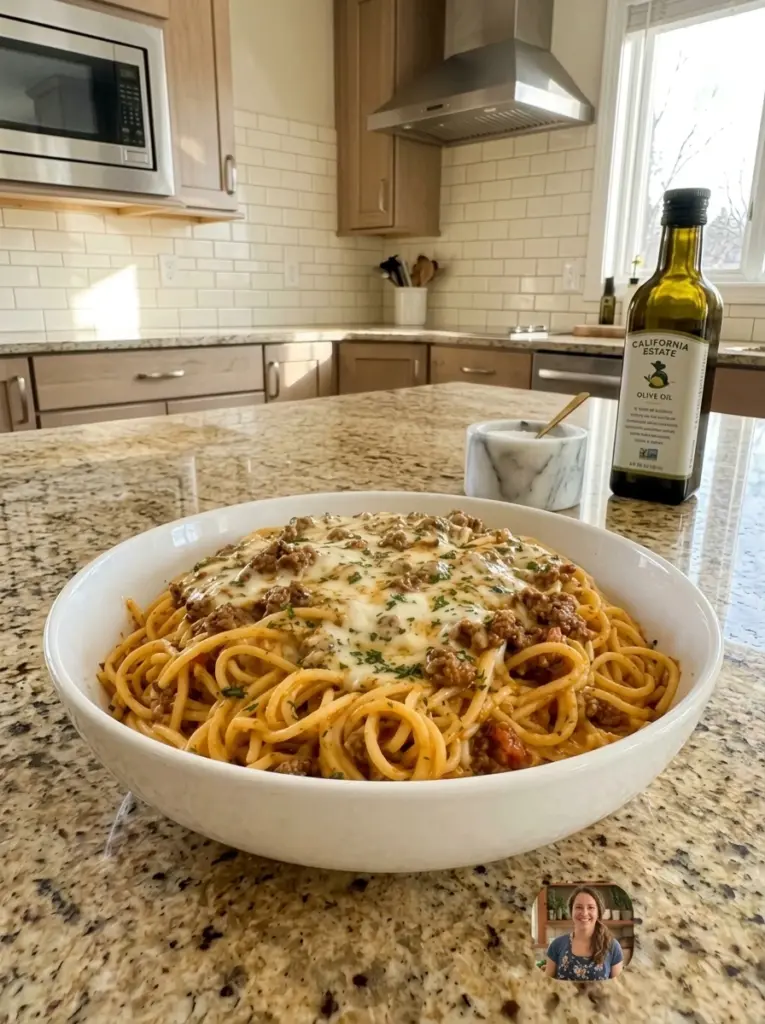
Traditional Bolognese is beloved for its rich, slow-simmered tomato and beef sauce, but Beef Bolognese Spaghetti with Mozzarella Provolone Cream takes that concept to an entirely new level of indulgence. This recipe combines a hearty, well-seasoned beef and tomato base with an ultra-creamy sauce built from heavy cream, whole milk, cream cheese, and three types of cheese — mozzarella, Parmesan, and provolone. The result is a spaghetti dish that’s part classic Bolognese, part decadent cheese sauce, delivering serious richness and depth in every bite.
What sets this recipe apart from a traditional Bolognese is the sheer amount of creamy, cheesy indulgence layered into the sauce. Rather than a straightforward tomato-based ragù, this dish builds a rich beef and tomato foundation, then transforms it with cream, milk, and softened cream cheese before folding in mozzarella, Parmesan, and provolone. The tomatoes provide just enough acidity and brightness to keep the sauce from feeling one-dimensional, while the trio of cheeses creates a glossy, luxurious texture that coats every strand of spaghetti. It’s comfort food taken to its most decadent extreme.
In this article, we’ll walk through everything you need to make this dish a success: a complete ingredient breakdown, detailed step-by-step instructions, expert tips for building a smooth, well-balanced sauce, creative variation ideas, storage and reheating instructions, and answers to the most frequently asked questions about this recipe.
Why This Recipe Works So Well
Combining a classic Bolognese base with a rich cheese sauce creates a dish that stands apart from both traditional Italian cooking and typical American cheesy pasta, and this recipe brings together several elements that make it especially memorable:
The beef and tomato base provides real structure and depth. Browning the beef, sautéing aromatics, and blooming tomato paste before adding the diced tomatoes and broth creates a foundation of savory, slightly tangy flavor that grounds the entire dish.
The triple-cheese cream sauce is incredibly rich and glossy. Mozzarella brings gooey stretch, Parmesan contributes salty depth, and provolone adds a subtle smokiness — combined with cream cheese for extra silkiness, this sauce achieves a luxurious texture that clings to every strand of pasta.
The diced tomatoes keep the sauce balanced. Despite all the cream and cheese, the tomatoes provide enough acidity and brightness to prevent the dish from feeling overly heavy or one-note.
It’s a genuinely impressive dish for a relatively straightforward technique. Between the beef Bolognese base and the elaborate cheese sauce, this recipe delivers restaurant-quality richness and complexity without requiring advanced culinary skills.
It’s a complete, satisfying meal. With hearty ground beef and a rich, filling sauce, this dish doesn’t need much more than a simple side, if any, to be a full dinner.
Ingredients You’ll Need
Here’s everything required to make this dish, along with a note on why each ingredient matters.
- 12 oz spaghetti — the classic long noodle shape is perfect for twirling and coating in a rich, creamy sauce
- 1½ lbs ground beef (80/20) — the higher fat content keeps the sauce rich and flavorful
- 4 tablespoons unsalted butter — adds richness throughout the base of the sauce
- 1 small yellow onion, finely diced — forms the aromatic foundation of the sauce
- 6 cloves garlic, minced — a generous amount that delivers essential aromatic depth
- 3 tablespoons tomato paste — concentrated tomato flavor that deepens the sauce’s color and richness
- 1 can (14.5 oz) petite diced tomatoes, drained — adds texture and bright, fresh tomato flavor while keeping the sauce from becoming too watery
- 1 cup beef broth — adds savory depth and helps build the sauce’s base
- 2 cups heavy cream — creates the rich, velvety texture the sauce is known for
- ½ cup whole milk — helps balance the richness of the cream while still contributing to the sauce’s body
- 6 oz cream cheese, softened — adds tanginess and an extra-silky, thick texture to the sauce
- 1½ cups shredded mozzarella cheese — contributes that classic gooey, stretchy cheese pull
- 1 cup freshly grated Parmesan cheese — adds salty, nutty, umami-rich depth and helps naturally thicken the sauce
- ¾ cup shredded provolone cheese — adds a subtle smokiness and extra creaminess to round out the sauce
- 1½ teaspoons Italian seasoning — a blend of herbs that ties the entire dish together
Step-by-Step Instructions
Step 1: Cook the Spaghetti
Bring a large pot of well-salted water to a rolling boil. Add the spaghetti and cook according to the package instructions until al dente, usually 9 to 11 minutes.
Before draining, reserve about ½ cup of the starchy pasta water, which can help loosen the sauce later if needed. Drain the pasta and set it aside.
Step 2: Brown the Ground Beef
While the pasta cooks, heat a large, deep skillet or Dutch oven over medium-high heat. Add the ground beef, breaking it apart with a wooden spoon or spatula as it cooks. Cook for 7 to 9 minutes, stirring occasionally, until fully browned with no pink remaining. Drain off any excess grease, leaving just a thin coating to help build flavor in the next step.
Step 3: Sauté the Aromatics
Push the browned beef to one side of the skillet, or transfer it temporarily to a plate if your pan is small. Add the butter to the skillet and let it melt. Add the diced onion and sauté for 3 to 4 minutes, until softened. Add the minced garlic and cook for another 60 seconds, stirring constantly, until fragrant.
If you removed the beef, return it to the skillet now and stir everything together.
Step 4: Build the Tomato Base
Stir the tomato paste directly into the beef and aromatics, cooking for 1 to 2 minutes, stirring frequently. This step, known as blooming the tomato paste, deepens its flavor and richness.
Add the drained diced tomatoes and beef broth, stirring well to combine. Sprinkle in the Italian seasoning. Let the mixture simmer over medium-low heat for 8 to 10 minutes, allowing the flavors to meld and the sauce to reduce slightly.
Step 5: Add the Cream and Milk
Reduce the heat to low and pour in the heavy cream and whole milk, stirring well to combine. Let the mixture come to a gentle simmer, being careful not to let it boil too vigorously, as this can cause the dairy to separate.
Step 6: Melt in the Cream Cheese
Add the softened cream cheese to the sauce in small chunks, stirring or whisking constantly until it’s fully melted and smooth. Softened cream cheese incorporates far more easily than cold cream cheese, so be sure to let it sit at room temperature for about 20 to 30 minutes before starting this step if you haven’t already.
Step 7: Build the Triple-Cheese Sauce
Keep the heat on low. Add the shredded mozzarella first, a handful at a time, stirring continuously until fully melted before adding more. Once the mozzarella is fully incorporated, repeat the same gradual process with the grated Parmesan, and finally the shredded provolone. Adding the cheeses slowly and in stages, rather than all at once, is essential for a smooth, glossy sauce rather than a stringy or clumpy one.
If the sauce becomes too thick, add a splash of the reserved pasta water, a tablespoon at a time, until it reaches your desired consistency.
Step 8: Combine the Pasta and Sauce
Add the drained spaghetti directly into the skillet with the rich beef and cheese sauce. Using tongs, gently toss everything together until every strand of pasta is fully coated in the sauce. Let the mixture simmer on low heat for 2 to 3 minutes so the flavors meld together.
Taste and adjust the seasoning with additional salt, pepper, or Italian seasoning as needed.
Step 9: Serve
Remove the skillet from heat and serve immediately, garnished with an extra sprinkle of Parmesan and a crack of black pepper, if desired. The sauce will continue to thicken slightly as it cools, so serve right away for the creamiest texture.
Expert Tips for the Best Results
Don’t skip blooming the tomato paste. This small step significantly deepens the flavor of the sauce and removes any raw, tinny taste that tomato paste can have when added directly to liquid.
Drain the diced tomatoes well. Since this sauce already contains a generous amount of cream and milk, draining the excess liquid from the canned tomatoes helps prevent the finished sauce from becoming too thin.
Soften your cream cheese before adding it to the sauce. Cold cream cheese is much harder to incorporate smoothly and can leave lumps in the finished sauce.
Add cheese gradually, not all at once. Building the sauce in stages — melting each cheese fully before adding the next — is essential for achieving a smooth, glossy texture rather than a clumpy one.
Keep the heat low once the cream and cheese go in. High heat can cause a dairy-based sauce to break or turn oily. Medium-low to low heat allows the sauce to come together smoothly.
Use freshly grated and shredded cheese when possible. Pre-shredded cheeses are coated with anti-caking agents that can prevent smooth melting. Freshly grated Parmesan and shredded mozzarella and provolone will give you the creamiest, most cohesive sauce.
Reserve your pasta water. This starchy liquid is a useful tool for adjusting the sauce’s consistency without diluting its flavor, so don’t skip scooping some out before draining.
Delicious Variations to Try
This recipe is a wonderful base for experimentation. Here are some popular ways to switch things up:
Spicy Version: Add ½ teaspoon of red pepper flakes to the sauce while it simmers for a subtle, warming kick that plays nicely against the richness of the cream and cheese.
Sausage-Beef Blend: Replace half of the ground beef with mild or spicy Italian sausage for an extra layer of herby, slightly spicier flavor.
Veggie-Loaded Version: Stir in baby spinach or sautéed mushrooms during the final simmering step for added nutrition, texture, and color.
Extra Tomato-Forward Version: Increase the diced tomatoes slightly, or add a splash of the reserved tomato liquid back into the sauce, for a more pronounced tomato flavor that leans closer to a traditional Bolognese.
Baked Version: Transfer the finished pasta to a baking dish, top with extra shredded mozzarella, and broil for 3 to 5 minutes until golden and bubbly for a baked casserole variation.
Lighter Version: Substitute half-and-half for the heavy cream, reduce the cream cheese by half, and use lean ground beef to lighten the dish while keeping the core flavors intact.
What to Serve With Beef Bolognese Spaghetti with Mozzarella Provolone Cream
This dish is exceptionally rich and satisfying on its own, but a few well-chosen sides can help round out the meal:
- A crisp Caesar or arugula salad with a bright, acidic dressing helps cut through the richness of the sauce
- Garlic bread or a crusty Italian loaf for those who want something to soak up every last bit of sauce
- Roasted vegetables, such as broccoli, asparagus, or zucchini, add color, fiber, and freshness
- A glass of medium-to-full-bodied red wine, like Chianti or Cabernet Sauvignon, pairs beautifully with the rich beef and tomato flavors
Storage and Reheating Instructions
Refrigerating: Store leftovers in an airtight container in the refrigerator for up to 4 days. The sauce will thicken as it chills, which is completely normal.
Freezing: While cream-based sauces can sometimes change texture slightly after freezing, this dish can be frozen for up to 2 months if needed. Thaw overnight in the refrigerator before reheating for best results.
Reheating on the stovetop: Warm leftovers in a skillet over low heat, adding a splash of milk or cream to help restore the sauce’s original silky texture. Stir frequently until heated through.
Reheating in the microwave: Place a portion in a microwave-safe bowl with a splash of milk, cover loosely, and heat in 30-second intervals, stirring between each, until evenly warmed.
Frequently Asked Questions
Can I use a different pasta shape? Yes. While spaghetti’s long, thin shape is classic for creamy sauces, you can substitute fettuccine, linguine, or penne with excellent results.
Why did my sauce turn grainy or oily? This usually happens when the heat is too high while melting the cheese, or when cold cream cheese or pre-shredded cheese is used. Keep the heat low, soften your cream cheese beforehand, and use freshly grated cheese for the smoothest results.
Can I use fresh tomatoes instead of canned diced tomatoes? Yes, though you’ll want to peel, seed, and dice about 2 to 3 medium fresh tomatoes as a substitute, and cook them down slightly longer to remove excess moisture before proceeding with the recipe.
Can I make this recipe gluten-free? Yes. Substitute your favorite gluten-free spaghetti — all other ingredients in this recipe are naturally gluten-free, though it’s worth double-checking your beef broth label.
Can I make this dish ahead of time? This dish is best enjoyed fresh, as the sauce is at its silkiest right after cooking. If needed, you can prepare the beef and sauce ahead and store them separately from the pasta, then combine and reheat gently with a splash of cream or milk before serving.
What can I substitute for provolone cheese? If you don’t have provolone on hand, additional mozzarella or a mild fontina cheese can be used as a substitute, though the flavor will be slightly less smoky.
How many servings does this recipe make? This recipe typically yields about 5 to 6 servings, depending on portion size and appetite.
Final Thoughts
Beef Bolognese Spaghetti with Mozzarella Provolone Cream transforms the classic Italian ragù into something entirely more indulgent, combining a hearty, savory beef and tomato base with an ultra-rich, triple-cheese cream sauce. The result is a dish that offers the comforting familiarity of a Bolognese with the decadent richness of a loaded cheese sauce, all in one skillet.
Whether you’re cooking for a special dinner, craving serious comfort food, or simply want to put a new spin on a classic spaghetti night, this recipe delivers every time. Save it, bookmark it, or print it out — because once this rich, cheesy, beef Bolognese-inspired spaghetti hits your table, it’s guaranteed to become a favorite in your regular rotation.