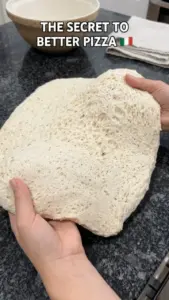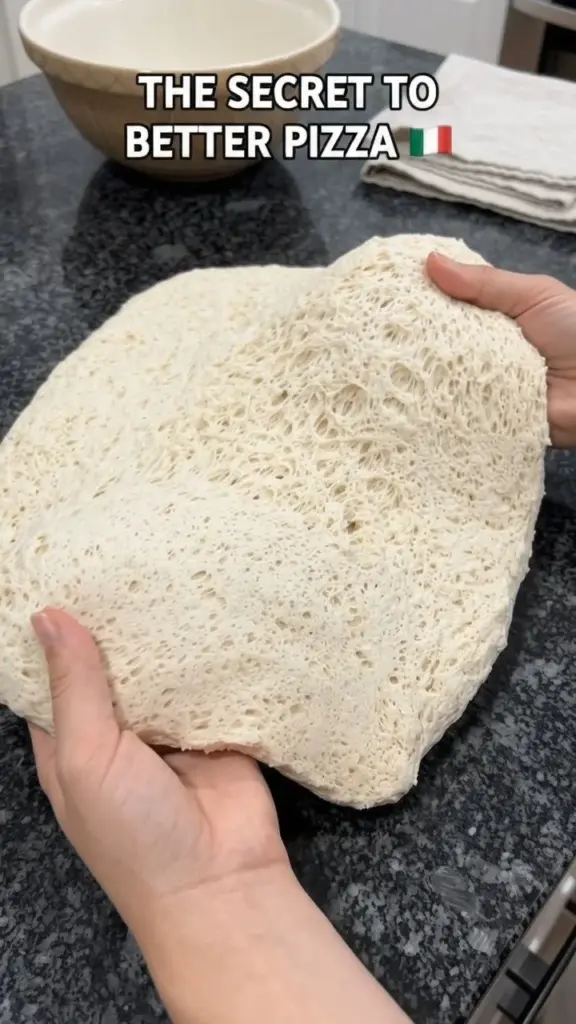
The sun gently rises, casting a warm glow over your kitchen as you prepare to embark on a culinary adventure. The air is thick with anticipation as you gather your ingredients, ready to transform mere flour, water, and yeast into something mesmerizing. This is the magic of biga, a traditional Italian starter that paves the way for exceptional bread-making, enriching your artisanal loaves with deep flavor and tantalizing texture.
As you work with the dough, the experience unfolds like a captivating story. The mixture seamlessly blends together, soft yet resilient, promising to create a loaf that is more than just food; it’s a work of art. The aroma starts weaving its way through your home, each breath filled with the warm, nutty scent of fermenting dough. You can almost feel the anticipation build as the moment of creation draws nearer.
With every bite of bread prepared with biga, you savor a crust that crackles under your teeth, revealing an airy, light crumb that dances with flavor. The nuances of the fermentation process deepen the taste, offering complex notes that elevate an everyday meal into a gastronomic experience. Whether you’re enjoying a slice slathered in butter or using it as the base for a decadent sandwich, biga transforms simple culinary moments into cherished memories.
Why You’ll Love This Biga
Using biga in your baking journey opens the door to a plethora of benefits that makes it a staple for both novice and expert bakers alike. Its slow fermentation process does wonders, developing a depth of flavor that few quick-recipe breads can match. The delightful tanginess and complexities in taste will truly impress anyone lucky enough to enjoy your baked goods.
Biga shines not just in flavor but also in texture. You achieve a beautifully crusty exterior while the interior remains airy and tender—perfect for every kind of bread lover. Moreover, the ability to prepare this starter in advance allows you to plan ahead, making it a convenient yet sophisticated addition to your baking repertoire.
Whether you’re gearing up for a cozy family dinner, an impressive gathering of friends, or simply indulging your inner baker on a quiet afternoon, biga provides versatility that elevates any occasion.
Preparation Phase & Tools to Use
Before diving into the delight of making biga, it’s essential to arm yourself with some handy tools that will make the process smoother and more enjoyable.
- Mixing Bowl: A sturdy bowl is crucial for mixing ingredients evenly. Choose one with enough room to allow for the dough’s expansion during fermentation.
- Bench Scraper: This tool makes kneading and shaping your dough easier, ensuring you cleanly transfer dough without it sticking.
- Kitchen Towel: Use a clean towel to cover your bowl, creating a cozy environment for your dough to rise and ferment.
- Digital Kitchen Scale: Precision is key in baking. A scale allows you to measure your ingredients accurately for perfect results.
Practical tips include setting everything out before you begin. This simplifies the process, allowing you to focus fully on the joy of creation.
Ingredients for Biga
Creating your biga requires just three simple ingredients, each a vital part of the puzzle that makes this starter so exceptional:
- 500 g All-Purpose Flour: The foundation of your biga, this flour offers the ideal protein content for structure and chew. Consider using an Italian-type flour, "00," for a beautifully airy bread, or experiment with a whole grain for added flavor and depth.
- 250 g Cold Water: Cold water slows down fermentation, allowing robust flavors to develop over the long rise. Adjust this based on the climate, particularly if you live in a warmer area.
- 2 g Instant Dry Yeast: This ingredient acts as the catalyst for fermentation. You can substitute it with active dry yeast—just remember to dissolve it in warm water before combining it with flour.
How to Make Biga
-
Mix the Ingredients: In a large mixing bowl, combine the flour, cold water, and instant dry yeast. Use a spatula or wooden spoon to stir until everything is just mixed. Avoid oversaturating; a rough mix is perfect!
-
Knead the Dough: Lightly dust your countertop with flour and gently knead the mixture for about 5-10 minutes. The goal is to create a smooth, tacky dough without overworking it.
-
Fermentation Time: Transfer the kneaded dough back to the bowl and cover with a kitchen towel. Let it sit at room temperature for 12 to 16 hours. This long fermentation is where the depth of flavor develops, so patience is key!
-
Incorporate into Final Dough: Once your biga has fermented and doubled in size, it’s ready to be mixed into your final dough. Break it apart into smaller pieces and fold them into your new dough for magnificent results.
Chef’s Notes & Helpful Tips
-
Make-Ahead Tips: You can chill your biga in the fridge for up to three days. This makes it easy to plan your baking sessions and minimizes stress.
-
Cooking Alternatives: If you don’t have the time or the patience for traditional bread baking, consider using your biga to make pizza dough or focaccia in an air fryer or a conventional oven.
-
Customization Ideas: Add herbs, spices, or even cheese to your bread recipe after incorporating the biga for a special touch. This adds personality and flavor that can wow your guests!
Common Mistakes to Avoid
Baking can be temperamental, and avoiding common pitfalls ensures the best results:
- Overkneading/Rounding the Dough: Kneading too much depletes the gluten structure, leading to a dense loaf. Knead just enough to achieve smoothness without being overly firm.
- Skipping Fermentation Frustration: Rushing the fermentation process yields inferior flavor. Resist the temptation to reduce the rising time; patience is essential.
- Ignoring Temperature: Warmer kitchens speed up fermentation. Adjust your water temperature to maintain the right fermentation speed.
What to Serve With Biga
Biga serves as a versatile base, elevating countless delectable dishes. Here are some delightful pairings:
- Artisan Sandwiches: Fill your biga loaf with fresh veggies, cured meats, or gourmet spreads.
- Toast with Toppings: A slice of biga bread transforms under the broiler with a pat of garlic butter and a sprinkle of herbs.
- Charcuterie and Cheese: The flavor profile pairs beautifully with rich cheeses and savory salumi—perfect for sharing.
- Sop with Olive Oil and Balsamic: A crusty piece of biga bread quickly soaks up the flavorful concoction, making for an irresistible starter.
- Breakfast Toast: Enjoy it simply topped with avocado and poached eggs, or delectable jams for a sweet twist.
- Savory Dips: Use wedges of biga bread to scoop up creamy hummus or tangy baba ganoush.
Storage & Reheating Instructions
To retain the freshness of your biga bread, store it at room temperature in a paper bag or breadbox for up to three days. If you want to keep it longer, freezing is your best bet. Wrap it tightly in plastic and foil to ensure it stays moisture-proof. When you’re ready for a bite, pop slices in the toaster or warm them in a preheated oven at 350°F until crispy and fragrant.
Estimated Nutrition Information
While exact values vary with specific ingredients and portion sizes, a typical slice (approximately 50g) of biga bread contains roughly:
- Calories: 120
- Total Fat: 1.5g
- Carbohydrates: 23g
- Fiber: 1g
- Protein: 3g
Values are calculated based on a standard recipe and may vary according to ingredient choices and quantities.
FAQs
1. Can I make biga with whole wheat flour?
Yes! Whole wheat flour offers earthy flavors that complement the fermentation profile of biga. Just be prepared for a denser result and adjust water content slightly.
2. How does biga compare to other starters like poolish?
Biga has a lower hydration level than poolish, making for denser bread with more chew. Poolish is wetter and results in more open crumb structures. Each has its unique flavor and texture profile.
3. What happens if I leave biga to ferment too long?
Over-fermented biga can lead to overly sour flavors or collapse under its weight. Watching the time is essential; a good rule of thumb is to smell and observe its bubbles!
4. Can I use fresh yeast instead of instant dry yeast?
Absolutely! You can substitute fresh yeast at a 3:1 ratio (approximately 6g for this recipe). Remember to dissolve it in water first to activate.
5. How do I know if my biga is ready?
A well-fermented biga doubles in size and develops a pleasantly bubbling surface. A slight smell resembling beer or sourdough indicates it is primed for use.
As you explore the world of biga, you unlock a treasure trove of flavors and textures that enrich your baking experience. Don’t shy away from the process; instead, embrace the journey! Each loaf presents an opportunity to create something truly special. Whether shared at a family meal or enjoyed on your own with a simple drizzle of olive oil, biga bread brings warmth and satisfaction. So roll up your sleeves, savor every moment, and let your kitchen be filled with the joyful aromas of freshly baked bread. Happy baking!
Print
Biga – Traditional Italian Bread Starter
- Total Time: 16 hours
- Yield: Varies based on final dough
- Diet: Vegetarian
Description
Experience the magic of biga, a traditional Italian starter that adds depth of flavor and texture to your bread.
Ingredients
- 500 g All-Purpose Flour
- 250 g Cold Water
- 2 g Instant Dry Yeast
Instructions
- Mix the ingredients: In a large mixing bowl, combine the flour, cold water, and instant dry yeast. Use a spatula or wooden spoon to stir until everything is just mixed.
- Knead the dough: Lightly dust your countertop with flour and gently knead the mixture for about 5-10 minutes.
- Transfer the kneaded dough back to the bowl and cover with a kitchen towel. Let it sit at room temperature for 12 to 16 hours.
- Incorporate into final dough: Once your biga has fermented and doubled in size, it’s ready to be mixed into your final dough.
Notes
You can chill your biga in the fridge for up to three days. Consider using it for pizza dough or focaccia as well.
- Prep Time: 10 minutes
- Cook Time: 0 minutes
- Category: Bread
- Method: Fermentation
- Cuisine: Italian
Nutrition
- Serving Size: 1 slice
- Calories: 120
- Sugar: 0g
- Sodium: 5mg
- Fat: 1.5g
- Saturated Fat: 0g
- Unsaturated Fat: 1.5g
- Trans Fat: 0g
- Carbohydrates: 23g
- Fiber: 1g
- Protein: 3g
- Cholesterol: 0mg
Keywords: biga, bread starter, Italian bread, fermentation, baking