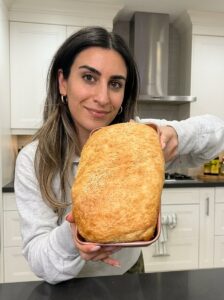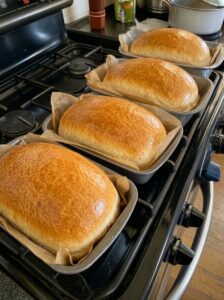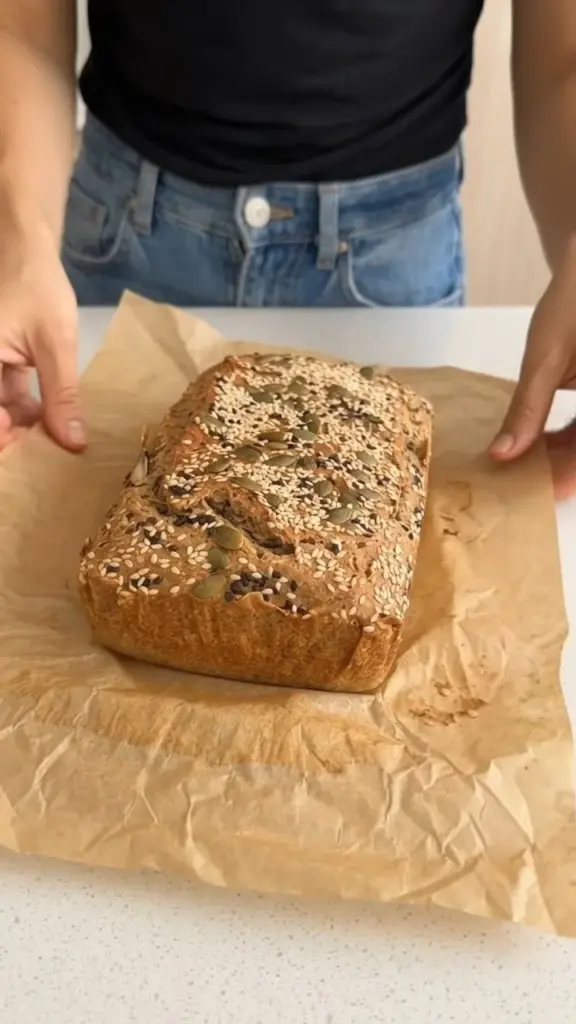
The aroma of freshly baked bread wafts through your kitchen, wrapping you in its warm, inviting embrace. The anticipation builds as you imagine slicing into a beautiful loaf of buckwheat bread. With its earthy, nutty fragrance lingering in the air, this gluten-free marvel promises a satisfying crunch on the outside while revealing a delightfully dense, chewy interior. Each slice whispers of wholesome goodness, ready to be toasted, slathered with creamy butter, or paired with your favorite toppings.
Baking has a magical quality; every single ingredient feels significant. When it’s just buckwheat you’re working with, you strip down to the very essence of bread-making. This version is incredibly simplistic yet beautifully complex in flavor, proving that you need not rely on a long list of ingredients to create something extraordinary. As you prepare the dough, the transformation unfolds—this humble groat evolves into a delectable bread that speaks to health-conscious foodies and gluten-free enthusiasts alike.
Let’s dive into this unique recipe that not only satisfies your craving for bread but also nourishes your body with gluten-free goodness on a whole new level.
Why You’ll Love This Buckwheat Bread
This buckwheat bread stands out for so many reasons. First and foremost, it’s naturally gluten-free, making it a fabulous alternative for those with gluten sensitivities or celiac disease. The flavor dances between slightly nutty and subtly sweet, providing a rich backdrop that enhances any number of toppings. Taste it fresh, toasted, or as the base for an elegant open-faced sandwich. From breakfast to an afternoon snack, this loaf fits any occasion effortlessly.
On top of its deliciousness, you’ll adore the nourishing qualities it brings. Buckwheat is packed with essential nutrients such as protein, fiber, and antioxidants. It’s not just a bread; it’s a wholesome food that gives you sustained energy without the sluggish feeling that sometimes follows refined bread. And the beautiful texture? It’s an experience in itself. With each bite, you enjoy a slight crunch paired with a moist interior that keeps you coming back for more.
Preparation Phase & Tools to Use
To embark on this gluten-free baking adventure, you will need a few simple tools that make all the difference:
- Blender or Food Processor: This is key for transforming soaked buckwheat groats into a smooth batter. A high-speed blender works best to achieve that creamy texture.
- Loaf Pan: A medium-sized loaf pan provides the right shape for your bread, allowing it to rise uniformly and achieve that perfect crust. Line it with parchment paper for easy removal later.
- Measuring Cups and Spoons: Precision matters in baking. Using the right amounts of buckwheat and water ensures the perfect dough consistency.
- Kitchen Towel or Plastic Wrap: Covering the batter during fermentation helps maintain humidity and temperature, encouraging a better rise in your bread.
Preparation is crucial. Make sure to soak the buckwheat for the recommended time to ensure a smooth batter. A quick rinse will also remove any excess starch, resulting in a perfectly airy loaf.
Ingredients for Buckwheat Bread
- 300 g raw whole buckwheat groats: This is the star of the show. Opt for raw, whole groats to benefit from their rich fiber and nutrients.
- Water: For soaking and blending. Purified water is best for cleaning and transforming your groats into a batter.
Should you want to explore substitutions, sunflower seeds provide a wonderful nutty flavor if you’re feeling adventurous. Ground flaxseed can also work well to add a touch of richness and health benefits.
How to Make Buckwheat Bread
-
Soak the Buckwheat Groats: Begin by soaking the groats in ample water for 6-8 hours or, ideally, overnight. This softens them and prepares them for blending.
-
Drain and Rinse the Soaked Groats: After soaking, drain and rinse the groats under cold water to remove any residue.
-
Blend the Groats: In your blender, add the soaked groats and a small amount of water, then blend until the mixture reaches a smooth, thick batter.
-
Prepare Your Loaf Pan: Pour the batter into a loaf pan lined with parchment paper, smoothing the top for even baking.
-
Ferment the Batter: Cover the pan with a kitchen towel and let it sit at room temperature for 12-24 hours. This fermentation stage develops flavor and texture.
-
Preheat Your Oven: Once the batter has fermented, preheat your oven to 180°C (350°F).
-
Bake the Bread: Place the loaf in your preheated oven and bake for 30-40 minutes. You’ll know it’s done when the crust turns a beautiful golden brown and feels firm to the touch.
-
Cool and Slice: Allow your bread to cool in the pan for a few minutes before transferring it to a wire rack. Let it cool completely before slicing to maintain its structure.
Chef’s Notes & Helpful Tips
-
Make-Ahead Tips: Prepare the soaked buckwheat the night before to save time, ensuring a seamless baking experience.
-
Cooking Alternatives: If you want a quicker option, consider using an air fryer set to 160°C (320°F) for around 20-25 minutes—check its doneness with the same firmness test.
-
Customization Ideas: Add herbs like rosemary or thyme for a fragrant twist, or stir in seeds such as chia or flax for extra crunch and nutrition.
Common Mistakes to Avoid
When making buckwheat bread, watch for these common pitfalls:
-
Insufficient Soaking: Not soaking the groats long enough will result in a grainy texture. Ensure they soak for the full time to allow proper blending.
-
Skipping Fermentation: This step is crucial for flavor development. Rushing it will yield a bland loaf. Patience is key!
-
Underbaking: If uncertain, err on the side of longer baking times. A firm, golden crust is the goal—none of that doughy texture that leaves you hanging.
What to Serve With Buckwheat Bread
This versatile bread pairs beautifully with a variety of accompaniments:
-
Avocado: Smashed avocado with a sprinkle of sea salt creates an addictive combination that highlights the nutty flavor of the bread.
-
Nut Butter: Try almond or hazelnut butter for a creamy, satisfying snack that’s both healthy and indulgent.
-
Hummus: Spread a layer of hummus for a savory, nutrient-packed treat perfect for lunch.
-
Dressings and Tapenade: A rich olive tapenade or zesty dressing transforms this simple bread into a gourmet experience.
-
Eggs: Top with poached or fried eggs for a delightful breakfast or brunch option.
-
Salads: Pair slices of this bread with light salads for a complete, balanced meal.
-
Cheese: A sharp cheese complements the earthiness of buckwheat, making for a luxurious snack or appetizer.
Storage & Reheating Instructions
Store your buckwheat bread wrapped in parchment paper and placed in a sturdy zip-top bag. It keeps well in the fridge for up to a week or in the freezer for longer storage—just slice it before freezing for convenient toasting. Reheat slices in the toaster or oven, bringing back that freshly baked aroma and texture.
Estimated Nutrition Information
- Calories: Approx. 120 per slice
- Protein: 5g
- Fiber: 4g
- Carbohydrates: 24g
- Fat: 1g
Note: Nutritional values may vary based on specific ingredients and portion sizes.
FAQs
-
Can I use buckwheat flour instead of whole groats?
Yes, you can substitute buckwheat flour, but you’ll need to adjust the water quantity as flour absorbs moisture differently. -
Does this bread have a strong buckwheat taste?
The bread has a nutty flavor, but it’s not overwhelming. The fermentation helps mellow the taste, creating a delightful balance. -
How can I tell when my bread is fully baked?
Tap the bottom of the loaf; it should sound hollow. The top should be golden, and the bread should feel firm rather than soft. -
Can I add sweeteners to the batter?
Absolutely! A touch of honey or maple syrup will offer a delightful sweetness but might alter the texture slightly. -
Does this bread freeze well?
Yes, this bread freezes beautifully. Ensure it’s wrapped properly, and it can last for up to three months.
Conclusion
Embrace the simplicity and nourishing qualities of this easy buckwheat bread recipe. With its rustic flavor and delightful texture, each loaf offers a wholesome hug from the kitchen. Whether you’re slathering it with butter for breakfast or using it as the star of an elegant sandwich, this bread elevates any meal. So, roll up your sleeves, let the groats soak, and allow yourself to revel in the magic of baking your own gluten-free bread. You’ll be excited to share this scrumptious creation, or perhaps you’ll simply keep it all to yourself—who could blame you? Happy baking!
Print
Gluten-Free Buckwheat Bread
- Total Time: 520 minutes
- Yield: 1 loaf 1x
- Diet: Gluten-Free
Description
A simple yet delicious gluten-free buckwheat bread that is nutty, chewy, and perfect for toasting or sandwiches.
Ingredients
- 300 g raw whole buckwheat groats
- Water (for soaking and blending)
Instructions
- Soak the buckwheat groats in ample water for 6-8 hours or overnight.
- Drain and rinse the soaked groats under cold water.
- Blend the soaked groats with a small amount of water until smooth.
- Prepare your loaf pan by lining it with parchment paper.
- Pour the batter into the loaf pan and smooth the top.
- Cover the pan with a kitchen towel and let it ferment at room temperature for 12-24 hours.
- Preheat your oven to 180°C (350°F).
- Bake the bread for 30-40 minutes until golden brown.
- Cool the bread in the pan for a few minutes, then transfer it to a wire rack to cool completely before slicing.
Notes
Store in parchment paper and a zip-top bag. Keeps well for up to a week in the fridge or longer in the freezer.
- Prep Time: 480 minutes
- Cook Time: 40 minutes
- Category: Baking
- Method: Baking
- Cuisine: Gluten-Free
Nutrition
- Serving Size: 1 slice
- Calories: 120
- Sugar: 0g
- Sodium: 0mg
- Fat: 1g
- Saturated Fat: 0g
- Unsaturated Fat: 1g
- Trans Fat: 0g
- Carbohydrates: 24g
- Fiber: 4g
- Protein: 5g
- Cholesterol: 0mg
Keywords: buckwheat bread, gluten-free bread, healthy bread