Cajun Lobster, Crab, and Salmon Alfredo: A Restaurant-Worthy Seafood Pasta at Home
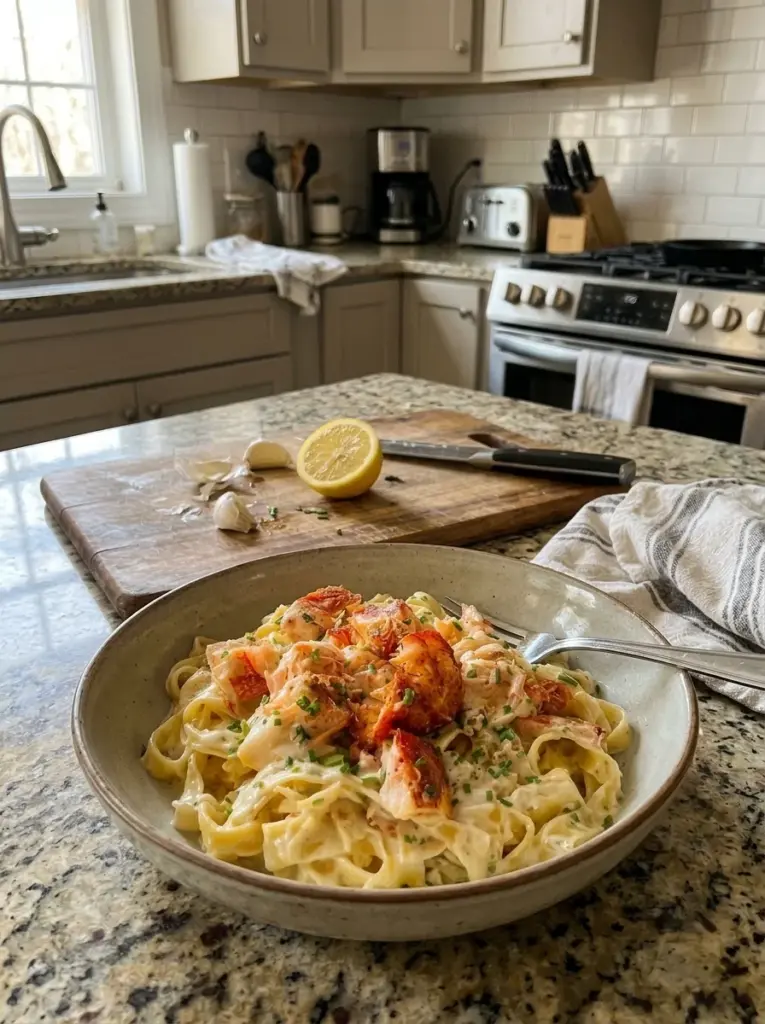
If you love a bold, creamy, indulgent pasta that feels like a special occasion, this Cajun lobster, crab, and salmon Alfredo belongs at the top of your list. Imagine a silky garlic-Parmesan cream sauce kissed with Cajun spices, clinging to ribbons of fettuccine, and loaded with sweet lobster, delicate lump crab, and perfectly seared salmon. Every forkful balances richness, heat, and ocean-fresh flavor.
This dish has all the hallmarks of a seafood restaurant entrée, but it is surprisingly manageable in a home kitchen. The salmon is seasoned and pan-seared until golden, the lobster is gently cooked in butter, and the crab is folded in at the end to keep it tender. The sauce comes together in one skillet in about ten minutes, and it can be adjusted to your preferred level of spice. It is perfect for date nights, anniversaries, holiday dinners, birthday celebrations, or any evening when you want something that feels truly special.
Below, you will find the full ingredient list, detailed step-by-step instructions, tips for cooking each type of seafood perfectly, variations, serving suggestions, storage advice, and answers to frequently asked questions about making Cajun seafood Alfredo.
Why You Will Love This Cajun Seafood Alfredo
It is rich and luxurious. Lobster, crab, and salmon together create a layered seafood experience, with each bringing its own flavor and texture.
The sauce is creamy and flavorful. Garlic, butter, heavy cream, and Parmesan form a classic Alfredo base, and Cajun seasoning gives it a warm, smoky, slightly spicy depth.
It looks and tastes like a special occasion. Plated with fresh parsley and a lemon wedge, it is impressive enough for guests.
It is customizable. Dial the heat up or down, swap in shrimp or scallops, and adjust the seafood amounts to fit your budget.
It comes together in under an hour. With a little prep, the whole meal takes about 45 minutes from start to finish.
It balances richness and brightness. A squeeze of lemon and a sprinkle of fresh herbs cut through the creaminess.
It is surprisingly approachable. There are no advanced techniques, just smart timing and a few simple tips.
Ingredients for Cajun Lobster, Crab, and Salmon Alfredo
This recipe serves 4 to 6.
For the Pasta
- 12 oz fettuccine (or linguine)
- Salt, for the pasta water
For the Seafood
- 2 lobster tails (about 5 to 6 oz each), shells removed and meat cut into bite-size chunks, or 8 oz cooked lobster meat
- 8 oz lump crab meat, picked over for shells
- 1 lb salmon fillet (skin removed), cut into 1-inch cubes or 2 fillets
- 1 tbsp olive oil
- 2 tbsp butter
- 1½ tbsp Cajun seasoning, divided (use a salt-free blend, or reduce added salt)
For the Cajun Alfredo Sauce
- 4 tbsp (½ stick) unsalted butter
- 5 cloves garlic, minced
- ¼ cup finely diced shallot or yellow onion (optional)
- 2 cups heavy cream
- 1½ cups freshly grated Parmesan cheese
- 1 to 2 tsp Cajun seasoning, to taste
- ½ tsp paprika (smoked paprika adds depth)
- ¼ tsp black pepper
- ¼ tsp cayenne pepper (optional, for extra heat)
- Salt, to taste
- ½ cup reserved pasta water, as needed
- 1 tbsp fresh lemon juice
For Garnish
- 2 tbsp chopped fresh parsley
- 2 green onions, thinly sliced
- Lemon wedges
- Extra Parmesan
Ingredient Notes and Substitutions
Lobster
Fresh or thawed frozen lobster tails are the easiest way to add lobster. Thaw frozen tails overnight in the refrigerator. To remove the meat, use kitchen shears to cut down the top of the shell, pull the meat out, and cut it into chunks. If you want to save time or reduce cost, pre-cooked lobster meat works well. Add it at the end, only to warm it through, so it does not turn rubbery. Langostino or large shrimp are good, budget-friendly alternatives.
Crab
Lump crab meat is prized for its sweet, delicate flavor and large pieces. Jumbo lump is the most luxurious but also the most expensive, while regular lump or backfin is more economical and works well in a creamy sauce. Gently pick through the crab to remove any bits of shell, taking care not to break up the lumps. Canned crab is acceptable in a pinch, but drain it well. Fold the crab in last and handle it gently.
Salmon
Choose fresh, skinless salmon fillets, either Atlantic or wild-caught. Cutting the salmon into cubes allows it to cook quickly and distribute evenly throughout the pasta, while cooking whole fillets and flaking them is another good option. Pat the salmon dry before seasoning so it sears rather than steams. Make sure the salmon has no pin bones.
Cajun Seasoning
Cajun seasoning is a blend of paprika, garlic powder, onion powder, black pepper, cayenne, oregano, and thyme, often with salt. Brands vary a great deal in salt and heat levels, so taste your sauce before adding extra salt. You can make your own by combining 2 teaspoons paprika, 1 teaspoon garlic powder, 1 teaspoon onion powder, ½ teaspoon dried oregano, ½ teaspoon dried thyme, ½ teaspoon black pepper, and ¼ to ½ teaspoon cayenne, plus salt to taste.
Heavy Cream and Parmesan
Heavy cream gives the sauce its body and keeps it stable when heated. Freshly grated Parmesan from a wedge melts into a smooth, velvety sauce. Pre-grated Parmesan in a canister contains anti-caking agents that can leave the sauce slightly grainy. Do not use milk, which will not create a thick, creamy sauce.
Pasta
Fettuccine is the traditional choice for Alfredo because its wide, flat ribbons carry the creamy sauce well. Linguine, pappardelle, or even penne or rigatoni also work. Cook the pasta until al dente, since it will continue to soften in the hot sauce.
Butter and Garlic
Butter and garlic build the base of the sauce. Use unsalted butter to control the sodium, and fresh garlic for a sweeter, more aromatic flavor.
How to Make Cajun Lobster, Crab, and Salmon Alfredo
Step 1: Prep the Seafood
Pat the salmon cubes and lobster pieces dry with paper towels. Season the salmon with half of the Cajun seasoning and a pinch of salt, and the lobster with the rest. Check the crab meat for shell fragments and set it aside. Having everything prepped before you start cooking keeps the process calm and smooth.
Step 2: Cook the Pasta
Bring a large pot of well-salted water to a boil. Add the fettuccine and cook until al dente, about 1 minute less than the package directions. Reserve about 1 cup of the pasta water, then drain the pasta. Toss it with a small drizzle of olive oil to prevent sticking.
Step 3: Sear the Salmon
Heat the olive oil in a large, deep skillet over medium-high heat. Add the salmon in a single layer and sear for 2 to 3 minutes per side, until golden and just cooked through. The salmon should flake easily but still be moist. Transfer it to a plate. It will finish cooking gently in the sauce later.
Step 4: Cook the Lobster
In the same skillet, melt the 2 tablespoons of butter over medium heat. Add the lobster and cook for 2 to 3 minutes, turning once, until the meat turns opaque and is just cooked through. Remove it to the plate with the salmon. Lobster cooks quickly and turns tough if overdone, so watch it closely.
Step 5: Start the Sauce
In the same skillet, reduce the heat to medium-low and add the 4 tablespoons of butter. Once melted, add the shallot (if using) and cook for 1 to 2 minutes until soft. Add the garlic and cook for about 30 seconds, until fragrant. Do not let the garlic brown.
Step 6: Add the Cream and Seasonings
Pour in the heavy cream, then stir in the paprika, Cajun seasoning, black pepper, and cayenne if using. Bring to a gentle simmer and cook for 3 to 4 minutes, stirring often, until the sauce thickens slightly and coats the back of a spoon.
Step 7: Melt in the Parmesan
Reduce the heat to low. Add the Parmesan a handful at a time, whisking until each addition melts before adding the next. Continue until the sauce is smooth and creamy. Stir in the lemon juice. Taste and adjust with salt, pepper, or additional Cajun seasoning.
Step 8: Toss with the Pasta
Add the cooked fettuccine to the sauce and toss with tongs to coat every strand. If the sauce is too thick, stir in reserved pasta water a few tablespoons at a time until it reaches a silky consistency.
Step 9: Fold in the Seafood
Gently return the salmon and lobster to the skillet. Add the crab meat last, folding it carefully so the lumps stay intact. Let everything warm through for 1 to 2 minutes over low heat. Avoid overcooking the seafood.
Step 10: Garnish and Serve
Divide the pasta among warm plates, making sure each serving gets a generous mix of lobster, crab, and salmon. Garnish with parsley, green onions, extra Parmesan, and lemon wedges. Serve immediately, while it is hot and creamy.
Tips for the Perfect Seafood Alfredo
Cook the seafood separately. Each type of seafood cooks at a different rate. Cooking them separately and combining at the end prevents overcooking.
Pat the seafood dry. Dry surfaces sear better and keep the sauce from becoming watery.
Do not overcook the lobster or crab. Both are delicate and become tough or stringy when overcooked. Lobster only needs a couple of minutes, and crab is already cooked, so just warm it through.
Use low heat for the cheese. High heat can make Alfredo sauce grainy or oily. Add the Parmesan slowly over low heat.
Grate your own Parmesan. Freshly grated cheese melts smoothly and tastes better.
Save the pasta water. The starch helps the sauce cling to the pasta and can thin the sauce without diluting its flavor.
Balance the heat. Start with a smaller amount of Cajun seasoning, then taste and add more. Cayenne adds heat, but paprika adds flavor without spice.
Add acidity. Lemon juice brightens the sauce and keeps the dish from feeling too heavy.
Serve right away. Alfredo sauce thickens quickly as it cools, so bring the pasta to the table immediately.
Check salmon doneness. Salmon is done when it flakes with a fork and reaches an internal temperature of 145°F, according to USDA guidelines. Slightly undercook it in the pan, since it continues to cook in the warm sauce.
Troubleshooting Common Problems
The sauce is grainy. The heat was probably too high, or pre-grated cheese was used. Lower the heat, add the cheese slowly, and use freshly grated Parmesan.
The sauce is too thin. Simmer it a few more minutes to reduce, or add more Parmesan. The sauce also thickens as it cools and when the pasta is added.
The sauce is too thick. Stir in reserved pasta water or a splash of cream until it loosens.
The seafood is rubbery. It was overcooked. Cook lobster and salmon briefly, and only warm the crab.
It is too salty. Cajun seasoning and Parmesan both contain salt. Use a low-sodium Cajun blend and taste before adding more salt.
It is too spicy. Add a splash of cream or extra Parmesan, and serve with lemon wedges and bread to temper the heat.
The sauce separated. It may have been overheated. Remove it from the heat and whisk in a splash of warm cream or pasta water.
Delicious Variations
Shrimp and scallop version. Replace the lobster or salmon with shrimp or sea scallops for a more budget-friendly or varied seafood dish.
Blackened salmon. Dust the salmon with extra Cajun seasoning and sear it in a hot cast iron skillet for a blackened crust.
Add sausage. Slice andouille sausage into rounds and brown it before making the sauce for a smoky, hearty twist.
Vegetables. Stir in baby spinach, sun-dried tomatoes, roasted red peppers, or asparagus for color and freshness.
Lighter sauce. Replace part of the cream with half-and-half or whole milk, and stir in a spoonful of cream cheese for body. The sauce will be less rich.
Creole twist. Add diced tomatoes, bell peppers, celery, and a splash of white wine for a Creole-inspired seafood pasta.
Extra garlic butter. Finish with a spoonful of garlic butter on top of each serving for added richness.
Crunchy topping. Top with toasted garlic breadcrumbs for texture contrast.
Gluten-free. Use gluten-free fettuccine, and check that your Cajun seasoning is gluten-free.
What to Serve with Cajun Seafood Alfredo
Because the pasta is rich and creamy, pair it with light, fresh sides.
- Garlic bread or crusty French bread for soaking up the sauce.
- Caesar salad or arugula salad with lemon vinaigrette.
- Steamed or roasted vegetables such as asparagus, broccoli, or green beans.
- Corn on the cob or a simple tomato salad for a Southern feel.
- Lemon wedges for squeezing over each serving.
For drinks, serve with a crisp white wine such as Sauvignon Blanc, Chardonnay, or Pinot Grigio, or a dry sparkling wine. Sparkling water with lemon is a refreshing non-alcoholic choice.
Storage, Reheating, and Food Safety
Refrigerating: Cool leftovers quickly and refrigerate them in an airtight container within 2 hours. Eat within 2 days, since seafood is more perishable than most proteins.
Reheating: Reheat gently in a skillet over low heat with a splash of cream, milk, or pasta water to loosen the sauce, stirring often. Avoid high heat and long reheating times, which can make the seafood rubbery and separate the sauce. Reheat until hot throughout, to 165°F.
Freezing: Freezing is not recommended, as the cream sauce can separate and the seafood loses texture.
Make ahead: You can season and cut the seafood and grate the cheese a few hours ahead. The sauce is best made right before serving.
Frequently Asked Questions
Can I use frozen seafood?
Yes. Thaw frozen lobster, crab, and salmon completely in the refrigerator, then pat them very dry before cooking. Excess moisture will water down the sauce and prevent searing.
Do I need all three types of seafood?
No. You can use any combination, or just one. Shrimp, scallops, or additional salmon are good substitutes.
How spicy is this dish?
It is moderately spicy, depending on your Cajun seasoning. Use less seasoning and skip the cayenne for a mild version, or add more for extra heat.
Can I make the sauce ahead of time?
Alfredo sauce is best fresh because it thickens and can separate when reheated. If needed, make it a few hours ahead and rewarm gently with a splash of cream.
What is the best pasta for Alfredo?
Fettuccine is classic, but linguine, pappardelle, and penne also work well.
How do I know when the lobster is cooked?
Cooked lobster meat turns opaque and white with a slight pink tinge, and it feels firm but tender. It usually takes 2 to 3 minutes in a hot skillet for small chunks.
Can I use half-and-half instead of heavy cream?
Half-and-half makes a thinner, less stable sauce. If you use it, keep the heat very low and add a bit of cream cheese or extra Parmesan for body.
Is there a way to make it dairy-free?
Dairy-free Alfredo is possible with full-fat coconut cream, cashew cream, or plant-based butter and cheese, though the flavor will differ from traditional Alfredo.
What wine pairs well?
A crisp, acidic white such as Sauvignon Blanc or Pinot Grigio balances the creamy sauce. A lightly oaked Chardonnay also complements the richness.
Can I make it with pre-cooked seafood?
Yes. Pre-cooked lobster and crab can be added at the end to warm through. Cook the salmon fresh for the best texture.
Final Thoughts: A Showstopping Seafood Pasta for Special Nights
Cajun lobster, crab, and salmon Alfredo is the kind of dish that turns an ordinary evening into a celebration. A velvety garlic Parmesan cream sauce, a gentle Cajun kick, and a trio of tender seafood make every bite rich, flavorful, and memorable. With careful timing and a few simple techniques, you can recreate this restaurant favorite in your own kitchen, impress your guests, and enjoy every last forkful.
Gather your seafood, put on a pot of water, and get ready to cook something special. If you make it, leave a comment and a star rating, and tell us how you served it. Happy cooking!