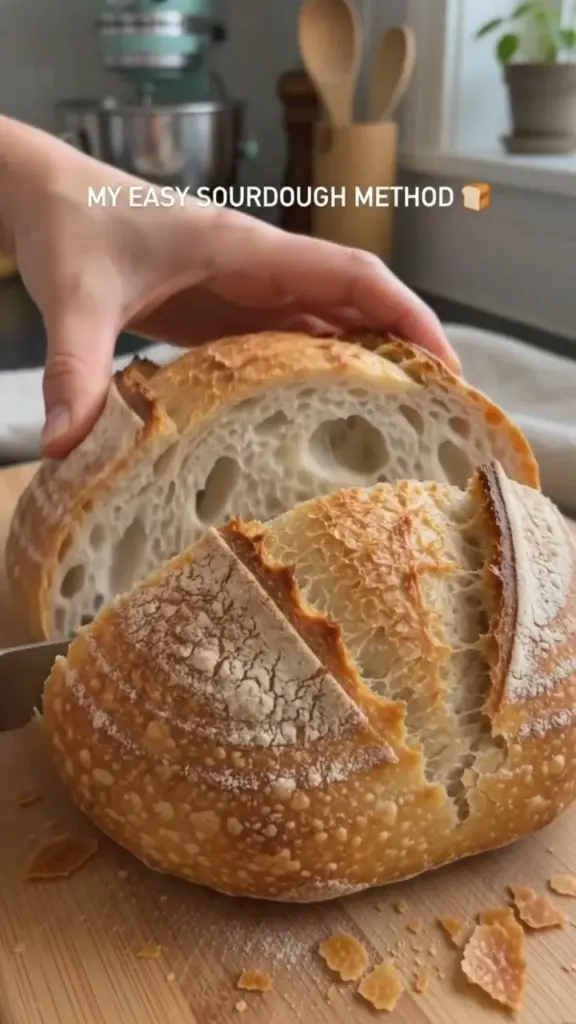
The aroma of freshly baked bread envelops your kitchen, wrapping you in a warm, comforting embrace. You can almost hear the soft crackle as the crust forms, a prelude to the delightful symphony of flavors and textures waiting to be revealed. Imagine slicing through that golden, crusty exterior to expose the tender, airy crumb inside, each bite releasing a delectable blend of sour and sweet notes. You dip it into olive oil, perhaps smear it with creamy butter, or simply enjoy it plain, relishing the depth of flavors that only time can create. This is not just bread; this is Easy Sourdough Bread, a beautiful manifestation of patience and nature, inviting you to gather around the table and create moments that linger long after the last crumb has vanished.
Baking sourdough captures the magic of transforming simple ingredients—flour, water, and a lively starter—into something glorious. Whether you’re an experienced baker or a novice in the kitchen, you’ll find that the process is filled with satisfying, tactile moments. As you knead the dough, it transforms from a shaggy mass into a smooth, elastic ball, and the anticipation builds as it rests and rises. When your loaf emerges from the oven, its intoxicating aroma fills the air, igniting vivid memories of bakeries and sunny afternoons. And let me tell you, that sheer joy of breaking open a loaf you made with your own hands? It’s an experience that’s deeply fulfilling and deliciously rewarding.
Why You’ll Love This Easy Sourdough Bread
This Easy Sourdough Bread is more than a pantry staple; it’s a moment shared, an artistic endeavor, and a culinary triumph rolled into one. You’ll adore the delightful tang that comes with every bite, enhanced by the chewy crust and fluffy, airy interior. This bread stands out not just for its taste, but for its versatility. Serve it warm alongside a comforting bowl of soup, use it to elevate your sandwiches, or toast it to perfection for breakfast. Imagine slathering a slice with creamy avocado, topped with a sprinkle of sea salt, or sinking a piece into your favorite dipping oil. The possibilities are endless!
The beauty of sourdough lies in its simplicity. You might be surprised to learn that you can create a stunning loaf in the comfort of your home without the need for fancy equipment or extensive experience. This recipe paves the way for those who wish to experience the thrill of baking sourdough without feeling overwhelmed. The slow fermentation process nurtures the dough, developing complex flavors while allowing you to enjoy the hands-off time as it rises. Trust me, your kitchen will never feel cozier than when the scent of baking bread wafts through the air, encouraging a sense of happiness and satisfaction that brings everyone to the table.
Preparation Phase & Tools to Use
Baking sourdough needs a few essential tools that will set you up for success. Each item plays a pivotal role in ensuring your bread turns out beautifully.
- Digital Kitchen Scale: Precision makes all the difference when it comes to bread baking. A scale allows you to measure your ingredients accurately, ensuring a successful rise and texture.
- Mixing Bowl: A sturdy bowl provides ample space for mixing and letting your dough rise. Choose one that’s easy to clean and is large enough to accommodate your dough as it expands.
- Banneton (Proofing Basket): This wicker basket helps the dough hold its shape during the final proof while allowing air circulation, which promotes a lovely crust.
- Sharp Blade or Lame: A sharp knife helps to score your dough, creating unique patterns while allowing steam to escape as it bakes, resulting in that coveted crust.
- Dutch Oven or Baking Stone: If you want a crust that sings with crunch and flavor, using a Dutch oven traps steam, creating the perfect environment for your bread to rise and brown beautifully. If you prefer a baking stone, place a tray of water below it to achieve the same effect.
Preparation Tips:
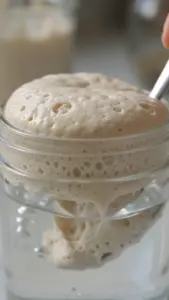
- Always hydrate your sourdough starter the night before baking to ensure it is bubbly and active.
- Allow your flour to come to room temperature before starting; this encourages better fermentation.
- Embrace the waiting times. While they may feel long, they are essential for flavor development and texture.
Ingredients for Easy Sourdough Bread
To embark on this delicious journey, you will need the following ingredients:
- 500 g Bread Flour: Opt for high-protein bread flour for optimal gluten development. You can substitute whole wheat flour for half of the bread flour if you prefer a nuttier flavor and heartier texture.
- 350 g Water: Use filtered or bottled water for the best flavor, ensuring it is at room temperature for effective hydration.
- 100 g Active Sourdough Starter: Your starter must be bubbly and active, achieving this by feeding it regularly in anticipation of your baking day.
How to Make Easy Sourdough Bread
-
Weigh and Mix: Begin by measuring 500 g of bread flour, 350 g of water, and 100 g of your active sourdough starter into a mixing bowl. Combine until no dry flour remains. The dough will appear shaggy, which is perfectly normal—this will change as you knead it.
-
First Rest: Allow your dough to rest for 30 minutes. During this time, the flour absorbs moisture, making gluten development easier.
-
Knead: After the break, mix the dough briefly with a dough hook on low speed for 1-2 minutes until it comes together. This method keeps the process clean and manageable.
-
Stretch and Fold: For the next two hours, every 30 minutes, cover the dough and return to it. Perform a stretch-and-fold technique—gently pulling and folding the dough over itself—four times. This helps strengthen the gluten structure.
-
Cold Fermentation: Transfer the dough to a large container, cover it tightly, and place it in the fridge for 24–48 hours. This slow fermentation enhances the flavor profile remarkably.
-
Shape and Proof: On baking day, remove the dough from the fridge and gently shape it into a round or oval loaf. Place it into your well-floured banneton for about an hour. This final proof will give your bread its airy texture.
-
Preheat the Oven: Preheat your oven to 450°F (232°C), placing a Dutch oven inside to heat up.
-
Score and Bake: Carefully transfer the dough onto parchment paper. Score the top with a sharp blade, which allows your bread to expand while baking. Carefully place it in the hot Dutch oven and cover with the lid. Bake for 30 minutes, then remove the lid and continue baking for an additional 15-20 minutes until a deep golden brown.
Chef’s Notes & Helpful Tips
- Make-Ahead Tips: If the timing doesn’t align with your schedule, you can shape the dough and let it proof in the fridge overnight. Just remove it and let it sit at room temperature for about 30 minutes before baking.
- Cooking Alternatives: If you don’t have a Dutch oven, consider using a baking stone or baking sheets with a tray of boiling water underneath to create steam in the oven.
- Customization Ideas: Try adding herbs, nuts, or even cheese into your dough before the first rise for a burst of flavor. Dried fruits work beautifully too!
Common Mistakes to Avoid
- Using a Cold Starter: Always ensure your sourdough starter is bubbly and active before incorporating it into your dough. Baking with a dormant starter can lead to denser bread.
- Skipping Rest Times: Patience is key! Each rest period allows gluten to develop and flavors to mature. Don’t cut corners, or you may miss out on that perfect texture.
- Over-proofing: If dough rises for too long, it can “blow out” in the oven, resulting in a flat loaf with a poor crumb structure. Pay attention to visual cues, such as a slightly domed shape and bubbles forming on the surface.
What to Serve With Easy Sourdough Bread
The versatility of this luscious bread makes it an irresistible pairing for a myriad of dishes. Enjoy:
- Creamy Soups: Serve alongside velvety tomato basil soup or chunky potato leek soup to soak up every flavorful drop.
- Charcuterie Board: Elevate your cheese and charcuterie display, allowing the bread to complement a variety of cured meats and artisanal cheeses.
- Salads: Use it to create croutons for a fresh garden salad or perfect for scooping up layers of warm, flavorful beans & greens.
- Bruschetta: Top toasted slices with diced tomatoes, basil, and a drizzle of balsamic for an appetizer that sings of sunshine.
- Simple Avocado Toast: A classic breakfast option, mash ripe avocados onto toasted sourdough, adding sea salt and chili flakes for an extra kick.
- Egg Dishes: Serve with your favorite egg dish, whether it’s a fluffy omelet or softly scrambled eggs.
- Pasta: Pair a generous slice with a hearty ragu or olive oil-based pasta for a satisfying meal.
- Jam and Butter: For a simple pleasure, enjoy your sourdough with a smear of high-quality butter and homemade jam.
Storage & Reheating Instructions
Your homemade sourdough bread deserves proper storage to maintain its incredible flavor and texture. Keep it in a paper bag at room temperature for about 2-3 days. If you need longer storage, wrap it tightly in plastic, then aluminum foil, and pop it in the freezer. When you’re ready to enjoy it again, thaw it at room temperature, then warm it in the oven at 350°F (175°C) for about 10-15 minutes to regain that freshly baked goodness.
Estimated Nutrition Information
This Easy Sourdough Bread offers approximately:
- Calories: 120 per slice
- Carbohydrates: 24g
- Protein: 4g
- Fat: 0.5g
- Fiber: 1g
These values vary depending on specific ingredients used, so consider them rough estimates.
FAQs
1. Can I use all-purpose flour instead of bread flour?
Absolutely! While bread flour boosts gluten structure, all-purpose flour works well too, though the texture may be slightly less chewy. You can even mix the two for a delightful result.
2. What if my dough isn’t rising?
If your dough feels sluggish, it might be due to a weaker starter or colder environments. Try giving it more time to rise or set it in a warmer spot in your kitchen. You can also feed your starter once more before using it.
3. Can I add seeds or nuts to my sourdough?
Of course! Adding seeds such as sunflower, pumpkin, or even nuts can elevate the flavor and enhance the texture. Just fold them in gently during the stretch and fold phase.
4. How can I tell when my bread is done baking?
Your loaf is ready when it reaches a deep golden color and sounds hollow when tapped on the bottom. Use a thermometer to check; it should read around 200°F (93°C) for perfect doneness.
5. Can I make sourdough bread without a starter?
Unfortunately, you need an active sourdough starter to create a true sourdough flavor. If you don’t have one yet, consider beginning your own by fermenting flour and water over several days.
As you take your first bite of this fascinatingly simple yet delicious Easy Sourdough Bread, let the robust flavors and comforting textures sweep you away. Biting into the crust and tasting the lovingly-crafted crumb sparks joy in ways that store-bought bread simply can’t compete with. In every loaf, you channel patience, warmth, and artistry. So gather your ingredients, embrace the process, and let this recipe weave its magic in your kitchen. You’ll not only fill your belly but also create memories and traditions that last a lifetime. Happy baking!
Print
Easy Sourdough Bread
- Total Time: 60 minutes
- Yield: 8 servings 1x
- Diet: Vegetarian
Description
Experience the joy of baking with this easy sourdough bread recipe that transforms simple ingredients into a delightful homemade loaf.
Ingredients
- 500 g Bread Flour
- 350 g Water
- 100 g Active Sourdough Starter
Instructions
- Weigh and mix the flour, water, and sourdough starter in a mixing bowl until no dry flour remains.
- Rest the dough for 30 minutes to allow moisture absorption.
- Knead the dough briefly for 1-2 minutes until it comes together.
- Stretch and fold the dough every 30 minutes for 2 hours.
- Ferment the dough in the fridge for 24–48 hours.
- Shape the dough and proof it in a banneton for an hour.
- Preheat the oven to 450°F (232°C) with a Dutch oven inside.
- Score the top of the dough and bake in the Dutch oven for 30 minutes, then remove the lid and bake for an additional 15-20 minutes until golden brown.
Notes
Make-ahead tips include fridge proofing overnight and adding flavor enhancements like herbs or cheese.
- Prep Time: 15 minutes
- Cook Time: 45 minutes
- Category: Bread
- Method: Baking
- Cuisine: Italian
Nutrition
- Serving Size: 1 slice
- Calories: 120
- Sugar: 0g
- Sodium: 0mg
- Fat: 0.5g
- Saturated Fat: 0g
- Unsaturated Fat: 0g
- Trans Fat: 0g
- Carbohydrates: 24g
- Fiber: 1g
- Protein: 4g
- Cholesterol: 0mg
Keywords: sourdough, bread, homemade, baking, easy recipe