High-Protein Red Lentil Flatbread: The Easy, Flourless Recipe You Need to Try
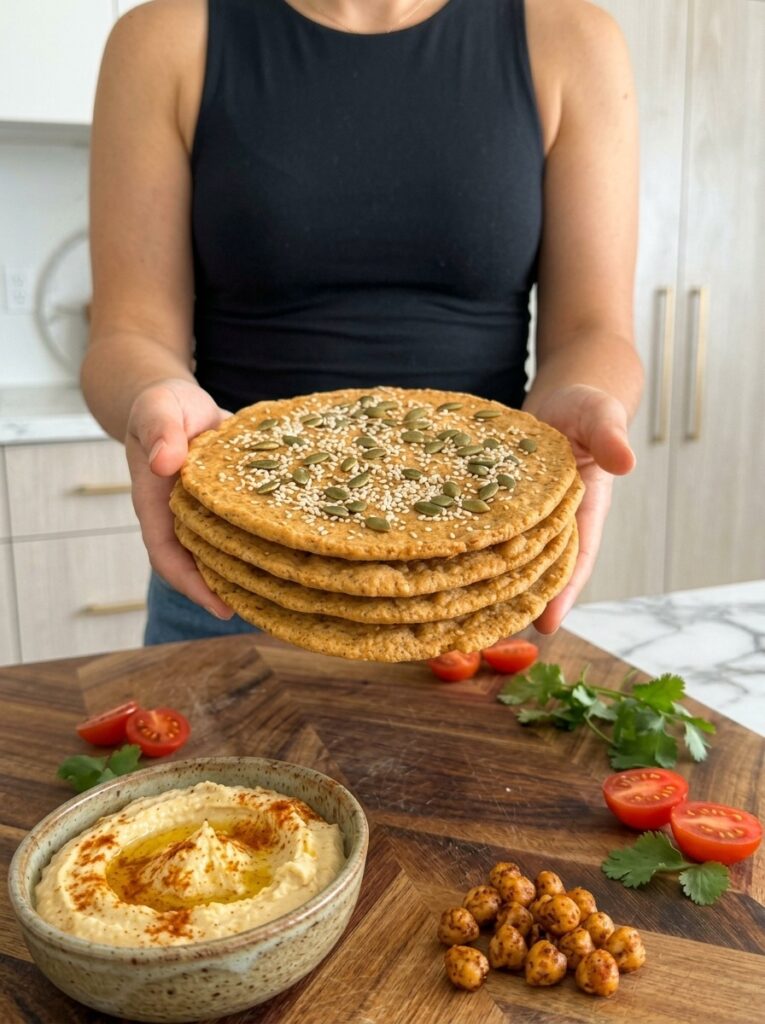
If you’ve been searching for a high-protein flatbread recipe that skips traditional flour, ditches the yeast, and still delivers soft, chewy, satisfying results, this Red Lentil Flatbread is about to become your new kitchen staple. Made from just five simple pantry ingredients, this naturally gluten-free flatbread is blended, not kneaded, and cooked on the stovetop in minutes. It’s proof that healthy eating doesn’t have to be complicated.
Whether you’re building a plant-based diet, looking for high-protein breakfast ideas, or simply want a versatile bread alternative for wraps, dips, and grain bowls, this red lentil flatbread checks every box. Let’s dive into why this recipe works, how to make it perfectly, and all the creative ways you can enjoy it.
Why You’ll Love This High-Protein Red Lentil Flatbread
Red lentils are a nutritional powerhouse, and turning them into a flatbread batter is a genius way to sneak more plant-based protein and fiber into your daily meals. Here’s what makes this recipe stand out:
- No flour, no yeast, no gluten. This flatbread is made entirely from blended red lentils, meaning it’s naturally gluten-free and grain-free.
- High in plant-based protein. Red lentils are packed with protein and fiber, making this flatbread far more filling and nutritious than a traditional flour-based one.
- Incredibly simple ingredients. You only need five ingredients, most of which are probably already in your pantry.
- No kneading, no rising, no fuss. Unlike yeasted bread, there’s no proofing time. Just soak, blend, and cook.
- Naturally soft and pliable. These flatbreads are tender and flexible, perfect for rolling, folding, and wrapping.
- Meal-prep friendly. They store beautifully in the fridge or freezer, so you can batch-cook and enjoy them throughout the week.
- Endlessly versatile. Use them as wraps, dippers, sandwich bases, or a side for soups and curries.
This recipe is ideal for anyone following a vegan, vegetarian, gluten-free, or high-protein lifestyle — or really, anyone who just wants a delicious homemade flatbread that happens to be good for you too.
The Star Ingredient: Why Red Lentils?
Red lentils are the secret behind this flatbread’s soft texture and lightly nutty flavor. Unlike other legumes, red lentils soften quickly when soaked and blend into an incredibly smooth, creamy batter — no soaking overnight required, and no need for a food processor with industrial-strength blades.
Nutritionally, red lentils are:
- Rich in plant-based protein, supporting muscle repair and satiety
- High in dietary fiber, which supports digestion and helps you feel full longer
- A good source of iron, folate, and potassium
- Naturally low in fat
- Gluten-free and easy to digest once soaked and cooked
Because the lentils are soaked and then blended into a batter, this flatbread comes together almost like a savory pancake — but with far more staying power thanks to the protein and fiber content.
Ingredients You’ll Need
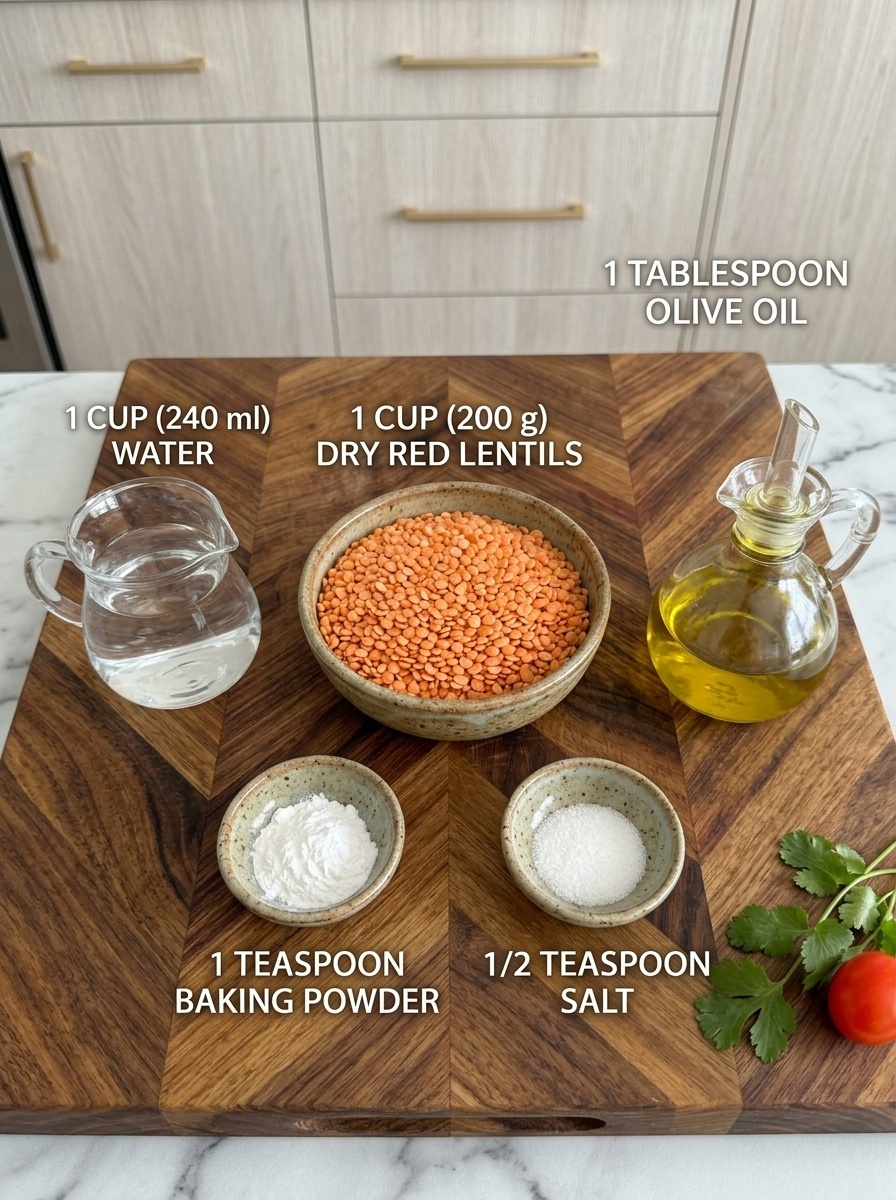
This recipe uses just five simple ingredients:
- 1 cup (200 g) dry red lentils — the base of the batter
- 1 cup (240 ml) water — for blending the lentils into a smooth batter
- 1 tablespoon olive oil — adds richness and helps with browning
- 1 teaspoon baking powder — gives the flatbread a slightly airy, tender texture
- ½ teaspoon salt — for flavor
That’s it. No specialty flours, no hard-to-find ingredients, and no added sugar or preservatives — just clean, simple, whole-food ingredients.
Tips for the Best Red Lentil Flatbread
Before jumping into the step-by-step method, keep these tips in mind for flatbread success every time:
- Rinse thoroughly. Rinse the dry red lentils well before soaking to remove excess starch, which helps prevent a gummy texture.
- Soak until fully soft. The lentils need to be completely softened before blending — this is what allows them to break down into a silky-smooth batter rather than a grainy one.
- Use a high-powered blender. A strong blender makes all the difference in achieving a smooth, lump-free batter.
- Aim for a pourable consistency. The batter should resemble a thick pancake batter — pourable, but not runny.
- Adjust as needed. If the batter thickens too much after resting (the lentils continue to absorb liquid), simply add a small splash of water and blend again.
- Grease lightly between batches. A good nonstick skillet is key, and a light re-grease between flatbreads helps prevent sticking and encourages even browning.
How to Make High-Protein Red Lentil Flatbread (Step-by-Step)
Step 1: Soak the Lentils
Start by placing the dry red lentils in a large bowl. Rinse them thoroughly under cool running water until the water runs mostly clear — this removes surface starch and any debris.
Once rinsed, cover the lentils generously with fresh water (they will expand as they soak, so use plenty). Let them soak for approximately 4 to 6 hours, or until they’re very soft and easily mashed between your fingers. This soaking step is essential: it softens the lentils enough to blend into a completely smooth batter, and it also helps improve digestibility.
After soaking, drain the lentils completely and rinse them once more before moving on to the next step.
Step 2: Blend the Batter
Transfer the soaked, drained lentils into a high-powered blender. Add 1 cup of fresh water, the olive oil, baking powder, and salt.
Blend on high until the mixture is completely smooth and creamy, pausing as needed to scrape down the sides of the blender. You’re looking for a batter with no visible lentil pieces — just a silky, uniform consistency similar to a thick pancake or crepe batter. If it seems too thick to blend smoothly, add water a tablespoon at a time until it reaches a pourable consistency.
Step 3: Prepare the Skillet
Heat a nonstick skillet or griddle over medium heat. Once hot, lightly grease the surface with a small amount of olive oil — just enough to prevent sticking without making the flatbread greasy.
Test the heat by adding a small drop of batter; it should sizzle gently without burning immediately.
Step 4: Cook the Flatbread
Pour a portion of the lentil batter into the center of the skillet. Using the back of a spoon or an offset spatula, gently spread the batter outward into a thin, even, round shape — similar to how you’d spread crepe batter.
Cook for 2 to 3 minutes, or until the top surface looks set (no longer wet or glossy) and the underside has turned lightly golden. Carefully flip the flatbread using a wide spatula, and cook the second side for another 1 to 2 minutes, until fully cooked through and lightly golden in spots.
Repeat with the remaining batter, re-greasing the skillet lightly between each flatbread as needed. This recipe yields approximately 6 to 8 flatbreads, depending on size.
Step 5: Keep Them Soft
As each flatbread finishes cooking, transfer it to a plate and stack the flatbreads on top of one another. Cover the stack loosely with a clean kitchen towel — this traps a small amount of steam, which keeps the flatbreads soft, pliable, and easy to fold or roll rather than letting them dry out and become brittle.
Allow them to cool slightly before filling, folding, or serving.
Serving Ideas: How to Use Red Lentil Flatbread
One of the best things about this recipe is its versatility. Here are some delicious ways to enjoy your homemade high-protein flatbreads:
- Wraps: Fill them with scrambled eggs, sautéed vegetables, grilled chicken, turkey, or your favorite savory protein for a quick, high-protein meal.
- Dippers: Cut into wedges and serve alongside hummus, tzatziki, yogurt-based dips, or baba ganoush.
- Soup and curry companion: Serve warm alongside lentil soup, chickpea curry, dal, or stew for a hearty, comforting meal.
- Sandwich base: Use two flatbreads (or fold one in half) to make a savory flatbread sandwich with your favorite fillings.
- Grain bowl addition: Pair with a grain bowl or salad for extra protein and a satisfying textural contrast.
- Breakfast or snack: Enjoy warm on their own, or topped with avocado, a fried egg, or nut butter for a quick, protein-packed breakfast or snack.
Because the flavor is lightly nutty and neutral, these flatbreads pair well with both savory and lightly sweet toppings, making them extremely adaptable to whatever you have on hand.
How to Store Red Lentil Flatbread
This recipe is great for meal prep since the flatbreads store and reheat beautifully.
Refrigerator storage: Once the flatbreads have cooled completely, store them in an airtight container in the refrigerator for up to 4 days. If you’re stacking them, place a piece of parchment paper between each flatbread to prevent sticking.
Freezer storage: For longer storage, stack the cooled flatbreads with parchment paper between each layer, then place them in a freezer-safe bag or container. They’ll keep well in the freezer for future meals.
Reheating: When you’re ready to enjoy a stored flatbread, thaw it if frozen, then warm it briefly in a skillet over medium heat or in the microwave until soft and flexible again.
Recipe Timing at a Glance
- Prep Time: About 10 minutes
- Soaking Time: Approximately 4–6 hours
- Cooking Time: Approximately 15–20 minutes
- Total Time: Approximately 5–7 hours (largely hands-off soaking time)
- Yield: Approximately 6–8 flatbreads
While the total time may look long, keep in mind that the vast majority of it is passive soaking time — you can soak the lentils overnight or during the day while doing other things, then blend and cook in under 30 minutes when you’re ready.
Frequently Asked Questions
Can I skip soaking the red lentils?
Soaking is important for achieving a smooth, blendable batter. Unsoaked lentils are too firm and will result in a gritty texture, even with a powerful blender. If you’re short on time, aim for at least 4 hours of soaking, or try using warm water to speed up the softening process slightly.
Can I make the batter ahead of time?
Yes. The batter can be made in advance and stored in the refrigerator for a day or so. Since it may thicken as it sits, simply stir in a small splash of water before cooking to loosen it back to a pourable consistency.
Do I need a high-powered blender?
A high-powered blender will give you the smoothest results, but a standard blender can work too — you may just need to blend a bit longer and scrape down the sides more frequently to eliminate any remaining lentil texture.
Are red lentil flatbreads good for weight loss or high-protein diets?
Because they’re made from lentils rather than refined flour, these flatbreads offer more protein and fiber per serving than traditional flatbreads, which can help support satiety and make them a smart choice for high-protein or plant-based eating plans.
Can I add spices or herbs to the batter?
Absolutely. This base recipe is intentionally simple, but you can customize it by blending in spices like cumin, turmeric, garlic powder, or smoked paprika, or folding in finely chopped fresh herbs like cilantro or parsley for extra flavor.
Why is my flatbread sticking to the pan?
This usually means the skillet wasn’t hot enough before adding the batter, or it needs a fresh layer of oil. Make sure to preheat the skillet properly and lightly re-grease it between each flatbread.
Is this recipe vegan?
Yes, this red lentil flatbread is naturally vegan, as it contains no animal products.
Final Thoughts
This High-Protein Red Lentil Flatbread proves that you don’t need traditional flour, yeast, or complicated techniques to make delicious, satisfying bread at home. With just five pantry staples and a blender, you can create soft, flexible, protein-rich flatbreads that fit effortlessly into wraps, sandwiches, dips, and full meals throughout the week.
Whether you’re looking to boost your plant-based protein intake, need a gluten-free bread alternative, or simply want an easy homemade recipe to add to your rotation, this red lentil flatbread delivers on flavor, nutrition, and convenience. Give it a try, and don’t be surprised if it becomes a regular in your kitchen.
Print
High-Protein Red Lentil Flatbread
Ingredients
This recipe uses just five simple ingredients:
- 1 cup (200 g) dry red lentils — the base of the batter
- 1 cup (240 ml) water — for blending the lentils into a smooth batter
- 1 tablespoon olive oil — adds richness and helps with browning
- 1 teaspoon baking powder — gives the flatbread a slightly airy, tender texture
- ½ teaspoon salt — for flavor
That’s it. No specialty flours, no hard-to-find ingredients, and no added sugar or preservatives — just clean, simple, whole-food ingredients.
Tips for the Best Red Lentil Flatbread
Before jumping into the step-by-step method, keep these tips in mind for flatbread success every time:
- Rinse thoroughly. Rinse the dry red lentils well before soaking to remove excess starch, which helps prevent a gummy texture.
- Soak until fully soft. The lentils need to be completely softened before blending — this is what allows them to break down into a silky-smooth batter rather than a grainy one.
- Use a high-powered blender. A strong blender makes all the difference in achieving a smooth, lump-free batter.
- Aim for a pourable consistency. The batter should resemble a thick pancake batter — pourable, but not runny.
- Adjust as needed. If the batter thickens too much after resting (the lentils continue to absorb liquid), simply add a small splash of water and blend again.
- Grease lightly between batches. A good nonstick skillet is key, and a light re-grease between flatbreads helps prevent sticking and encourages even browning.
Instructions
Start by placing the dry red lentils in a large bowl. Rinse them thoroughly under cool running water until the water runs mostly clear — this removes surface starch and any debris.
Once rinsed, cover the lentils generously with fresh water (they will expand as they soak, so use plenty). Let them soak for approximately 4 to 6 hours, or until they’re very soft and easily mashed between your fingers. This soaking step is essential: it softens the lentils enough to blend into a completely smooth batter, and it also helps improve digestibility.
After soaking, drain the lentils completely and rinse them once more before moving on to the next step.
Transfer the soaked, drained lentils into a high-powered blender. Add 1 cup of fresh water, the olive oil, baking powder, and salt.
Blend on high until the mixture is completely smooth and creamy, pausing as needed to scrape down the sides of the blender. You’re looking for a batter with no visible lentil pieces — just a silky, uniform consistency similar to a thick pancake or crepe batter. If it seems too thick to blend smoothly, add water a tablespoon at a time until it reaches a pourable consistency.
Heat a nonstick skillet or griddle over medium heat. Once hot, lightly grease the surface with a small amount of olive oil — just enough to prevent sticking without making the flatbread greasy.
Test the heat by adding a small drop of batter; it should sizzle gently without burning immediately.
Pour a portion of the lentil batter into the center of the skillet. Using the back of a spoon or an offset spatula, gently spread the batter outward into a thin, even, round shape — similar to how you’d spread crepe batter.
Cook for 2 to 3 minutes, or until the top surface looks set (no longer wet or glossy) and the underside has turned lightly golden. Carefully flip the flatbread using a wide spatula, and cook the second side for another 1 to 2 minutes, until fully cooked through and lightly golden in spots.
Repeat with the remaining batter, re-greasing the skillet lightly between each flatbread as needed. This recipe yields approximately 6 to 8 flatbreads, depending on size.
As each flatbread finishes cooking, transfer it to a plate and stack the flatbreads on top of one another. Cover the stack loosely with a clean kitchen towel — this traps a small amount of steam, which keeps the flatbreads soft, pliable, and easy to fold or roll rather than letting them dry out and become brittle.