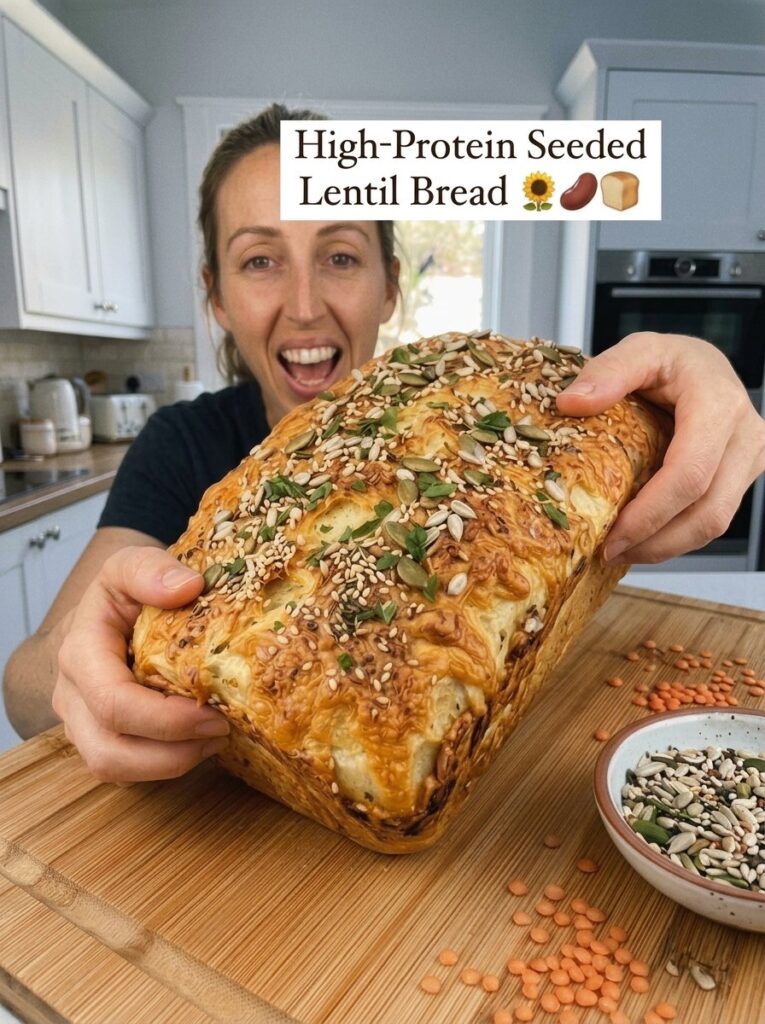
Why You’ll Love This Lentil Bread
There are plenty of “healthy” breads out there, but this one stands out for several reasons:
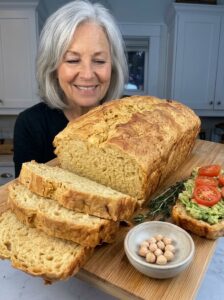
- No flour required. The loaf is built on red lentils, so it is a great option when you want a flourless bread made from whole-food ingredients.
- Packed with plant-based protein. Lentils are one of the most protein-rich legumes, which makes this bread a strong base for a high-protein breakfast or sandwich.
- Rich in fiber and healthy fats. Flaxseed, chia seeds, and the mixed-seed topping add fiber, healthy fats, and plenty of texture.
- Simple, everyday ingredients. Lentils, water, seeds, eggs, baking powder, salt, olive oil, and a splash of lemon juice or apple cider vinegar. That is the whole list.
- Easy to make. The process is straightforward: soak, blend, mix, top, and bake. Most of the time is hands-off.
- Meal-prep friendly. One loaf gives you 10–12 slices that refrigerate and freeze well, so you can toast a slice whenever you need one.
- Versatile. It pairs with sweet and savory toppings alike, from avocado and hummus to nut butter and banana.
What Is Lentil Bread?
Lentil bread is a dense, moist, bread-style loaf made by blending soaked lentils into a batter and baking it, rather than building the structure from wheat flour and gluten. Because lentils contain natural starch and protein, they create a thick batter that sets as it bakes. Eggs, chia seeds, and ground flaxseed act as binders, while baking powder gives the loaf a little lift.
The result is not identical to a fluffy sandwich loaf, and that is part of its charm. Lentil bread is tender and moist inside, slightly earthy and nutty in flavor, and wonderfully satisfying when toasted. If you enjoy hearty seeded breads, you will feel right at home with this one.
Why Red Lentils?
Red lentils are the best choice for this recipe because they are split and hulled, which means they soften quickly and blend into a smooth, creamy batter. They also have a mild flavor that lets the seeds and toppings shine. Green or brown lentils tend to give a grainier texture and a stronger taste, so for the smoothest slices, stick with red lentils.
Ingredients
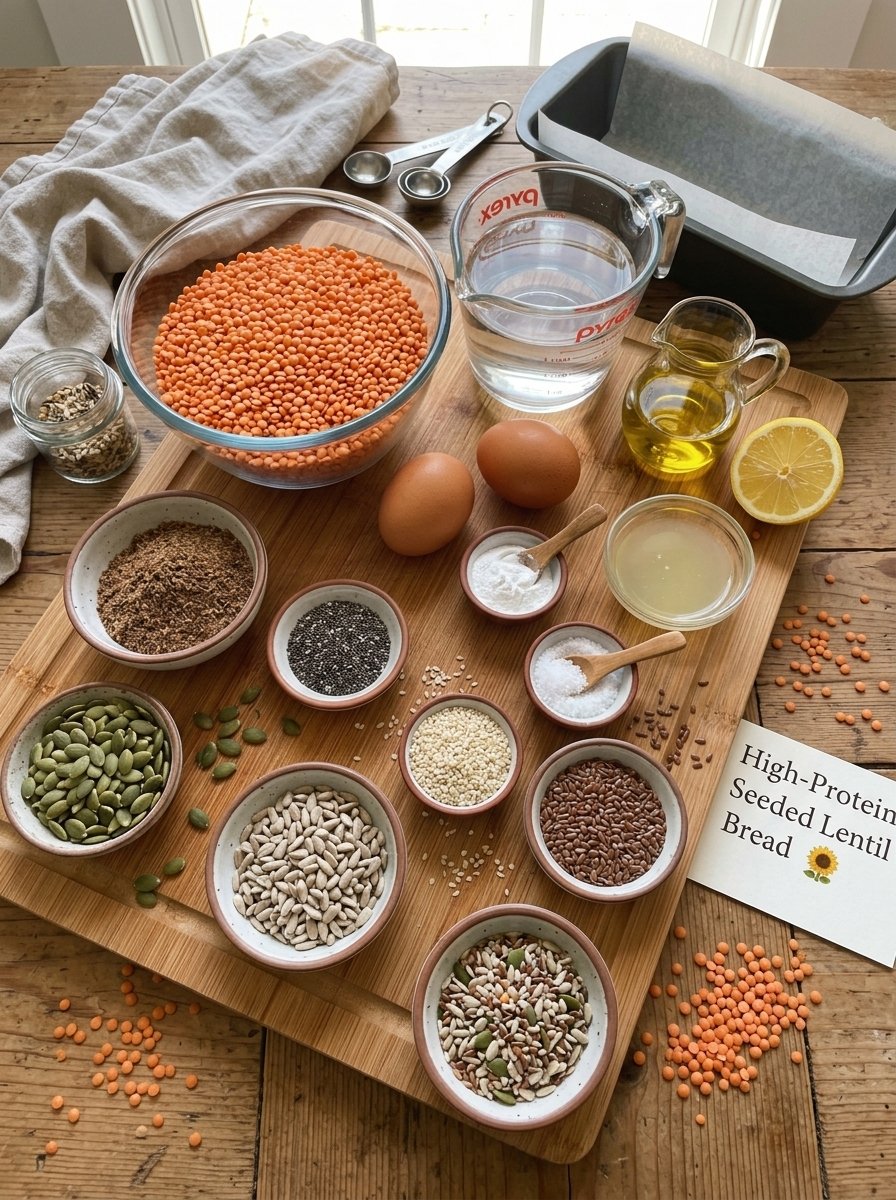
This recipe makes 1 loaf, perfect for slicing and enjoying throughout the week.
For the Bread
- 1½ cups (300 g) dry red lentils
- 1 cup (240 ml) water, for blending as needed (plus extra water for soaking)
- 2 tablespoons (14 g) ground flaxseed
- 1 tablespoon (12 g) chia seeds
- 2 large eggs, to help bind the loaf
- 1½ teaspoons baking powder
- ½ teaspoon salt
- 1 tablespoon (15 ml) olive oil
- 1 tablespoon lemon juice or apple cider vinegar
For the Seeded Topping
- 1 tablespoon sunflower seeds
- 1 tablespoon pumpkin seeds
- 1 teaspoon sesame seeds
- 1 teaspoon flaxseeds
- 1 teaspoon chia seeds, optional
What Each Ingredient Does
Understanding the role of each ingredient makes you a more confident baker and helps you troubleshoot if something goes wrong.
Red lentils form the body of the loaf. Once soaked and blended, they create a thick, starchy batter that sets firm in the oven.
Water is used to blend the lentils into a smooth, thick mixture. You want a batter, not a thin liquid, so add water gradually if your blender struggles.
Ground flaxseed absorbs moisture and becomes gel-like, which helps hold the loaf together and adds fiber and nutty flavor.
Chia seeds also absorb liquid and thicken the batter. Together with flaxseed, they provide structure without any flour.
Eggs are the primary binder. They help the bread keep its shape when sliced and add extra protein and richness.
Baking powder gives the loaf a bit of lift so it does not turn out overly dense. Always use fresh baking powder for the best rise.
Salt brings out the flavor of the lentils and seeds. Without it, the bread can taste flat.
Olive oil adds moisture and a tender crumb, and it helps the loaf release more cleanly from the parchment.
Lemon juice or apple cider vinegar reacts with baking powder to support lift and brightens the earthy flavor of the lentils.
The seed topping adds crunch, visual appeal, and extra nutrition. It also gives each slice a bakery-style look.
How to Make High-Protein Seeded Lentil Bread
Step 1: Soak the Red Lentils
Place the dry red lentils in a large bowl and rinse them thoroughly under cool running water. Rinsing removes excess starch and any dust.
Cover the lentils with plenty of water and soak for 3–4 hours, or overnight in the refrigerator if that is more convenient. The lentils should become softer and easier to blend. Once soaked, drain them well and rinse again. Discard the soaking water rather than using it in the batter.
Step 2: Prepare the Oven and Loaf Pan
Preheat your oven to 350°F (175°C). Line a standard loaf pan, approximately 8 × 4 inches (20 × 10 cm), with parchment paper. Leave a little overhang on the sides so you can lift the finished loaf out easily. Lightly grease any exposed parts of the pan if needed, then set it aside while you prepare the batter.
Step 3: Blend the Lentils
Add the drained, soaked red lentils to a blender or food processor along with the 1 cup (240 ml) of water. Blend until the mixture is smooth and thick, stopping occasionally to scrape down the sides so no large pieces remain.
The mixture should resemble a thick batter rather than a watery liquid. If your blender struggles, pause, scrape the sides, and continue.
Step 4: Add the Bread Ingredients
Transfer the blended lentil mixture to a large mixing bowl. Add the ground flaxseed, chia seeds, eggs, baking powder, salt, olive oil, and lemon juice or apple cider vinegar. Stir until everything is evenly combined.
Let the batter rest for 5–10 minutes so the flaxseed and chia seeds can absorb moisture and thicken the mixture. The batter should be thick but spreadable. If it is extremely runny, give it a little more resting time before moving on.
Step 5: Transfer the Batter to the Pan
Pour the batter into the prepared loaf pan and use a spatula to spread it evenly into the corners. Gently tap the pan on the countertop to release any large air pockets and level the surface. Avoid overfilling the pan, and leave a little space at the top for expansion during baking.
Step 6: Add the Crunchy Seed Topping
In a small bowl, combine the sunflower seeds, pumpkin seeds, sesame seeds, and flaxseeds. Sprinkle the mixture evenly over the top of the batter, then gently press the seeds into the surface with your fingertips or the back of a spoon so they stick during baking.
For extra visual appeal and crunch, distribute the larger pumpkin and sunflower seeds first, then finish with the smaller sesame and flaxseeds.
Step 7: Bake Until Firm and Golden
Place the loaf pan in the preheated oven and bake for approximately 50–65 minutes. The top should look set, the edges should be lightly golden, and the loaf should feel firm rather than wet in the center. Baking time varies depending on your pan, your oven, and the moisture in the lentils.
If the seeds begin browning too quickly, loosely cover the loaf with foil during the final part of baking. Before removing the loaf, check that the center is fully cooked. If it still looks wet or soft in the middle, continue baking in 5–10 minute increments.
Step 8: Cool Completely Before Slicing
Remove the loaf from the oven and let it rest in the pan for about 10–15 minutes. Carefully lift it out using the parchment paper and transfer it to a wire rack. Allow it to cool completely, ideally for another 45–60 minutes.
This cooling time matters. Flourless lentil bread firms up as it cools, so slicing too early can leave you with a crumbly, gummy result.
Step 9: Slice, Serve, and Enjoy
Use a sharp serrated knife to cut the cooled loaf into even slices. Enjoy it plain, lightly toasted, or topped with avocado, hummus, cottage cheese, nut butter, or your favorite savory spread.
Tips for the Best Lentil Bread
A few small habits make a big difference in the final texture:
- Rinse the lentils thoroughly. This removes excess starch and dust before soaking.
- Soak until the lentils soften. Allow at least 3 hours, or soak overnight in the refrigerator. Drain and rinse before blending.
- Blend until smooth. A smooth batter creates a more even texture and prevents a grainy or crumbly loaf.
- Let the seeds absorb moisture. If the mixture seems too thin, rest it for 5–10 minutes before baking.
- Do not skip the binders. Eggs, chia seeds, and ground flaxseed are what help the bread hold its shape when sliced.
- Use fresh baking powder. Old baking powder can lead to a dense loaf.
- Customize the seeds. Swap the topping for hemp seeds, poppy seeds, or extra sunflower seeds.
- Check the center. Lentil bread can look browned outside while still moist inside. Bake until the center is set.
- Cool completely before slicing. Patience gives you clean, sturdy slices.
Troubleshooting Common Problems
My lentil bread is gummy in the middle
This almost always means it needs more baking time or more cooling time. Return the loaf to the oven in 5–10 minute increments until the center feels firm, and always let it cool fully before cutting.
My loaf is crumbly
Crumbling usually comes from an under-blended batter, too little binder, or slicing while the loaf is still warm. Blend the lentils until completely smooth, measure the flax and chia accurately, and let the loaf cool on a wire rack.
The loaf did not rise much
Lentil bread will never rise like a wheat loaf, but old baking powder can make it even denser. Use fresh baking powder and do not skip the lemon juice or vinegar, which supports the rise.
The batter is too thin
Let it rest for 5–10 minutes so the flax and chia can thicken it. If it is still very runny, give it a little longer. Next time, add water more gradually while blending.
The seeds are browning too fast
Tent the loaf loosely with foil for the final portion of baking. This protects the topping while the center finishes cooking.
The bread sticks to the pan
Always line the pan with parchment paper and leave an overhang so you can lift the loaf out without tearing it.
Variations to Try
Once you have mastered the base recipe, there are many ways to make it your own.
- Seed swap: Replace the topping with hemp seeds, poppy seeds, or extra sunflower seeds.
- Herby loaf: Stir dried oregano, thyme, or Italian seasoning into the batter for a savory twist.
- Garlic and onion: Add a little garlic powder or onion powder for a more bread-like savory flavor.
- Everything-bagel style: Top the loaf with an everything-bagel seasoning blend instead of the seed mix.
- Spiced version: Add a pinch of cumin or smoked paprika for a warm, earthy flavor that pairs well with soups and stews.
- Cheesy lentil bread: Fold a handful of shredded cheese into the batter or sprinkle some on top during the last few minutes of baking.
Keep in mind that changes to the wet and dry ingredients can affect the texture, so make one adjustment at a time.
Serving Ideas
This versatile loaf works at every meal:
- Avocado toast: Top a toasted slice with mashed avocado, lemon juice, black pepper, and chili flakes.
- High-protein breakfast: Serve with eggs, cottage cheese, or plain Greek yogurt on the side.
- Hummus and vegetables: Spread hummus over a slice and add cucumber, tomato, and fresh herbs.
- Open-faced sandwiches: Add sliced chicken, tuna, cheese, or roasted vegetables for a filling lunch.
- Nut butter toast: Spread with peanut or almond butter and add banana slices for a sweet option.
- Soup companion: Serve a warm slice alongside lentil soup, vegetable soup, or a hearty stew.
- Simple snack: Toast a slice and enjoy it with olive oil, herbs, or your favorite spread.
How to Store Lentil Bread
Because this is a moist, flourless bread made with lentils and eggs, proper storage is important.
At room temperature: It is best not to leave this bread out for extended periods. Cool it completely and refrigerate within 2 hours of baking.
In the refrigerator: Store slices in an airtight container for up to 4 days. Separate the slices with parchment paper if you want to remove them individually.
In the freezer: Slice the fully cooled loaf and place parchment paper between the slices. Store in a freezer-safe bag or airtight container for up to 2–3 months for the best quality.
To reheat: Toast refrigerated slices until warm and lightly crisp around the edges. For frozen slices, toast directly from frozen, adding extra time as needed.
Helpful tip: Toasting brings out the nutty flavor of the seeds and gives the soft lentil bread a firmer, more satisfying texture.
Why This Bread Is a Smart Addition to Your Routine
Lentils are a staple of plant-forward eating because they offer protein, fiber, and a range of minerals in a budget-friendly package. Turning them into a bread makes them easy to enjoy in a new way, especially if you are looking for a flourless or wheat-free option built from whole ingredients.
The seeds in this recipe do double duty. Flaxseed and chia help bind the loaf, while the sunflower, pumpkin, and sesame seeds on top contribute healthy fats, crunch, and flavor. Combined with eggs, you get a loaf that feels substantial and keeps you satisfied, which makes it a practical choice for busy mornings, packed lunches, and post-workout snacks.
If you have specific dietary needs, such as managing allergies or following a medical diet, check the ingredients against your requirements and consult a qualified professional when needed. Eggs and sesame seeds, for example, are common allergens.
Recipe Details
- Prep time: 15 minutes
- Soaking time: 3–4 hours, or overnight
- Resting time: 5–10 minutes for the batter, plus cooling time
- Baking time: 50–65 minutes
- Total time: Approximately 4 hours 20 minutes to 5 hours 30 minutes, including a 3–4 hour soak and cooling; longer if soaked overnight
- Yield: 1 loaf, approximately 10–12 slices
- Difficulty: Easy
- Cooking method: Oven-baked
- Texture: Moist, hearty, and tender inside, with a crunchy mixed-seed topping
Frequently Asked Questions
Is lentil bread really high in protein?
Lentils are naturally rich in plant-based protein, and this recipe adds eggs and seeds, which contribute even more. The exact amount depends on your ingredients and how thickly you slice the loaf, so check labels or use a nutrition calculator if you are tracking numbers.
Do I have to soak the lentils?
Yes. Soaking softens the lentils so they blend into a smooth batter, which is the key to a good texture. Plan for at least 3 hours, or soak them overnight in the refrigerator.
Can I use green or brown lentils instead of red?
Red lentils give the smoothest, mildest result. Green or brown lentils can work, but they usually produce a grainier loaf with a stronger flavor and may need a longer soak.
Can I make this recipe vegan?
The eggs are the main binder here, so this version is not vegan. Replacing them would change the structure of the loaf, so treat any egg substitute as an experiment and expect a different texture.
Is this lentil bread gluten-free?
The recipe contains no wheat flour, so it is flourless. If you need to avoid gluten for medical reasons, make sure your lentils, seeds, and baking powder are labeled gluten-free, since cross-contamination can occur during processing.
Why is my lentil bread wet inside?
Usually it simply needs more time in the oven or a longer cooling period. Bake in 5–10 minute increments until the center is set, then cool fully before slicing.
Can I freeze lentil bread?
Yes. Slice the fully cooled loaf, place parchment paper between slices, and freeze in an airtight bag or container for up to 2–3 months. Toast slices straight from frozen.
How long does lentil bread last in the fridge?
Stored in an airtight container, slices keep for up to 4 days.
What is the best way to eat lentil bread?
Toasted. Toasting firms up the texture and brings out the nutty flavor of the seeds. Top it with avocado, hummus, nut butter, or serve it alongside soup.
Can I make the batter ahead of time?
It is best to bake the batter soon after mixing, since the baking powder starts working once it meets the acid. You can, however, soak the lentils the night before to save time.
Final Thoughts
This High-Protein Seeded Lentil Bread proves that a satisfying loaf does not need traditional flour. With just a handful of simple ingredients, a little planning for the soak, and some patience while it cools, you get a hearty, nutty, seed-topped bread that is ready for toast, sandwiches, and snacks all week long.
Make a loaf this weekend, slice it, freeze what you will not eat, and enjoy a ready-to-toast, protein-rich bread whenever you need it. If you try it, experiment with the seed toppings and savory add-ins until it becomes your own signature loaf.
Print
High-Protein Seeded Lentil Bread
Ingredients
This recipe makes 1 loaf, perfect for slicing and enjoying throughout the week.
For the Bread
- 1½ cups (300 g) dry red lentils
- 1 cup (240 ml) water, for blending as needed (plus extra water for soaking)
- 2 tablespoons (14 g) ground flaxseed
- 1 tablespoon (12 g) chia seeds
- 2 large eggs, to help bind the loaf
- 1½ teaspoons baking powder
- ½ teaspoon salt
- 1 tablespoon (15 ml) olive oil
- 1 tablespoon lemon juice or apple cider vinegar
For the Seeded Topping
- 1 tablespoon sunflower seeds
- 1 tablespoon pumpkin seeds
- 1 teaspoon sesame seeds
- 1 teaspoon flaxseeds
- 1 teaspoon chia seeds, optional
Instructions
Place the dry red lentils in a large bowl and rinse them thoroughly under cool running water. Rinsing removes excess starch and any dust.
Cover the lentils with plenty of water and soak for 3–4 hours, or overnight in the refrigerator if that is more convenient. The lentils should become softer and easier to blend. Once soaked, drain them well and rinse again. Discard the soaking water rather than using it in the batter.
Preheat your oven to 350°F (175°C). Line a standard loaf pan, approximately 8 × 4 inches (20 × 10 cm), with parchment paper. Leave a little overhang on the sides so you can lift the finished loaf out easily. Lightly grease any exposed parts of the pan if needed, then set it aside while you prepare the batter.
Add the drained, soaked red lentils to a blender or food processor along with the 1 cup (240 ml) of water. Blend until the mixture is smooth and thick, stopping occasionally to scrape down the sides so no large pieces remain.
The mixture should resemble a thick batter rather than a watery liquid. If your blender struggles, pause, scrape the sides, and continue.
Transfer the blended lentil mixture to a large mixing bowl. Add the ground flaxseed, chia seeds, eggs, baking powder, salt, olive oil, and lemon juice or apple cider vinegar. Stir until everything is evenly combined.
Let the batter rest for 5–10 minutes so the flaxseed and chia seeds can absorb moisture and thicken the mixture. The batter should be thick but spreadable. If it is extremely runny, give it a little more resting time before moving on.
Pour the batter into the prepared loaf pan and use a spatula to spread it evenly into the corners. Gently tap the pan on the countertop to release any large air pockets and level the surface. Avoid overfilling the pan, and leave a little space at the top for expansion during baking.
In a small bowl, combine the sunflower seeds, pumpkin seeds, sesame seeds, and flaxseeds. Sprinkle the mixture evenly over the top of the batter, then gently press the seeds into the surface with your fingertips or the back of a spoon so they stick during baking.
For extra visual appeal and crunch, distribute the larger pumpkin and sunflower seeds first, then finish with the smaller sesame and flaxseeds.
Place the loaf pan in the preheated oven and bake for approximately 50–65 minutes. The top should look set, the edges should be lightly golden, and the loaf should feel firm rather than wet in the center. Baking time varies depending on your pan, your oven, and the moisture in the lentils.
If the seeds begin browning too quickly, loosely cover the loaf with foil during the final part of baking. Before removing the loaf, check that the center is fully cooked. If it still looks wet or soft in the middle, continue baking in 5–10 minute increments.
Remove the loaf from the oven and let it rest in the pan for about 10–15 minutes. Carefully lift it out using the parchment paper and transfer it to a wire rack. Allow it to cool completely, ideally for another 45–60 minutes.
This cooling time matters. Flourless lentil bread firms up as it cools, so slicing too early can leave you with a crumbly, gummy result.
Use a sharp serrated knife to cut the cooled loaf into even slices. Enjoy it plain, lightly toasted, or topped with avocado, hummus, cottage cheese, nut butter, or your favorite savory spread.