High-Protein Zucchini Cottage Cheese Flagels: Chewy, Savory & No-Yeast Easy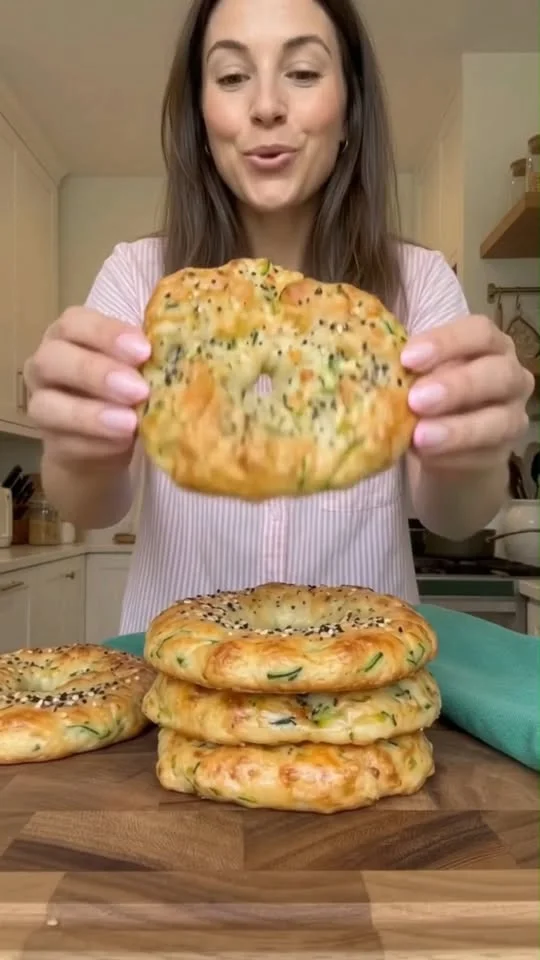
SEO title: High-Protein Zucchini Cottage Cheese Flagels Recipe (No Yeast, Easy)
Meta description: Make chewy, savory high-protein zucchini cottage cheese flagels with no yeast and no rising time. Easy flat bagel recipe with tips, variations, nutrition, storage, and FAQ.
Focus keyword: zucchini cottage cheese flagels
Secondary keywords: high-protein flagels, cottage cheese bagels, no-yeast bagels, zucchini bagels, flat bagels, self-rising flour bagels, healthy bagel recipe, high-protein breakfast, meal prep bagels
Bagels are a breakfast classic, but they can be heavy, time-consuming, and light on protein. If you love the chewy, savory appeal of a bagel but want something lighter, quicker, and more filling, these zucchini cottage cheese flagels are a smart answer. A flagel is a flat bagel: thick enough to have a soft center, flat enough to toast beautifully, and perfect for stacking with fillings.
This version is made with protein-rich cottage cheese, fresh grated zucchini, self-rising flour, and a few simple seasonings. There is no yeast, no boiling, and no rising time. You mix the dough, shape six flagels, brush them with egg wash, add your favorite toppings, and bake. In about 45 minutes you have golden, chewy, savory bagels that work for breakfast sandwiches, lunch, or a satisfying snack.
In this guide you will find the full recipe, step-by-step instructions, an explanation of how each ingredient works, tips for the best chewy texture, troubleshooting advice, creative variations, serving ideas, storage and freezing instructions, estimated nutrition, and answers to the questions home bakers ask most often about cottage cheese bagels.
What Are Flagels?
A flagel is a flattened bagel. Traditional bagels are thick, round, and dense, and they are usually made with a yeast dough that is boiled before baking. A flagel is shaped into a thick, flat disc with a hole in the center, which gives it a larger surface area for toppings and makes it easier to slice, toast, and fill. Because the dough is flatter, it bakes more evenly and has a good ratio of crisp, golden exterior to soft interior.
This recipe takes the flagel idea and simplifies it. Instead of a yeast dough, it uses a quick dough of cottage cheese, egg, and self-rising flour, which is similar to the popular Greek-yogurt style bagels but with cottage cheese for extra protein and a slightly softer texture.
Why You’ll Love These Zucchini Cottage Cheese Flagels
There are many bagel alternatives, so what makes these worth baking? Here are the main reasons.
- High in protein. Cottage cheese and egg boost the protein, making each flagel more filling than a typical bagel.
- No yeast and no rising. The dough comes together in minutes and goes straight into the oven.
- Hidden vegetables. Grated zucchini adds moisture and a serving of vegetables without an obvious vegetable flavor.
- Savory and flavorful. Garlic powder, onion powder, oregano, and black pepper give the flagels a satisfying, bagel-shop-style taste.
- Chewy outside, soft inside. Egg wash and a hot oven create a golden exterior and a tender center.
- Great for meal prep. They keep well in the refrigerator and freezer, so you can batch-bake for the week.
- Customizable. Top them with sesame seeds, everything bagel seasoning, or Parmesan, or mix cheese and herbs into the dough.
Recipe Overview
- Prep time: 15 minutes
- Bake time: 25 to 30 minutes
- Total time: Approximately 45 minutes
- Yield: 6 flagels
- Difficulty: Easy
Ingredients for Zucchini Cottage Cheese Flagels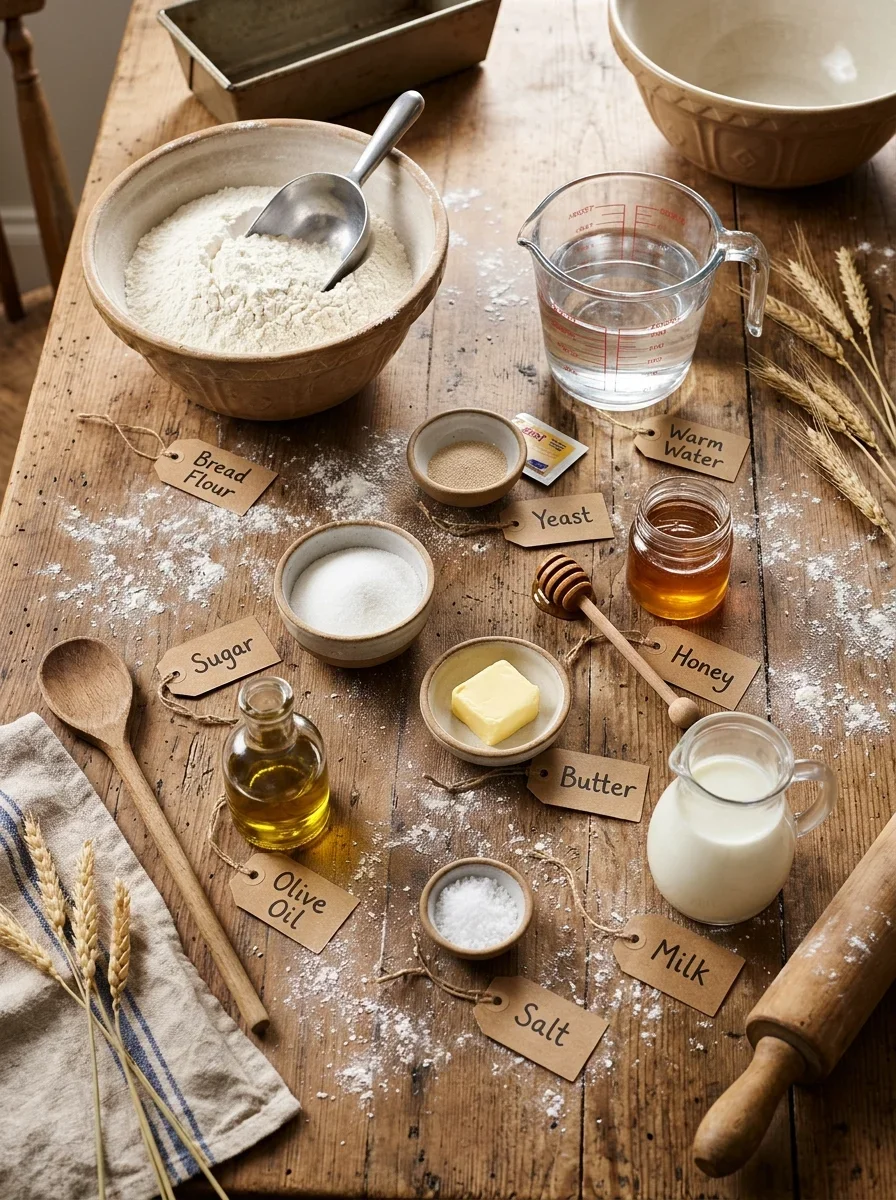
For the dough
- 1 cup (225 g) cottage cheese
- 1 medium zucchini (about 180 to 200 g), finely grated
- 2 cups (250 g) self-rising flour
- 1 large egg
- ½ teaspoon garlic powder
- ½ teaspoon onion powder
- ½ teaspoon dried oregano or Italian seasoning
- ¼ teaspoon black pepper
- ½ teaspoon salt, adjusted to taste
For the topping
- 1 egg, beaten, for egg wash
- 2 tablespoons sesame seeds
- 1 tablespoon everything bagel seasoning (optional)
- 2 tablespoons grated Parmesan cheese (optional)
A Closer Look at the Key Ingredients
Cottage cheese. Cottage cheese is the protein-rich base of the dough. It adds moisture, a mild tang, and tenderness, and it replaces much of the fat and liquid you would normally use. Thicker, creamier cottage cheese gives the best texture. If yours is very watery, drain it briefly before mixing.
Zucchini. Zucchini has a very mild flavor and a high water content. Finely grated zucchini blends into the dough and adds moisture and a little color. The key is to squeeze out as much liquid as possible so the dough does not become sticky.
Self-rising flour. Self-rising flour already contains baking powder and salt, which is what lets this dough rise without yeast. It creates a lighter, softer crumb than plain flour would in a no-yeast recipe.
Egg. The egg binds the dough, adds protein, and contributes structure. A second beaten egg is used as the wash that gives the tops a glossy golden finish and helps the toppings stick.
Garlic powder, onion powder, oregano, and black pepper. These seasonings give the flagels their savory, bagel-shop flavor. Dried oregano or Italian seasoning adds a gentle herbal note.
Salt. Even though self-rising flour contains some salt, a little extra seasoning brings out the flavor of the cheese and vegetables. Adjust to taste.
Toppings. Sesame seeds, everything bagel seasoning, and Parmesan cheese all add flavor and a pleasing crunchy, savory crust.
How to Make Zucchini Cottage Cheese Flagels: Step by Step
Step 1: Prepare the Zucchini
Wash and finely grate the zucchini using a box grater.
Place the grated zucchini in a clean kitchen towel and squeeze firmly to remove as much liquid as possible.
This step is essential. Zucchini contains a lot of water, and excess moisture can make the dough sticky and prevent the flagels from becoming chewy.
Step 2: Prepare the Cottage Cheese
Add the cottage cheese to a mixing bowl.
For a smoother dough, blend the cottage cheese briefly until creamy. This is optional, but it helps create a more even texture.
Blending removes the visible curds, which is helpful if you or your family prefer a smoother, more bagel-like crumb.
Step 3: Mix the Dough
Add the egg, squeezed zucchini, garlic powder, onion powder, oregano, black pepper, and salt.
Stir until combined.
Add the self-rising flour gradually and mix with a spoon or spatula until a soft dough forms.
The dough should be slightly tacky but manageable. If it feels excessively sticky, add a little flour, one tablespoon at a time.
Step 4: Shape the Flagels
Preheat the oven to 375°F (190°C).
Line a baking tray with parchment paper.
Lightly flour your hands and divide the dough into 6 equal portions.
Roll each portion into a ball, then gently flatten it into a thick round disc, approximately ½ to ¾ inch (1.5 to 2 cm) thick.
Make a small hole in the center of each disc using your finger or the handle of a wooden spoon.
Gently widen the hole to create the classic flagel shape.
The hole will shrink slightly as the flagels bake, so make it a little larger than you think you need.
Step 5: Add the Toppings
Arrange the flagels on the prepared baking tray, leaving space between them.
Brush the tops lightly with beaten egg.
Sprinkle with sesame seeds, everything bagel seasoning, or Parmesan cheese.
For extra flavor, you can combine sesame seeds and Parmesan.
Step 6: Bake Until Golden
Bake for 25 to 30 minutes, or until the flagels are puffed, firm, and beautifully golden.
If they need additional color, switch to the broiler for 1 to 2 minutes, watching carefully to prevent burning.
The centers should be fully cooked, not wet or doughy.
Step 7: Cool and Serve
Remove the flagels from the oven and let them rest on the baking tray for about 5 minutes.
Transfer to a wire rack and allow them to cool slightly before slicing.
For an extra-chewy texture, slice them in half and toast lightly before serving.
Why Squeezing the Zucchini Matters
Of all the steps in this recipe, squeezing the zucchini is the one that makes the biggest difference. Raw zucchini is mostly water, and as the flagels bake, that water has to go somewhere. If it stays in the dough, it turns to steam inside the flagel, which can leave the center gummy and the exterior soft rather than firm and chewy.
To squeeze the zucchini effectively, grate it finely, pile it in the center of a clean kitchen towel, gather the corners, and twist while pressing firmly over a sink or bowl. Keep squeezing until only a few drops come out. You will be surprised how much liquid is hiding in a single zucchini. The result is a dry, fluffy pile of zucchini that blends into the dough without making it wet, and a flagel with a much better bite.
Tips for Perfect Zucchini Flagels
A few simple habits make the difference between good flagels and great ones.
- Squeeze the zucchini thoroughly. Removing excess moisture is the most important step for a firm, chewy texture.
- Use thick cottage cheese. If yours is particularly watery, drain it briefly before mixing.
- Blend the cottage cheese. This creates a smoother dough and more uniform texture.
- Add flour gradually. Different cottage cheese brands contain different amounts of moisture.
- Do not make them too thin. Flagels should be flatter than traditional bagels but still thick enough to have a soft center.
- Season generously. Garlic, onion, herbs, and black pepper give these flagels a delicious savory flavor.
- Avoid overbaking. Bake until golden and cooked through to prevent them from becoming dry.
- Toast before serving. A quick toast gives the cut sides a lovely texture.
Troubleshooting Common Problems
The dough is too sticky. The most likely cause is zucchini that was not squeezed enough, or very wet cottage cheese. Add a little flour, one tablespoon at a time, and flour your hands lightly when shaping. Next time, squeeze the zucchini more firmly and drain the cottage cheese briefly.
The dough is too dry or crumbly. Cottage cheese brands vary in moisture. Add a spoonful of extra cottage cheese, and avoid adding too much flour.
The flagels are doughy in the center. They may need more baking time, or they may have been shaped too thick. Make sure they are about ½ to ¾ inch (1.5 to 2 cm) thick and bake until the centers are fully cooked.
The flagels are dry. They may have been overbaked. Bake until golden and cooked through, and check toward the end of the baking time.
The flagels did not brown. Make sure the oven is fully preheated and the tops are brushed with egg wash. For extra color, switch to the broiler for 1 to 2 minutes, watching carefully.
The holes closed up. Dough expands as it bakes, so make the holes a little larger than you think you need and widen them gently after cutting.
The toppings fell off. Brush the tops with egg wash before adding the toppings, and press them gently into the dough.
Delicious Variations
Cheddar Zucchini Flagels. Add ½ cup (50 to 60 g) of shredded cheddar cheese to the dough.
Mediterranean Flagels. Add 2 tablespoons of chopped olives, 1 tablespoon of chopped parsley, and a little crumbled feta. Reduce the added salt because feta and olives are already salty.
Everything Bagel Flagels. Mix everything bagel seasoning into the dough and sprinkle more on top before baking.
Spicy Garlic Flagels. Add ¼ to ½ teaspoon of chili flakes and an extra pinch of garlic powder.
Herb and Parmesan Flagels. Add 2 tablespoons of grated Parmesan and 1 teaspoon of dried Italian herbs.
Extra-Protein Version. Replace ¼ cup of the flour with unflavored protein powder designed for baking. Add a little extra cottage cheese if the dough becomes too dry, and expect a slightly different texture.
Serving Ideas
These flagels are versatile enough for breakfast, lunch, or a snack. Try them in these ways:
- Slice and fill with smoked salmon, cream cheese, and cucumber.
- Spread with whipped cottage cheese and fresh herbs.
- Make a breakfast sandwich with scrambled eggs and avocado.
- Fill with turkey, chicken, lettuce, and tomato.
- Serve warm with hummus or tzatziki.
- Top with cream cheese, sliced tomatoes, and black pepper.
- Enjoy toasted with a little butter or olive oil.
Because the flagels are flatter than a standard bagel, they make excellent open-faced sandwiches, and they fit easily in a toaster.
Storage and Freezing
Refrigerator. Once completely cool, store in an airtight container for up to 4 days.
Freezer. Slice the cooled flagels in half, place parchment paper between them if stacking, and freeze in a sealed freezer bag for up to 2 months.
Reheating. Toast refrigerated or frozen halves until warm and lightly crisp. You can also reheat them in an oven or air fryer at 325°F (160°C) for a few minutes.
Because these flagels contain egg, cottage cheese, and vegetables, store them in the refrigerator rather than leaving them out at room temperature for long periods.
Approximate Nutrition
Per flagel, assuming 6 portions and the basic recipe without optional cheese toppings:
- Calories: 190 to 220
- Protein: 10 to 13 g
- Carbohydrates: 27 to 31 g
- Fat: 4 to 6 g
- Fiber: 1 to 2 g
These are estimates. Actual values depend on the cottage cheese, flour, egg size, and portion weight. For more accurate nutrition, calculate using the specific products you use.
Frequently Asked Questions
What is a flagel?
A flagel is a flat bagel. It is shaped into a thick disc with a hole in the center, which makes it easier to slice, toast, and fill than a standard round bagel.
Do I need yeast for these flagels?
No. The self-rising flour contains baking powder, so the dough rises without yeast and needs no resting time.
Can I use all-purpose flour instead of self-rising flour?
Self-rising flour is recommended because it already contains baking powder and salt. If you only have all-purpose flour, you would need to add a leavening agent, and results may vary.
Do I have to squeeze the zucchini?
Yes. This is the most important step. Excess moisture can make the dough sticky and prevent the flagels from becoming chewy.
Do I need to blend the cottage cheese?
No, it is optional. Blending creates a smoother dough and a more even texture, but you can leave the curds as they are.
Can I use low-fat or full-fat cottage cheese?
Both work. Choose a thick cottage cheese, and drain it briefly if it is particularly watery.
How do I know when they are done?
The flagels should be puffed, firm, and golden, and the centers should be fully cooked, not wet or doughy.
Can I make them ahead?
Yes. Store them in an airtight container in the refrigerator for up to 4 days, or freeze them for up to 2 months.
Can I freeze zucchini flagels?
Yes. Slice the cooled flagels in half, separate with parchment paper if stacking, and freeze in a sealed freezer bag for up to 2 months. Toast them straight from the freezer.
Can I make them spicy or cheesy?
Yes. Add chili flakes and extra garlic for heat, or mix shredded cheddar or Parmesan into the dough for a cheesier flagel.
Final Thoughts
These high-protein zucchini cottage cheese flagels are savory, satisfying, and wonderfully versatile. With their golden tops, chewy edges, and soft centers, they are a delicious way to enjoy homemade bread with a little extra protein and a serving of vegetables. They need no yeast and no rising time, so they fit easily into a busy day.
Perfect for meal prep, breakfast sandwiches, or a wholesome snack. Bake a batch this weekend, freeze a few halves, and enjoy chewy, savory flagels all week.
Print
High-Protein Zucchini Cottage Cheese Flagels – Chewy, Savory & Delicious
Ingredients
For the dough
- 1 cup (225 g) cottage cheese
- 1 medium zucchini (about 180 to 200 g), finely grated
- 2 cups (250 g) self-rising flour
- 1 large egg
- ½ teaspoon garlic powder
- ½ teaspoon onion powder
- ½ teaspoon dried oregano or Italian seasoning
- ¼ teaspoon black pepper
- ½ teaspoon salt, adjusted to taste
For the topping
- 1 egg, beaten, for egg wash
- 2 tablespoons sesame seeds
- 1 tablespoon everything bagel seasoning (optional)
- 2 tablespoons grated Parmesan cheese (optional)
A Closer Look at the Key Ingredients
Cottage cheese. Cottage cheese is the protein-rich base of the dough. It adds moisture, a mild tang, and tenderness, and it replaces much of the fat and liquid you would normally use. Thicker, creamier cottage cheese gives the best texture. If yours is very watery, drain it briefly before mixing.
Zucchini. Zucchini has a very mild flavor and a high water content. Finely grated zucchini blends into the dough and adds moisture and a little color. The key is to squeeze out as much liquid as possible so the dough does not become sticky.
Self-rising flour. Self-rising flour already contains baking powder and salt, which is what lets this dough rise without yeast. It creates a lighter, softer crumb than plain flour would in a no-yeast recipe.
Egg. The egg binds the dough, adds protein, and contributes structure. A second beaten egg is used as the wash that gives the tops a glossy golden finish and helps the toppings stick.
Garlic powder, onion powder, oregano, and black pepper. These seasonings give the flagels their savory, bagel-shop flavor. Dried oregano or Italian seasoning adds a gentle herbal note.
Salt. Even though self-rising flour contains some salt, a little extra seasoning brings out the flavor of the cheese and vegetables. Adjust to taste.
Toppings. Sesame seeds, everything bagel seasoning, and Parmesan cheese all add flavor and a pleasing crunchy, savory crust.
Instructions
Wash and finely grate the zucchini using a box grater.
Place the grated zucchini in a clean kitchen towel and squeeze firmly to remove as much liquid as possible.
This step is essential. Zucchini contains a lot of water, and excess moisture can make the dough sticky and prevent the flagels from becoming chewy.
Add the cottage cheese to a mixing bowl.
For a smoother dough, blend the cottage cheese briefly until creamy. This is optional, but it helps create a more even texture.
Blending removes the visible curds, which is helpful if you or your family prefer a smoother, more bagel-like crumb.
Add the egg, squeezed zucchini, garlic powder, onion powder, oregano, black pepper, and salt.
Stir until combined.
Add the self-rising flour gradually and mix with a spoon or spatula until a soft dough forms.
The dough should be slightly tacky but manageable. If it feels excessively sticky, add a little flour, one tablespoon at a time.
Preheat the oven to 375°F (190°C).
Line a baking tray with parchment paper.
Lightly flour your hands and divide the dough into 6 equal portions.
Roll each portion into a ball, then gently flatten it into a thick round disc, approximately ½ to ¾ inch (1.5 to 2 cm) thick.
Make a small hole in the center of each disc using your finger or the handle of a wooden spoon.
Gently widen the hole to create the classic flagel shape.
The hole will shrink slightly as the flagels bake, so make it a little larger than you think you need.
Arrange the flagels on the prepared baking tray, leaving space between them.
Brush the tops lightly with beaten egg.
Sprinkle with sesame seeds, everything bagel seasoning, or Parmesan cheese.
For extra flavor, you can combine sesame seeds and Parmesan.
Bake for 25 to 30 minutes, or until the flagels are puffed, firm, and beautifully golden.
If they need additional color, switch to the broiler for 1 to 2 minutes, watching carefully to prevent burning.
The centers should be fully cooked, not wet or doughy.
Remove the flagels from the oven and let them rest on the baking tray for about 5 minutes.
Transfer to a wire rack and allow them to cool slightly before slicing.
For an extra-chewy texture, slice them in half and toast lightly before serving.