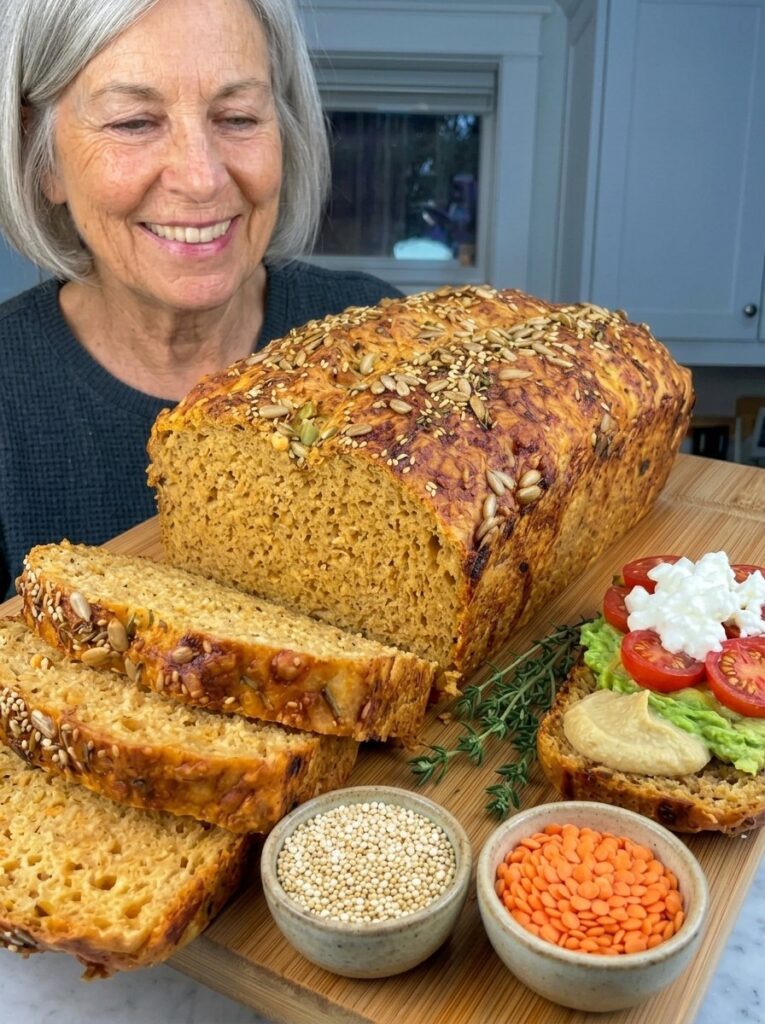
Red Lentil Quinoa Bread (Gluten-Free): The Hearty, Protein-Packed Loaf You Need to Try
If you’ve been searching for a gluten-free bread recipe that doesn’t rely on a dozen hard-to-find flours, gums, or store-bought blends, this Red Lentil Quinoa Bread is about to become your new go-to. Made with just two whole-food staples — red lentils and quinoa — this loaf is naturally gluten-free, packed with plant-based protein, and has a satisfying, hearty texture that holds up beautifully to toasting, sandwich-building, and everything in between.
Unlike many gluten-free breads that lean on rice flour, tapioca starch, or xanthan gum to mimic the structure of wheat bread, this recipe takes a completely different approach. By soaking and blending raw red lentils and quinoa into a smooth batter, you get a naturally binding, nutrient-dense bread with zero processed flours and a lightly nutty flavor that pairs well with both sweet and savory toppings.
Whether you’re managing a gluten intolerance, looking to boost your plant-based protein intake, or simply want a healthier alternative to store-bought sandwich bread, this recipe checks every box. Let’s dive into why this bread works, how to make it, and all the ways you can enjoy it.
Why You’ll Love This Red Lentil Quinoa Bread
There’s a lot to love about this recipe, and it goes beyond just being gluten-free.
It’s made with just a handful of simple ingredients. No specialty flour blends, no yeast, no complicated proofing process. Just red lentils, quinoa, water, olive oil, baking powder, and salt.
It’s naturally gluten-free and grain-flour-free. Because the base is made from soaked and blended legumes and pseudocereal, there’s no wheat, barley, or rye involved — and no need for a store-bought gluten-free flour blend either.
It’s packed with plant-based protein and fiber. Red lentils and quinoa are both excellent sources of plant protein, making this bread far more filling and nutritionally dense than typical white or even whole wheat sandwich bread.
It has a wonderfully hearty texture. The combination of blended lentils and quinoa creates a tender yet substantial crumb — not gummy, not crumbly, but satisfyingly dense in the best way.
It’s incredibly versatile. Toast it, sandwich it, dip it into soup, or eat it plain. This bread adapts to breakfast, lunch, dinner, and snack time with ease.
It’s freezer-friendly and great for meal prep. Slice, freeze, and toast individual pieces whenever you need them — no thawing an entire loaf required.
The Star Ingredients: Red Lentils and Quinoa
Understanding why this bread works starts with understanding its two main ingredients.
Red Lentils
Red lentils are small, quick-cooking legumes known for their mild, slightly sweet, nutty flavor. They’re an excellent source of plant-based protein and fiber, and because they soften so easily during soaking, they blend into an ultra-smooth batter that helps bind the bread together — no eggs or gluten required. Red lentils also lend a subtle golden-orange hue to the finished loaf.
Quinoa
Quinoa is technically a seed, not a grain, which is part of why it works so well in gluten-free baking. It’s a complete protein, meaning it contains all nine essential amino acids, and it adds a light, nutty flavor along with a pleasant, slightly chewy texture once blended and baked. Soaking the quinoa (and optionally toasting it beforehand) enhances its nutty notes even further.
Together, red lentils and quinoa create a nutritional powerhouse duo: high in protein, rich in fiber, and naturally free of gluten, dairy, and refined flour.
Ingredients You’ll Need
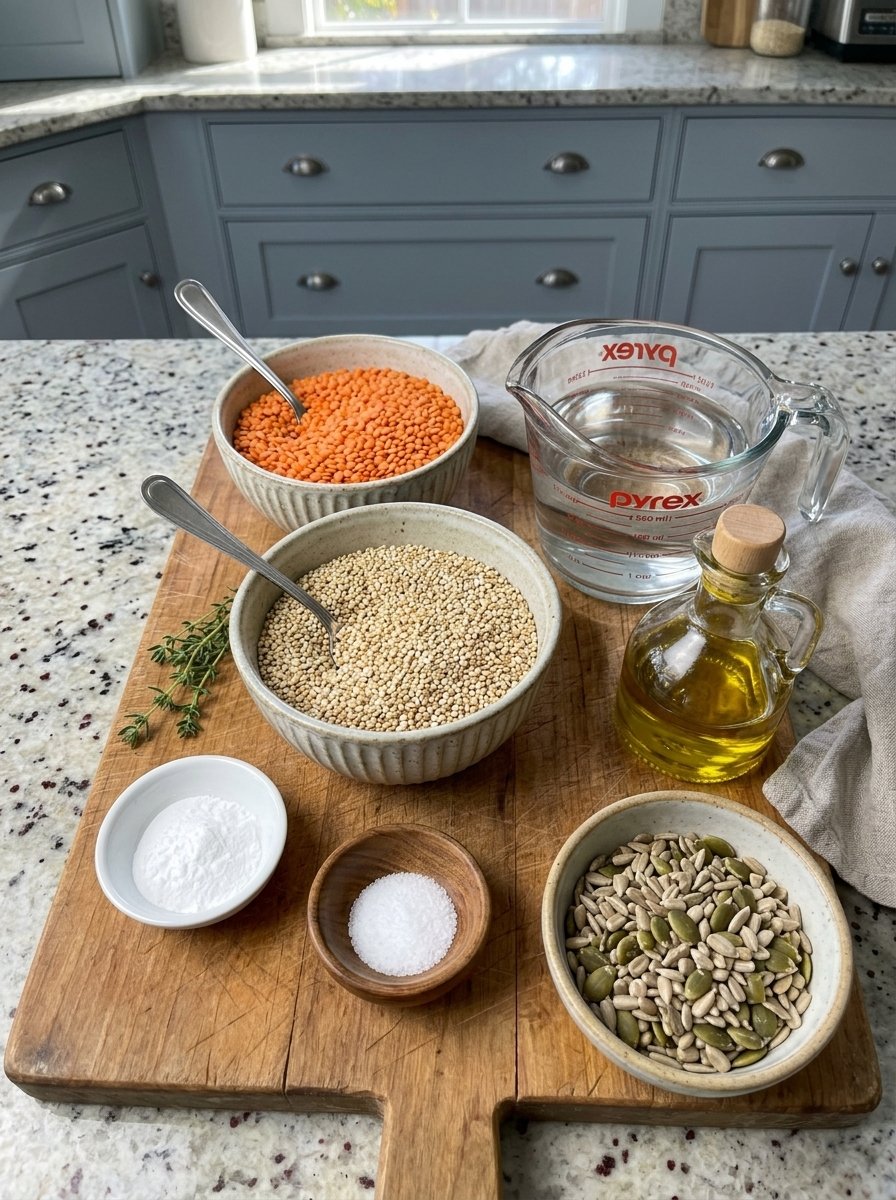
This recipe keeps things refreshingly simple. Here’s what goes into the batter:
- 1 cup (190 g) dry red lentils — the protein-rich base of the bread
- 1 cup (170 g) uncooked quinoa — adds structure, nuttiness, and additional protein
- 1½ cups (360 ml) water — helps blend the mixture into a smooth, thick batter (plus more for soaking)
- 2 tablespoons olive oil — adds moisture and richness to the crumb
- 1 teaspoon baking powder — helps the loaf rise slightly and stay light
- ½ teaspoon salt — balances and enhances the overall flavor
That’s it — six ingredients, no flour, no eggs, no yeast, and no gluten-free flour blend required.
How to Make Red Lentil Quinoa Bread
This bread comes together in five straightforward steps. The most important thing to remember is that soaking time is essential — it’s what allows the lentils and quinoa to blend into a smooth, bread-like batter.
Step 1: Soak the Lentils and Quinoa
Start by placing the red lentils and quinoa in separate bowls. Rinse each thoroughly under cool running water — this removes excess starch and helps eliminate any natural bitterness, especially from the quinoa, which has a natural coating called saponin.
Cover both bowls generously with water and let them soak for 4 to 6 hours, or until the lentils and quinoa have visibly softened. If you’re short on time, a shorter soak may still work, but a full soak yields the smoothest batter and the best final texture. Once softened, drain both thoroughly.
Tip: Soaking overnight in the refrigerator is a convenient option if you want to prep the batter fresh in the morning.
Step 2: Blend the Ingredients
Preheat your oven to 350°F (175°C).
Add the soaked and drained red lentils, soaked and drained quinoa, 1½ cups of water, olive oil, baking powder, and salt to a high-speed blender. Blend until the mixture is completely smooth and creamy, pausing occasionally to scrape down the sides so nothing gets left behind.
The finished batter should be thick, uniform, and free of any visible lentil or quinoa fragments — this is key to achieving a tender, even crumb throughout the loaf rather than a gritty or uneven texture.
Step 3: Prepare the Loaf Pan
Lightly grease an 8 × 4-inch loaf pan, or line it with parchment paper for easy removal later. Pour the blended batter into the prepared pan and use a spatula to gently smooth the top, which helps the loaf bake evenly from edge to edge.
Step 4: Bake the Bread
Place the loaf pan in your preheated oven and bake for 50 to 60 minutes. You’ll know it’s ready when the top turns a light golden color and the center feels firm to the touch.
To check for doneness, insert a toothpick into the center of the loaf — it should come out mostly clean, without wet batter clinging to it. If the top starts browning too quickly before the center is fully baked, loosely tent the loaf with aluminum foil for the remainder of the baking time.
Step 5: Cool and Slice
Once baked, remove the bread from the oven and let it cool in the pan for 10 to 15 minutes. This resting period allows the structure to firm up slightly before handling.
Carefully transfer the loaf to a wire rack and let it cool completely before slicing — this step is more important than it sounds. Slicing too early can result in a gummy or crumbly texture, since the crumb needs time to fully set. Once cooled, use a sharp serrated knife to cut clean, even slices.
Tips for the Best Red Lentil Quinoa Bread
A few small adjustments can make a big difference in the final result:
- Rinse thoroughly before soaking. This removes excess starch from the lentils and the bitter saponin coating from the quinoa, resulting in a cleaner flavor.
- Don’t rush the soaking time. Fully softened lentils and quinoa blend far more smoothly, which directly affects the texture of your finished loaf.
- Blend thoroughly. A high-speed blender works best here — take the time to get the batter completely smooth for an even, tender crumb.
- Toast the quinoa first for extra flavor. Lightly toasting the dry quinoa in a skillet before soaking brings out a deeper, nuttier flavor in the finished bread.
- Be patient during cooling. Letting the loaf cool completely before slicing is one of the most important steps for getting clean slices and the right texture.
Serving Ideas for Red Lentil Quinoa Bread
One of the best things about this bread is how versatile it is. Here are some of the tastiest ways to enjoy it:
- Classic avocado toast. Toast a slice and top it with mashed avocado, a sprinkle of salt, and red pepper flakes for a quick, satisfying breakfast.
- Protein-packed toppings. Try it topped with hummus, cottage cheese, or a fried or poached egg for extra staying power.
- Hearty sandwiches. Use two slices to build a gluten-free sandwich loaded with vegetables, cheese, deli meat, or grilled chicken.
- A side for soups and salads. Serve toasted slices alongside a bowl of soup, stew, or a fresh green salad for a well-rounded meal.
- A simple, savory snack. Enjoy a slice plain or lightly warmed with a drizzle of olive oil whenever you need a wholesome bite between meals.
Because the bread has a naturally savory, nutty flavor, it leans especially well into savory toppings and pairings rather than sweet ones — though a light spread of nut butter and fruit is also a lovely option if you’re craving something a bit sweeter.
How to Store Red Lentil Quinoa Bread
This bread stores beautifully, which makes it a great option for meal prep.
Refrigerator storage: Once the bread has cooled completely, store it in an airtight container in the refrigerator for up to 4 to 5 days.
Freezer storage: For longer storage, slice the cooled loaf and place the slices in a freezer-safe bag or container. Stored this way, the bread will keep well for up to 2 to 3 months.
To serve from frozen: Simply thaw individual slices as needed and warm them in a toaster, oven, or skillet until heated through. This makes it incredibly easy to enjoy a fresh-tasting slice any time without having to bake a new loaf.
Recipe At a Glance
- Prep Time: About 15 minutes
- Soaking Time: Approximately 4–6 hours
- Cooking Time: Approximately 50–60 minutes
- Total Time: About 5–7 hours
- Yield: 1 loaf, approximately 10–12 slices
Frequently Asked Questions
Is this bread really gluten-free?
Yes. Because the batter is made entirely from red lentils, quinoa, water, olive oil, baking powder, and salt, there is no wheat, barley, rye, or other gluten-containing ingredient in this recipe. As always, if you’re highly sensitive to gluten, be sure to check that your quinoa and baking powder are certified gluten-free, since cross-contamination can sometimes occur during processing.
Can I skip the soaking step?
Soaking is important for achieving a smooth, blendable batter. Skipping it or shortening it significantly may result in a grittier texture, since the lentils and quinoa won’t be soft enough to break down fully in the blender.
Do I need to cook the lentils and quinoa before blending?
No — this recipe uses raw, soaked lentils and quinoa rather than pre-cooked ones. The soaking process softens them enough to blend smoothly, and the baking process finishes cooking them through.
Why is my loaf dense or gummy in the center?
This can happen if the loaf is undercooked or sliced before it has fully cooled. Make sure the toothpick test comes out mostly clean and allow the bread to cool completely on a wire rack before cutting.
Can I add mix-ins like herbs or seeds?
Absolutely. Once the batter is blended, you can fold in extras like chopped fresh herbs, everything bagel seasoning, sunflower seeds, or pumpkin seeds before pouring it into the loaf pan for added flavor and texture.
Is this bread vegan?
Yes, as written, this recipe contains no animal products, making it suitable for vegan diets as well as gluten-free ones.
Final Thoughts
This Red Lentil Quinoa Bread proves that gluten-free baking doesn’t have to mean complicated ingredient lists or store-bought flour blends. With just two humble pantry staples — red lentils and quinoa — you can create a hearty, protein-rich loaf with a tender crumb and a lightly nutty flavor that works for breakfast, lunch, snacking, and everything in between.
It’s simple, wholesome, freezer-friendly, and endlessly adaptable to whatever toppings or fillings you’re craving. Once you try a slice fresh out of the toaster, this might just become your new everyday gluten-free bread.
Print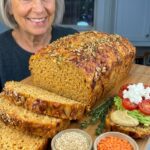
Red Lentil Quinoa Bread (Gluten-Free)
Ingredients
This recipe keeps things refreshingly simple. Here’s what goes into the batter:
- 1 cup (190 g) dry red lentils — the protein-rich base of the bread
- 1 cup (170 g) uncooked quinoa — adds structure, nuttiness, and additional protein
- 1½ cups (360 ml) water — helps blend the mixture into a smooth, thick batter (plus more for soaking)
- 2 tablespoons olive oil — adds moisture and richness to the crumb
- 1 teaspoon baking powder — helps the loaf rise slightly and stay light
- ½ teaspoon salt — balances and enhances the overall flavor
That’s it — six ingredients, no flour, no eggs, no yeast, and no gluten-free flour blend required.
Instructions
This bread comes together in five straightforward steps. The most important thing to remember is that soaking time is essential — it’s what allows the lentils and quinoa to blend into a smooth, bread-like batter.
Start by placing the red lentils and quinoa in separate bowls. Rinse each thoroughly under cool running water — this removes excess starch and helps eliminate any natural bitterness, especially from the quinoa, which has a natural coating called saponin.
Cover both bowls generously with water and let them soak for 4 to 6 hours, or until the lentils and quinoa have visibly softened. If you’re short on time, a shorter soak may still work, but a full soak yields the smoothest batter and the best final texture. Once softened, drain both thoroughly.
Tip: Soaking overnight in the refrigerator is a convenient option if you want to prep the batter fresh in the morning.
Preheat your oven to 350°F (175°C).
Add the soaked and drained red lentils, soaked and drained quinoa, 1½ cups of water, olive oil, baking powder, and salt to a high-speed blender. Blend until the mixture is completely smooth and creamy, pausing occasionally to scrape down the sides so nothing gets left behind.
The finished batter should be thick, uniform, and free of any visible lentil or quinoa fragments — this is key to achieving a tender, even crumb throughout the loaf rather than a gritty or uneven texture.
Lightly grease an 8 × 4-inch loaf pan, or line it with parchment paper for easy removal later. Pour the blended batter into the prepared pan and use a spatula to gently smooth the top, which helps the loaf bake evenly from edge to edge.
Place the loaf pan in your preheated oven and bake for 50 to 60 minutes. You’ll know it’s ready when the top turns a light golden color and the center feels firm to the touch.
To check for doneness, insert a toothpick into the center of the loaf — it should come out mostly clean, without wet batter clinging to it. If the top starts browning too quickly before the center is fully baked, loosely tent the loaf with aluminum foil for the remainder of the baking time.
Once baked, remove the bread from the oven and let it cool in the pan for 10 to 15 minutes. This resting period allows the structure to firm up slightly before handling.
Carefully transfer the loaf to a wire rack and let it cool completely before slicing — this step is more important than it sounds. Slicing too early can result in a gummy or crumbly texture, since the crumb needs time to fully set. Once cooled, use a sharp serrated knife to cut clean, even slices.