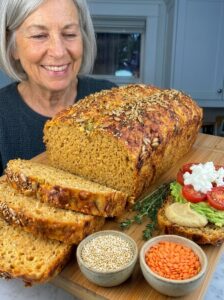
The aroma of freshly baked bread wafts through the kitchen, wrapping you in a warm embrace of nostalgia and comfort. Imagine slicing into a crusty loaf, the crackling crust giving way to a soft, pillowy interior that springs back as you press your fingers into it. The tangy notes of sourdough dance on your palate, mingling perfectly with a hint of nuttiness from whole wheat flour, evoking memories of breezy afternoons spent break-baking in a home overflowing with love. Every taste transports you to a quaint bakery where the world feels a little slower, and each loaf is crafted with intention.
Yet, what if I told you that the secret to achieving this delightful experience is often fleeting, even if you accidentally left your sourdough dough on the counter overnight? Instead of a culinary disaster, you may find that your dough has transformed into something remarkable. Embrace the potential of so-called mistakes; this rustic charm perfectly encapsulates the magic of baking, where even delays can lead to the most delightful surprises.
Why You’ll Love This Sourdough
This sourdough creation will surely enchant everyone who savors it, turning any ordinary dinner into a warm gathering filled with laughter and conversation. The irresistible flavor combination of tangy sourness and sweet notes from the fermentation makes it an ultimate crowd-pleaser. Beyond just taste, this bread offers incredible texture: a crunchy, crusty exterior that yields to a soft, airy center, showcasing each stitch of your kneading efforts.
You will adore showcasing this bread at brunch with friends, or as the centerpiece at your dining table during family dinners. It stands out among other breads for its depth of flavor, artisanal quality, and the pride that comes from crafting it by hand. Whether you slather it in creamy butter or use it as the base for mouthwatering sandwiches, it effortlessly complements any occasion.
Preparation Phase & Tools to Use
Creating this delicious sourdough bread takes a few essential tools that elevate your baking experience. Here’s what you’ll need:
- Mixing Bowl: A sturdy, large bowl ensures you have plenty of room to mix ingredients without making a mess.
- Dough Scraper: This comes in handy for kneading and transferring the dough, preventing stickiness.
- Proofing Basket: Use it for shaping the dough during the final rise, allowing it to hold its shape beautifully.
- Dutch Oven: Perfect for baking, this tool traps steam, creating that enviable crunchy crust while maintaining moisture inside.
Preparation tips ensure your process flows smoothly:
- Gather all your ingredients beforehand to avoid any last-minute rush.
- Measure out your flour, water, and sourdough starter accurately. Proper measurements yield the best texture.
- Keep your workspace clean to focus wholly on the mesmerizing act of bread-making.
Ingredients for Sourdough
- 400 g strong white bread flour: This flour creates a structure with enough strength for the air bubbles during fermentation.
- 100 g whole wheat flour: Adds complexity to the flavor and nutrients, making each bite wholesome and delightful. You can substitute with spelt flour for a different nutty profile.
- 325 g water: Hydration is key for optimal dough development. Adjust slightly if your environment is particularly humid or dry.
- 1 tsp salt: Vital for flavor, this enhances the dough’s taste while controlling fermentation.
- 100 g sourdough starter: The heart of your bread, the starter brings dynamic flavor through wild yeast and bacteria.
This combination of ingredients is what creates that undeniably delicious sourdough you crave.
How to Make Sourdough
- In a large bowl, combine the strong white bread flour, whole wheat flour, and salt. Mix well until evenly distributed.
- Pour the water and sourdough starter into the dry ingredients. Use your hands or a wooden spoon to mix until a shaggy dough forms.
- Cover the bowl with a damp cloth and let it rest for about 30 minutes—this process, known as autolyse, helps develop gluten and enhances flavor.
- After resting, knead the dough for approximately 10 minutes until it feels smooth and elastic. The texture should be soft yet pliable.
- Transfer the dough to a lightly oiled bowl, cover it, and let it ferment at room temperature overnight. This slower fermentation leads to a deeper flavor and texture.
- In the morning, turn the dough out onto a floured surface. Shape it into a round loaf, using a gentle touch to maintain the air pockets developed overnight.
- Place the shaped dough into a well-floured proofing basket. Cover it and let it rise for about 1-2 hours, until it puffs up nicely.
- Preheat the oven to 230°C (450°F) with a Dutch oven inside to create that steamy environment.
- Carefully transfer the dough to the preheated Dutch oven and score the top with a sharp knife to allow steam to escape while baking.
- Cover with the lid and bake for 30 minutes. Remove the lid, then continue to bake for an additional 15-20 minutes until you achieve a glorious golden brown.
- Allow the bread to cool on a wire rack before slicing to let the crumb set properly.
Baking is an art, and each step brings you closer to a heavenly loaf.
Chef’s Notes & Helpful Tips
- Make-Ahead Tips: If your schedule is busy, consider preparing the dough during the evening, then shape and bake it the following morning.
- Cooking Alternatives: While the Dutch oven creates a bakery-style crust, you can use an air fryer for smaller loaves. Adjust the temperature and time accordingly.
- Customization Ideas: Mix in herbs, seeds, or even chopped olives and sun-dried tomatoes for a Mediterranean twist.
Common Mistakes to Avoid
Sourdough baking comes with its fair share of hurdles. Here’s how to avoid common pitfalls:
- Under-kneading: If the dough lacks elasticity, you will not develop the structure needed for a good rise. Knead until the dough feels smooth.
- Overproofing: If left too long to rise, the dough may collapse, losing its airy texture. Monitor the bubbles in the dough; when it looks puffy, it’s ready.
- Incorrect oven temperature: A well-preheated oven is essential to achieve that beautiful crust. Always use an oven thermometer to ensure true temperatures.
By keeping these points in mind, you’ll navigate your bread-making journey with confidence and success.
What to Serve With Sourdough
Your crusty sourdough loaf pairs beautifully with a variety of delicious additions:
- Creamy butter: Nothing compares to freshly churned butter melting into warm bread.
- Avocado toast: Top it with smashed avocado and a sprinkle of sea salt for a healthy breakfast option.
- Aged cheese: Pair with sharp cheddar or creamy brie for a delightful cheese board addition.
- Homemade jams: Sweet spreads enhance the flavor profile, making it a perfect tea-time snack.
- Soup: Serve alongside a bowl of hearty vegetable or tomato soup for a satisfying meal.
- Charcuterie: Create a vibrant charcuterie board with cured meats, olives, and nuts for elevated gatherings.
- Greek yogurt: Slather with yogurt and top with honey and walnut for a deliciously sweet treat.
Each pairing opens a new culinary opportunity, allowing you to enjoy various worlds of flavor.
Storage & Reheating Instructions
To keep your sourdough fresh:
- Room Temperature: Store the whole loaf in a paper bag or a bread box for up to 2-3 days.
- Refrigerator: Not recommended as it can dry out the bread.
- Freezer: Slice and wrap in plastic wrap, then foil, for up to three months. Thaw at room temperature before toasting or reheating.
- Reheating: Revitalize stale bread in the oven by wrapping it in foil and warming at 180°C (350°F) for about 10 minutes.
Estimated Nutrition Information
Approximate values per slice (based on 14 slices per loaf):
- Calories: 120
- Protein: 4g
- Fat: 0g
- Carbohydrates: 25g
- Fiber: 2g
Disclaimer: Nutrition values may vary based on specific ingredient brands and individual preparations.
FAQs
-
What makes sourdough bread different from regular bread?
Sourdough utilizes a natural starter for fermentation, introducing wild yeast and bacteria that contribute to its unique flavor and longevity. Unlike regular bread made with commercial yeasts, sourdough has a richer, tangy taste. -
Do I need special ingredients for sourdough?
Most essentials can be found at any grocery store. Strong white bread flour and a robust sourdough starter are key. You can create your starter at home using flour and water over time. -
How can I tell when my sourdough is ready to bake?
The dough should visibly rise, feel puffy to the touch, and spring back quickly when pressed—this indicates it’s ready for baking. The surface should also be dotted with bubbles. -
What can I do if my dough seems too wet or sticky?
Try dusting your workspace with more flour while kneading or allow it to rest for a few minutes before kneading again. Don’t panic; this can happen, and it’s a simple adjustment! -
How long does it take to make sourdough bread from start to finish?
Depending on your chosen schedule, the process can take from 12-24 hours, factoring in resting and fermentation times.
As you conclude your sourdough adventure, remember that bread-making is about love, experimentation, and savoring the moments that come with the process. Whether you embrace the accidental overnight rise or the intentional knead, allow this delightful loaf of sourdough to grace your table and bring warmth to your meals. Surrender to the beauty of baking and experience the satisfaction of crafting something delicious from mere flour and water. Your culinary journey awaits!
Print
Homemade Sourdough Bread
- Total Time: 60 minutes
- Yield: 14 servings 1x
- Diet: Vegetarian
Description
Experience the magic of baking with this delightful sourdough bread featuring a crunchy crust and a soft, airy center.
Ingredients
- 400 g strong white bread flour
- 100 g whole wheat flour
- 325 g water
- 1 tsp salt
- 100 g sourdough starter
Instructions
- Combine the strong white bread flour, whole wheat flour, and salt in a large bowl.
- Pour in the water and sourdough starter, mixing until a shaggy dough forms.
- Cover the bowl with a damp cloth and let it rest for 30 minutes.
- Knead the dough for about 10 minutes until it feels smooth and elastic.
- Transfer the dough to a lightly oiled bowl, cover it, and let it ferment overnight at room temperature.
- Turn the dough out onto a floured surface and shape it into a round loaf.
- Place the shaped dough into a well-floured proofing basket and cover it, allowing it to rise for 1-2 hours.
- Preheat the oven to 230°C (450°F) with a Dutch oven inside.
- Transfer the dough to the preheated Dutch oven, score the top, and cover with the lid.
- Bake for 30 minutes, then remove the lid and bake for an additional 15-20 minutes until golden brown.
- Cool the bread on a wire rack before slicing.
Notes
Embrace potential baking mistakes as sometimes they lead to delightful outcomes.
- Prep Time: 15 minutes
- Cook Time: 45 minutes
- Category: Bread
- Method: Baking
- Cuisine: Traditional
Nutrition
- Serving Size: 1 slice
- Calories: 120
- Sugar: 0g
- Sodium: 400mg
- Fat: 0g
- Saturated Fat: 0g
- Unsaturated Fat: 0g
- Trans Fat: 0g
- Carbohydrates: 25g
- Fiber: 2g
- Protein: 4g
- Cholesterol: 0mg
Keywords: sourdough, bread, homemade, baking, artisanal