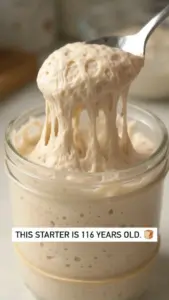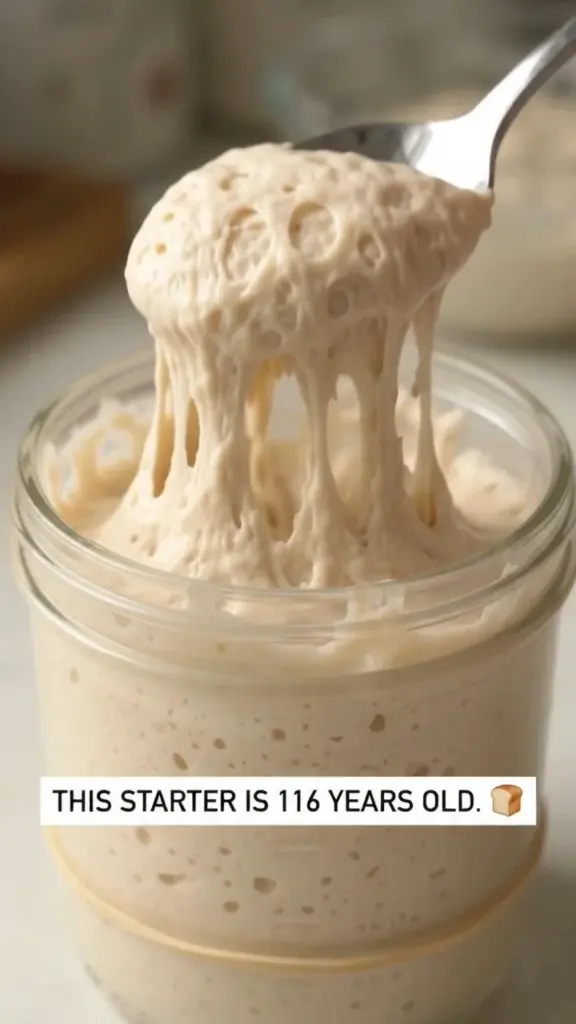
There’s a unique magic in the act of baking, especially when you begin with a 116-year-old sourdough starter. Imagine pulling apart warm, crusty bread, revealing an airy crumb that dances with the tangy notes of a rich heritage. The aroma wafts through the kitchen, inviting you in, wrapping you in its comforting embrace. Each bite offers a delightful crunch from the golden crust and a tender, chewy interior that satiates both hunger and nostalgia.
Using a mature sourdough starter is akin to unleashing a secret weapon in the kitchen—one that carries the stories of countless loaves baked throughout the decades. This starter possesses the wisdom of time, delivering a depth of flavor that transforms simple ingredients into something extraordinary. The essence of community thrives in this jar of bubbling elixir; it’s more than a mixture of flour and water; it’s a connection to the past, to generations of bakers who have perfected the art of sourdough.
With each feeding and nurturing, you breathe life into your starter, watching it come alive as natural yeast and wild bacteria work their magic. The process of growing and maintaining a sourdough starter becomes a part of your daily rhythm, a ritual that beckons you to embrace the heartbeat of your kitchen. Yes, preparing bread from a starter like this is a labor of love, yet the rewards—a perfectly risen loaf with its delightful crust and soft texture—are beyond measure.
Why You’ll Love This 116-Year-Old Sourdough Starter
This ancient sourdough starter is not just a recipe; it’s a cherished companion that elevates your baking. Imagine the intoxicating aroma of freshly baked bread wafting through your home, each loaf telling the tale of its 116-year journey. You’ll love how it enhances any dish, bringing an irresistible depth of flavor that bites and squeaks with delight in every mouthful.
Whether you’re enjoying a lazy Sunday brunch or preparing a feast for friends, this starter is your secret to standout bread. It works beautifully for various occasions, from tangy artisan loaves paired with creamy cheeses to rustic baguettes that transport you straight to a quaint Parisian café. Each bite bursts with a sublime flavor, inviting second and third slices that you’ll savor long after the basket is empty.
Preparation Phase & Tools to Use
Baking with a sourdough starter requires a specific set of tools that amplify your efforts and streamline the process. Ensuring you have the right items on hand not only simplifies your work but also enhances the results.
- Mixing Bowls: Choose bowls made from glass or stainless steel. They are non-reactive, allowing your dough to rise without interference.
- Kitchen Scale: Precision is key in sourdough baking. A scale ensures you measure ingredients accurately, leading to consistent results.
- Dough Scraper: This handy tool helps in shaping your dough as well as scraping down the sides of your bowl, minimizing waste.
- Proofing Baskets: These baskets provide structure and shape to your loaves while allowing the dough to rise comfortably.
- Dutch Oven or Baking Stone: These create a steam-filled environment that helps to achieve the perfect crust—crunchy on the outside and pillowy soft on the inside.
Before diving in, allow yourself time for preparation. Feeding your starter the day before baking activates its full potential, creating a bubbly, frothy texture that’s crucial for successful fermentation.
Ingredients for 116-Year-Old Sourdough Starter
To craft this legendary sourdough starter, you’ll need just three key ingredients:
- 20 g mature sourdough starter: This serves as the foundation, teeming with wild yeast and bacteria ready to work wonders.
- 100 g bread flour: Opt for unbleached all-purpose or whole wheat flour if you’re looking to add more flavor and nutrition.
- 100 g filtered or room-temperature water: The quality of your water impacts the fermentation process, so always choose filtered or bottled to ensure optimal results.
Possible Substitutions
While this combination remains classic, you can experiment with different flours like rye or spelt for unique flavor profiles. Remember, part of sourdough’s charm lies in its versatility.
How to Make 116-Year-Old Sourdough Starter
- In a bowl, combine the mature sourdough starter, bread flour, and filtered or room-temperature water.
- Use a spatula or your hands; getting messy is part of the fun!
- Mix until fully incorporated and a dough forms.
- Aim for a thick paste—don’t worry about the lumps; they’ll disappear as your starter matures.
- Cover the bowl with a cloth and let it sit at room temperature for about 12-24 hours until it bubbles and expands.
- Find a warm spot in your home; the yeast loves warmth!
- Feed the starter regularly every 12-24 hours with fresh flour and water to maintain its vigor.
- Get into a rhythm; soon, your starter will thrive and show you its personality.
Chef’s Notes & Helpful Tips
- Make-ahead tips: If you plan to bake a lot, consider doubling your starter’s feeding to keep up.
- Cooking alternatives: You can also incorporate your sourdough starter into pancakes or waffles for a delightful breakfast twist.
- Customization ideas: Want to add herbs or spices? Mix in your favorites during the feeding phase for a unique flavor boost.
Common Mistakes to Avoid
- Overfeeding: Don’t go overboard with ingredients. Stick to the ratio to keep your starter in balance; too much flour can make it sluggish.
- Temperature fluctuations: Plants, like sourdough yeast, thrive in a stable environment. Keep your starter away from drafts and extreme temperatures.
- Neglect: It’s easy to forget about maintenance, but feeding your starter regularly is crucial. You’ll develop a stronger culture over time and a more ‘flavorful’ bread.
What to Serve With 116-Year-Old Sourdough Starter
Elevate your mealtime experience with these delightful pairings:
- Avocado Toast: Smooth, creamy avocados slathered atop freshly baked sourdough provide a satisfying breakfast.
- Soups: Pair your loaves with vibrant tomato basil or hearty minestrone. The bread’s texture soaks in flavors beautifully.
- Cheese Board: Serve with an assortment of aged cheddar, creamy Brie, or tangy goat cheese for an elegant appetizer.
- Charcuterie: Thinly sliced cured meats complement the sourdough’s acidity, crafting a harmonious flavor profile.
- Salads: Use slices to accompany salads drizzled with balsamic vinaigrette, balancing the bread’s richness.
- Baked Egg Dishes: Think shakshuka or frittatas, where the dense, chewy quality of sourdough stands up to rich flavors.
- Jam or Honey: Sweeten things up with artisanal jams or local honey, merging sweet and tangy for a morning delight.
Storage & Reheating Instructions
For short-term storage, keep your starter in the refrigerator, well-covered to reduce drying out. Feed it every week if kept in the fridge. For long-term storage, you can freeze it in an airtight container. Always allow it to come to room temperature and feed before using it again.
When reheating your baked sourdough bread, simply wrap it in a damp cloth and place it in the oven at 350°F for about 10 minutes. This rejuvenates the crust and serves up delightful warmth once again.
Estimated Nutrition Information
This sourdough starter itself contains minimal calories, mainly attributed to carbohydrates. Approximate values per serving:
- Calories: 40
- Protein: 1g
- Carbohydrates: 8g
- Fat: 0g
(Disclaimer: Values can vary based on specific ingredients used in the recipe.)
FAQs
Can I use whole wheat flour instead of bread flour?
Absolutely! Whole wheat flour lends a nuttier flavor profile and offers more fiber, enhancing the nutritional value.
How often should I feed my starter?
Generally, feeding every 12-24 hours at room temperature produces the best results. If stored in the fridge, a weekly feeding works well.
Why isn’t my starter rising?
A starter that isn’t rising may need a warmer environment, or it could be that it hasn’t fully matured yet. Patience is key—your starter is still developing its unique personality!
Can I use tap water?
While you can use tap water, opt for filtered or bottled water to minimize chlorine levels, which can inhibit yeast activity.
How long can I keep my starter?
A well-maintained starter can last indefinitely! Just remember to feed it regularly and provide the right conditions for it to flourish.
Embrace the heartwarming journey of creating your 116-year-old sourdough starter, and witness the magic unfold in each loaf you bake. The rich, profound flavors, the airy texture, and the intoxicating aroma will envelop your kitchen, creating memories that linger long after the last crumb is consumed. Let each loaf celebrate the history of those who came before you while teetering on the edge of your own culinary adventure. Happy baking!
Print
116-Year-Old Sourdough Starter
- Total Time: 15 minutes
- Yield: 1 starter 1x
- Diet: Vegetarian
Description
A unique and flavorful sourdough starter that embodies 116 years of baking heritage, perfect for creating delicious artisan bread.
Ingredients
- 20 g mature sourdough starter
- 100 g bread flour
- 100 g filtered or room-temperature water
Instructions
- Combine the mature sourdough starter, bread flour, and filtered or room-temperature water in a bowl.
- Mix until fully incorporated and a dough forms.
- Cover the bowl with a cloth and let it sit at room temperature for about 12-24 hours until it bubbles and expands.
- Feed the starter regularly every 12-24 hours with fresh flour and water to maintain its vigor.
Notes
Make-ahead tips: Consider doubling your starter’s feeding to keep up if you plan to bake a lot. You can incorporate your sourdough starter into pancakes or waffles for a delightful breakfast twist.
- Prep Time: 15 minutes
- Cook Time: 0 minutes
- Category: Bakery
- Method: Fermenting
- Cuisine: Universal
Nutrition
- Serving Size: 1 starter
- Calories: 40
- Sugar: 0g
- Sodium: 0mg
- Fat: 0g
- Saturated Fat: 0g
- Unsaturated Fat: 0g
- Trans Fat: 0g
- Carbohydrates: 8g
- Fiber: 0g
- Protein: 1g
- Cholesterol: 0mg
Keywords: sourdough starter, baking, bread making, fermentation, artisan bread