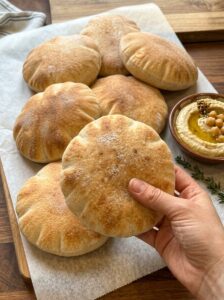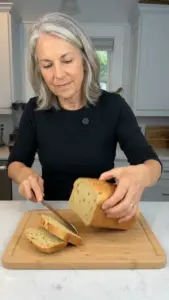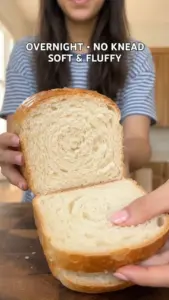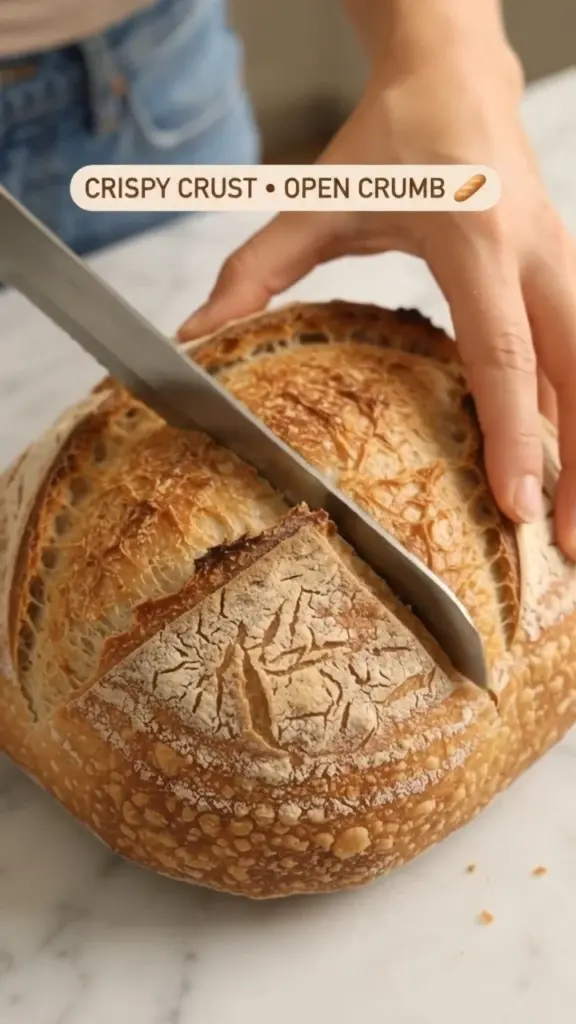
The heart of a home is often found in the warmth of its kitchen, where the scent of freshly baked bread dances in the air, wrapping you in a comforting embrace. Imagine pulling apart a crusty loaf—its rigid, golden exterior yielding to a soft, pillowy center that greets your fingers like an old friend. As you tear into the loaf, the aroma of tangy fermentation tickles your senses, inviting you to indulge. Each bite offers a delightful interplay of flavors; the nutty chewiness pairs beautifully with a hint of sourness, creating a blissful bite that transports you to a cozy European bakery. This is not just any bread; this is your Easy Sourdough Rustic Loaf, a culinary masterpiece that evokes both nostalgia and joy.
Baking this easy sourdough rustic loaf is about more than just the end product. It’s an experience that resonates with those who embrace the art of making bread from scratch. The anticipation builds as you watch the dough rise, transforming from a simple mixture into a glorious loaf, all the while filling your home with intoxicating aromas. Each step is rewarding, and the care you put into it is reflected in every scrumptious slice. This rustic loaf has found its way into countless homes, and it’s easy to see why: it’s perfect for sharing, elevating any meal, or simply enjoying with a pat of butter.
Why You’ll Love This Easy Sourdough Rustic Loaf
This sourdough rustic loaf is a delight that will capture your heart and stomach. Designed to be user-friendly, it invites bakers of all levels to dive into the enchanting world of sourdough. With minimal ingredients and a straightforward process, this recipe presents the perfect introduction to artisan bread making. The loaf boasts an incredible crust that shatters upon the first bite, revealing a moist, airy crumb that practically melts in your mouth.
Every occasion becomes more special with this bread. Imagine serving it at family dinners, alongside a starchy soup, or using it to create fancy toast topped with smoked salmon or avocado. This loaf stands out not just for the delightful crunch and enticing aroma, but also for its incredible versatility. From breakfast to supper, its inviting taste begs to be paired with a multitude of dishes, making it a staple in your baking repertoire.
Preparation Phase & Tools to Use
To bring this savory vision to life, you’ll need some essential tools. Each one plays a crucial role in your bread-making journey:
-
Mixing Bowl: A large mixing bowl is your canvas where the magic begins. Choose one made of glass or stainless steel for easy monitoring of the dough.
-
Measuring Cups & Kitchen Scale: Precision is key in baking. A scale ensures accuracy, guaranteeing the perfect balance of ingredients.
-
Wooden Spoon or Dough Whisk: These are your trusty companions for mixing. A wooden spoon is sturdy enough to handle the dough, while a dough whisk can make light work of blending.
-
Proofing Basket (Banneton): This helps shape your loaf, allowing it to rise while maintaining its structure.
-
Dutch Oven or Baking Stone: A Dutch oven creates a steamy environment that replicates a professional baking oven, ensuring a crisp crust.
Preparation tips:
- Start with room temperature ingredients; this promotes better fermentation.
- Ensure your sourdough starter is active and bubbly before beginning for optimal rise.
Ingredients for Easy Sourdough Rustic Loaf
-
500 g strong white bread flour: This flour provides the necessary gluten strength for a chewy texture. You can substitute with whole wheat flour, but adjust hydration accordingly.
-
350 g water: Water hydrates the flour and activates gluten formation. Use filtered water for the best results.
-
100 g active sourdough starter: Your starter brings life to the bread through fermentation, generating its delightful tang. Ensure it’s at 100% hydration for consistent performance.
How to Make Easy Sourdough Rustic Loaf
-
In a large bowl, combine the flour and water, mixing until no dry flour remains. This initial mix is critical for hydration, so ensure all flour is incorporated.
-
Add the active sourdough starter, folding it through until fully blended into the dough.
-
Cover the bowl with a clean kitchen towel and let the dough rest for about 30 minutes. This period allows for autolyse, enhancing dough extensibility.
-
After resting, perform stretch and folds every 30 minutes for 4 hours. This technique strengthens the gluten and builds structure. Gently pull one edge of the dough up and fold it over towards the center, rotating the bowl after each fold.
-
Once the dough has risen and developed strength, shape it into a round loaf. Be gentle yet deliberate, ensuring you preserve the airy bubbles within.
-
Place the loaf seam side up in a floured proofing basket and cover it. This resting phase allows the dough to relax and rise.
-
Refrigerate overnight for cold proofing. This step contributes to flavor development and makes baking more convenient.
-
Preheat the oven to 230°C (450°F) the next day. A well-heated oven is crucial for achieving a good oven spring.
-
Once preheated, carefully transfer the loaf onto a baking surface. Score the top with a sharp knife to create controlled steam vents, allowing it to expand while baking.
-
Bake for about 30-35 minutes, until golden brown and crusty. The sound of a hollow knock on the bottom of the loaf indicates it’s baked through.
-
Let the loaf cool on a wire rack before slicing. This ensures the crumb sets properly, delivering the best texture.
Chef’s Notes & Helpful Tips
-
Make-ahead tips: Prepare the sourdough starter a day in advance to ensure it’s bubbly. You can also freeze actively fermented dough before shaping.
-
Cooking alternatives: While a Dutch oven yields great results, you can also use an air fryer or simply a baking tray lined with parchment, adjusting time and temperature as needed.
-
Customization ideas: Add herbs, cheese, or olives to the dough for a flavor upgrade. A touch of honey or whole grains can also turn this basic loaf into a delightful treat.
Common Mistakes to Avoid
-
Under-proofing: Skipping the proofing time can result in dense bread. Always give your dough ample time to rise. Use the poke test—if it springs back slowly, it’s ready.
-
Over-kneading: Sourdough doesn’t need intense kneading. Stretch and folds do the job. Be gentle to maintain the dough’s airy structure.
-
Poorly maintained starter: An inactive starter leads to lackluster bread. Regular feedings ensure your starter is strong and healthy.
What to Serve With Easy Sourdough Rustic Loaf
-
Soups: Pair with a hearty minestrone or creamy tomato soup—dipping is a must.
-
Cheese and Charcuterie Boards: Elevate your gatherings by presenting slices alongside an array of cheeses, cured meats, and olives.
-
Avocado Toast: A trendy favorite; mash avocado with lime, salt, and pepper, and enjoy on a thick slice.
-
Egg Dishes: Serve it with poached or scrambled eggs; a hearty breakfast experience awaits.
-
Salads: Perfect with a leafy green salad. The crunch of the crust complements the crispness of fresh vegetables.
-
Pâté or Spreads: Enjoy with a rich duck pâté or seasonal spreads like fig jam.
-
Pizza Breads: Top slices with tomato sauce, cheese, and basil for instant mini pizzas.
-
Desserts: Slightly toasted and smeared with Nutella or accompanied by fruit preserves make for a wonderful sweet treat.
Storage & Reheating Instructions
Store your sourdough rustic loaf at room temperature for a few days in a paper bag. For longer storage, wrap tightly in plastic wrap and freeze, allowing it to retain moisture. To reheat, place slices in a preheated oven at 180°C (350°F) for a few minutes or until warmed through, restoring its lovely crunch.
Estimated Nutrition Information
Approximately per slice:
- Calories: 150
- Carbohydrates: 30g
- Protein: 5g
- Fat: 1g
- Fiber: 2g
These values can vary based on ingredient choices and portion sizes.
FAQs
1. What should I do if my sourdough starter isn’t rising?
A sluggish starter could need better feeding or warmer temperatures. Ensure you feed it regularly with equal parts flour and water.
2. Can I make sourdough without a starter?
Not effectively. The starter is essential for fermentation and developing that signature flavor. Consider obtaining one from a friend or starting your own.
3. How long does it take to make sourdough from start to finish?
Including the overnight proofing, expect about 18 to 24 hours from start to finish.
4. Why did my bread turn out dense?
Dense bread often results from insufficient rising or under-proofing. Make sure to give the dough enough time to rise at both stages.
5. Can I use whole wheat flour?
Yes! Whole wheat flour adds a nutty flavor and extra fiber. However, you may need to adjust the water to ensure proper hydration.
Nothing compares to the profound joy of baking your own bread. Each step of creating the Easy Sourdough Rustic Loaf is a labor of love, resulting in a divine loaf that is as beautiful as it is delicious. Whether you’re slicing it for a Sunday brunch or sharing it with family on a cozy evening, this bread promises to uplift your meals. Embrace this journey, feel the textures and let the aroma fill your kitchen—your sourdough adventure awaits, and so does your taste of heaven. So why wait? Let’s bake!
Print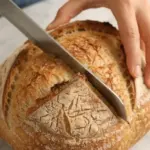
Easy Sourdough Rustic Loaf
- Total Time: 95 minutes
- Yield: 1 loaf 1x
- Diet: Vegetarian
Description
A user-friendly recipe for a delicious sourdough rustic loaf with a crispy crust and airy crumb, perfect for any meal.
Ingredients
- 500 g strong white bread flour
- 350 g water
- 100 g active sourdough starter
Instructions
- Combine the flour and water in a large bowl, mixing until no dry flour remains.
- Add the active sourdough starter, folding it through until fully blended into the dough.
- Cover the bowl with a clean kitchen towel and let the dough rest for about 30 minutes.
- Perform stretch and folds every 30 minutes for 4 hours.
- Shape the dough into a round loaf.
- Place the loaf seam side up in a floured proofing basket and cover it.
- Refrigerate overnight for cold proofing.
- Preheat the oven to 230°C (450°F) the next day.
- Transfer the loaf onto a baking surface and score the top with a sharp knife.
- Bake for about 30-35 minutes, until golden brown and crusty.
- Let the loaf cool on a wire rack before slicing.
Notes
Start with room temperature ingredients and ensure your sourdough starter is active for the best results. You can customize the loaf with herbs or cheese.
- Prep Time: 60 minutes
- Cook Time: 35 minutes
- Category: Bakery
- Method: Baking
- Cuisine: Bread
Nutrition
- Serving Size: 1 slice
- Calories: 150
- Sugar: 0g
- Sodium: 1mg
- Fat: 1g
- Saturated Fat: 0g
- Unsaturated Fat: 1g
- Trans Fat: 0g
- Carbohydrates: 30g
- Fiber: 2g
- Protein: 5g
- Cholesterol: 0mg
Keywords: sourdough, rustic loaf, baking, bread, homemade bread